Patient lifts
A transfer done by hand injures two people: the one being lifted, and the one doing the lifting.
Electric floor lifts, sit-to-stand lifts and heavy duty hoists, with the sling chosen at the same time. We deliver, set up and show both of you how it works before we leave.
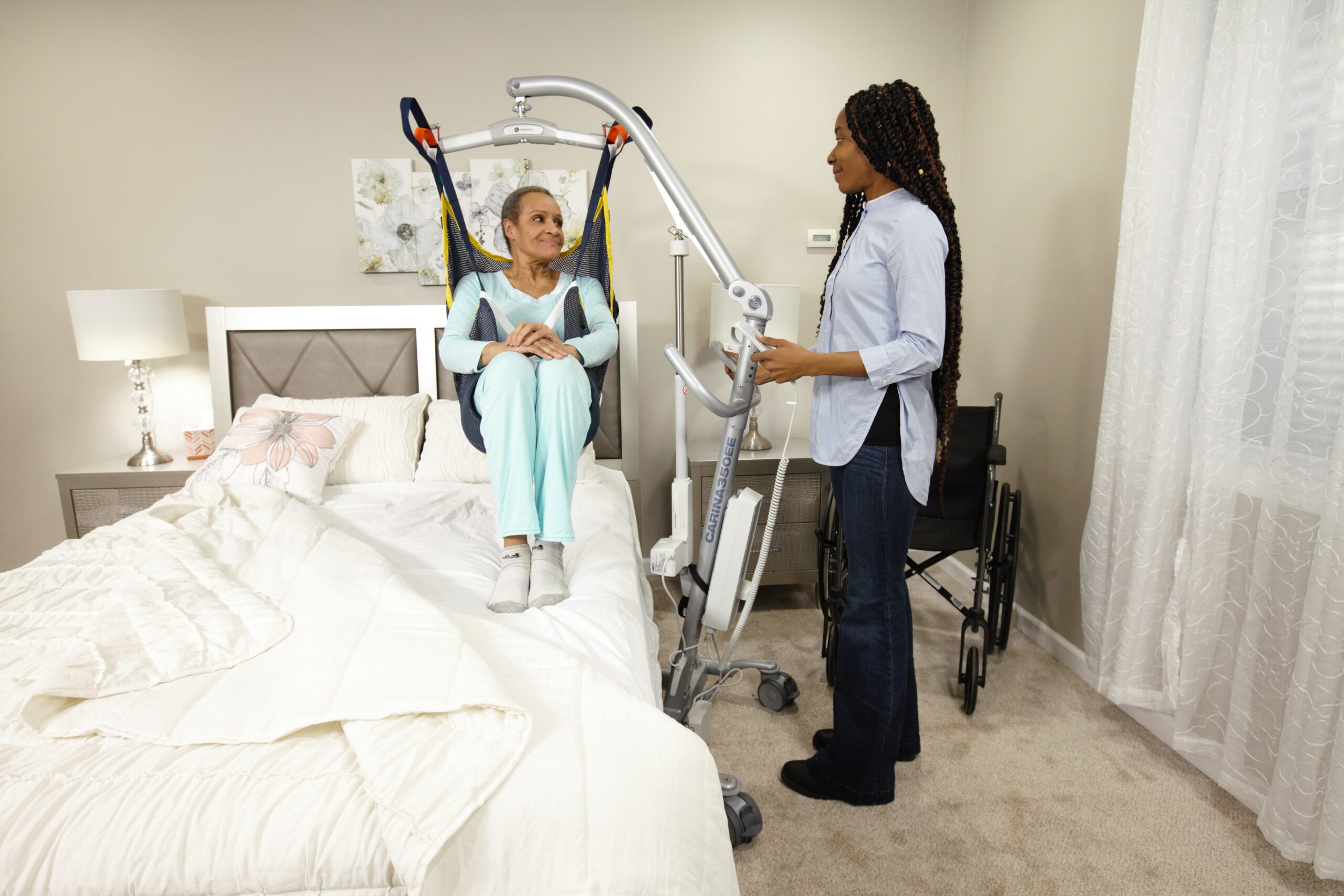
Popular models we set up in the GTA
Which lift, and which slings?
One question splits this whole category, and the answer decides everything else including how much floor space you need.
The back injury usually happens to the carer, not the patient.
Manual transfers are among the most common causes of injury in home care, and the person injured is almost always the spouse, daughter or son doing the lifting. It rarely happens in one dramatic moment. It accumulates, over hundreds of transfers, until one day a back goes.
A lift removes the load entirely. It also removes the fear, which is the part families do not mention: the fear of dropping someone, and of being the reason they end up in hospital. That fear is why people stop transferring at all, and why someone ends up spending the day in one chair. Regular lifts also protect the skin, because a person who is moved and repositioned often is far less likely to develop bedsores.
No weight taken by hand
The lift carries the load. A spouse in their seventies can transfer a partner safely, which is often what keeps someone at home.
No grabbing under the arms
Hand transfers pull on shoulders and bruise skin. A sling spreads the load across the body instead.
Fewer falls during transfer
The moment of transfer is when most falls happen. A lift removes the moment where two people are unbalanced at once.
It can be done alone
Most electric floor lifts are designed for one carer, which decides whether a transfer happens when it is needed or when help arrives.
Weight-bearing, then floor space.
Those two answers narrow four options to one, which is exactly what the finder above does.
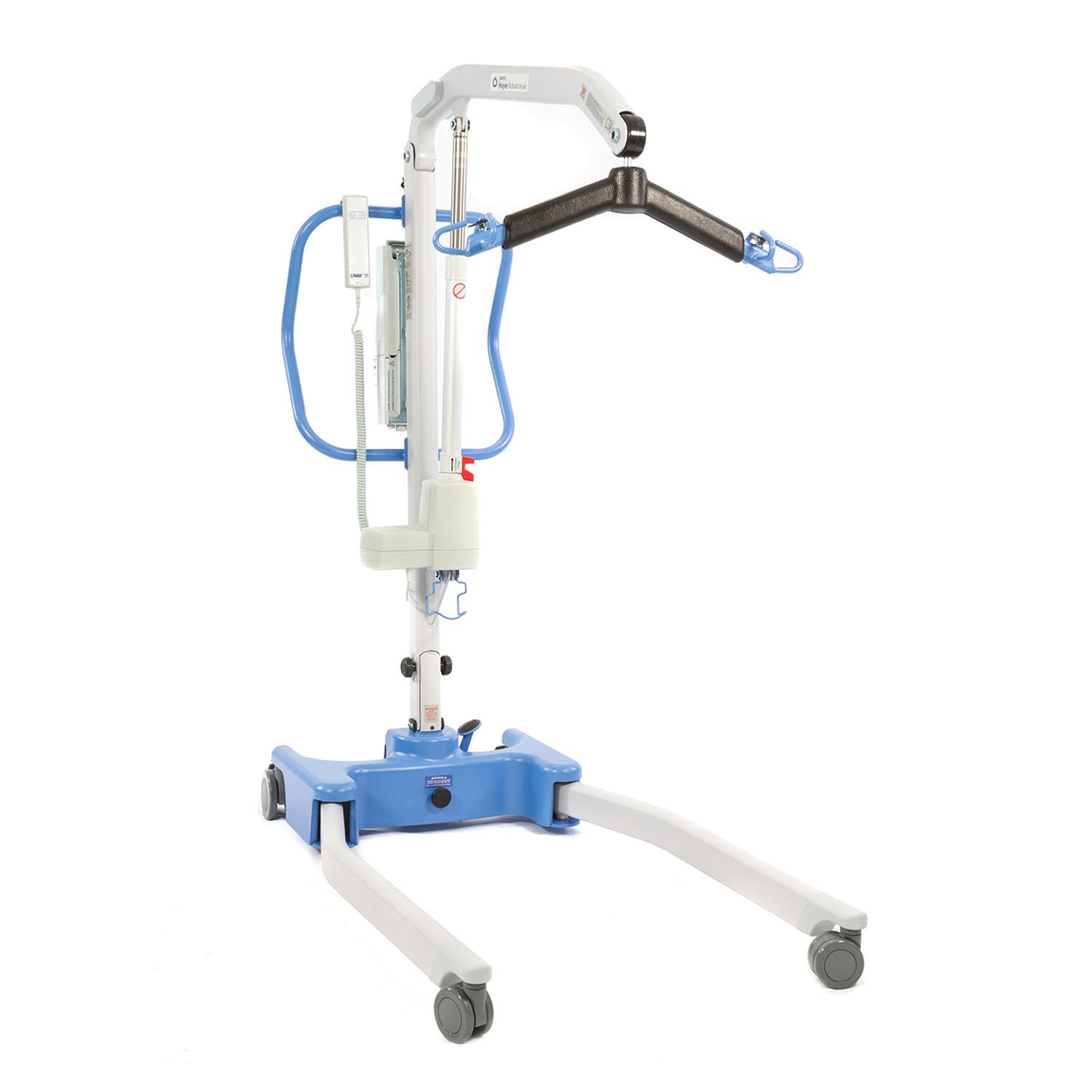
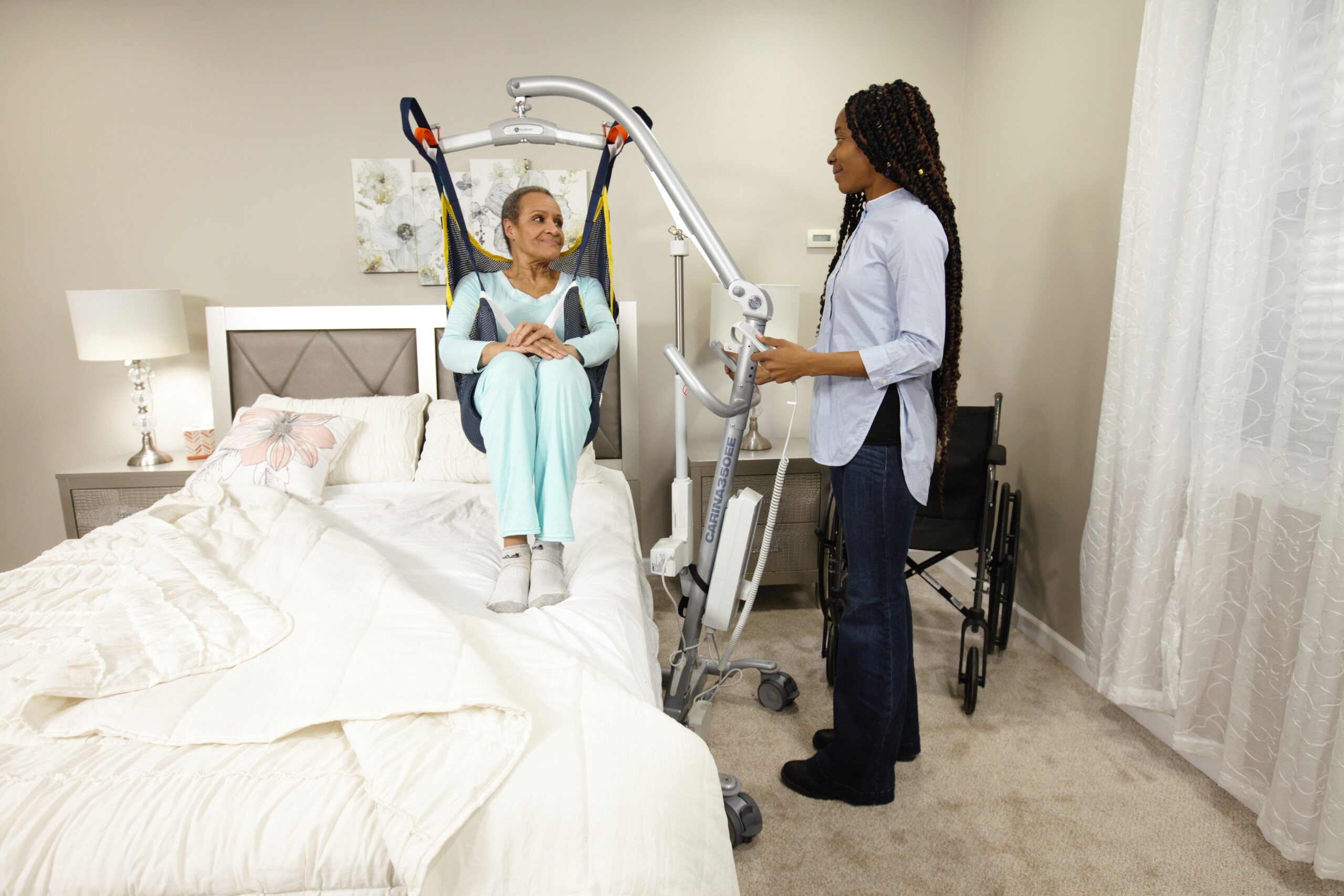
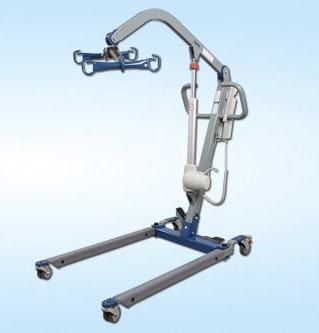
A wheeled base and powered mast carry the whole body weight in a sling. Bed to chair, chair to commode, and floor recovery after a fall.
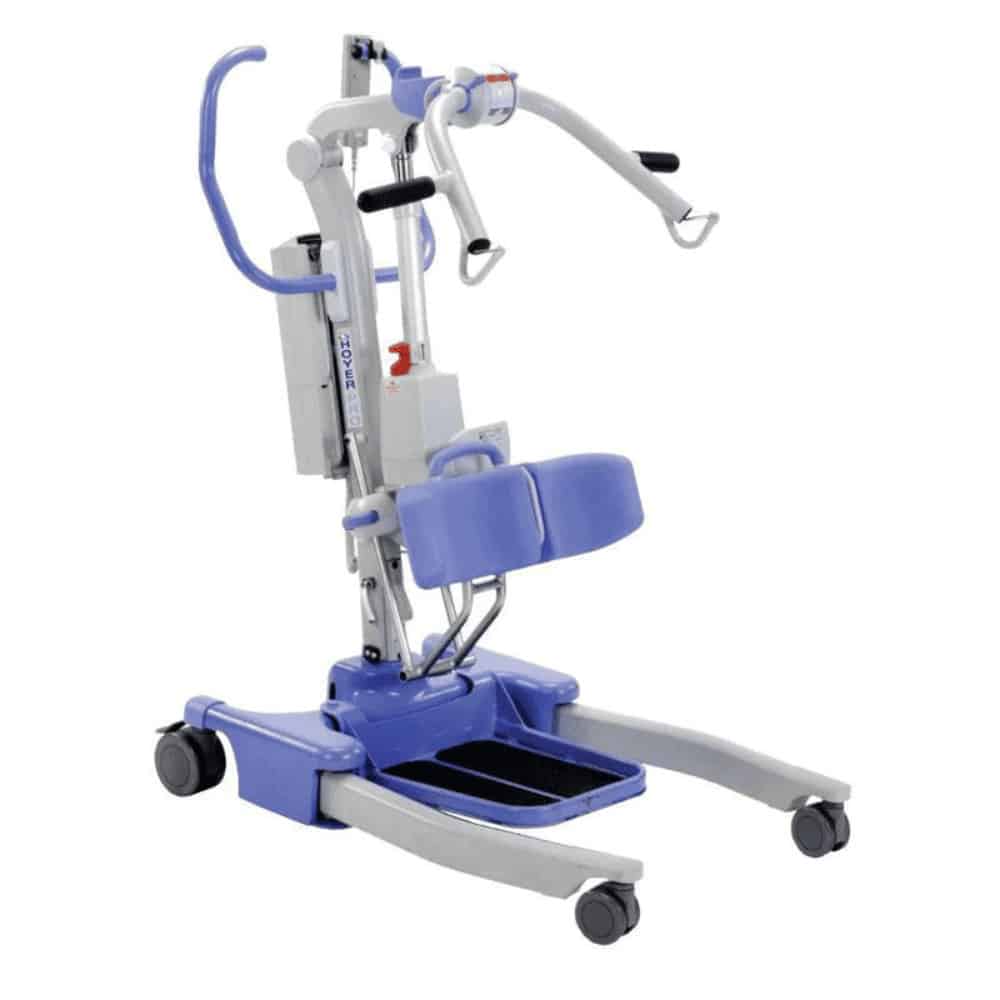
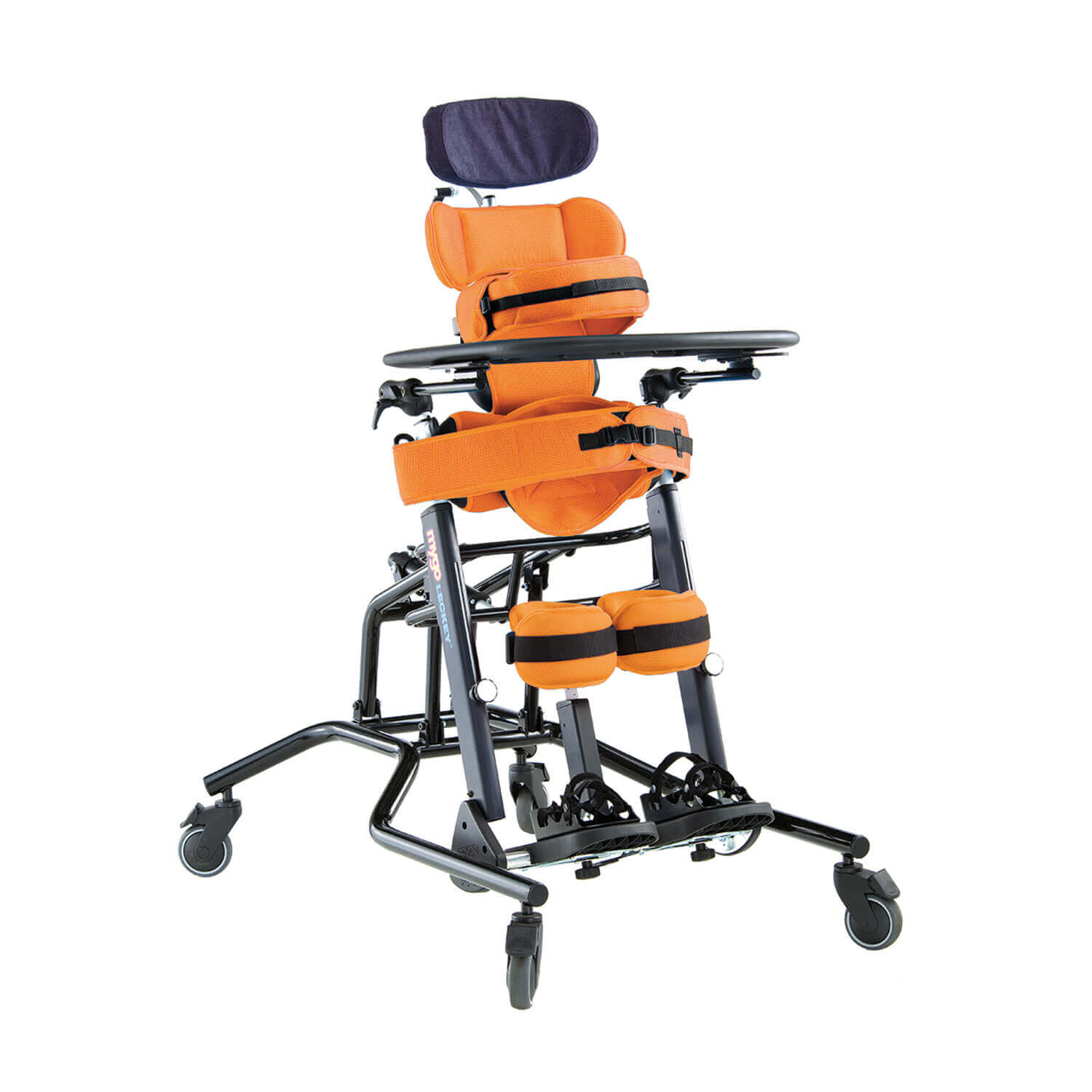
The person places their feet on a plate and holds a frame while the lift raises them from sitting to standing, using what strength they have.
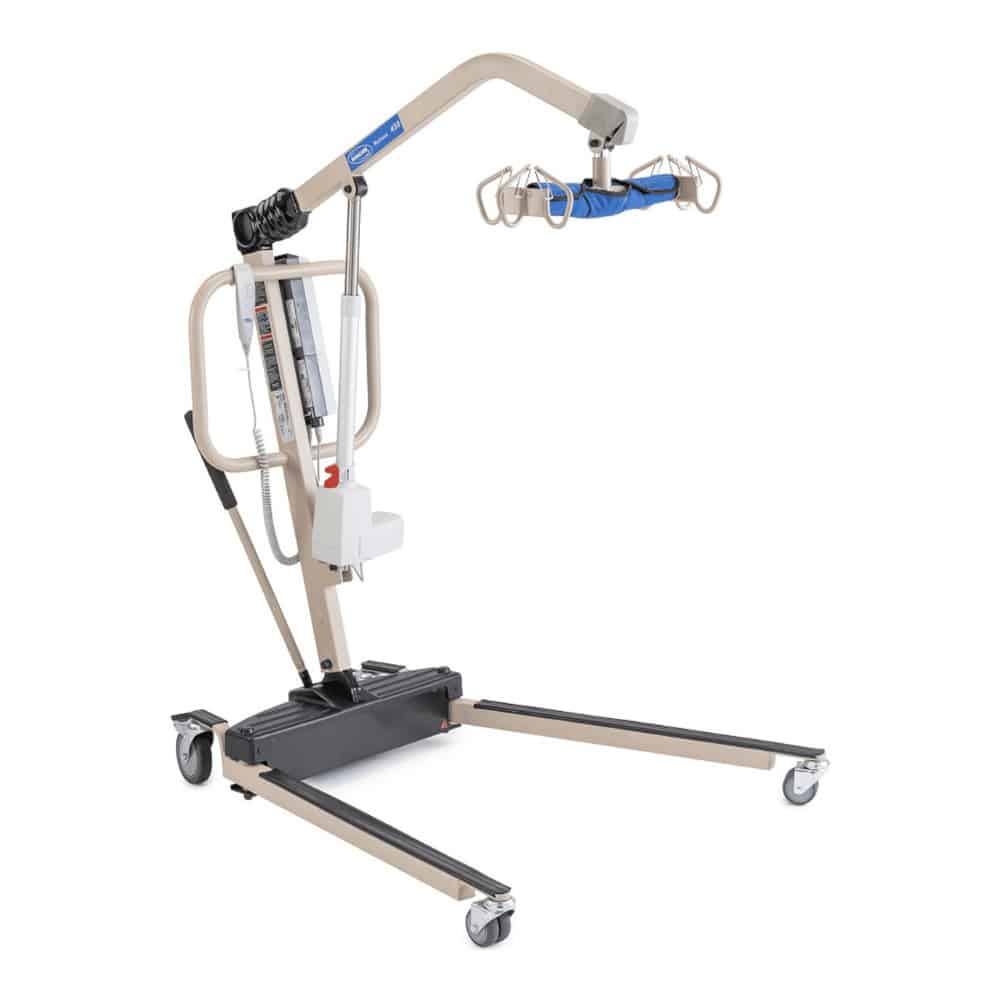
A wider base, stronger mast and higher rated capacity, with slings sized to match. Specified as a system rather than a bigger standard lift.
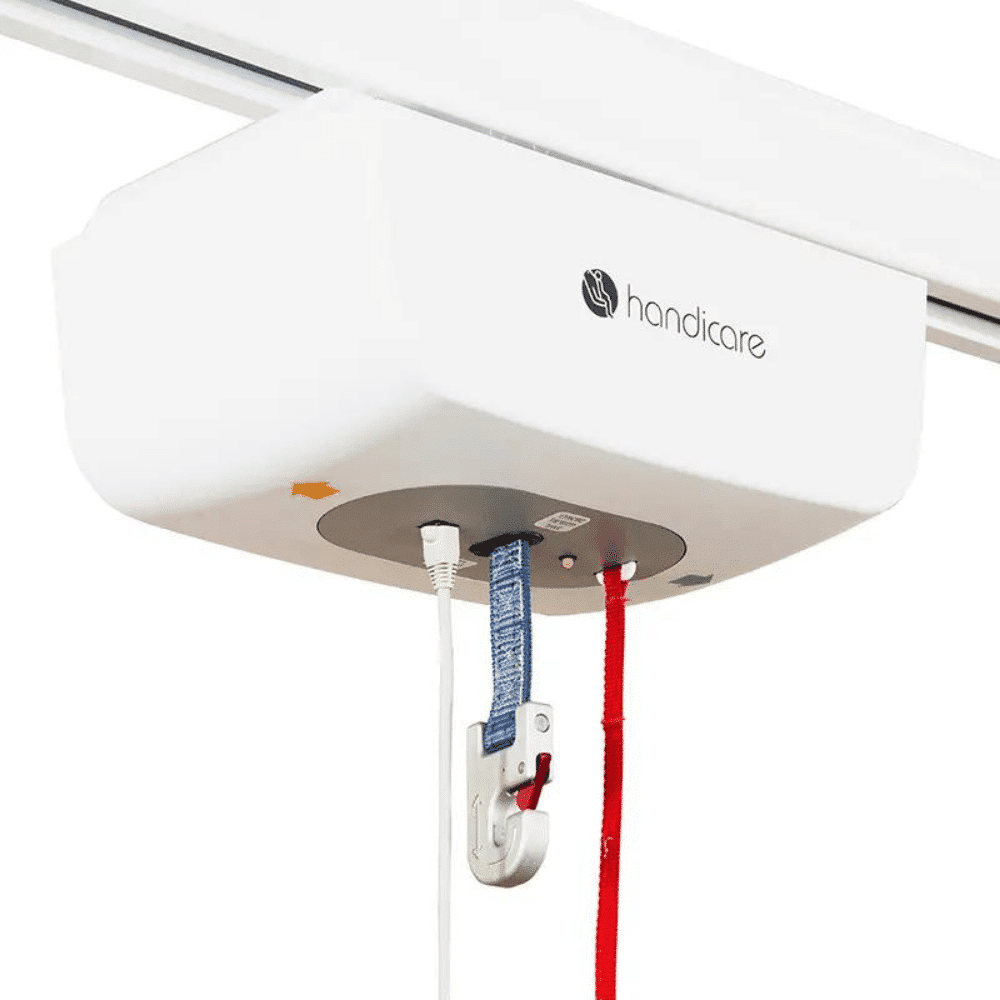
A motor runs on fixed track overhead, so nothing stands on the floor and nothing has to be wheeled around furniture.
Shop patient lifts by type
Everything we have published, grouped the way people ask for it. The counts come straight from the catalogue, so new stock shows up here on its own.
Electric Hoyer Lifts18
See all 18 Electric Hoyer Lifts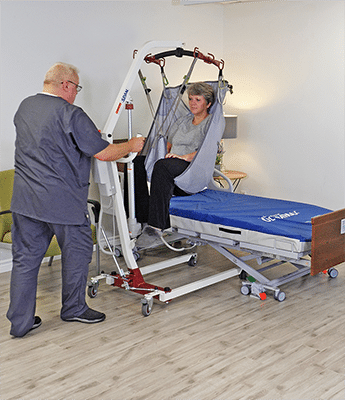
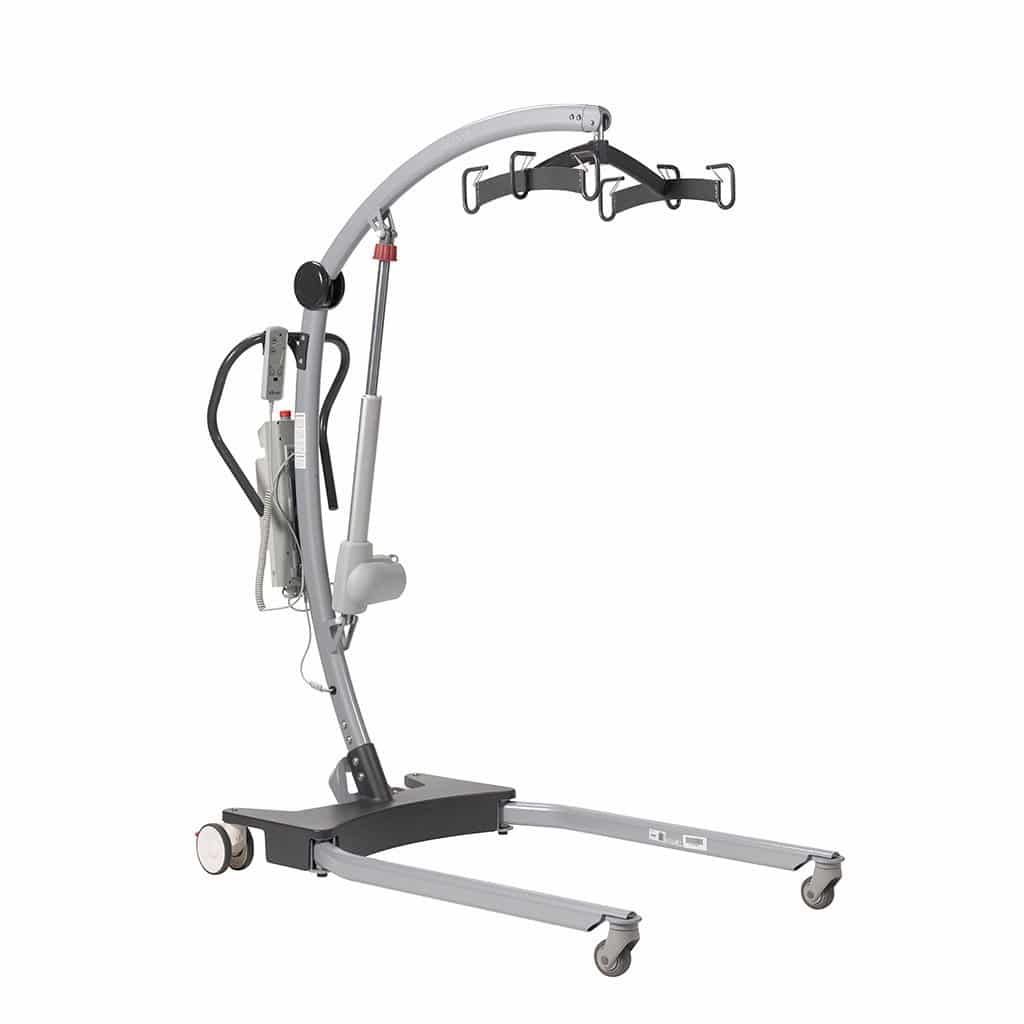
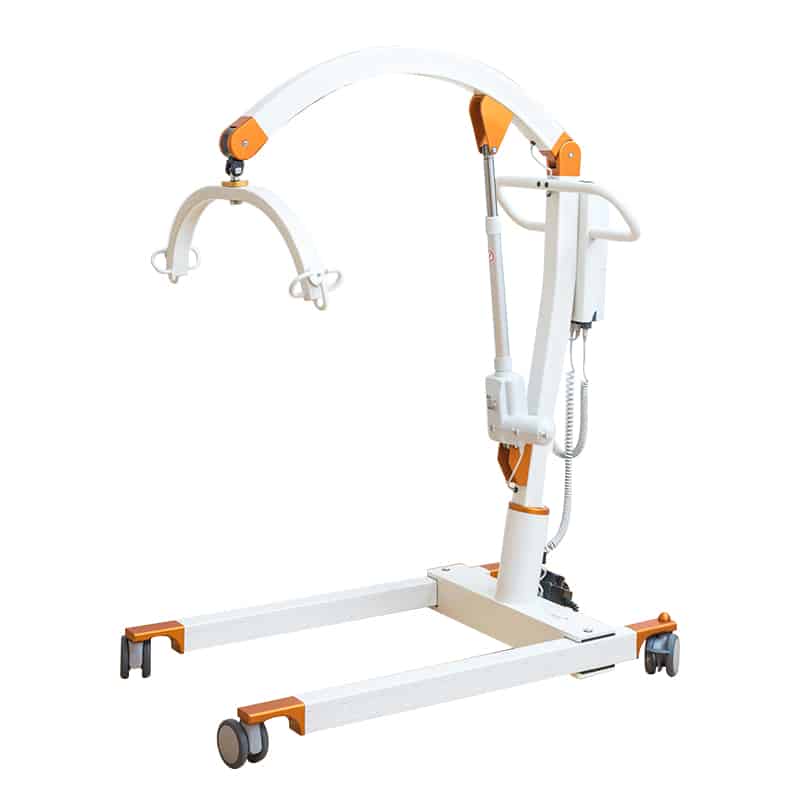
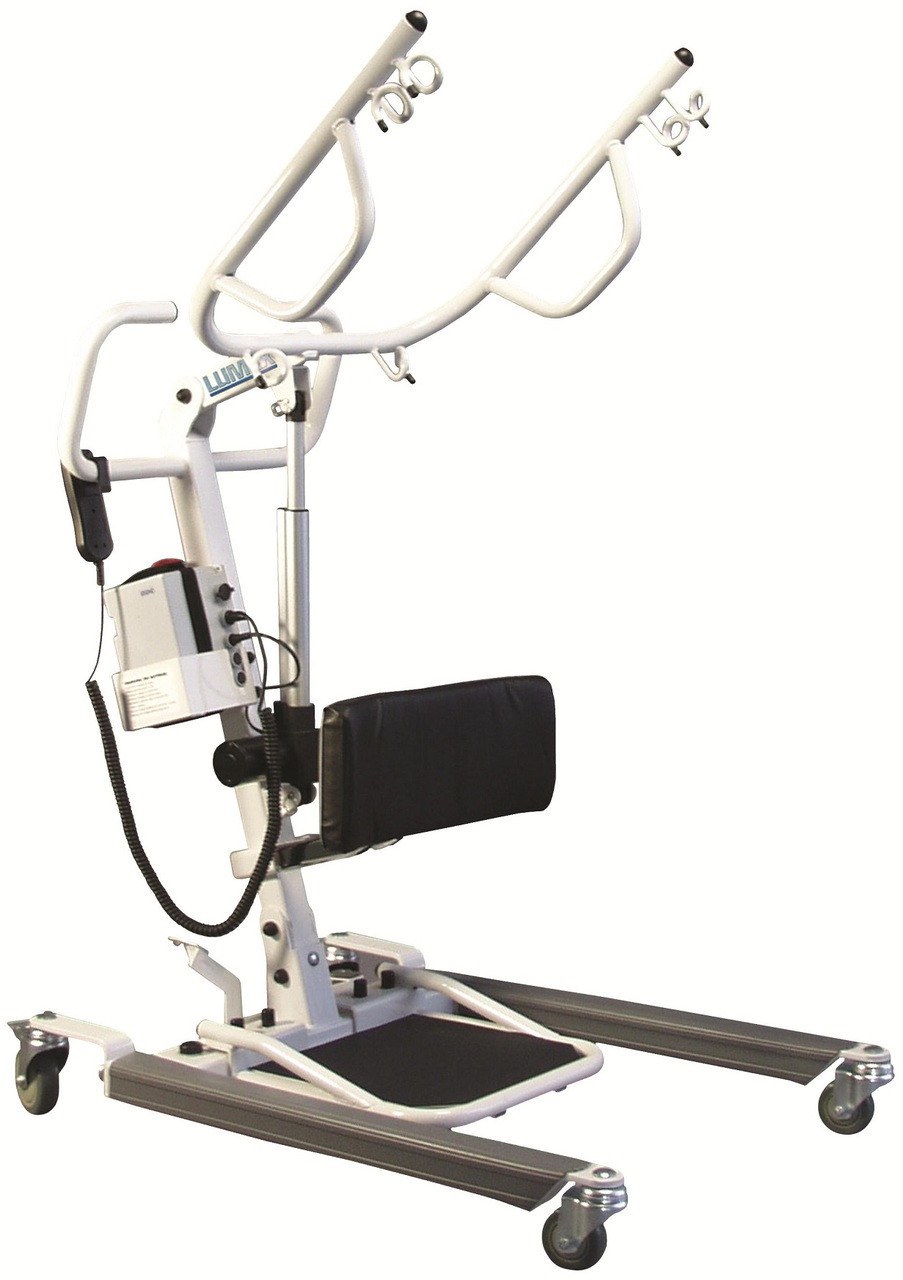
Sit to Stand Lifts28
See all 28 Sit to Stand Lifts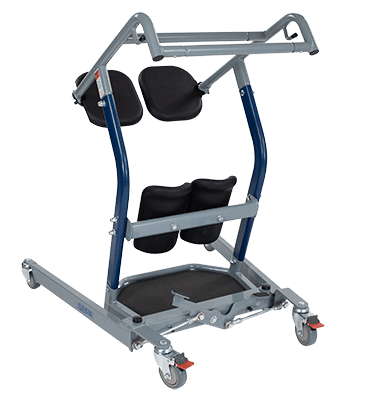
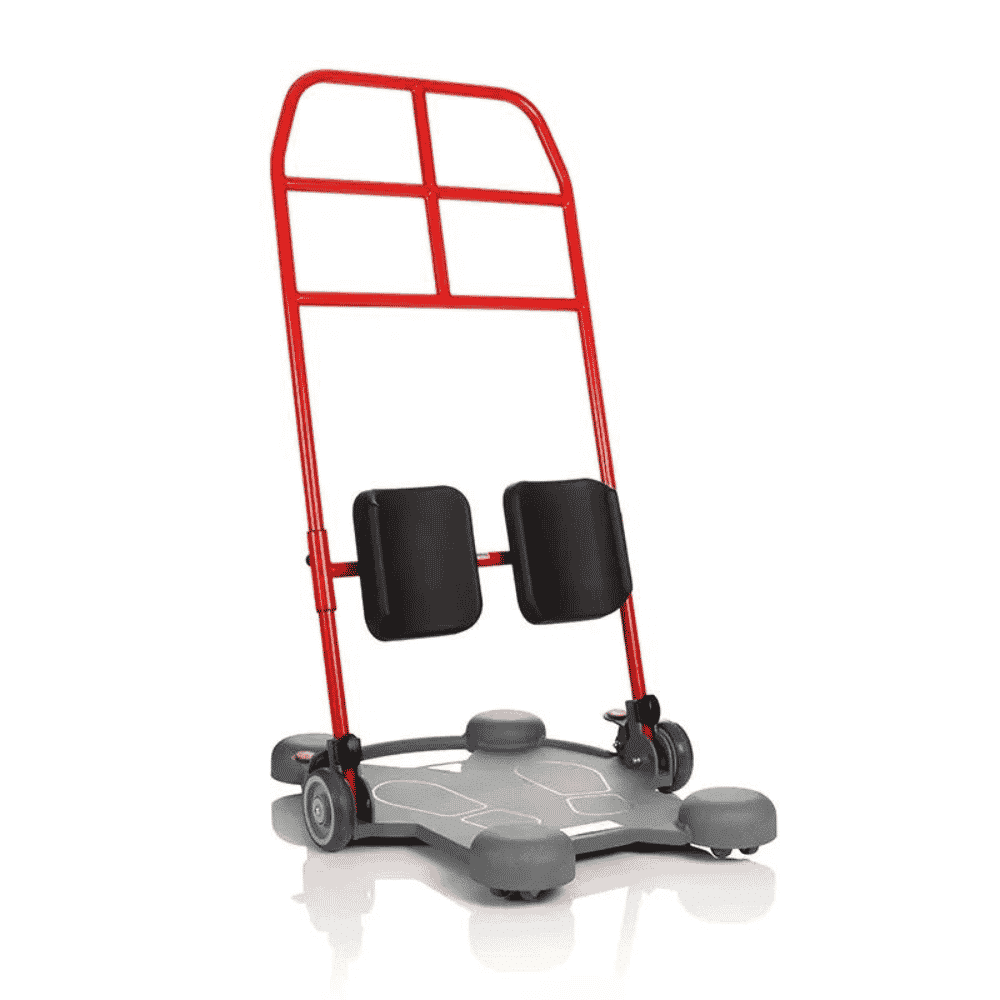
Heavy Duty Patient Lifts13
See all 13 Heavy Duty Patient Lifts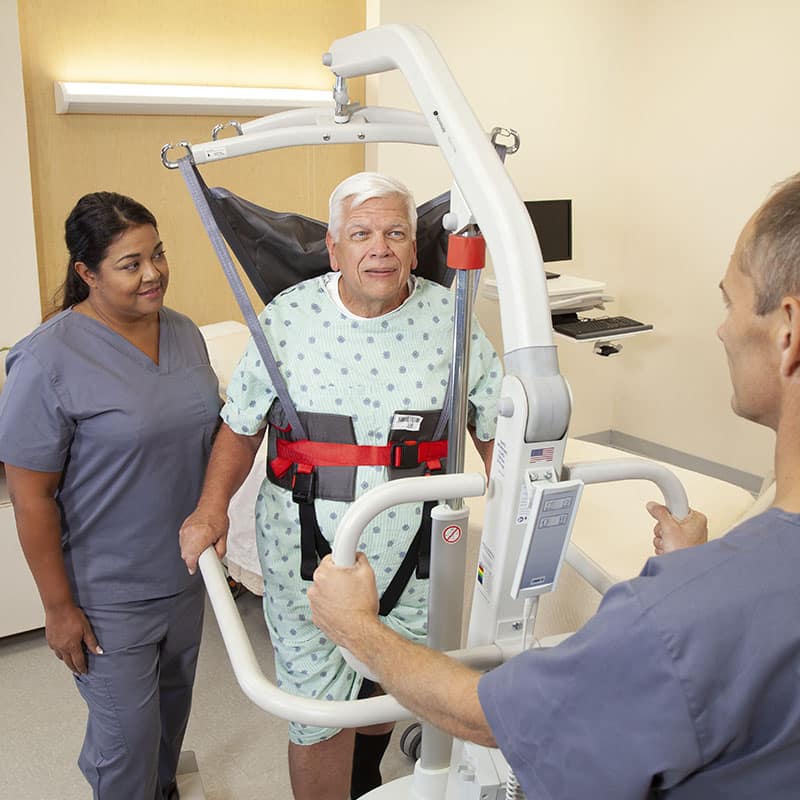
Manual Patient Lifts1
See all 1 Manual Patient Lifts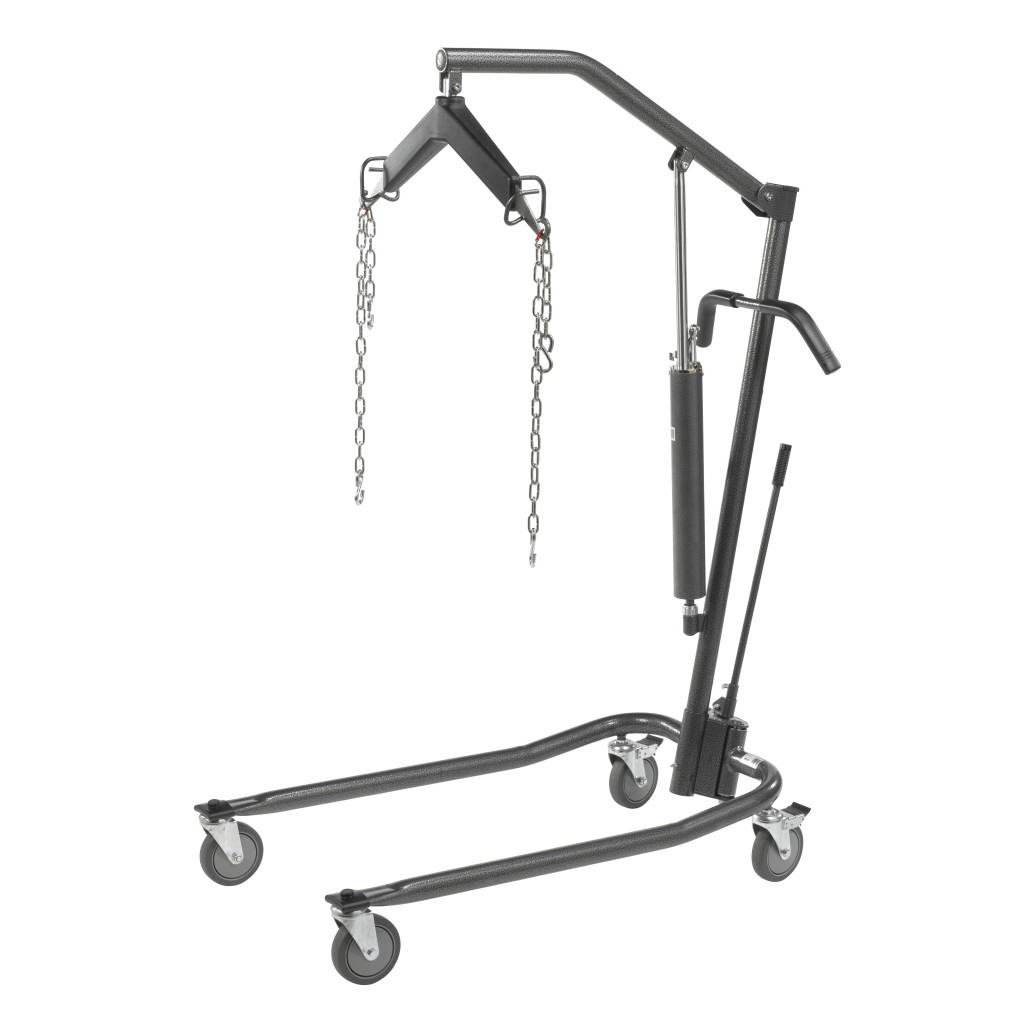
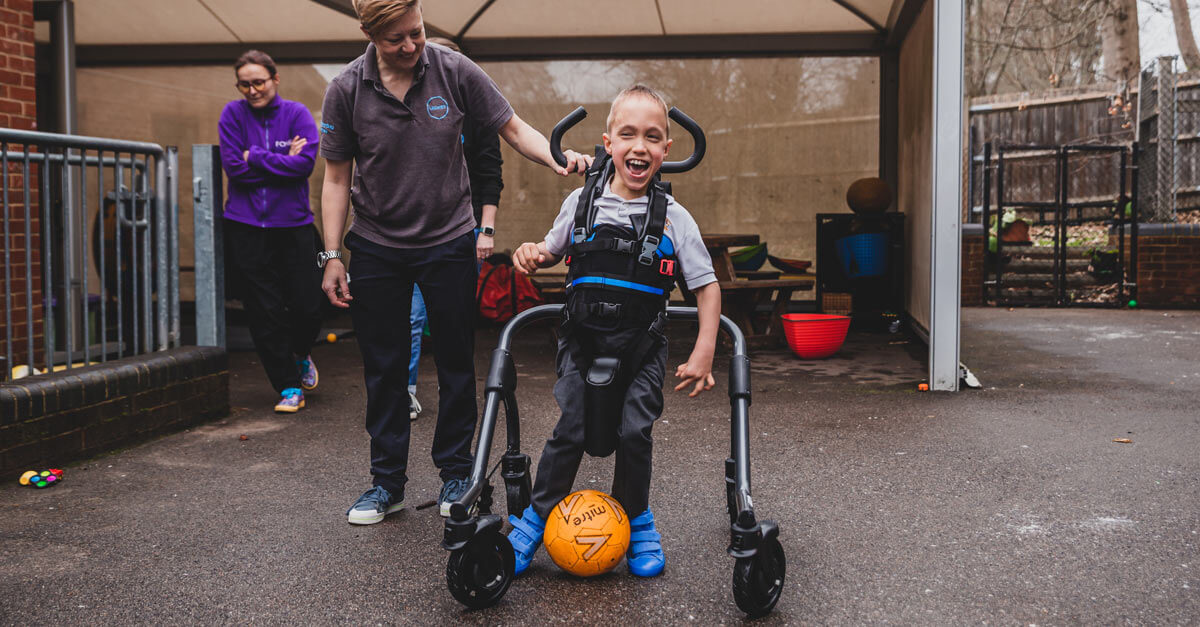
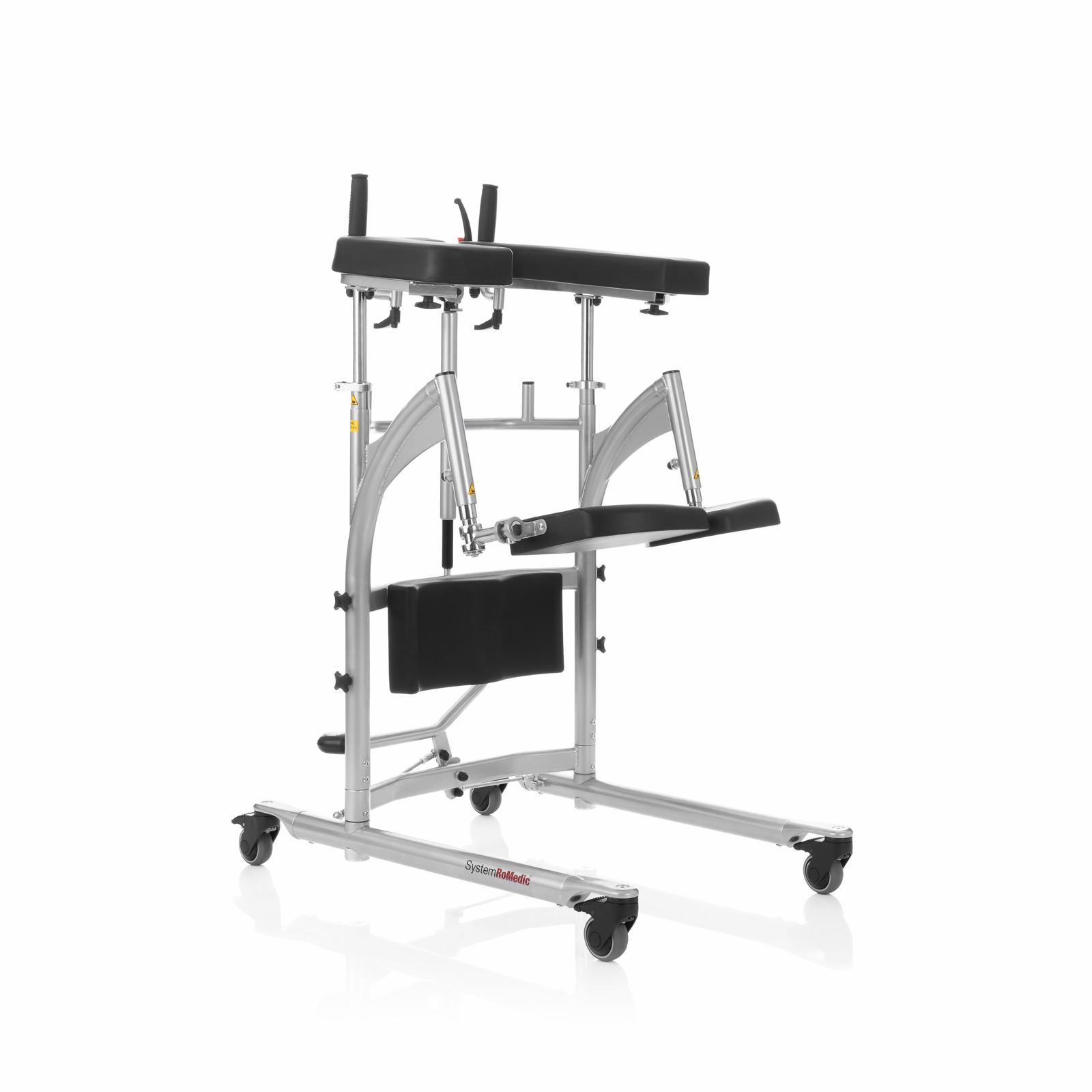
Gait Training7
See all 7 Gait Training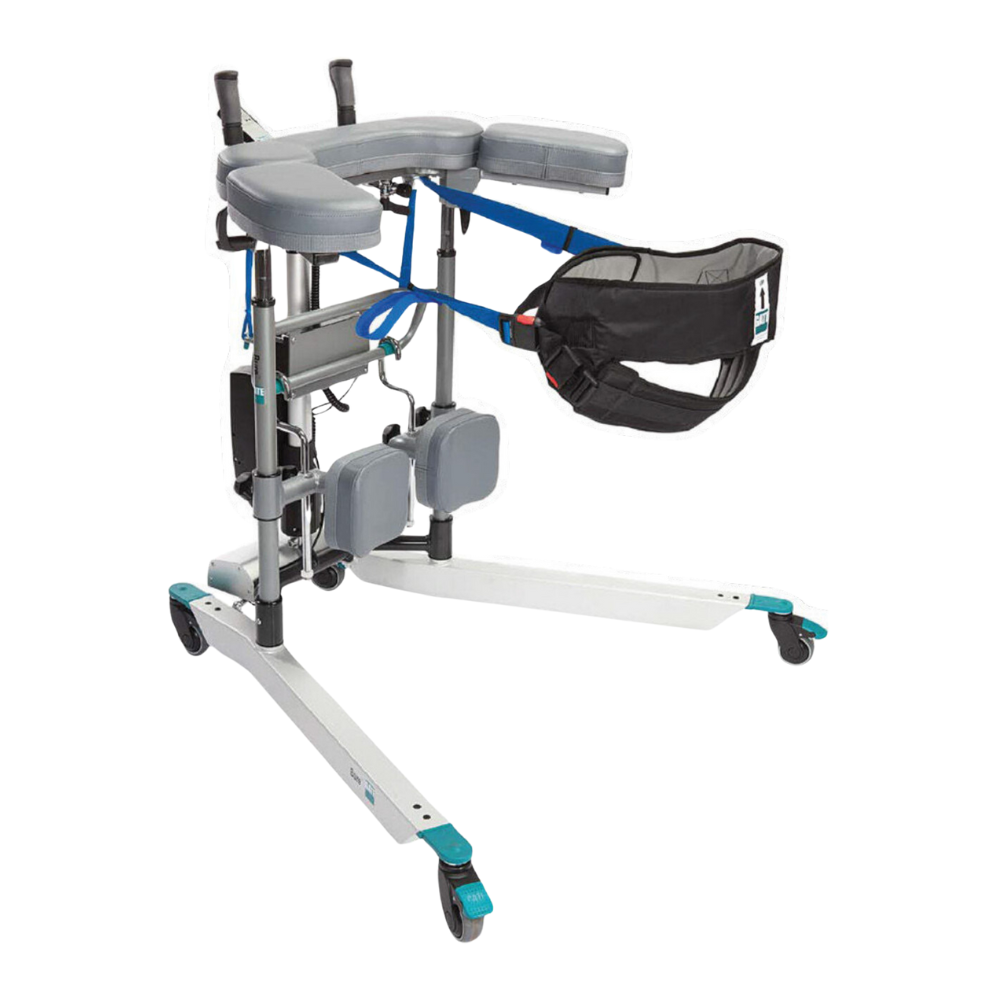
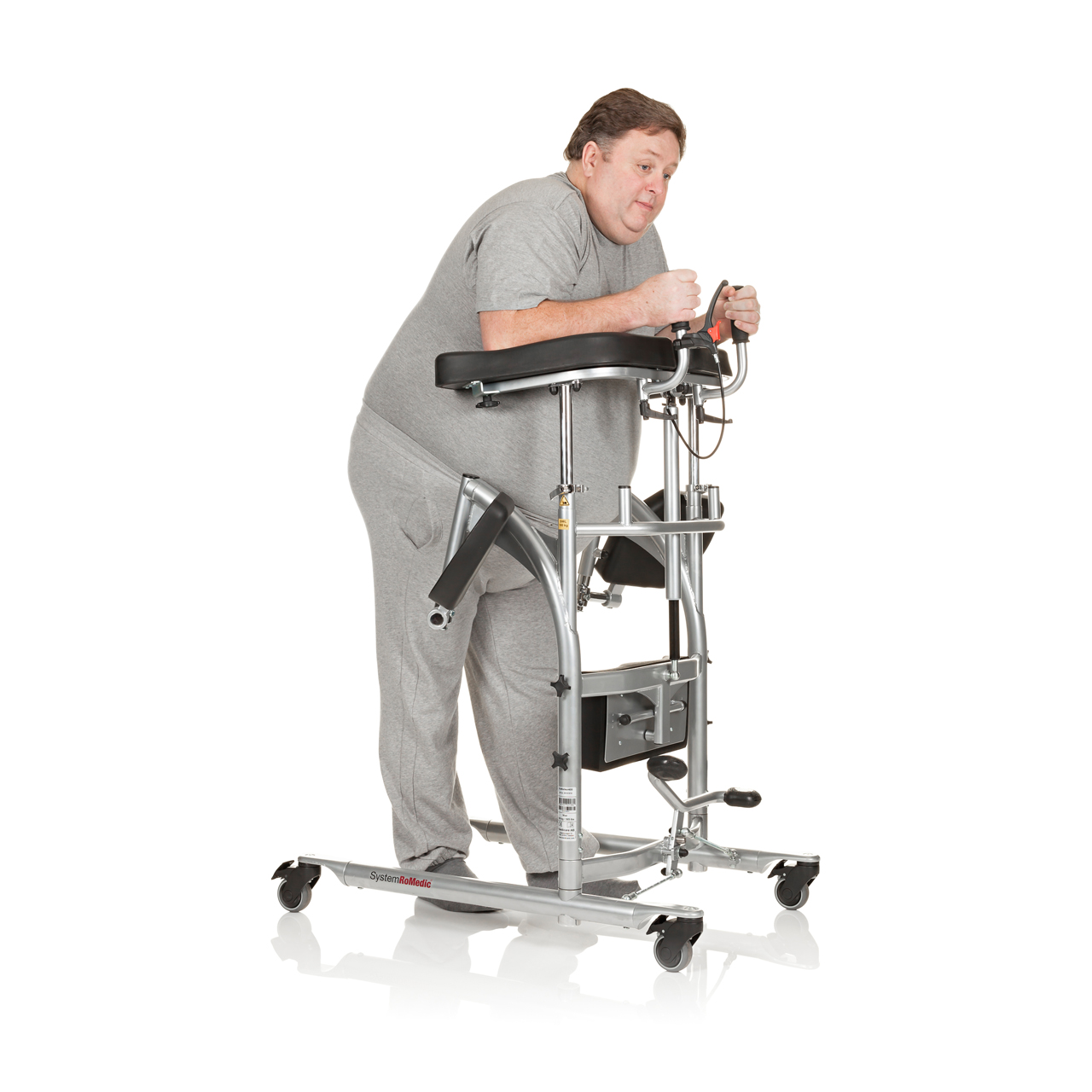
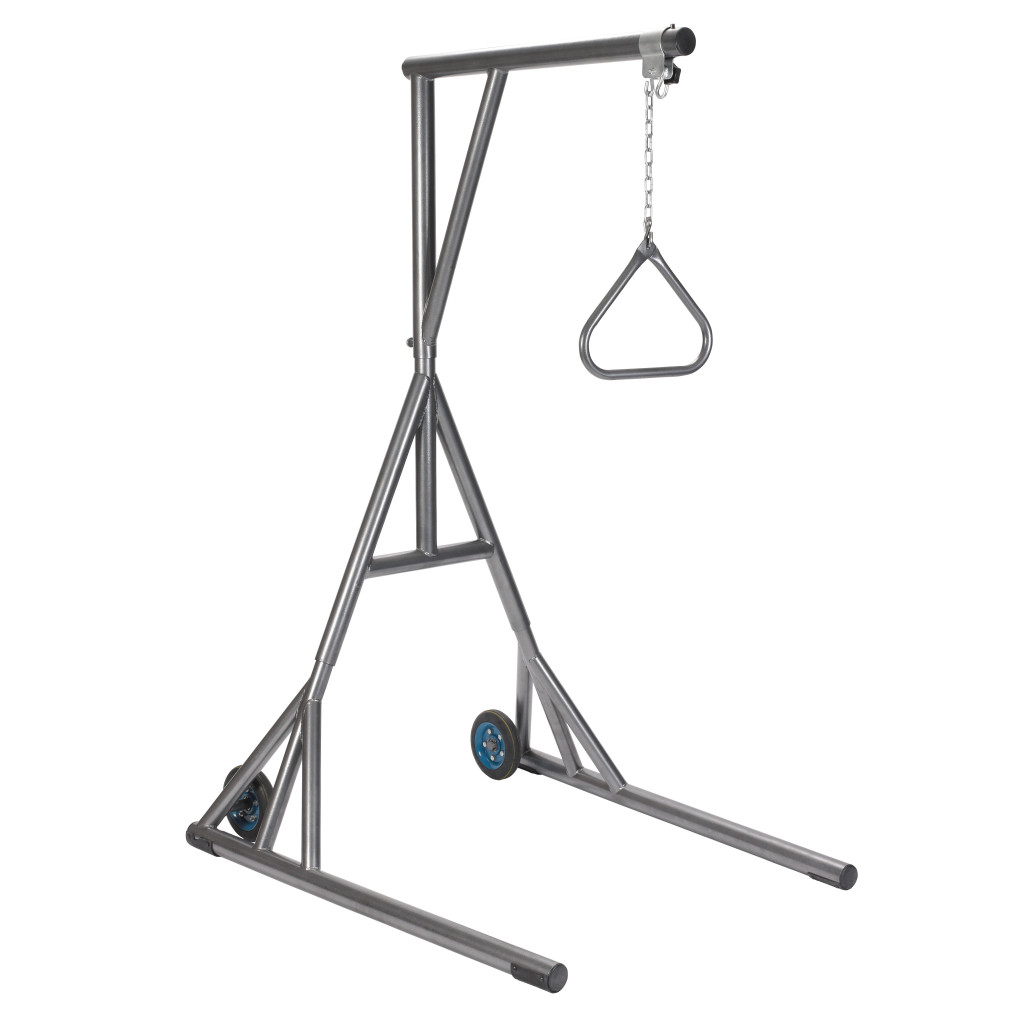
Trapeze3
See all 3 Trapeze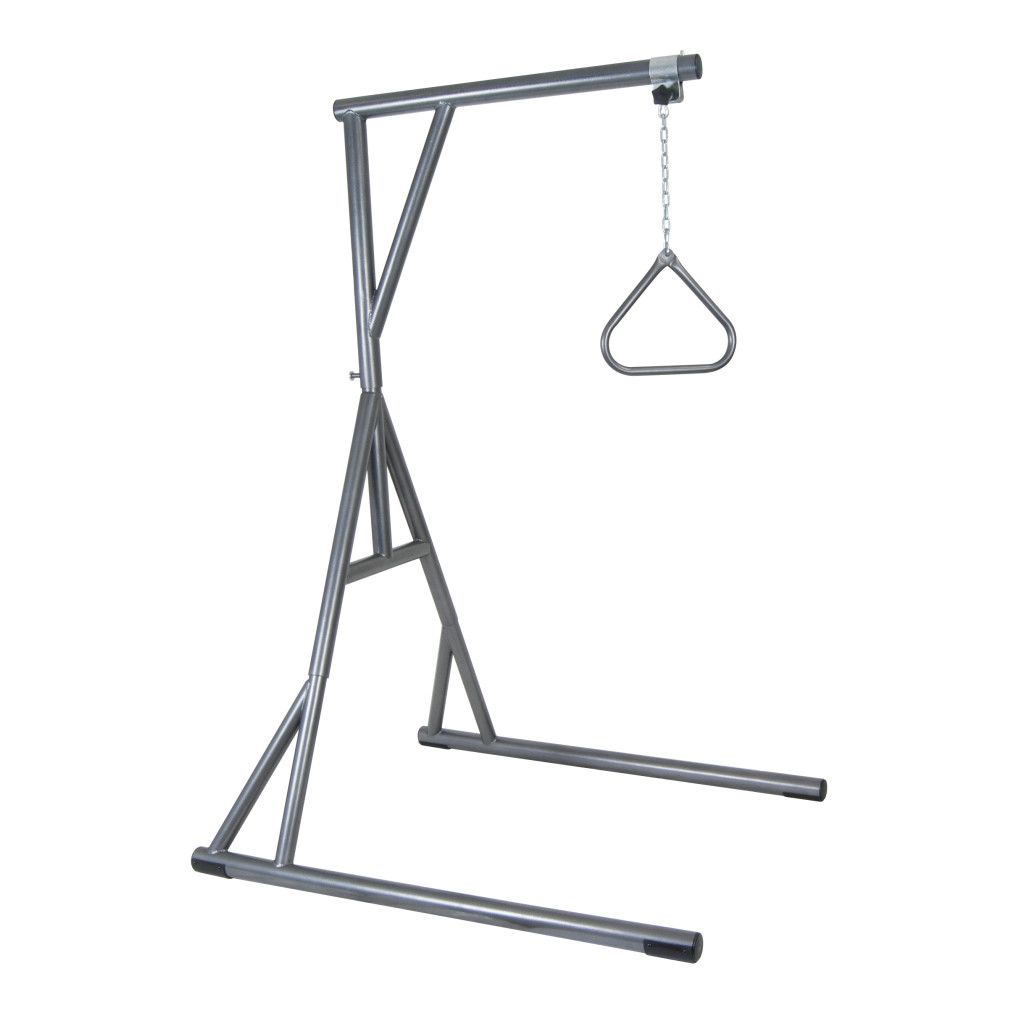
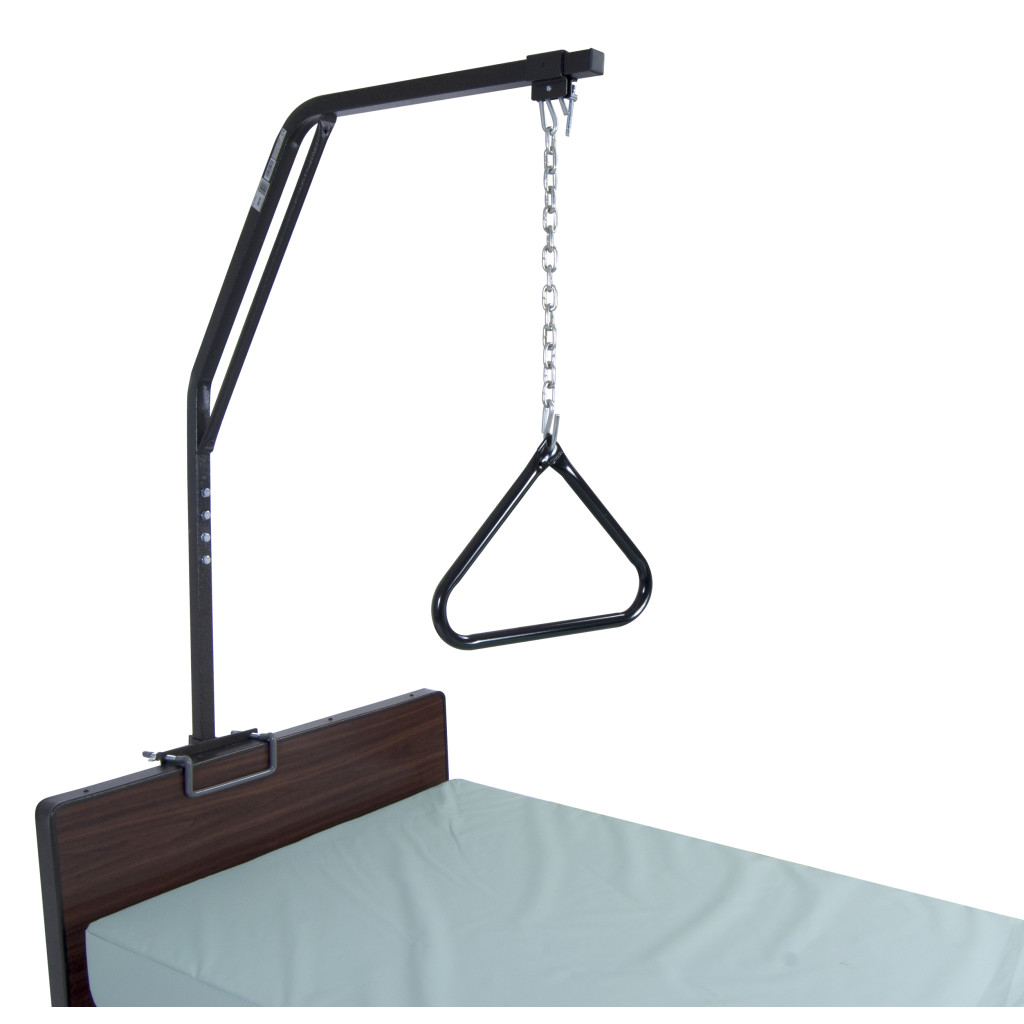
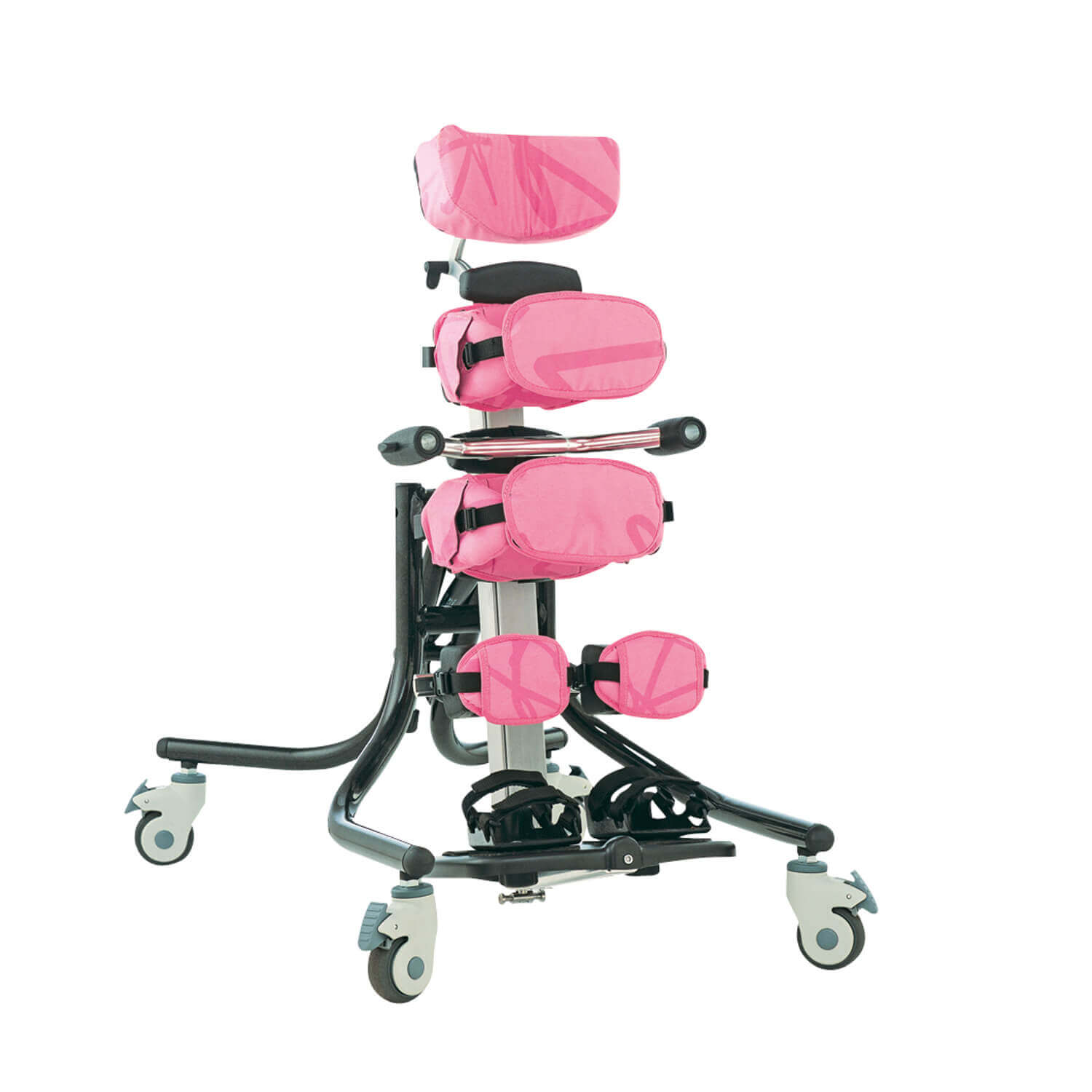
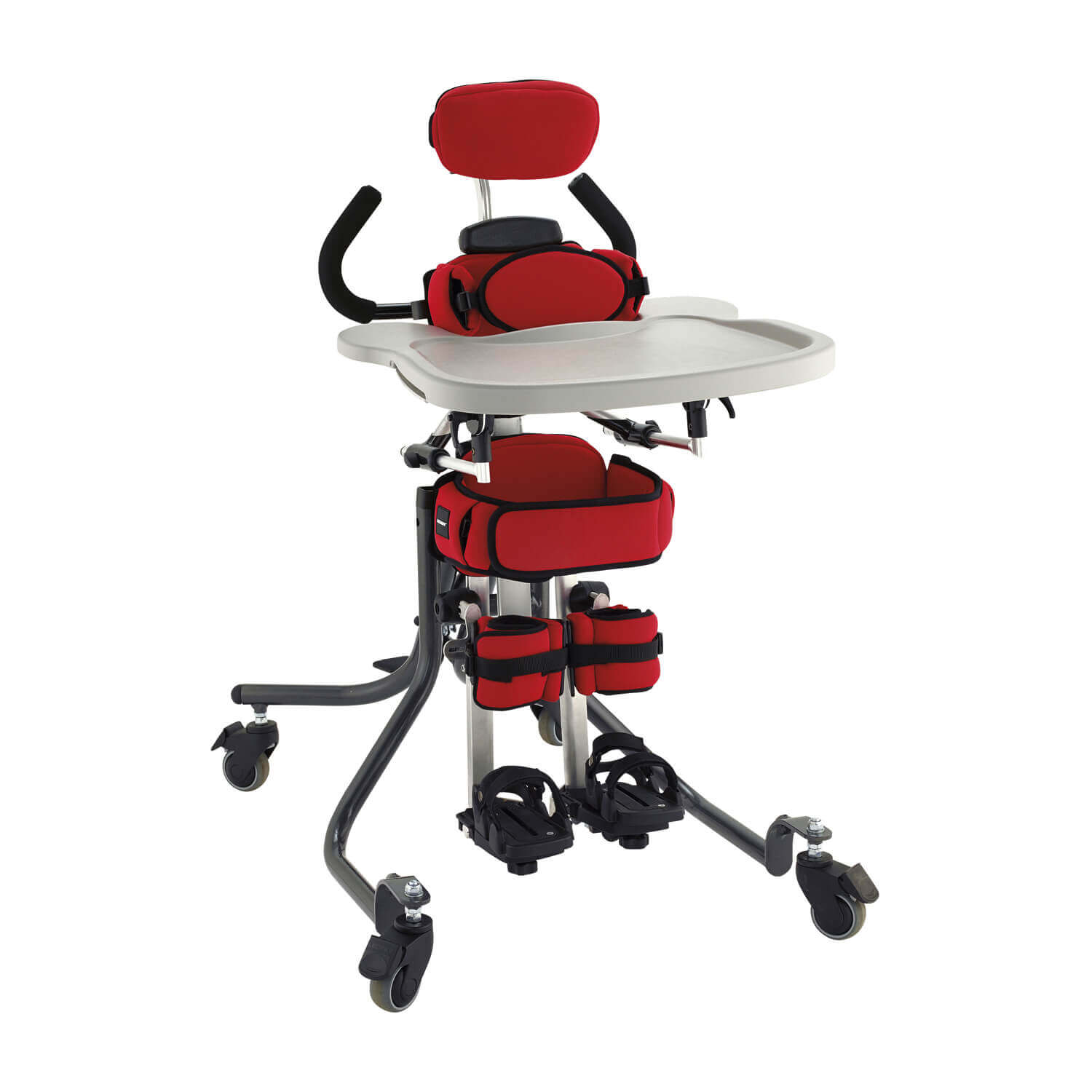
Standers8
See all 8 Standers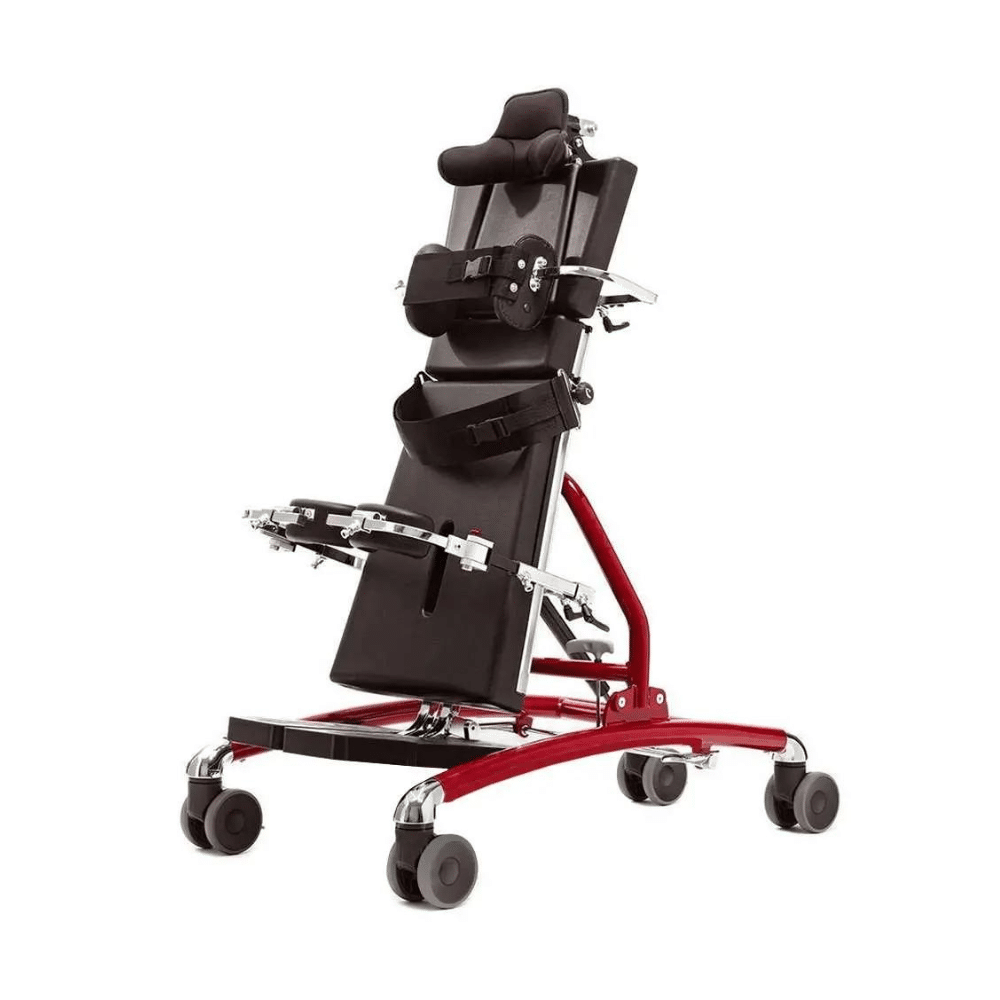
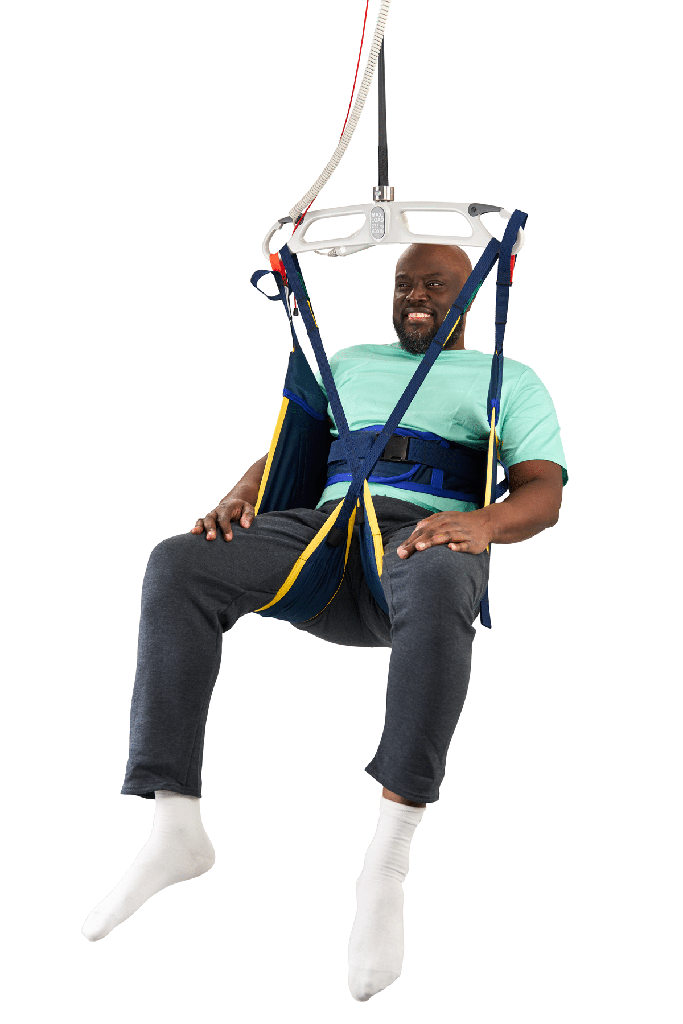
The lift is chosen once. The sling is chosen for the job.
People buy a lift and treat the sling as an accessory. It is the opposite: the sling is what touches the person, decides whether the transfer is comfortable, and determines whether it can be done at all for a given task.
A universal sling suits general transfers. Toileting slings open underneath. Divided leg slings are easier to apply to someone seated. Full body slings support the head for someone with no trunk control. Most households need two, not one.
Slings we fit
Four types, and the reason each exists. We will tell you which two you actually need.
Universal slings
The general purpose sling for bed to chair and back. If a household has one sling, it is usually this one.
Full body slings
Extends up behind the head and shoulders, for someone with little or no trunk and head control.
Divided leg slings
The leg sections pass separately under each thigh, which makes it far easier to apply to someone already sitting down.
Toileting slings
Open underneath so clothing can be managed while the person stays supported. Specifically for bathroom transfers.
Lifts we supply
Floor lifts and sit-to-stand models from the catalogue, with slings fitted to the lift and the person.
Hoyer Advance Professional Patient Lift
A compact electric floor lift for full sling transfers at home.
Hoyer Journey Sit to Stand Lift
For someone who can take some weight and grip a frame.
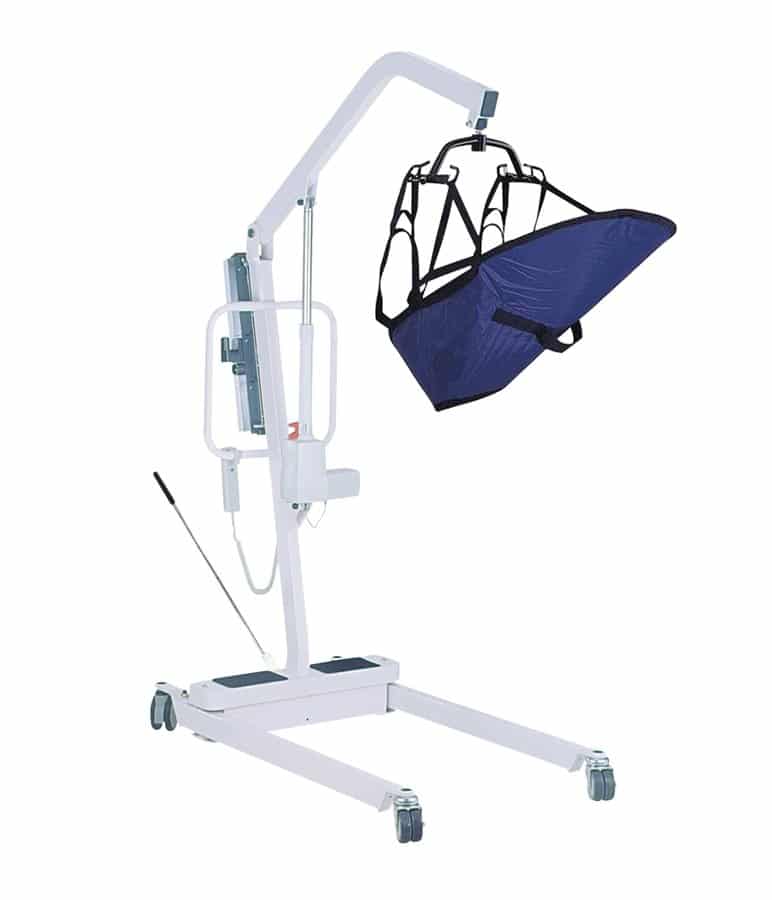
Drive Battery-Powered Patient Lift
A powered floor lift for everyday bed to chair transfers.
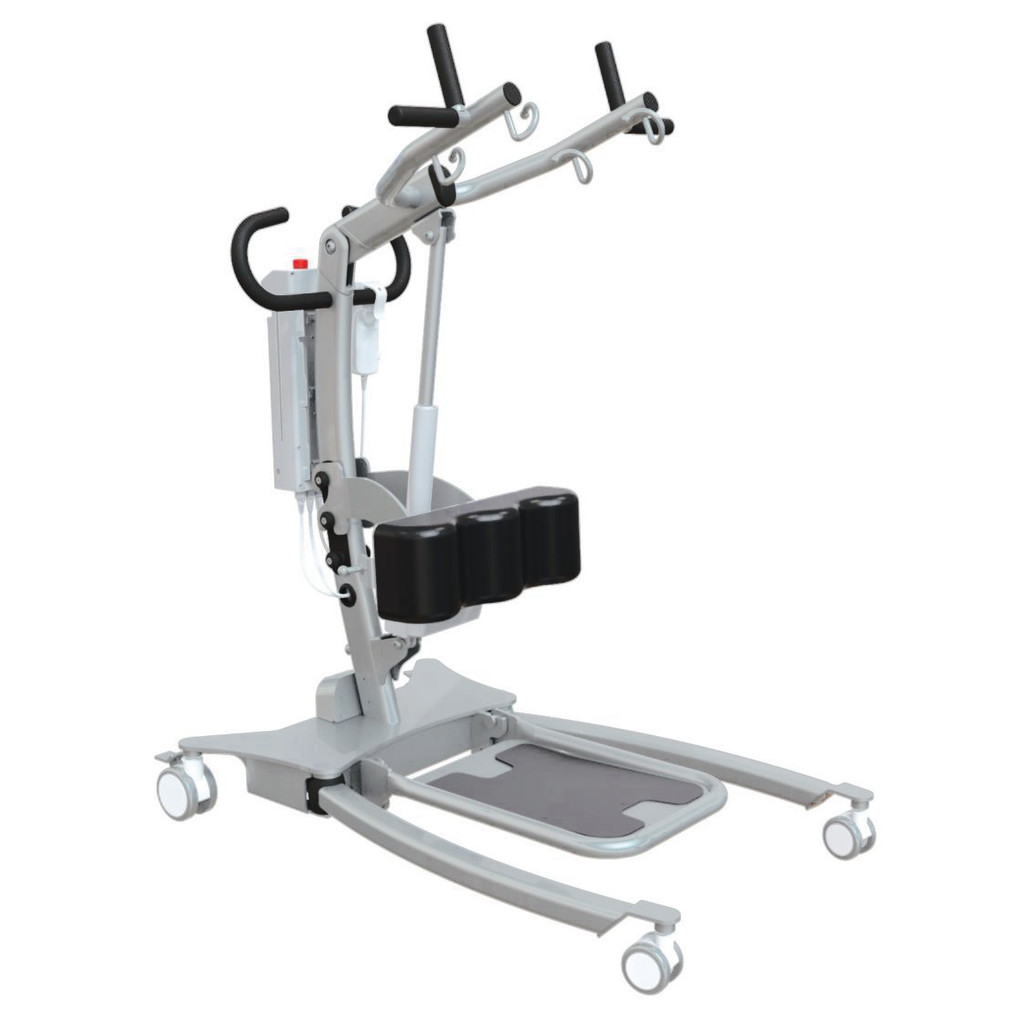
Drive Sit to Stand Lift
Raises a seated person to standing using the strength they still have.
Invacare Power Patient Lift with Low Base
Low base for clearance under beds, specified as a complete system.
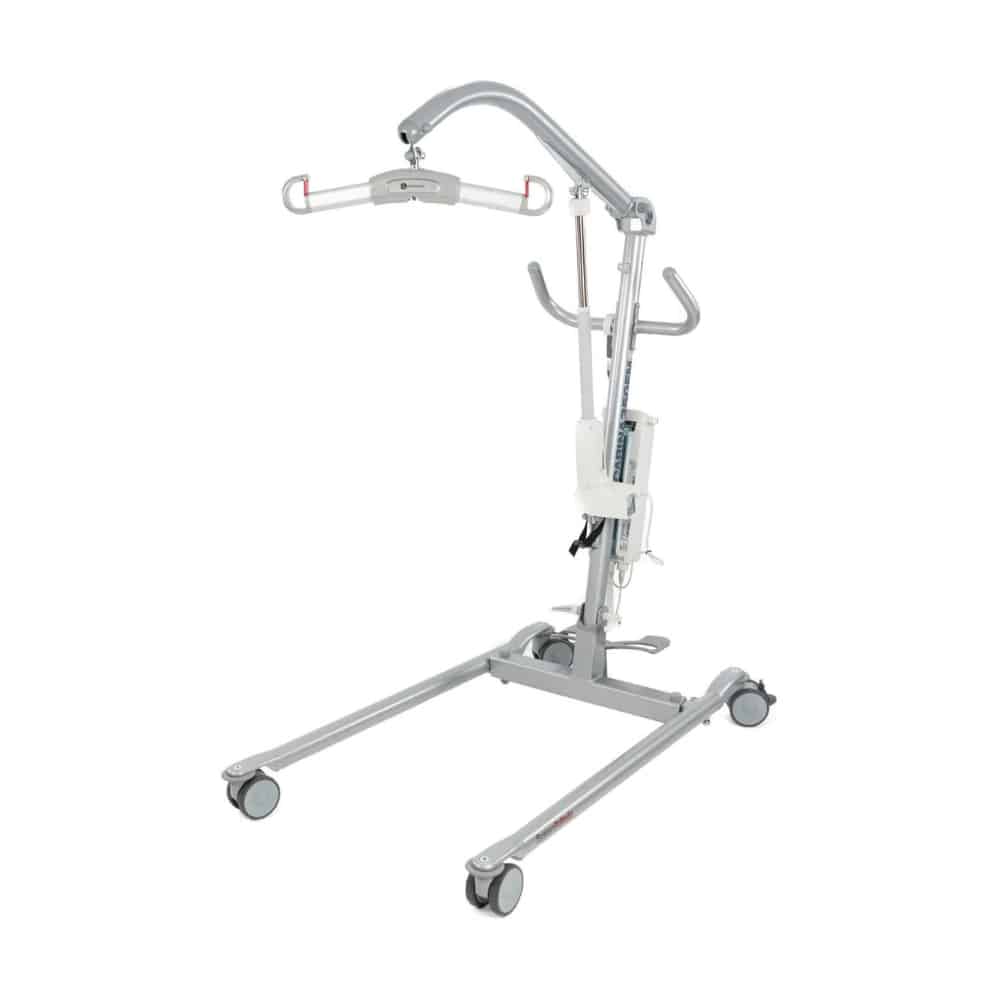
Handicare Carina 350 Electric Patient Lift
A homecare floor lift we deliver, set up and demonstrate.
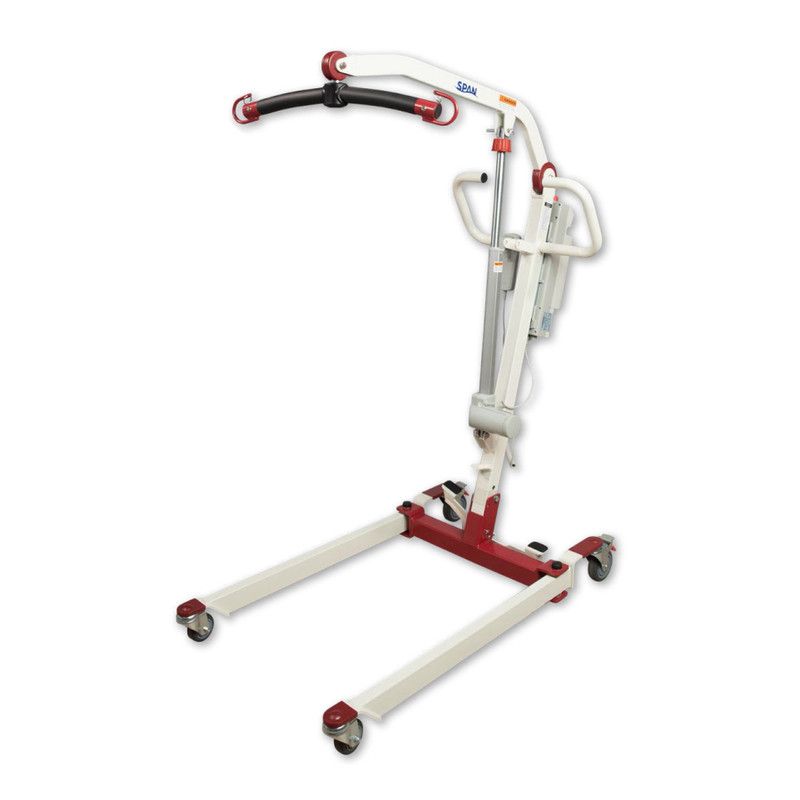
Span America F400 Foldable Patient Lift
Folds for storage or travel between rooms when space is tight.
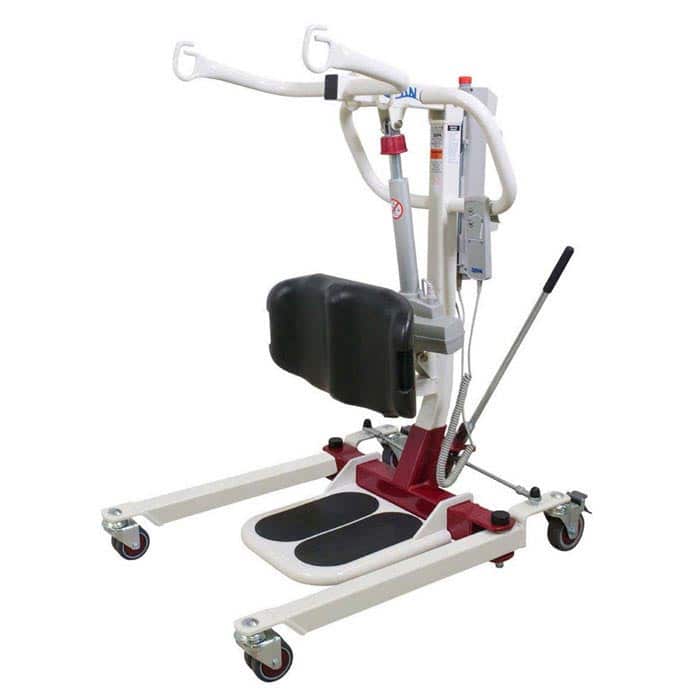
Span America F500S Sit to Stand Lift
Powered sit-to-stand for partial weight-bearing transfers.
Not an ADP item, but funding often exists.
Patient lifts are not covered by Ontario's Assistive Devices Program. The federal Home Accessibility Tax Credit when CRA eligibility rules fit, March of Dimes HVMP, ODSP, WSIB and Veterans Affairs are the usual routes, and we help complete those applications.
If none of those apply, renting is usually the sensible route while the situation settles. We will confirm what you actually pay in writing before anything is ordered.
You need it now
Renting is usually the right first move, because it arrives fast, includes slings sized to the person, and can be swapped if the situation changes. We demonstrate a full transfer before leaving.
Book an assessment →You want funding
ADP does not cover patient lifts. The federal Home Accessibility Tax Credit when CRA eligibility rules fit, March of Dimes HVMP, ODSP, WSIB and Veterans Affairs are the usual routes. We complete those applications with you.
See how funding works →There is no money for this
Say so. A rental costs far less than people assume, we sometimes hold refurbished lifts, and the diagnosis-specific charities are worth a call. Do not carry on lifting by hand because of cost.
Talk to us honestly →Questions we get asked about patient lifts
If yours is not here, call us on 905 451-7743. A person answers during business hours.
What is a Hoyer lift?
Hoyer is a brand name that has become the common term for an electric floor patient lift, in the same way people say Kleenex for tissues. When someone asks for a Hoyer lift they usually mean a wheeled floor lift with a powered mast and a sling. We carry Hoyer among several manufacturers.
Can one person use a patient lift alone?
Most electric floor lifts are designed for a single carer, and that matters enormously in practice, because it decides whether a transfer can happen when it is needed rather than when a second person is available. We demonstrate a full transfer with whoever will be doing it before we leave.
Should I get a floor lift or a sit-to-stand lift?
It depends on whether the person can take any weight through their legs and grip a frame. If they can, a sit-to-stand lift is quicker, uses the strength they have and helps maintain it. If they cannot bear weight at all, it has to be a full floor lift with a sling. A sit-to-stand lift used by someone who cannot hold on is dangerous.
Which sling do I need?
Usually two. A universal or divided leg sling for general bed to chair transfers, and a toileting sling if bathroom transfers are part of the day. The sling has to be rated and compatible with your specific lift, and sized to the person. We fit them rather than selling by size chart.
Will it fit under my bed and around the furniture?
That is what the assessment checks. A floor lift needs clearance under the bed for its legs and enough floor space to manoeuvre with someone suspended. Where a room is too tight, a ceiling track lift solves it because nothing stands on the floor.
Can I rent a patient lift?
Yes, and for a short or uncertain need it is usually the right call. We rent lifts across the GTA, deliver and demonstrate them, and collect when you are done. Slings are supplied with the rental and sized to the person.
Does ADP cover a patient lift?
No. The Assistive Devices Program does not cover patient lifts. The federal Home Accessibility Tax Credit when CRA eligibility rules fit, March of Dimes HVMP, ODSP, WSIB and Veterans Affairs are the usual routes. We help with the applications and confirm what you actually pay in writing.
How do I know it is safe to use?
Every lift has a rated capacity and every sling has one too, and the lower of the two governs. We confirm both against the person's weight, demonstrate a complete transfer with the carer, and check the sling for wear at service visits. Sling fabric degrades with washing and should be inspected regularly.
How often should slings be replaced?
There is no fixed interval, because it depends on how often they are washed and at what temperature. What matters is inspecting them: fraying at the edges, stretched stitching or thinning fabric anywhere near a loop means it comes out of service that day. We check them at every visit.
What happens in a power cut?
Electric lifts run on a rechargeable battery rather than mains power during use, so a power cut does not strand anyone mid-transfer. There is also a mechanical emergency lowering function, which we show you when we deliver.
Can a lift get someone up off the floor?
A floor lift can, and it is one of the main reasons to have one. The legs slide under and around the person and the sling is worked underneath them. A sit-to-stand lift cannot do this. If falls are a real risk, mention it, because it changes the recommendation.
Do you train the family to use it?
Yes, and we will not leave until whoever is doing the transfers has done one themselves with us watching. Reading a manual is not the same thing, and a lift used incorrectly is worse than no lift.
You might also be looking at
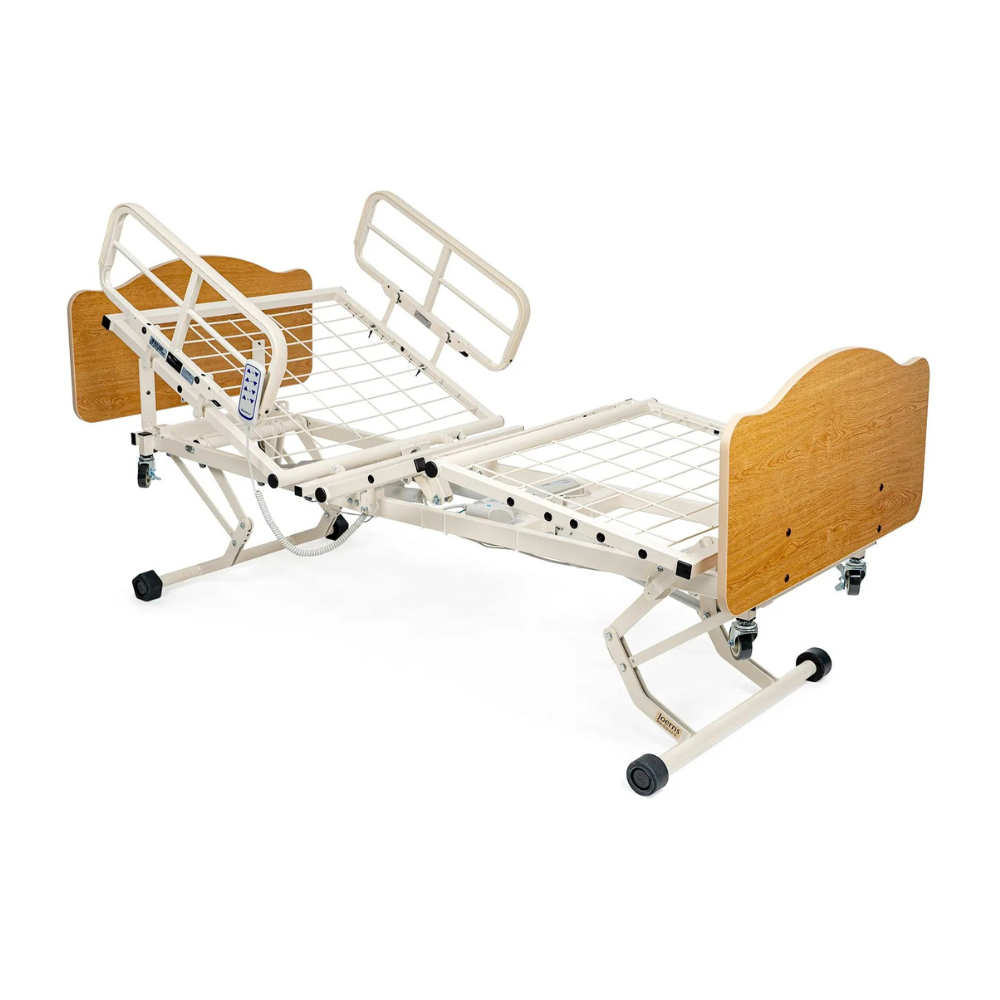

Book a free transfer assessment
We watch how the transfer happens now, measure the room, and recommend the lift and slings that fit both the person and the space. No charge for the visit.