

Batteries
The most common reason a scooter stops working, and the most predictable.
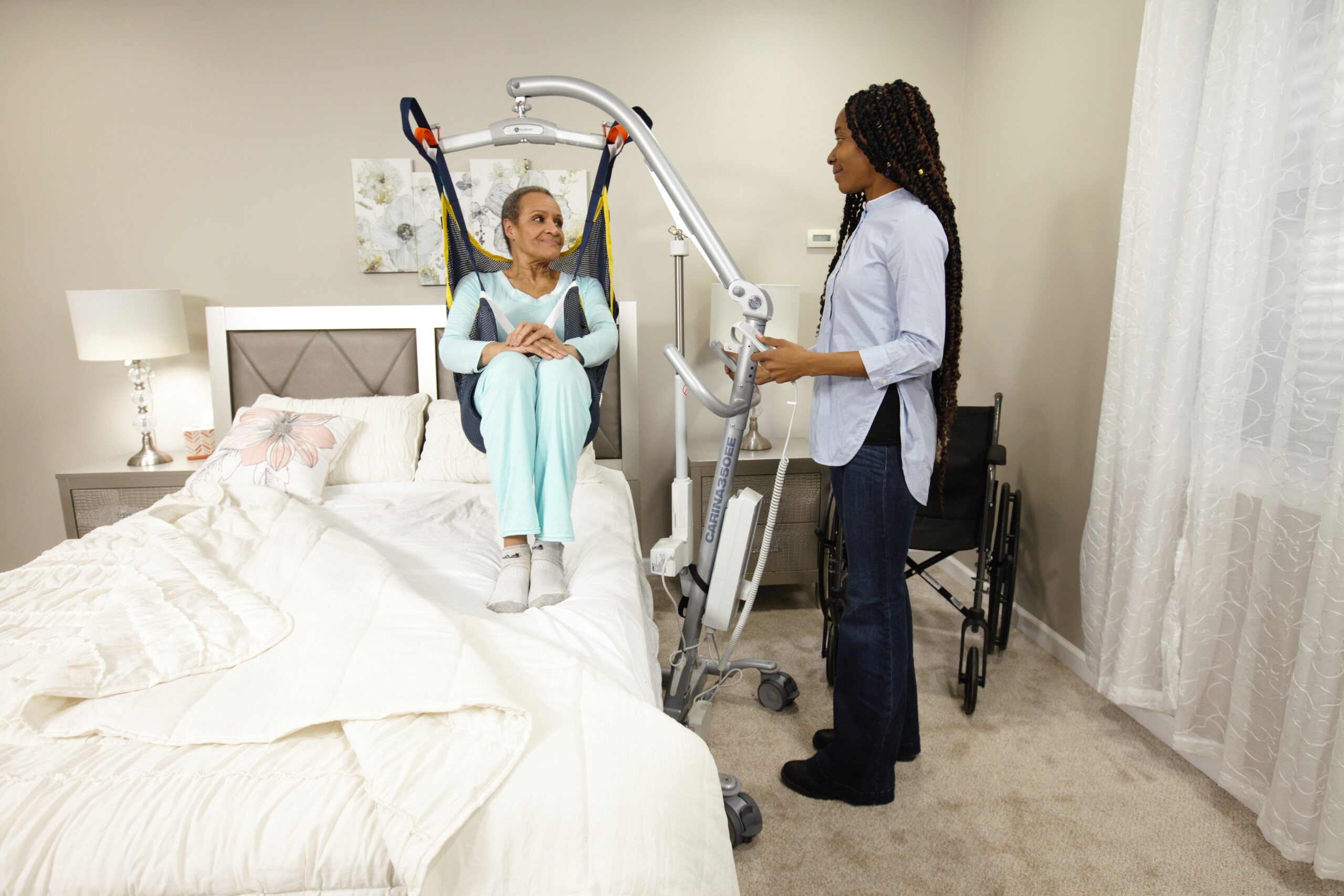
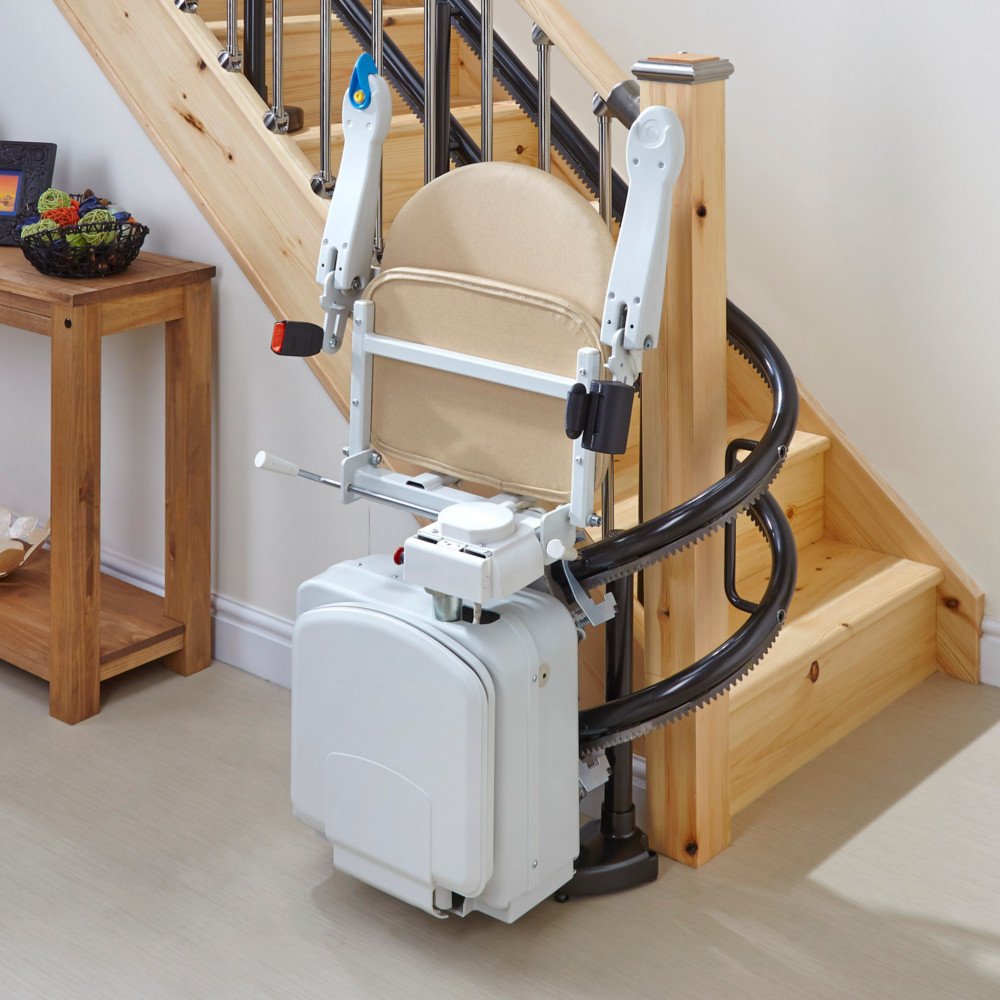
Replacement batteries for scooters, powerchairs, stairlifts and patient lifts. Fitted in the showroom or at your home, always in pairs, with the old ones recycled properly.

Is it the batteries, or something else?
Before you buy anything, it is worth working out what is actually wrong. Three questions usually tell us, and sometimes the answer is not batteries at all.
What is the equipment doing?
ADP explicitly does not cover repair costs, and most programs fund the original device rather than its consumables. WSIB and Veterans Affairs are the common exceptions and often do cover ongoing maintenance including batteries.
Replace them in pairs, and charge after every use.
Mobility equipment runs two batteries in series. Replacing one and keeping the other is a false economy, because the old one drags the new one down to its own state of health within weeks and you end up buying twice. They are matched at manufacture and they should be replaced together.
The other rule is charging. Sealed lead acid batteries prefer to live topped up, so charge after every use rather than waiting until the gauge is low. Deep discharging is what shortens their life, and leaving equipment uncharged over a Canadian winter is what kills batteries outright.
Always both, never one
A new battery paired with an old one is dragged down to the old one's condition. You will replace both within months anyway.
After every use, not when flat
Sealed lead acid batteries prefer to sit charged. Deep discharge cycles are what shorten their life.
Cold cuts range noticeably
Expect less distance in February than in July, and never store equipment uncharged over winter.
Range drops before it dies
A scooter that used to do the round trip and now does not is telling you the batteries are near the end, not that you imagined it.
Three kinds, and which yours takes.
Bring the old battery or the equipment model number. Guessing from a photograph is how people order the wrong size.
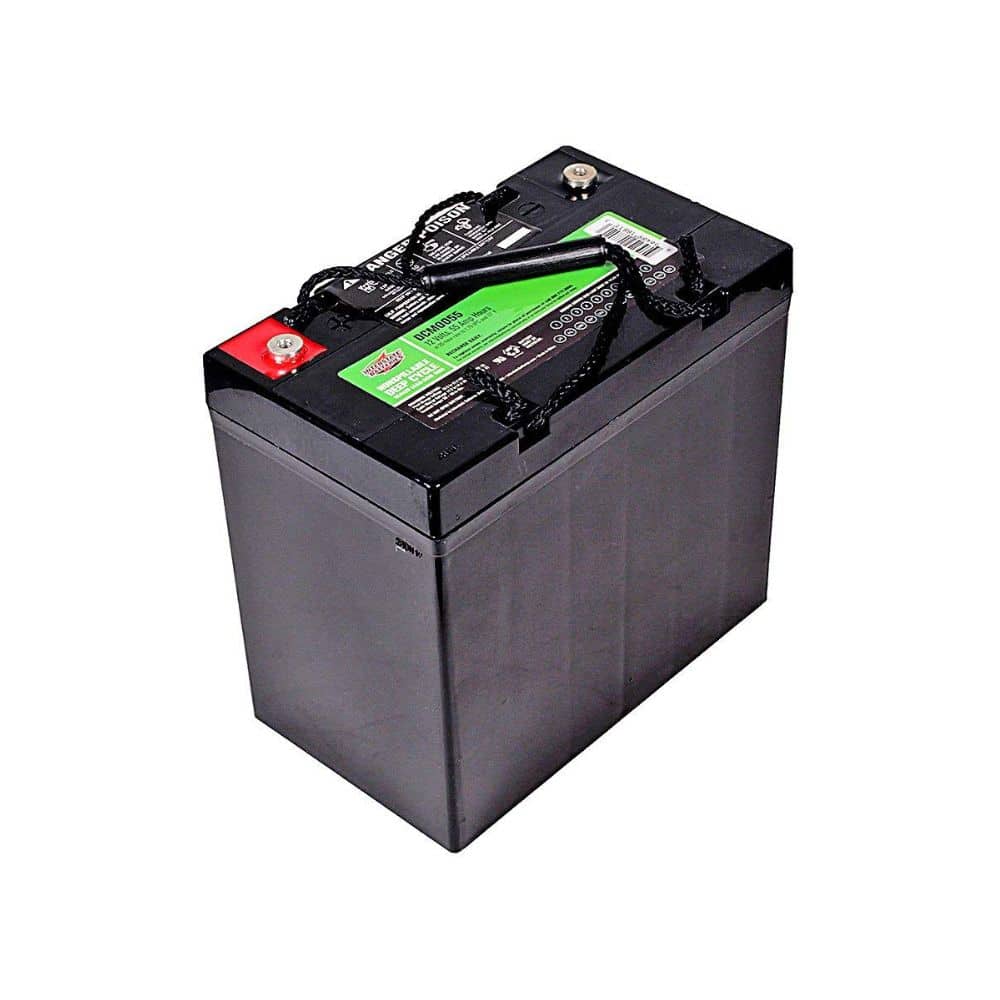
Absorbed glass mat. Sealed, spill proof, airline approved in most cases and the standard fitment for most scooters and powerchairs.
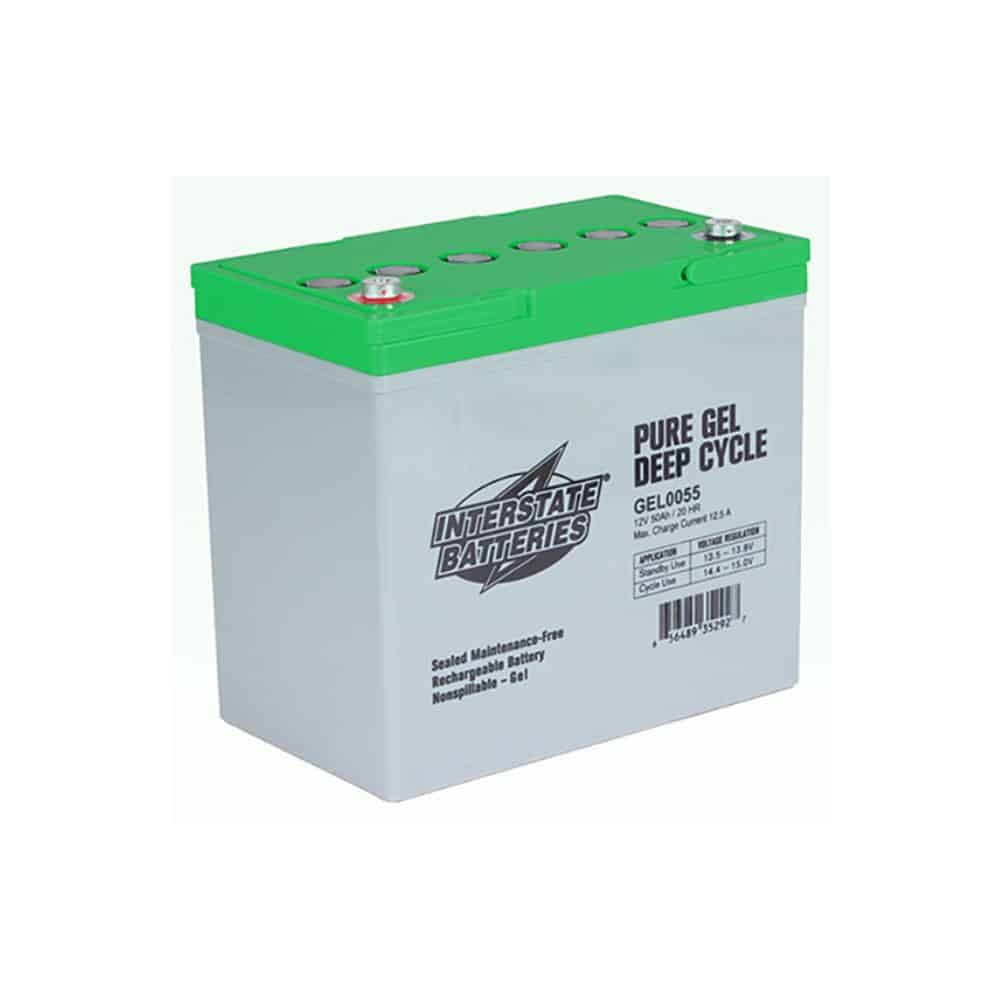
Gel electrolyte, tolerates deep discharge better and copes with temperature swings. Often specified for heavy daily use.
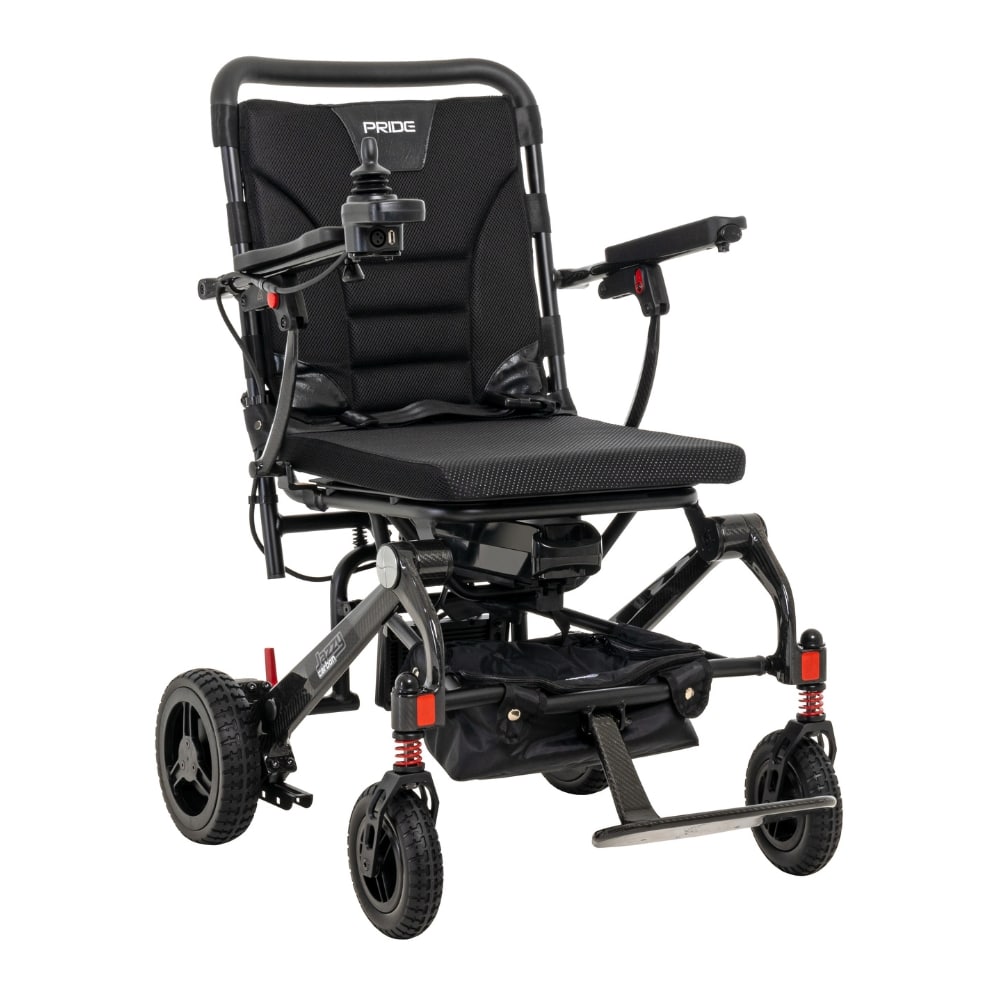
Much lighter and longer lived, fitted to folding and travel equipment where weight is the whole point.
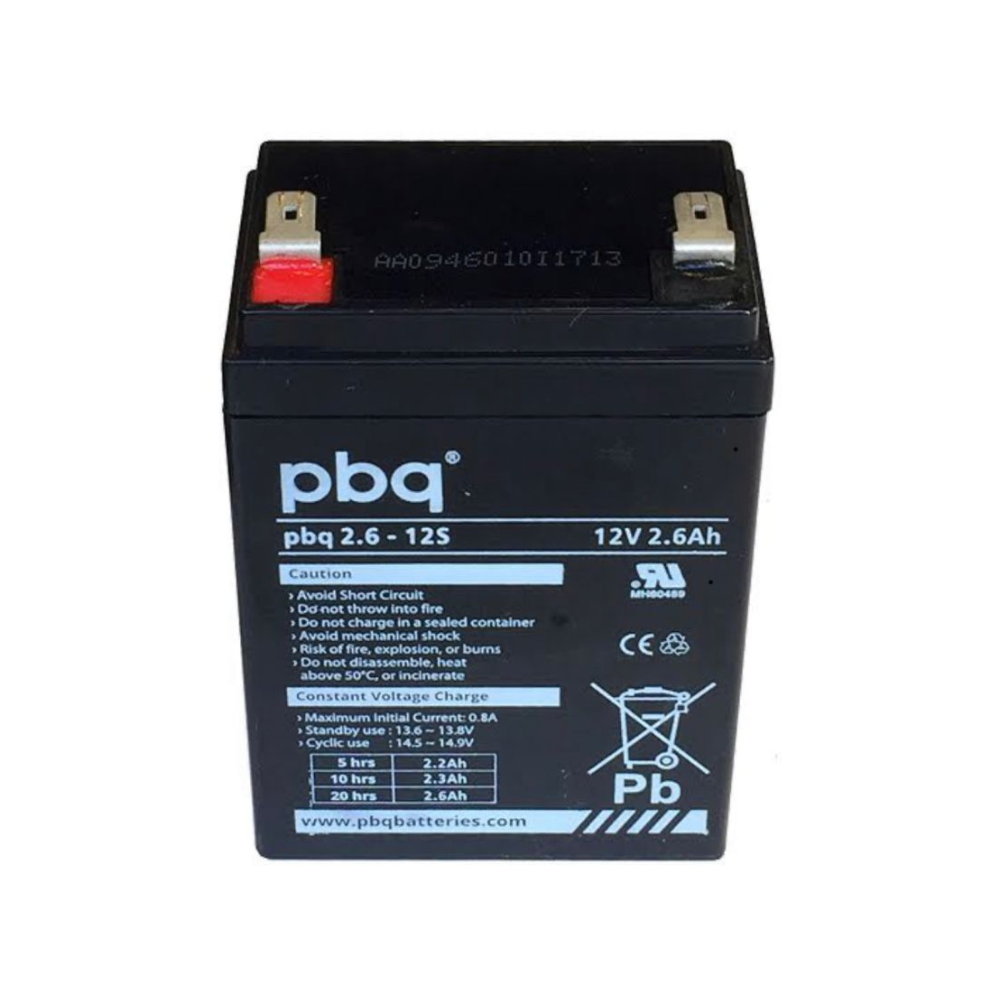
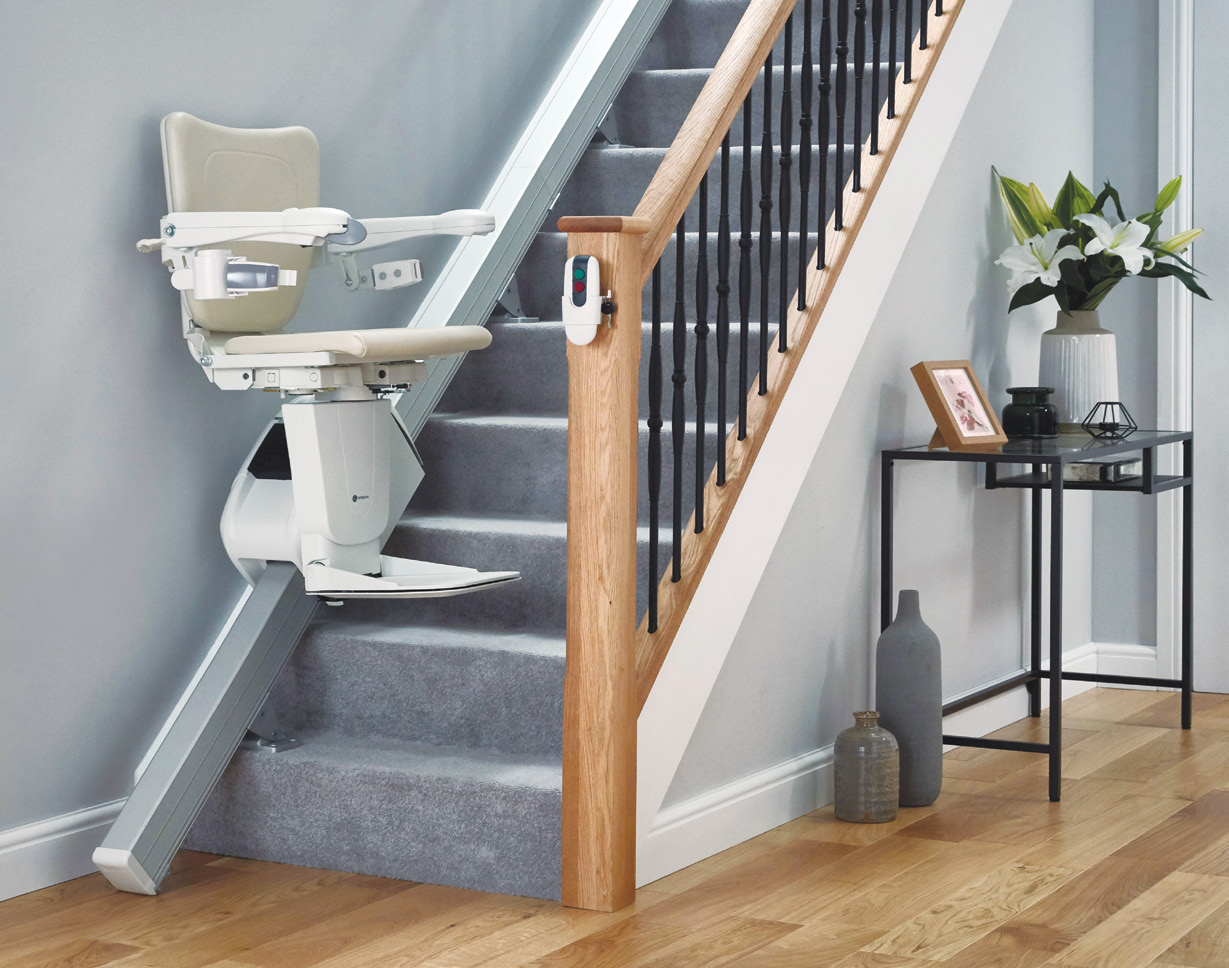
Small batteries in stairlifts, lift chairs and patient lifts that keep them working in a power cut. Easy to forget until the power goes.
Shop batteries by type
Everything we have published, grouped the way people ask for it. The counts come straight from the catalogue, so new stock shows up here on its own.
Scooter Batteries20
See all 20 Scooter Batteries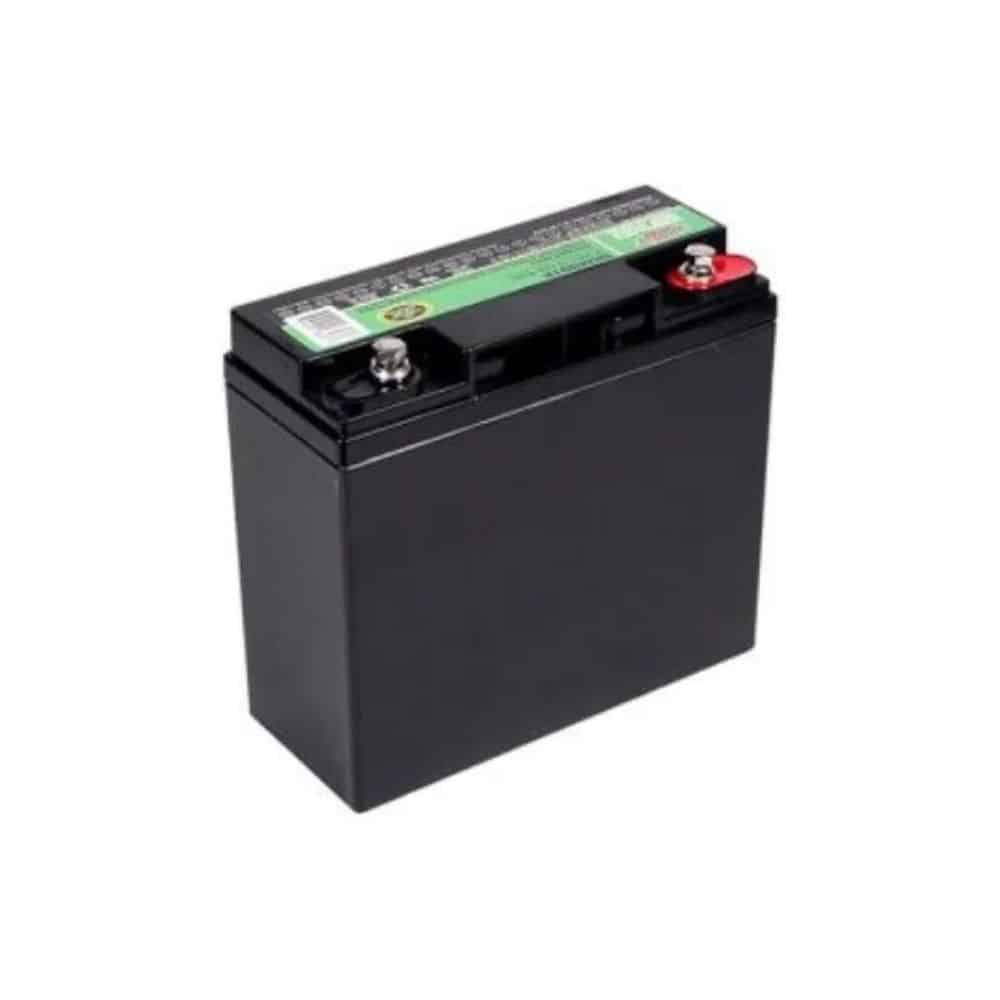
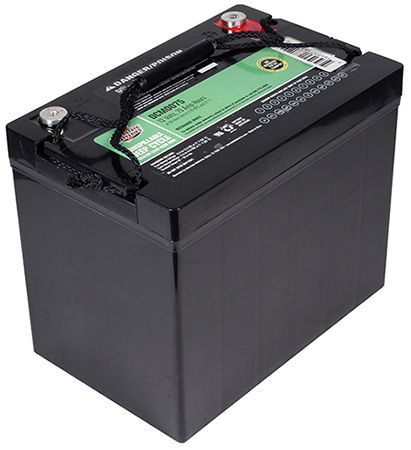
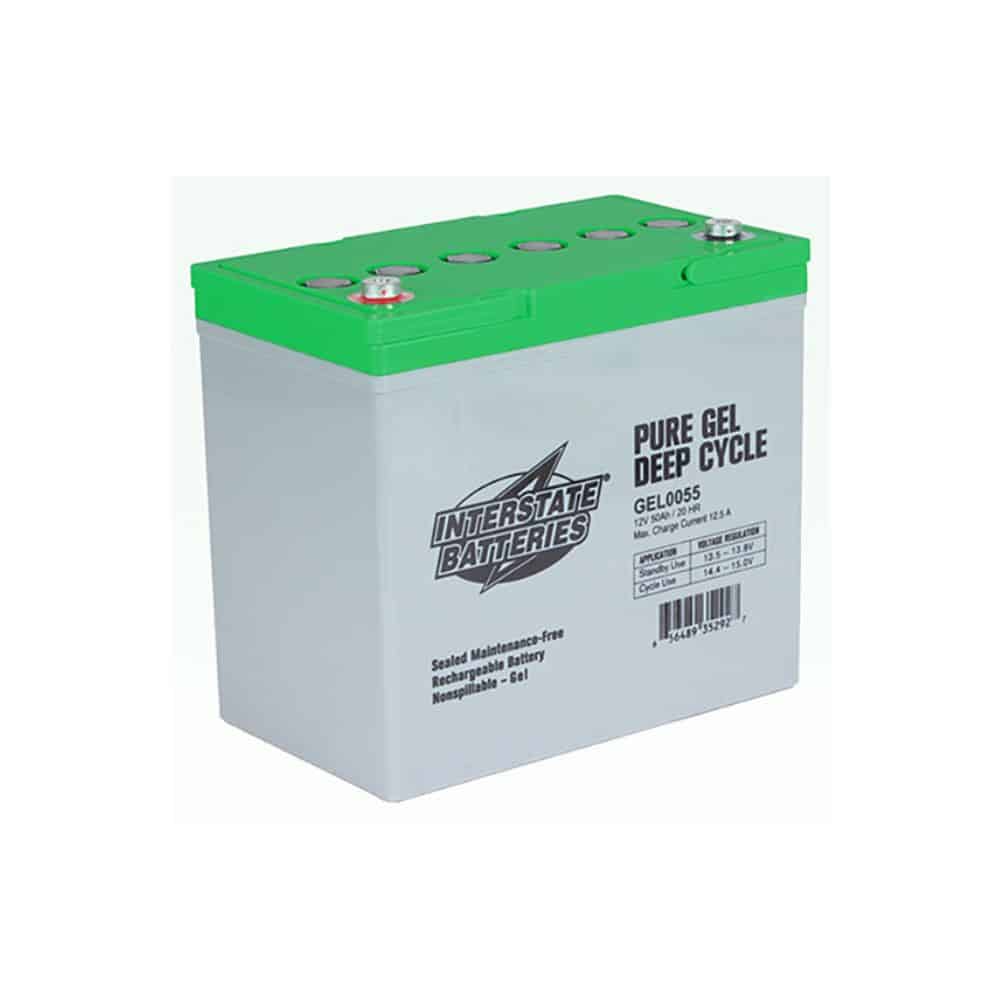
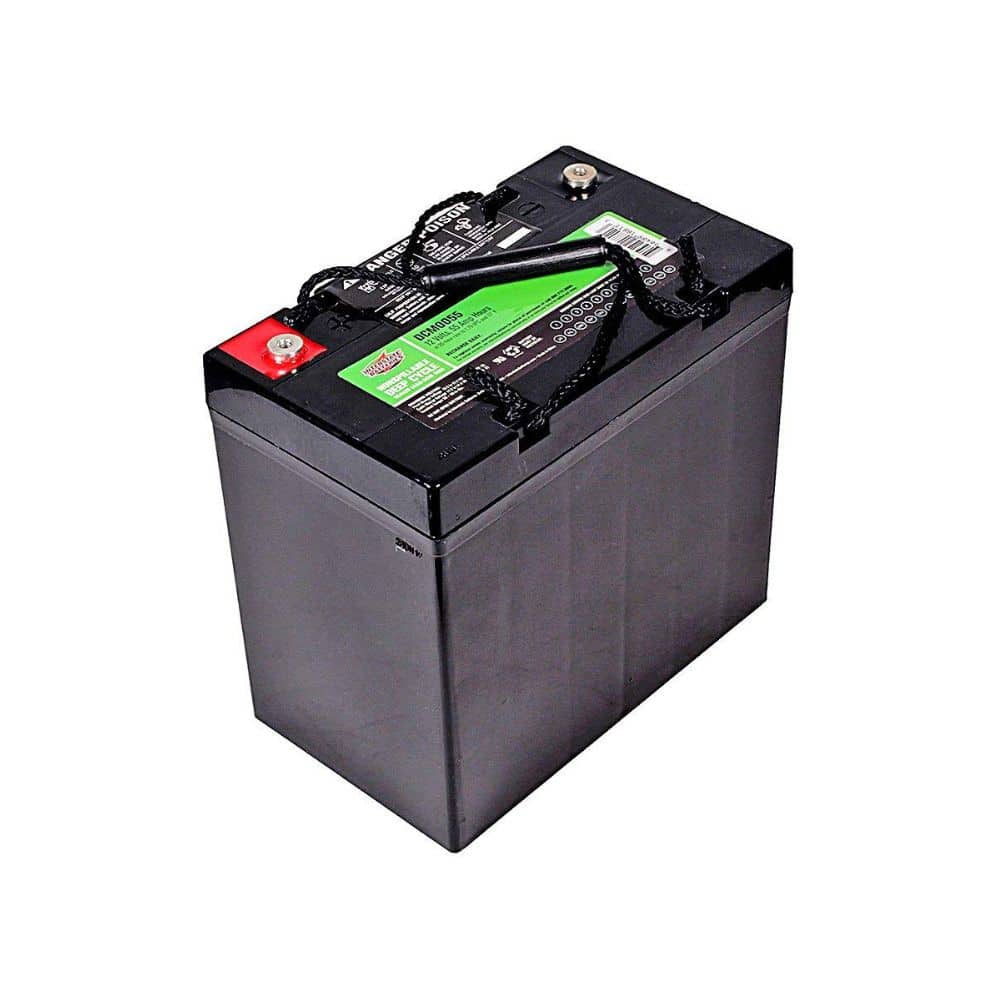
Powerchair Batteries14
See all 14 Powerchair Batteries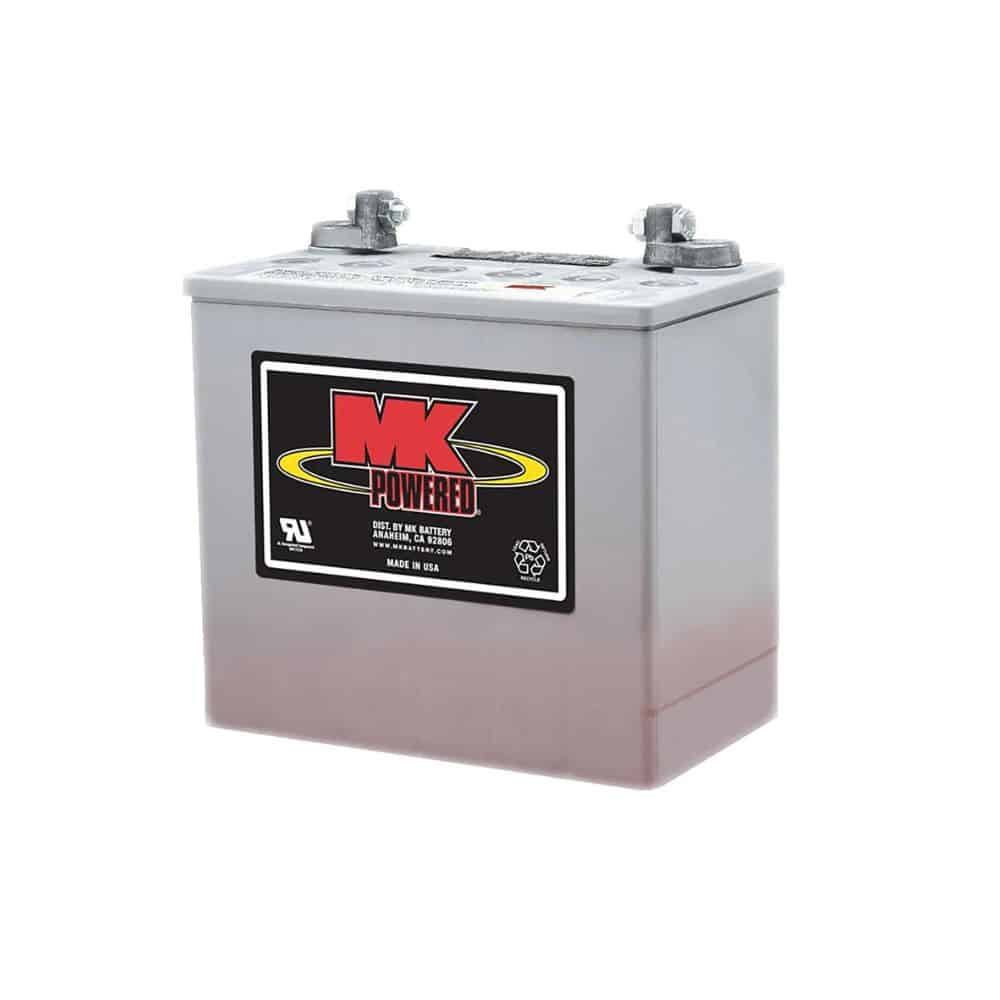
Stairlift Batteries4
See all 4 Stairlift Batteries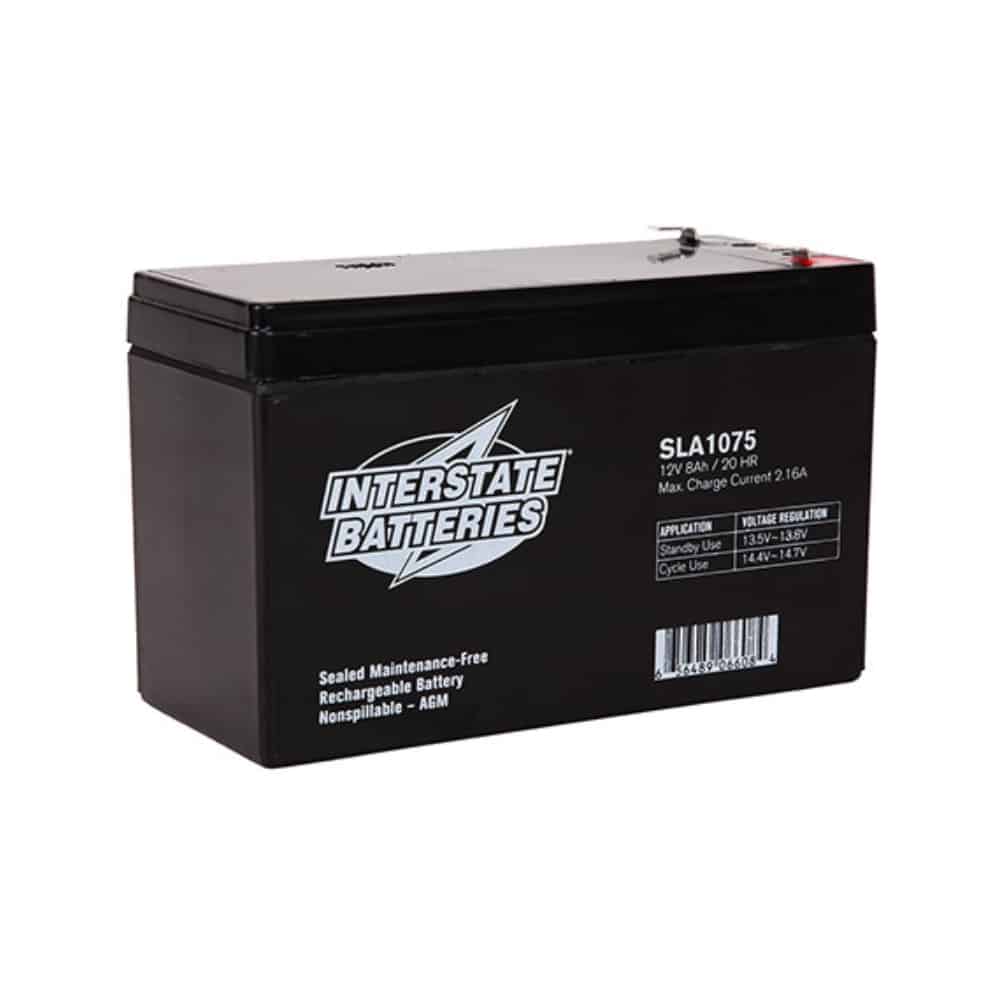
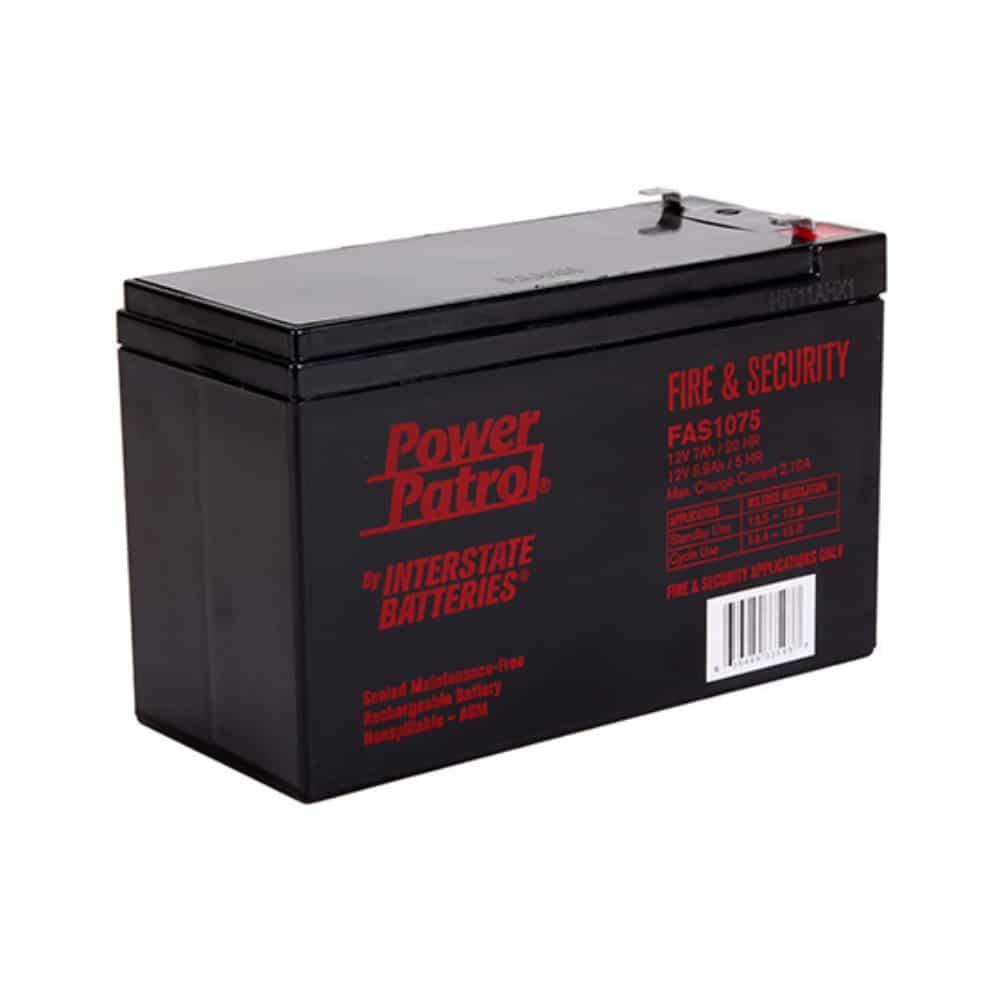
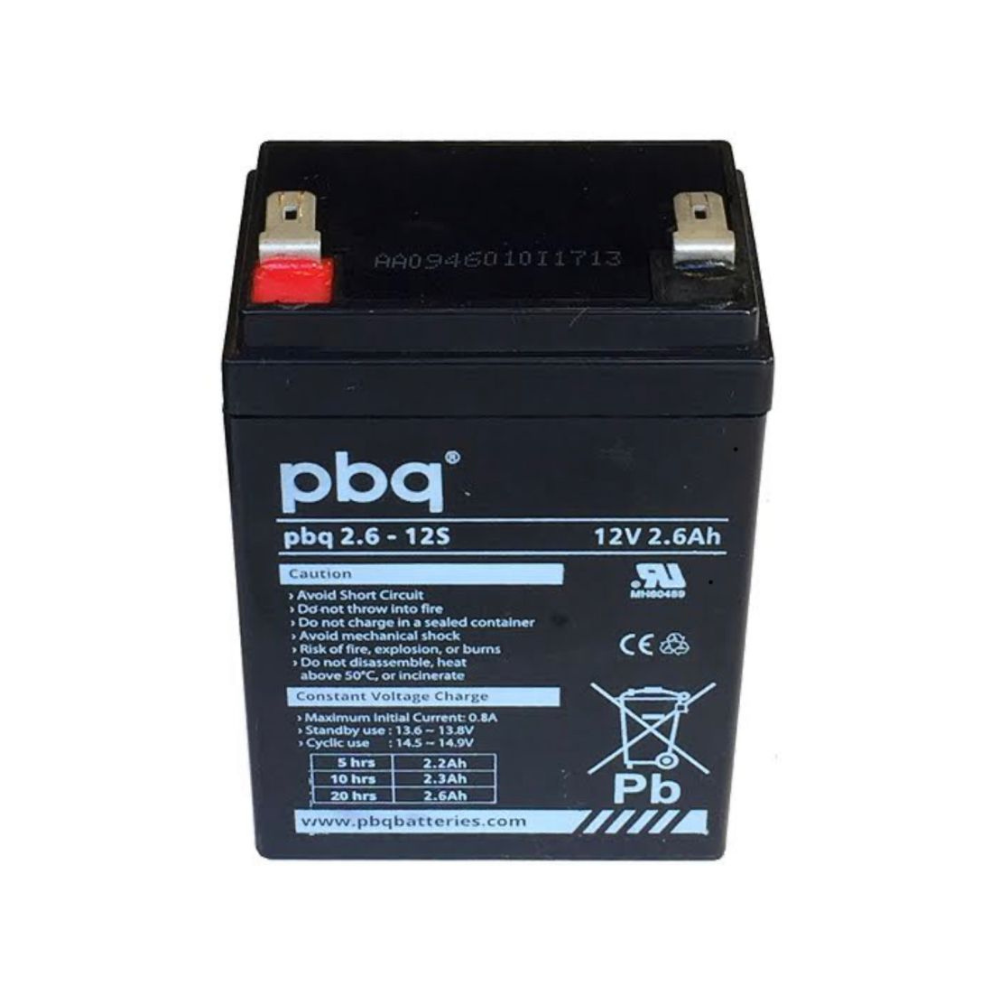
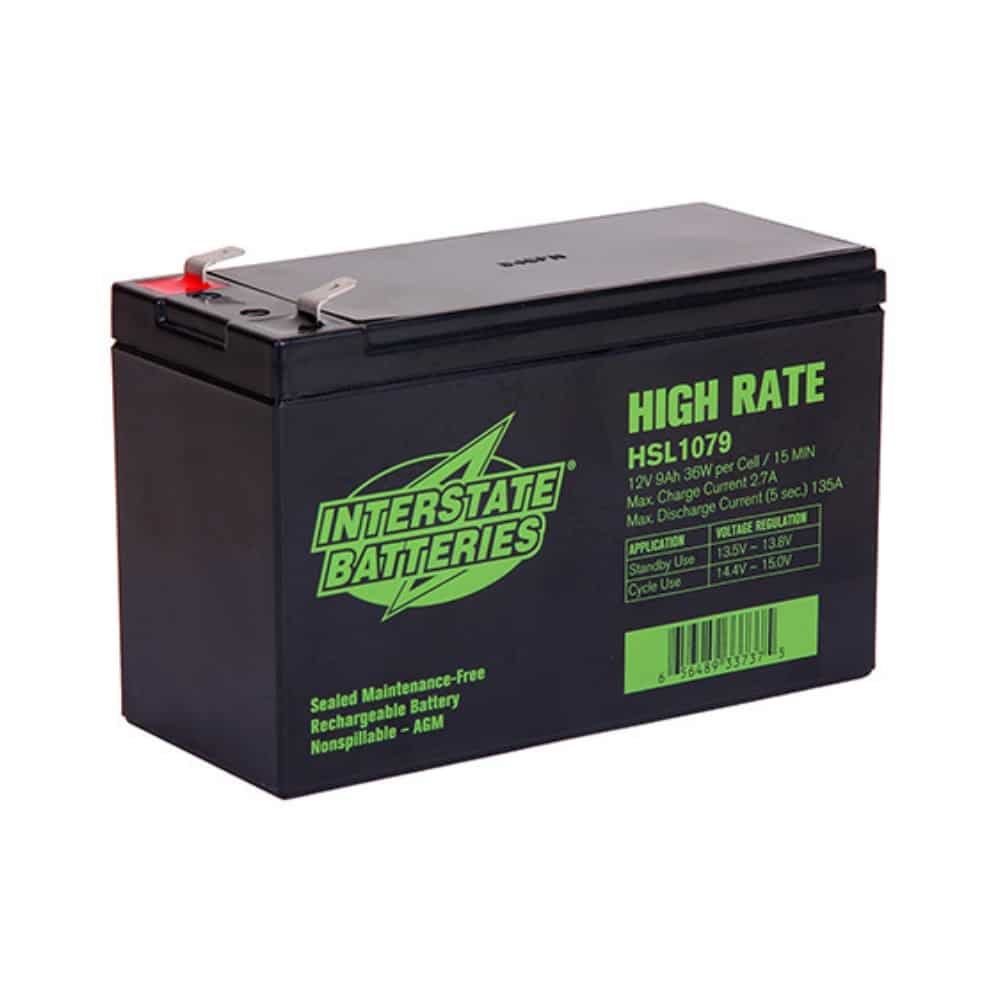
AGM Batteries8
See all 8 AGM Batteries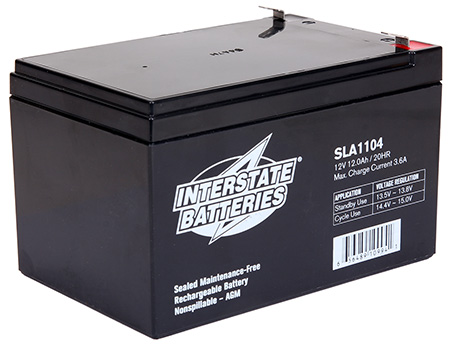
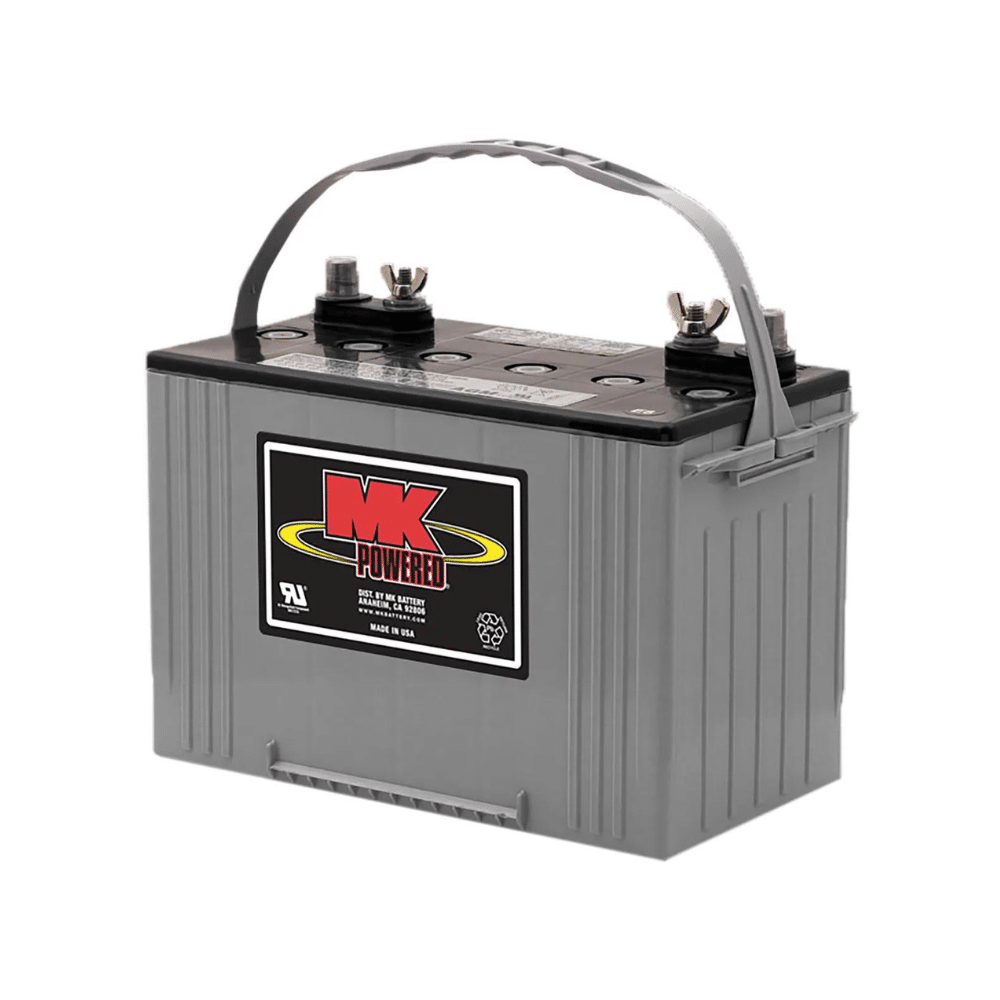
SLA Batteries3
See all 3 SLA Batteries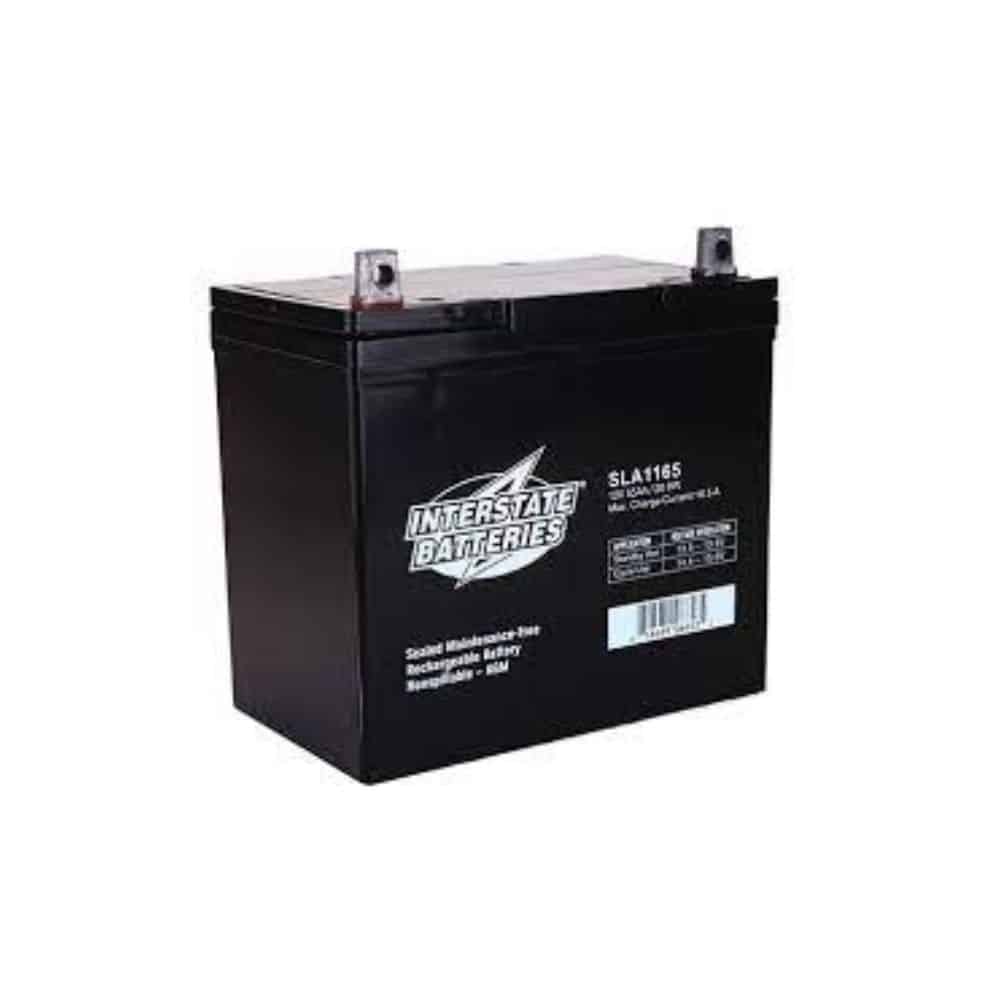
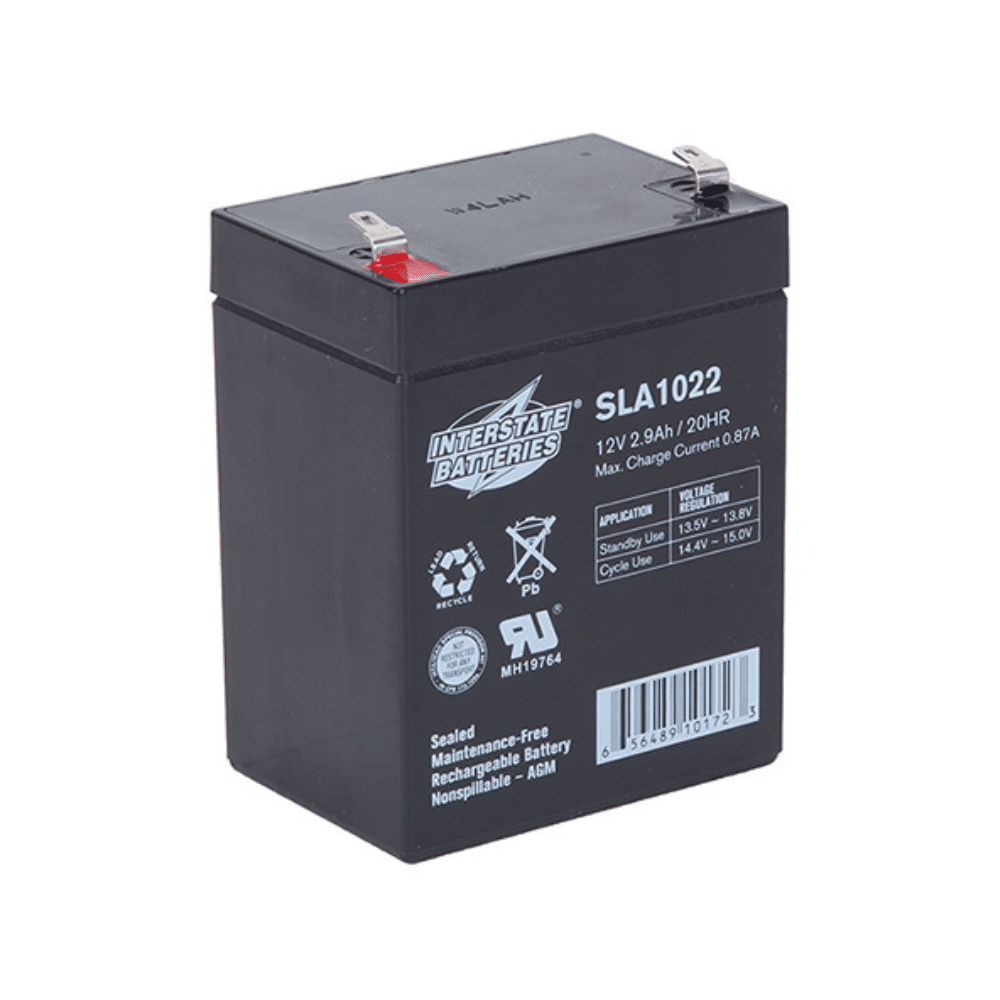
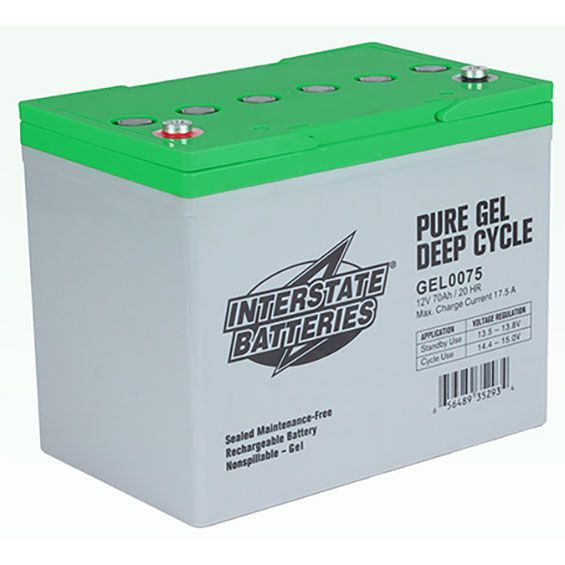
GEL Batteries5
See all 5 GEL Batteries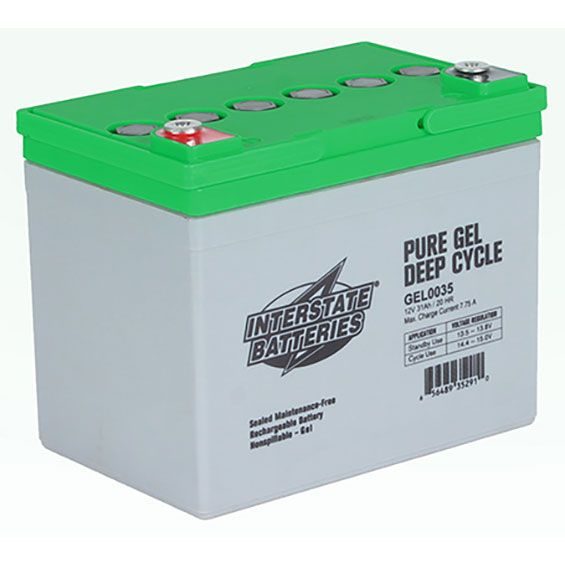
Scooter Battery Charger1
See all 1 Scooter Battery Charger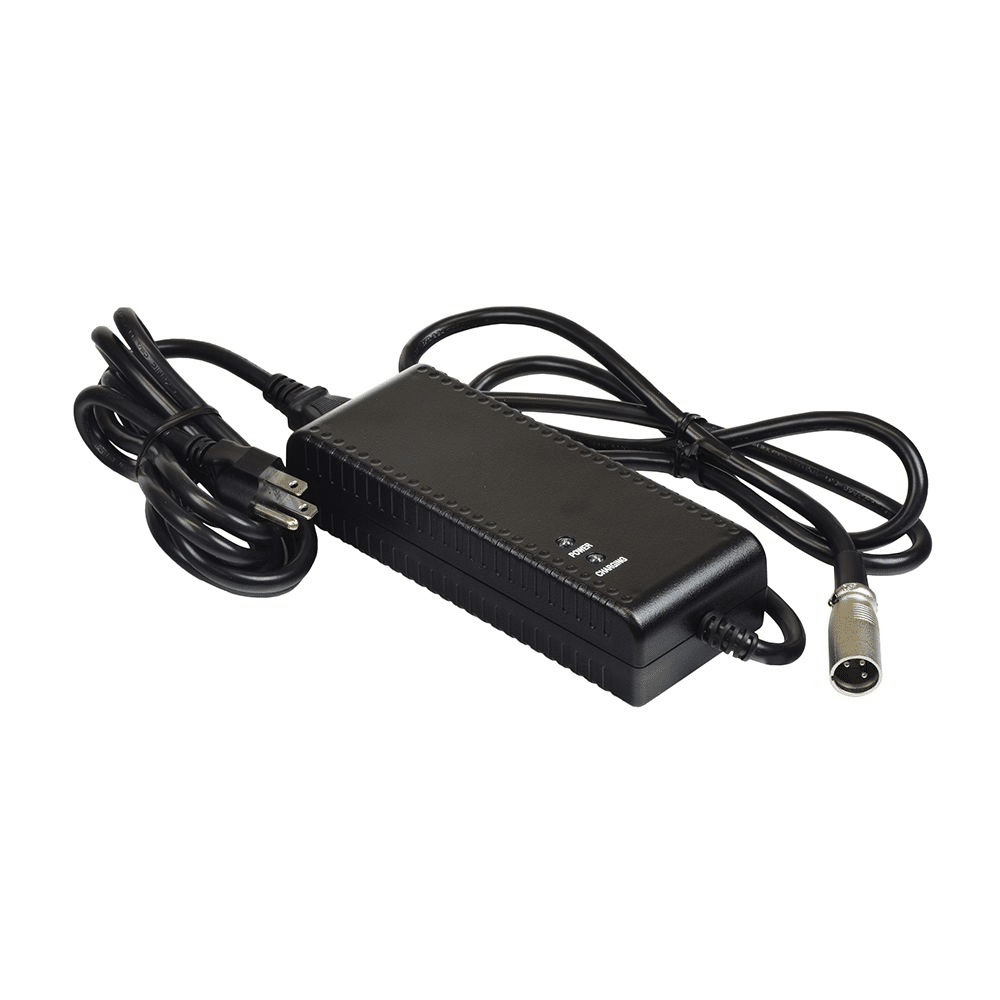

Bring the old one, or the model number.
Battery sizing is not just voltage and capacity. Terminal type, terminal orientation, physical dimensions and tray fit all matter, and a battery that is right electrically but a centimetre too tall will not go in.
The quickest route is to bring the old battery into Brampton, or to ring with the equipment make and model. If the equipment cannot travel, tell us and we will bring batteries to you and fit them at your home.
What else we hold
The consumable parts that keep equipment running, and that people assume mean a new machine.
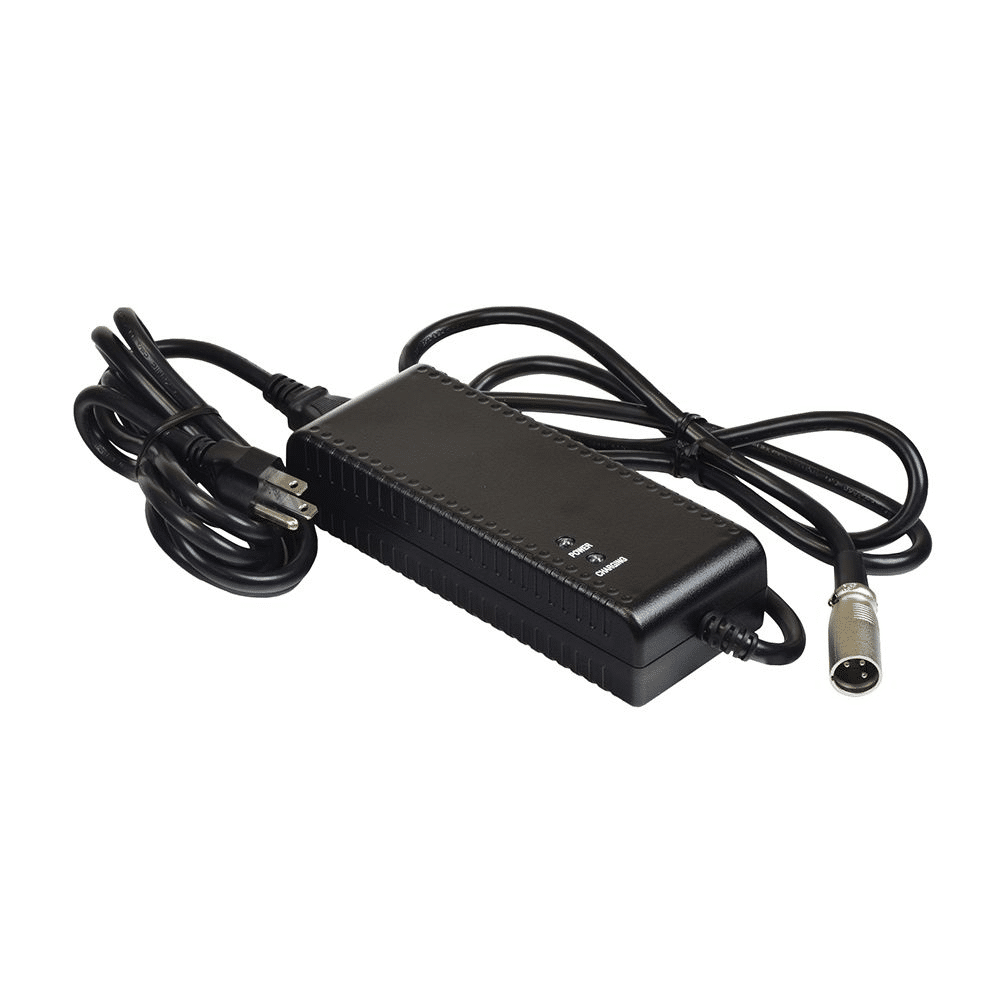
Chargers
Replacement chargers matched to the battery chemistry. Using the wrong charger on gel or lithium batteries damages them over time.
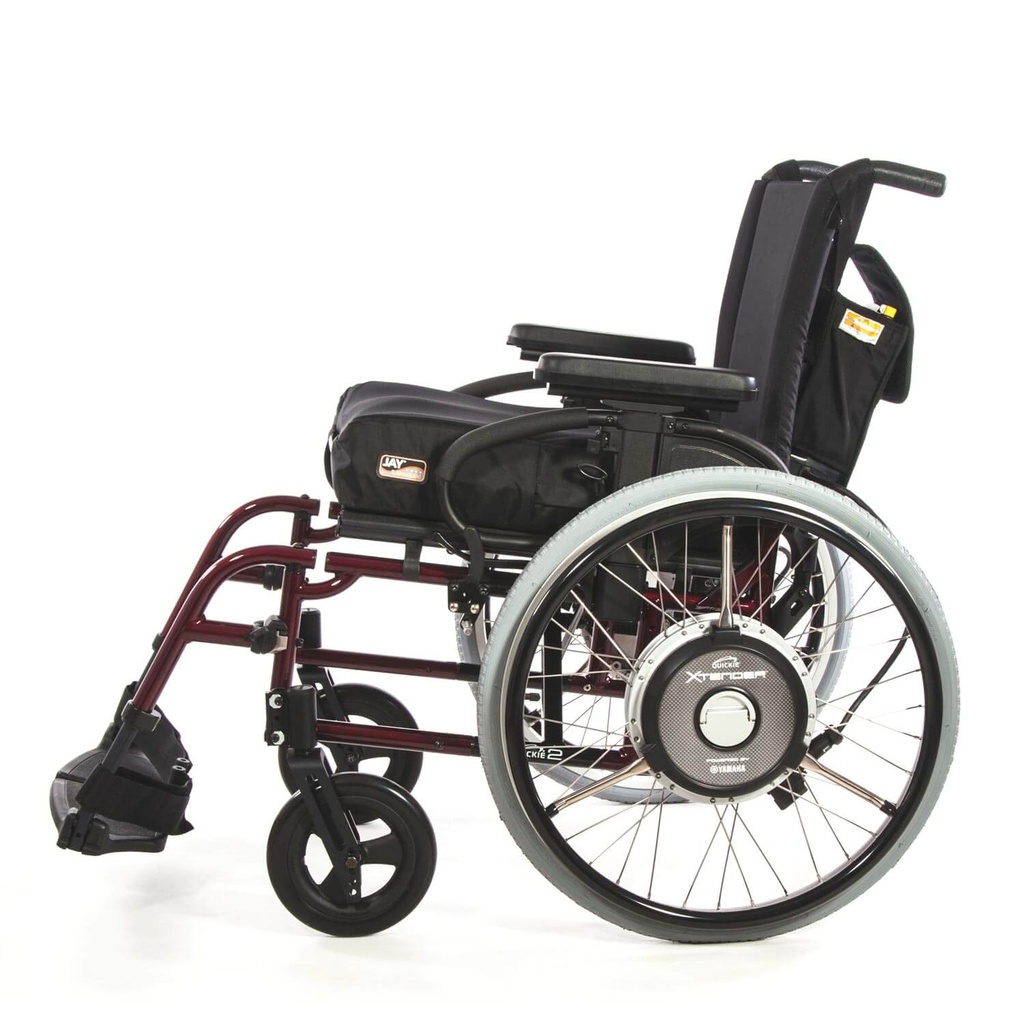
Tyres and castors
Solid and pneumatic tyres for scooters and wheelchairs, and replacement castors that transform how a chair rolls.
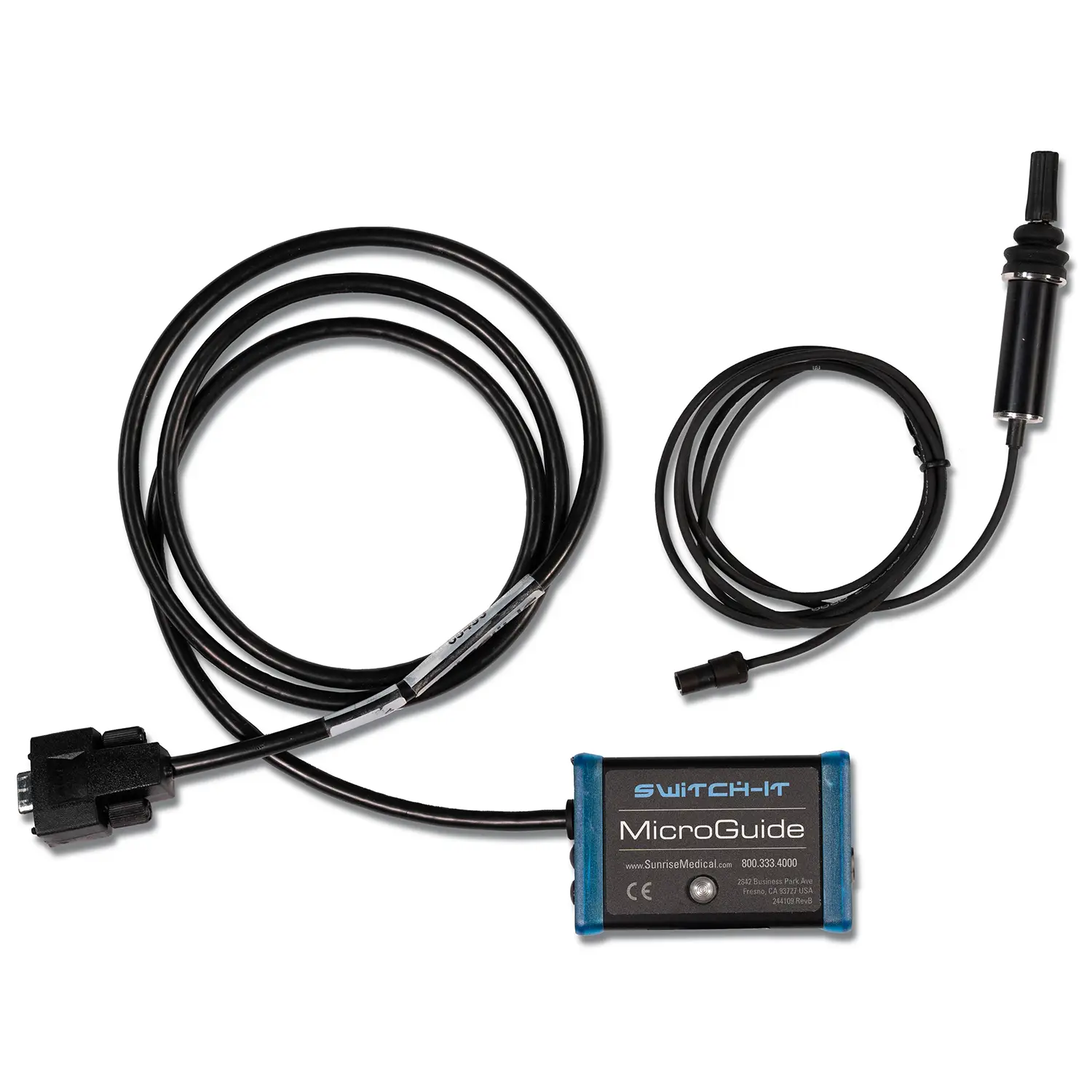
Controllers and handsets
Joysticks, handsets and control boxes for powerchairs, beds and lifts. Often repairable rather than replaceable.
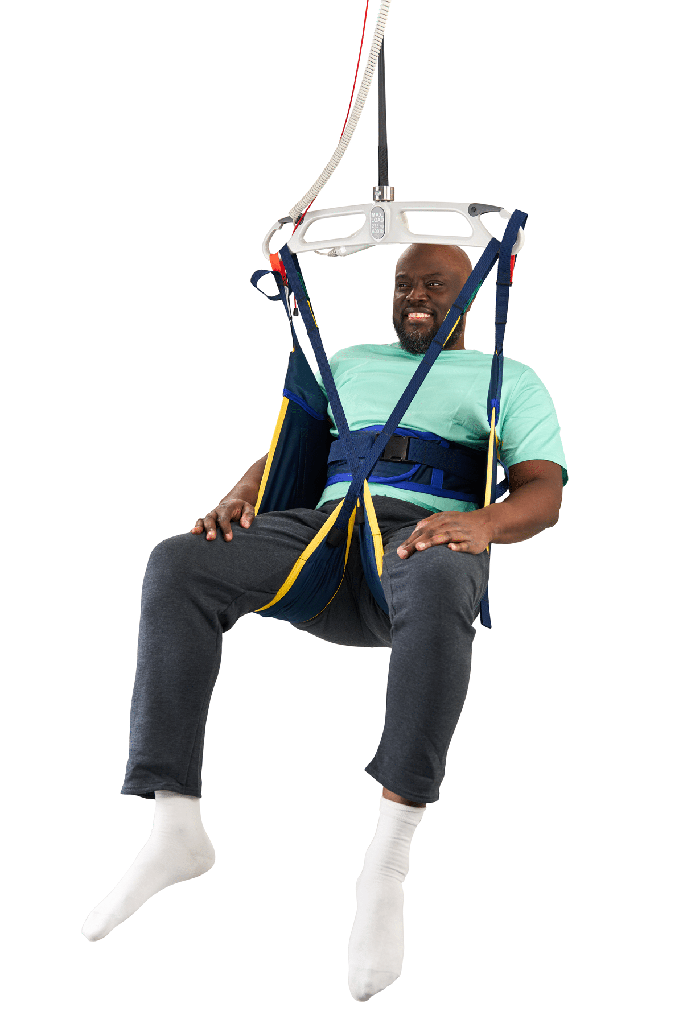
Slings and covers
Replacement patient lift slings, mattress covers and scooter covers. Sling fabric in particular is a wear item that must be inspected.
Questions about batteries
If yours is not here, call us on 905 451-7743. A person answers during business hours.
How long do mobility scooter batteries last?
It depends on use, charging habits and climate, and any supplier quoting you a precise figure is guessing. What is reliable is the pattern: range drops gradually before the batteries fail outright, so a scooter that used to complete your round trip and now does not is telling you they are near the end.
Can I replace just one battery?
You can, and you should not. Mobility equipment runs two batteries in series, matched at manufacture. A new battery paired with an aged one is pulled down to the old one's state of health within weeks, so you end up buying both anyway. Always replace in pairs.
When should I charge it?
After every use, rather than waiting until it is low. Sealed lead acid batteries prefer to sit fully charged, and deep discharge cycles are what shorten their life. Leaving equipment uncharged through a winter is the most reliable way to kill a set of batteries.
Why does it go less far in winter?
Cold reduces the chemical reaction rate inside the battery, so available capacity drops. It is normal and it is not a fault. Store the equipment somewhere warmer if you can, keep it on charge, and expect noticeably less range in February than in July.
Does ADP pay for replacement batteries?
No. ADP explicitly does not cover repair costs, and batteries are treated as a consumable rather than part of the device. WSIB and Veterans Affairs often do cover ongoing maintenance including batteries, and a warranty may apply if the equipment is recent.
Can I fit them myself?
On many scooters, yes, and we will tell you if yours is straightforward. Terminal orientation and correct connection matter, and some powerchairs and lifts need the batteries seated in a particular way. If in doubt bring it in and we will do it while you wait.
What do I do with the old batteries?
Bring them to us and we recycle them properly. Lead acid batteries should never go in household waste, and if we are fitting new ones we take the old ones away as part of the job.
Do you have batteries for my model?
Bring the old battery in, or ring with the equipment make and model. Matching is not only voltage and capacity; terminal type, orientation and physical dimensions all matter, and a battery that is right electrically but too tall will not fit the tray.
My stairlift beeps and says it is not charging. Is that the battery?
Often it is, but it can also be the charge points, a fuse or the power supply. Ring us with what the display or beeping is doing and we can usually narrow it down over the phone before anyone drives out.
Can I use a car charger or a different charger?
No. Mobility batteries need a charger matched to the chemistry and the pack voltage, and the wrong charger damages them, sometimes quickly. If you have lost the charger, bring the equipment in and we will supply the correct one.
Is lithium worth the extra cost?
On folding and travel equipment, often yes, because the weight saving is the whole reason those products exist and lithium cells last longer. On a full size scooter that never gets lifted, AGM is usually better value. Airline rules for lithium also vary, so check before you travel.
How quickly can you get them?
Common sizes we hold in stock in Brampton and can fit the same day. Less common packs are usually a couple of days. Ring with the model and we will tell you which yours is rather than making you drive over on spec.
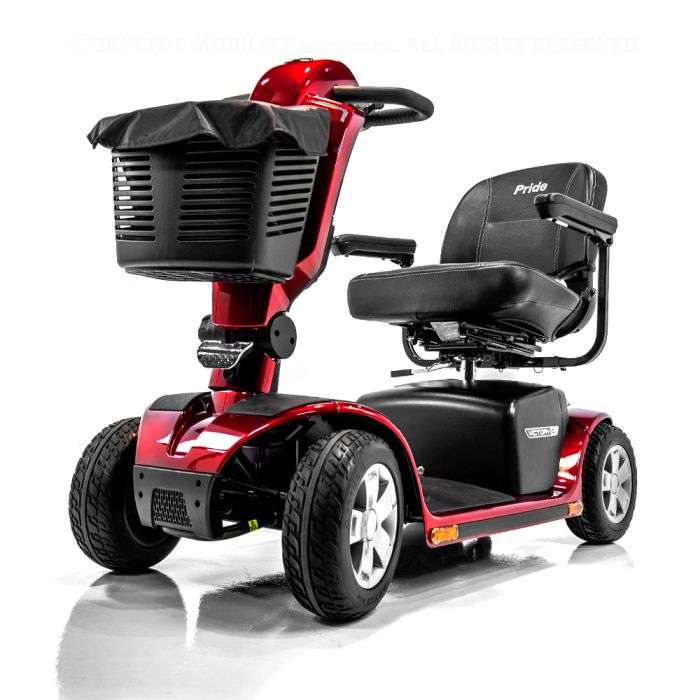
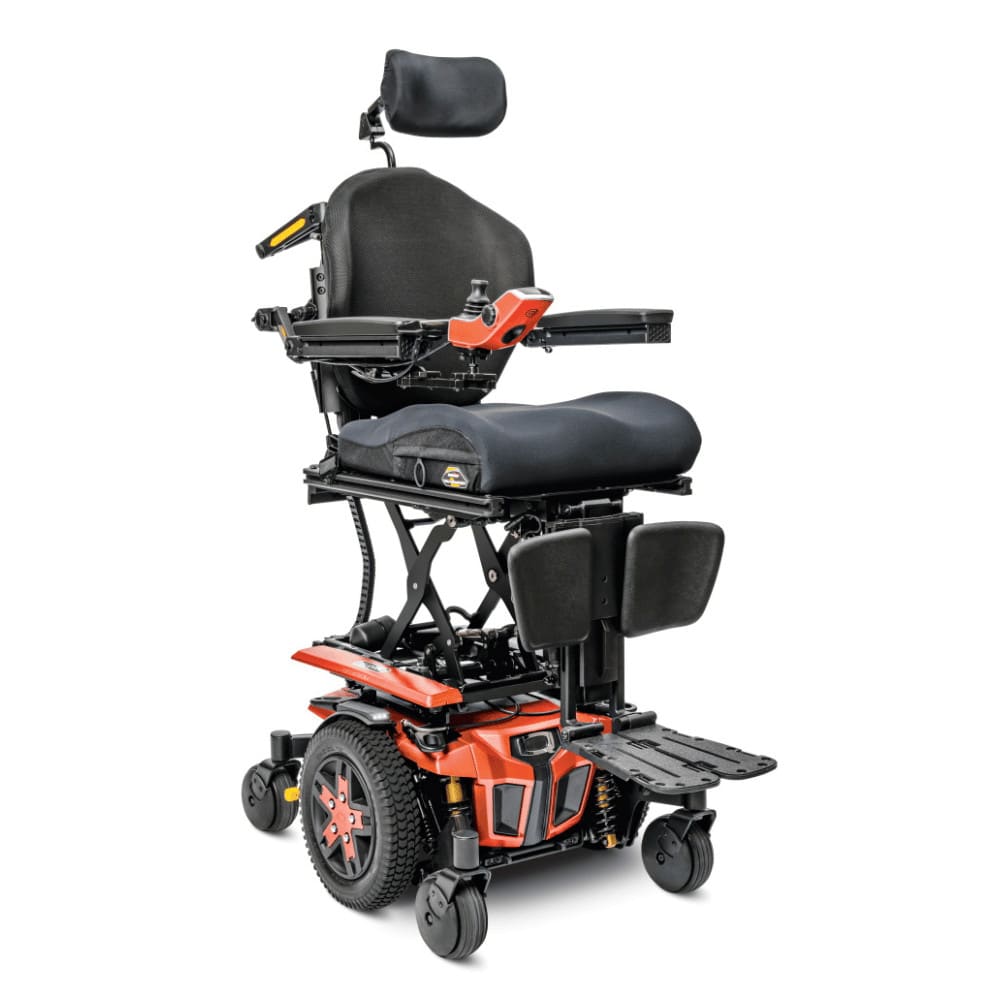
Equipment we supply batteries for
Ask about a battery
Tell us the make and model and what it is doing. We will confirm what it takes, what it costs, and whether the batteries are actually the problem.