
Hospital and homecare beds
A bed that lowers so someone can stand, and rises so a carer is not bending double. It changes the day for both people.
Full electric, homecare, long term care and bariatric beds, with the mattress chosen at the same time. Buy or rent, anywhere in the GTA.
Which bed, and which mattress?
The bed is the easy part. The mattress is what protects the skin, and getting that wrong is the expensive mistake. Three questions settles both.
Height is the whole point. Everything else follows from it.
A regular bed sits at one height, chosen years ago for a body that worked differently. A homecare bed moves through a range, and that single fact solves two problems at opposite ends of the room.
Low, it lets someone put both feet flat on the floor before standing, which is what prevents the slide onto the floor that puts people in hospital. High, it brings the person up to a carer's waist, so washing and changing happen without a bent back. Carer injuries are a leading reason people end up in long term care, and this is the equipment that prevents them.
Feet flat before standing
The bed lowers until both feet reach the floor, so standing starts from a stable base instead of a slide off the edge.
No bending double
It raises to a carer's waist for washing, changing and dressing. This is the single biggest cause of carer back injury, and it is preventable.
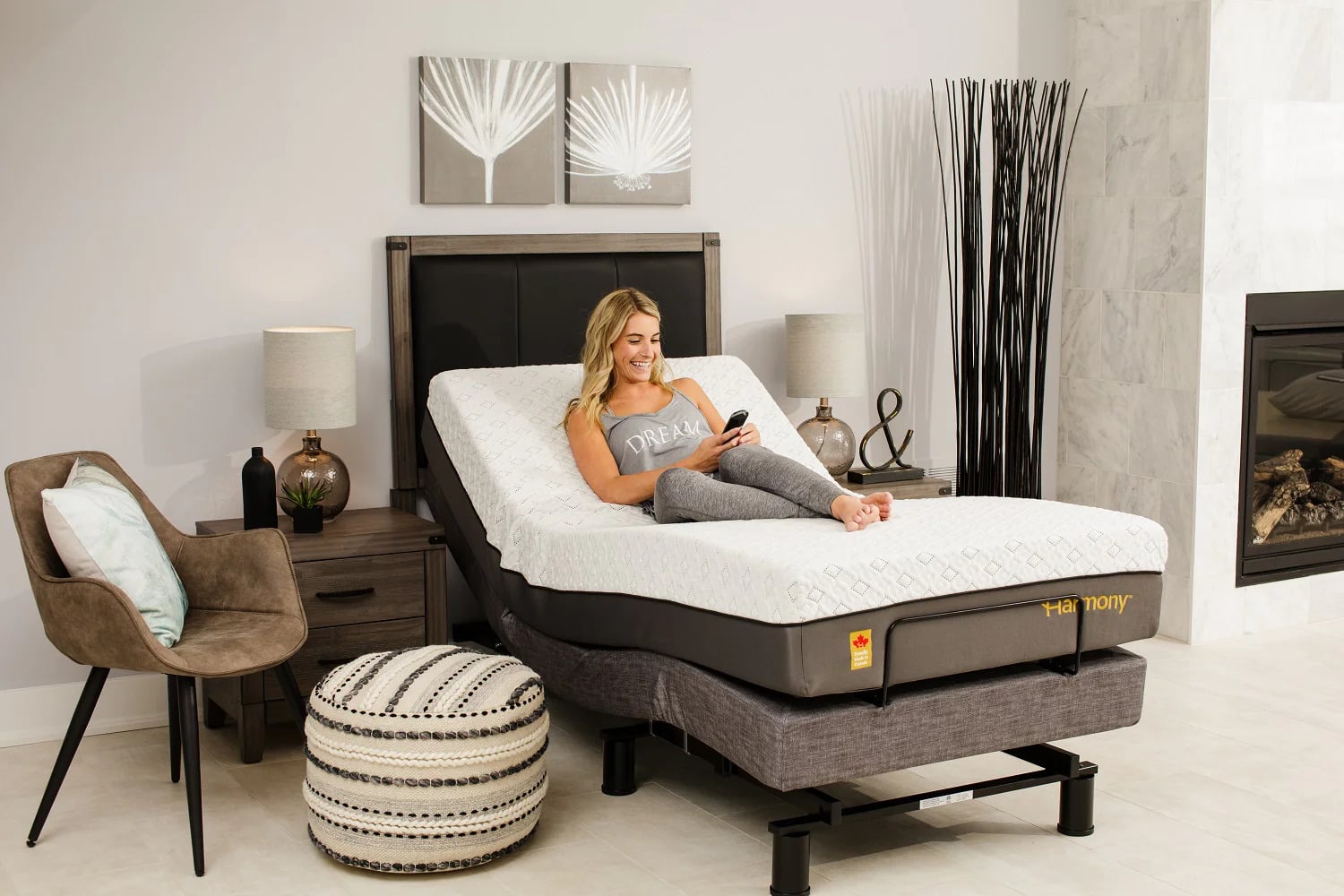
The head section lifts
Sitting up makes eating, drinking and breathing easier, and reduces reflux at night. A pile of pillows does not hold a position.
The knee section bends
Raising the knees stops the slow slide down the bed that leaves someone bunched at the foot, and takes pressure off the lower back.
Weight, timeline, and whether it has to look like furniture.
Those three questions settle it inside five minutes, which is why the finder above asks exactly them.
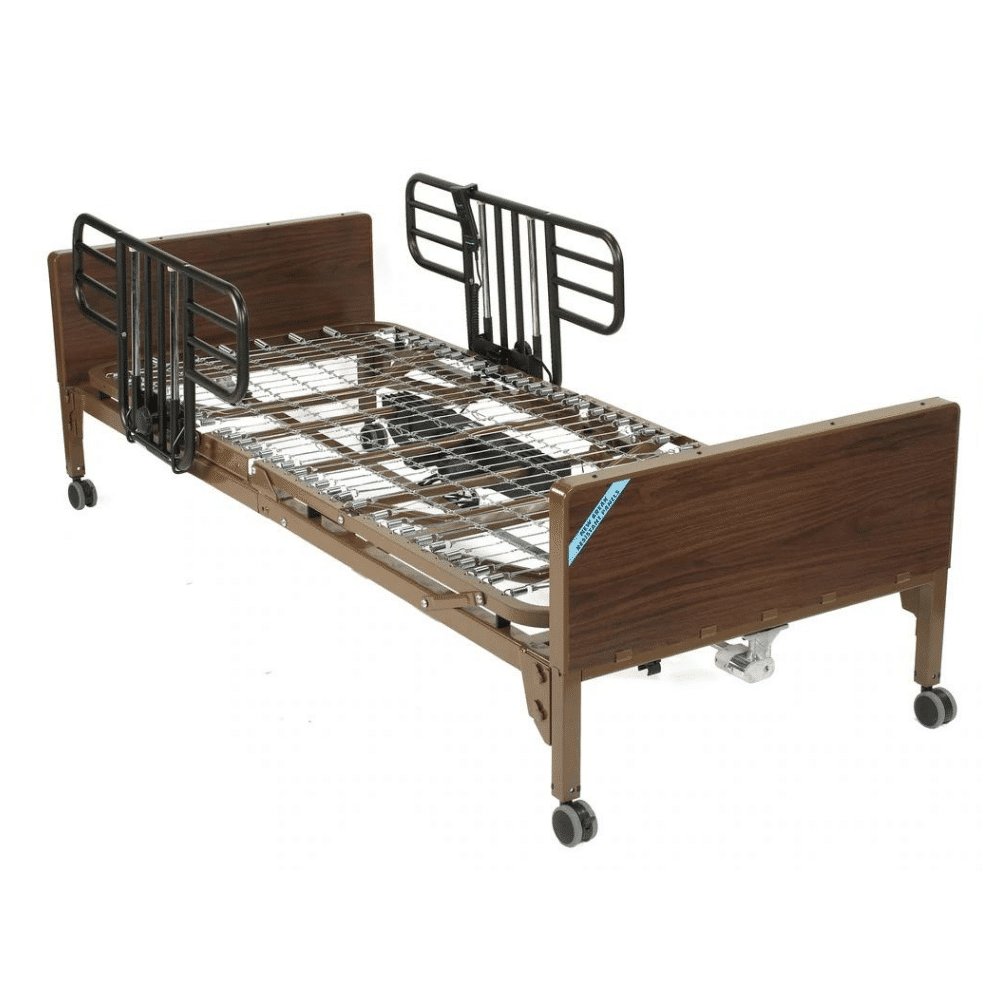
Height, head and knee all powered from a handset. The baseline specification, and what most people picture when they say hospital bed.
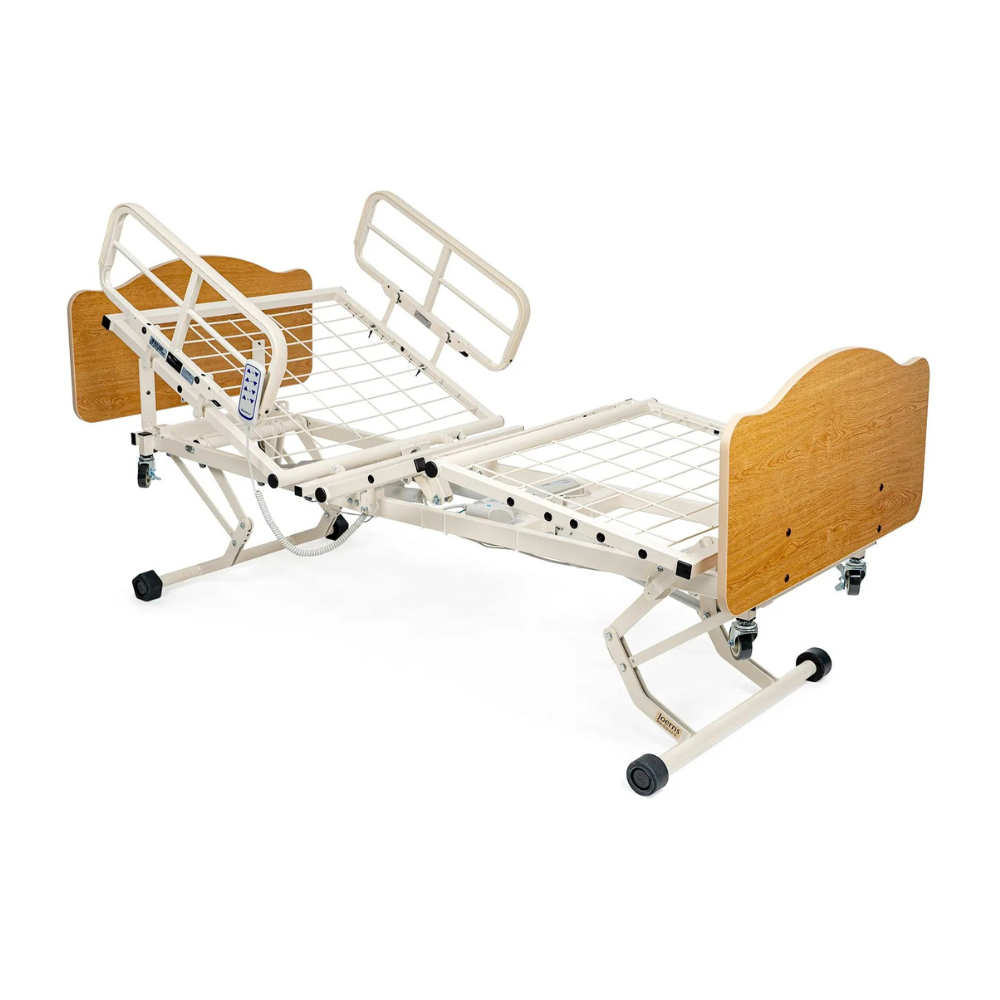
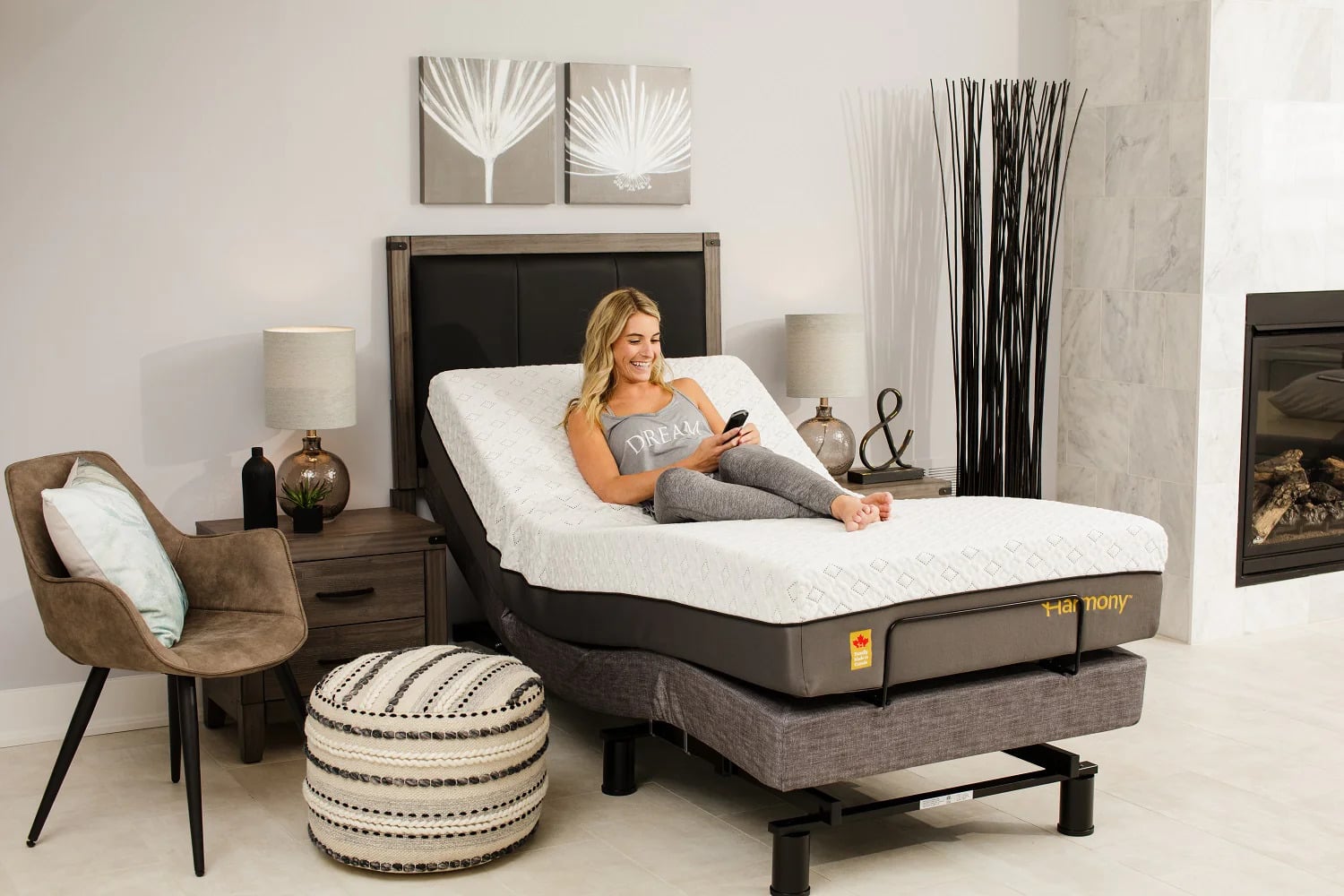
The same mechanism dressed as furniture: wood-effect head and foot boards, and a finish that belongs in a bedroom rather than a ward.
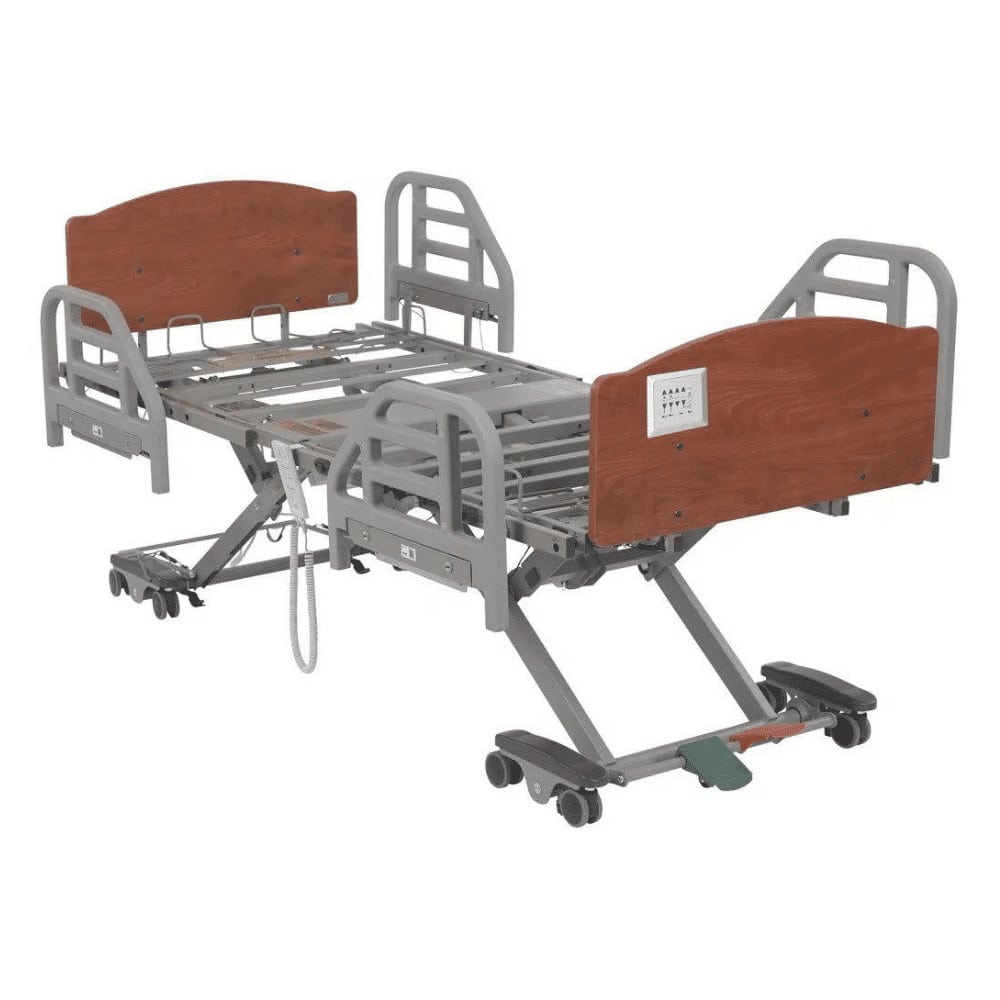
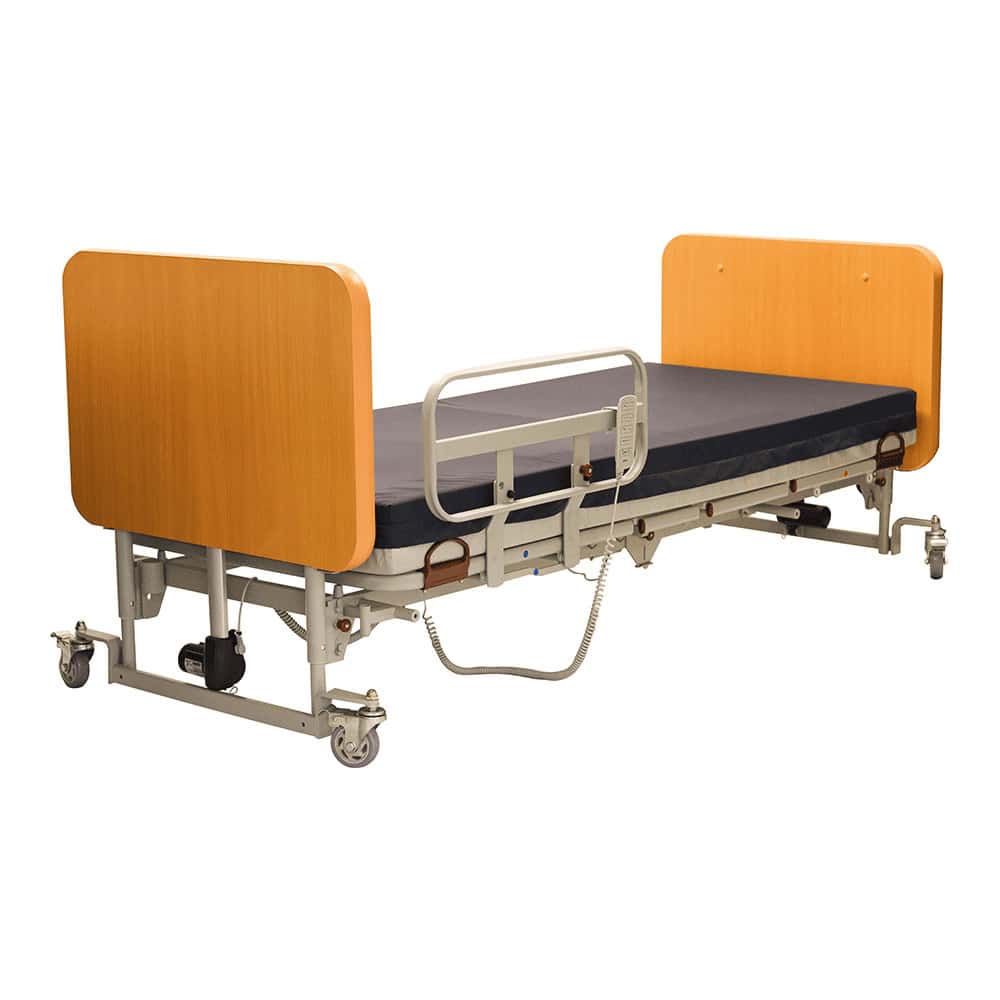
Built for continuous use in care homes and retirement residences, with durability and serviceability a domestic frame is not designed for.
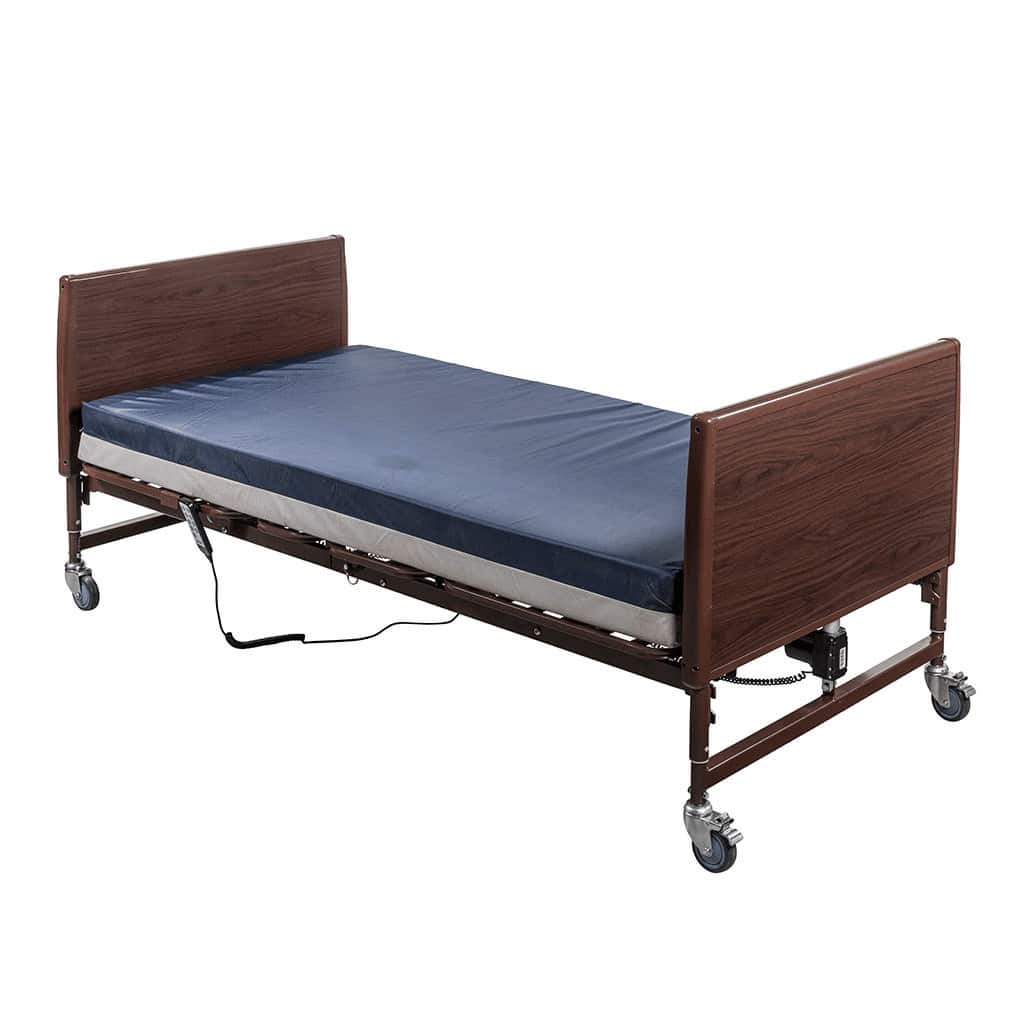
A wider sleep surface and substantially higher weight rating, with frame and motors specified to match rather than a standard bed made broader.
Shop hospital and homecare beds by type
Everything we have published, grouped the way people ask for it. The counts come straight from the catalogue, so new stock shows up here on its own.
Homecare Beds14
See all 14 Homecare Beds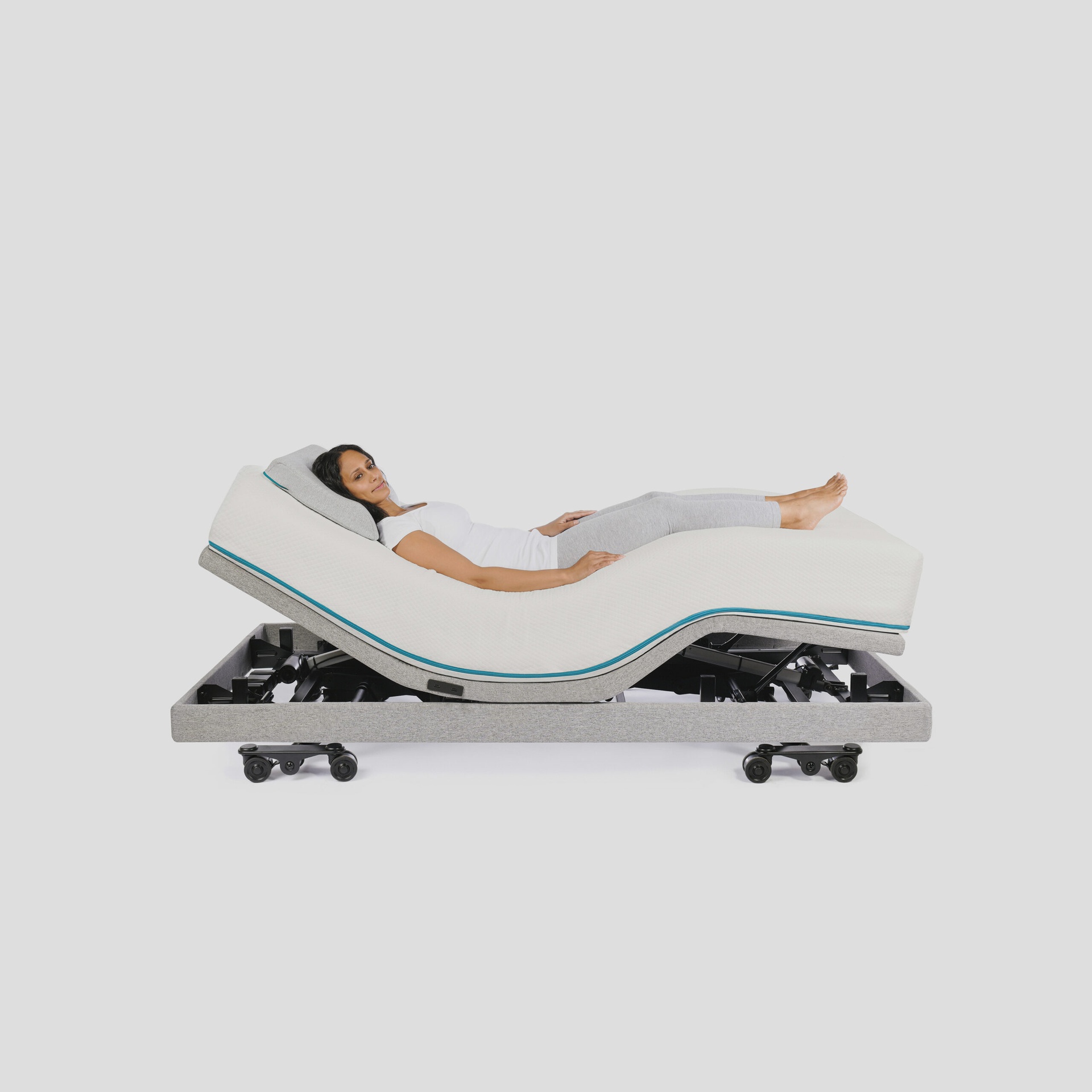
Full Electric Hospital Beds9
See all 9 Full Electric Hospital Beds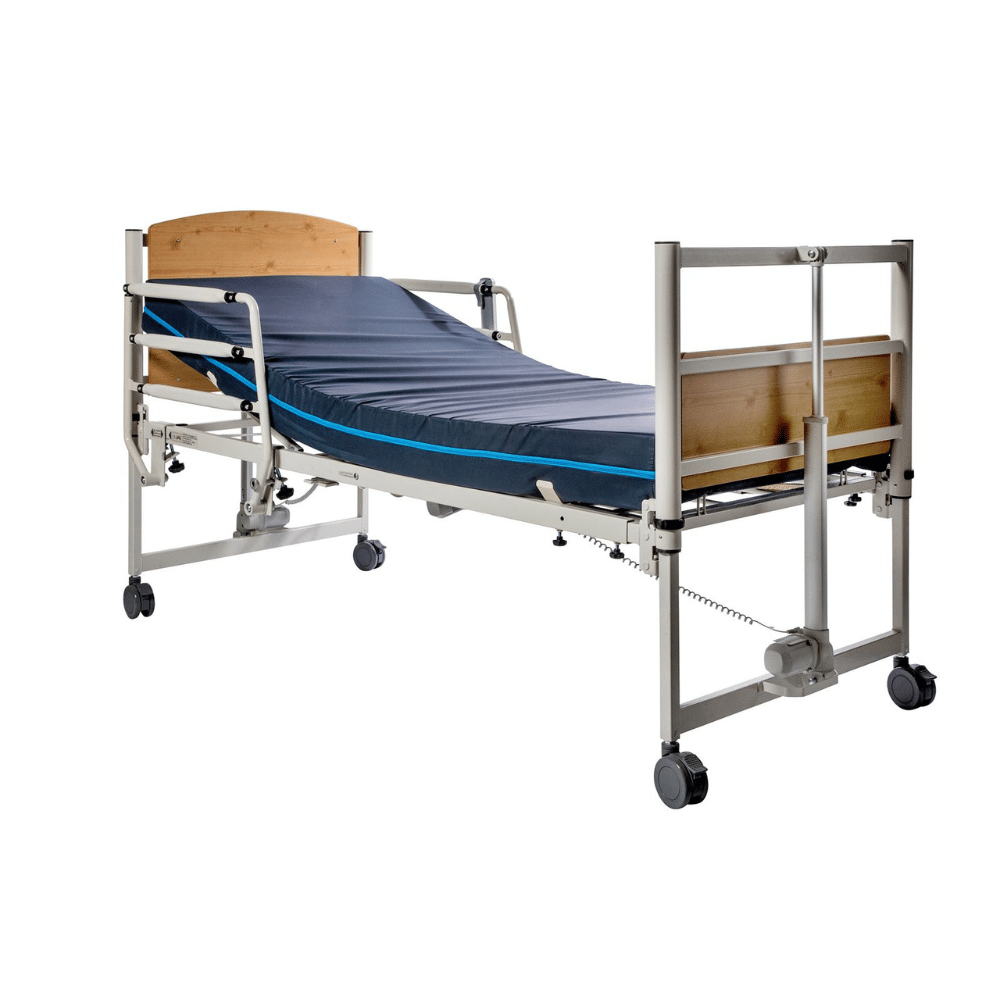
Long Term Care Beds24
See all 24 Long Term Care BedsBariatric Beds10
See all 10 Bariatric Beds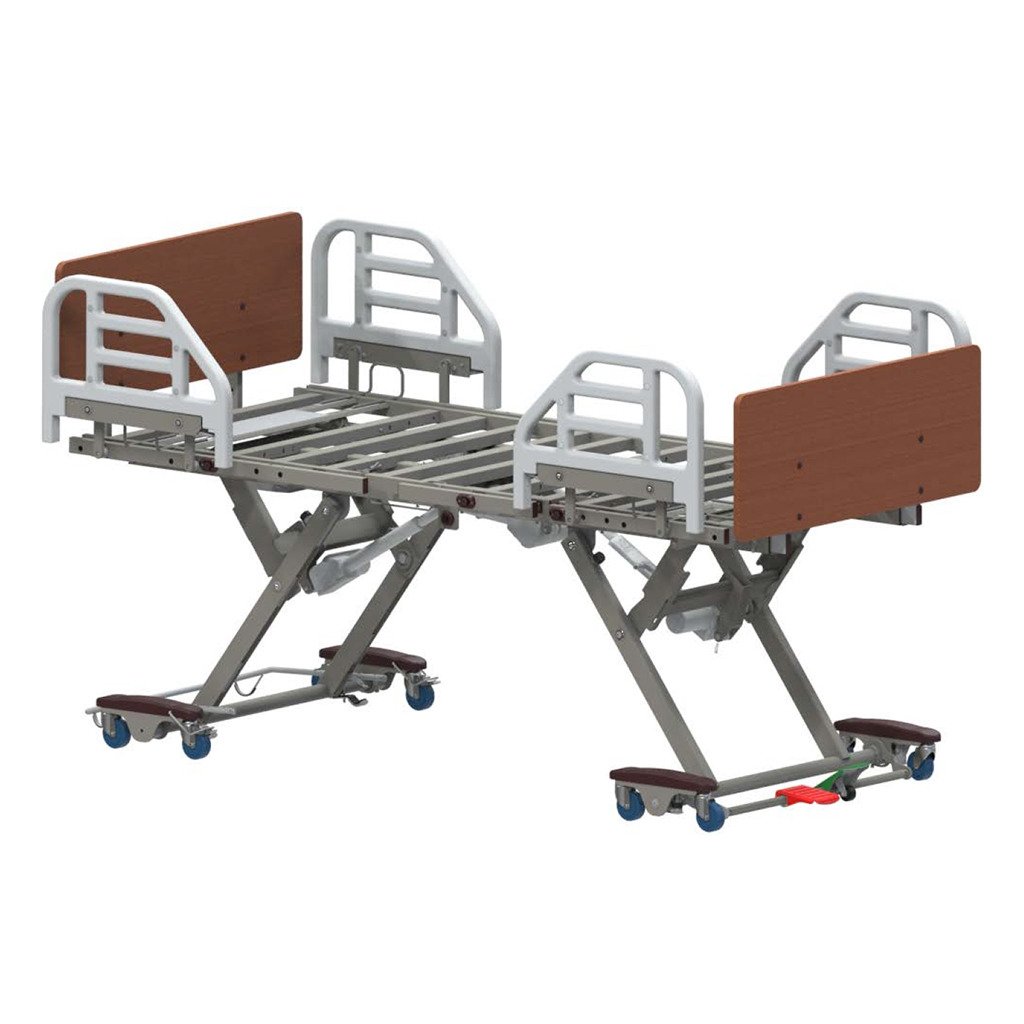
Refurbished Beds1
See all 1 Refurbished Beds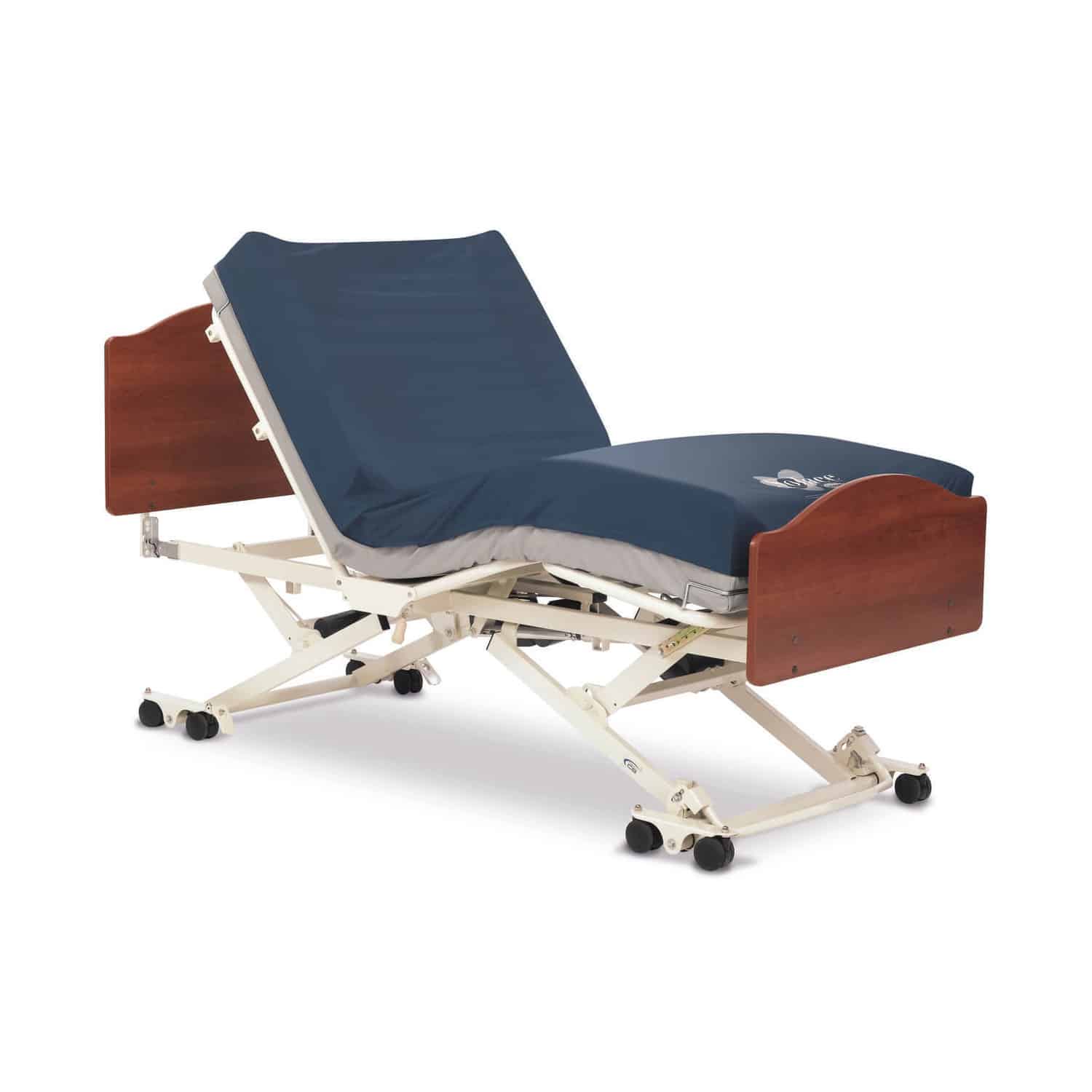
Accessories, parts and batteries
Bed Accessories115
See all 115 Bed Accessories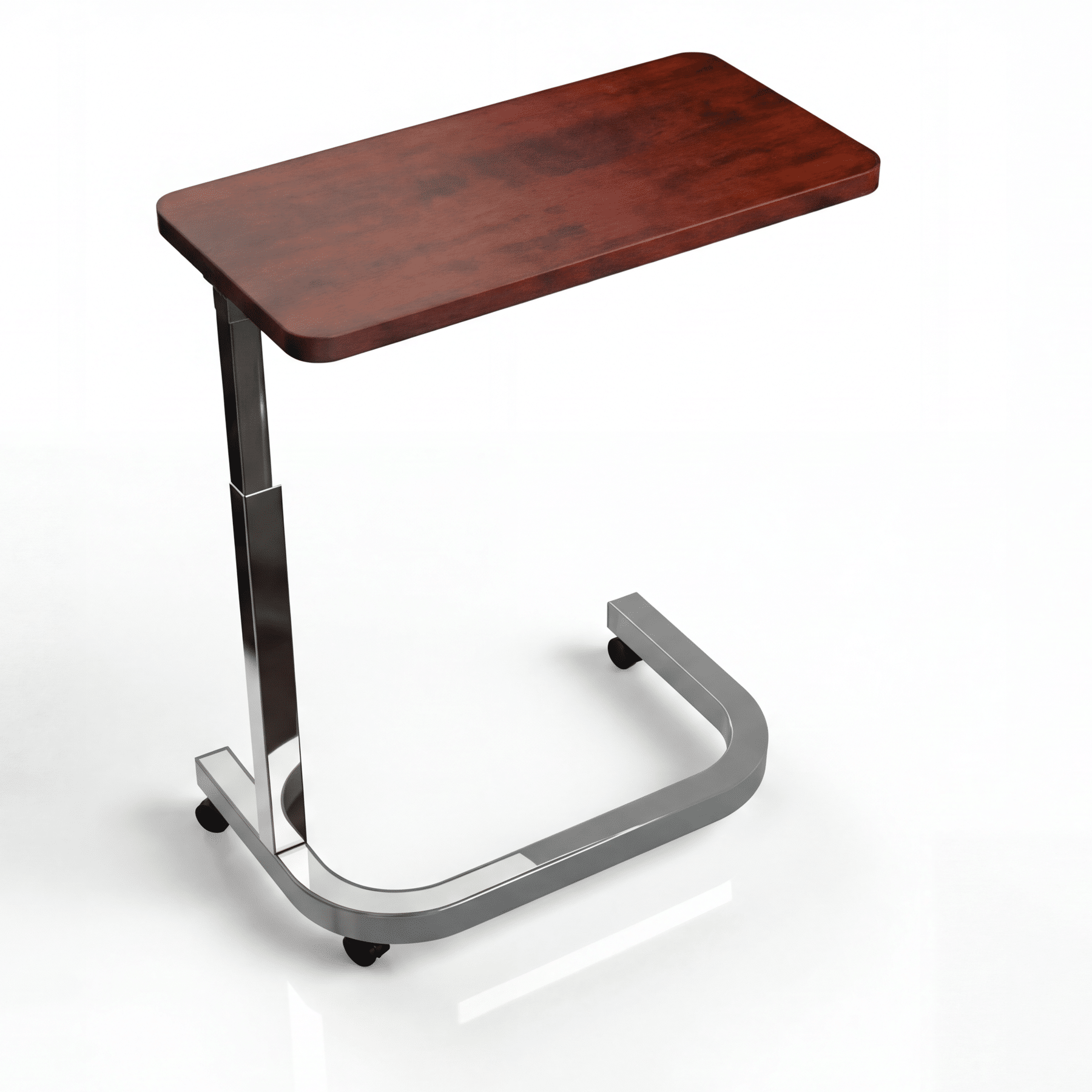
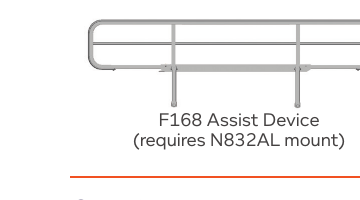
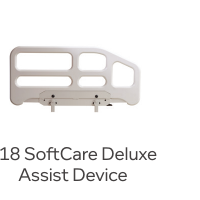
Bed Rails11
See all 11 Bed Rails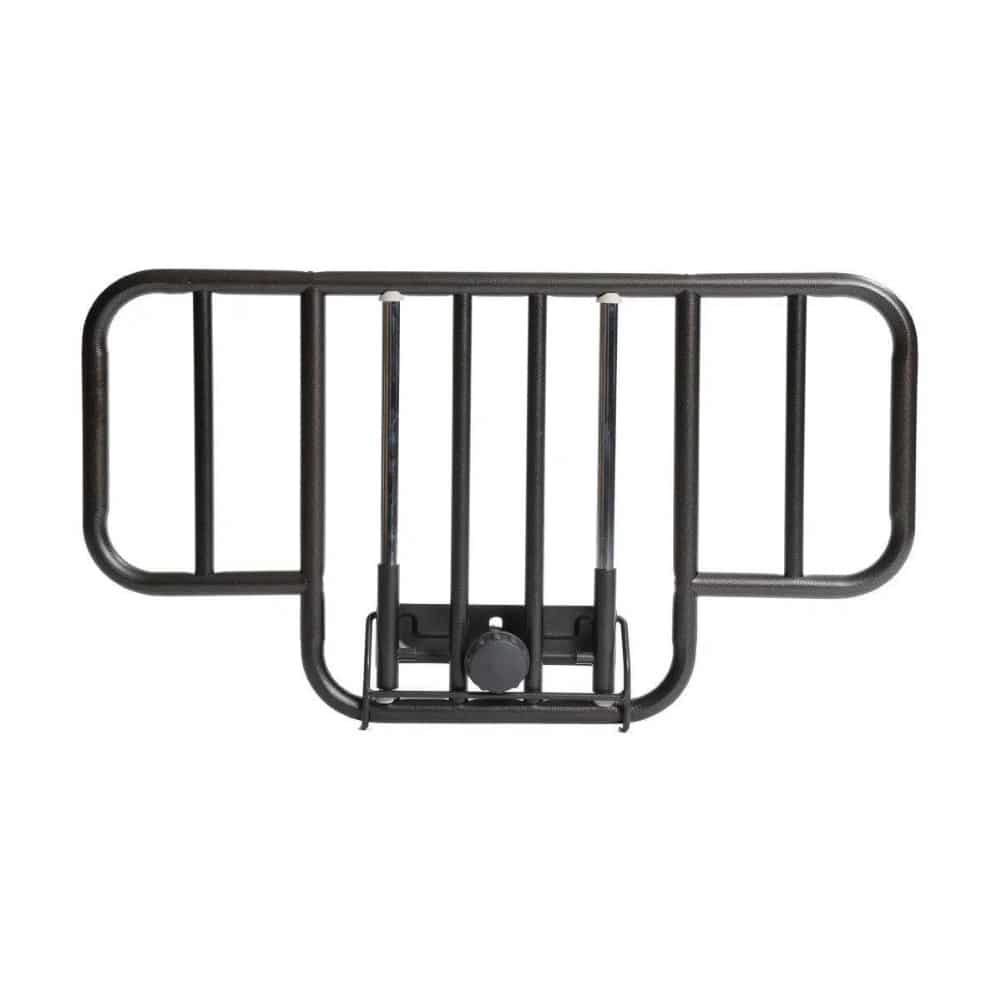
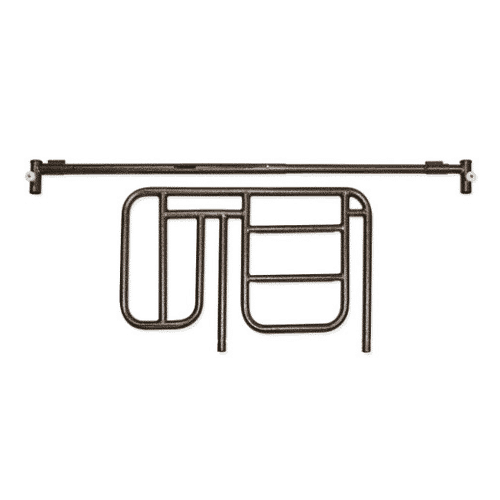
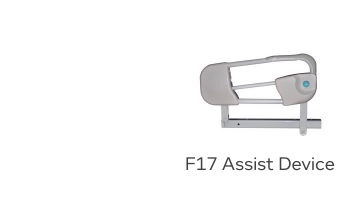
Assist Rails3
See all 3 Assist Rails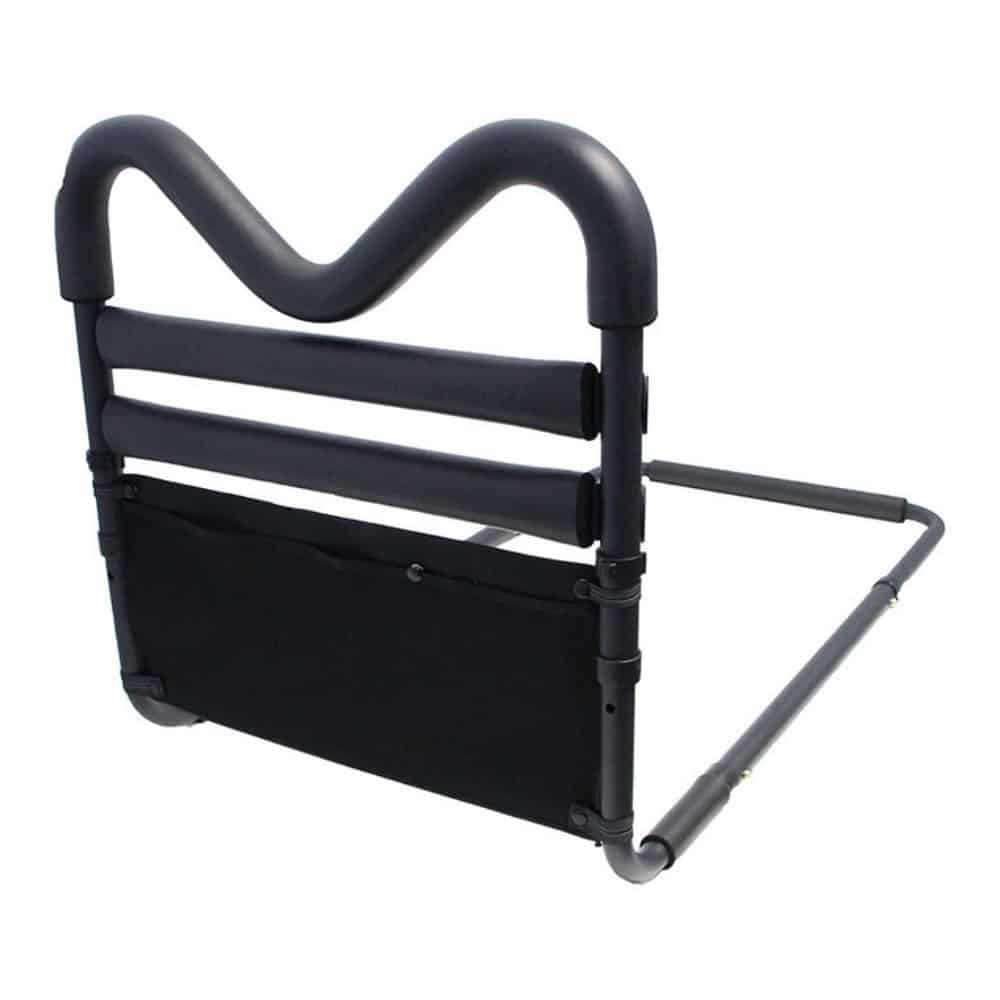
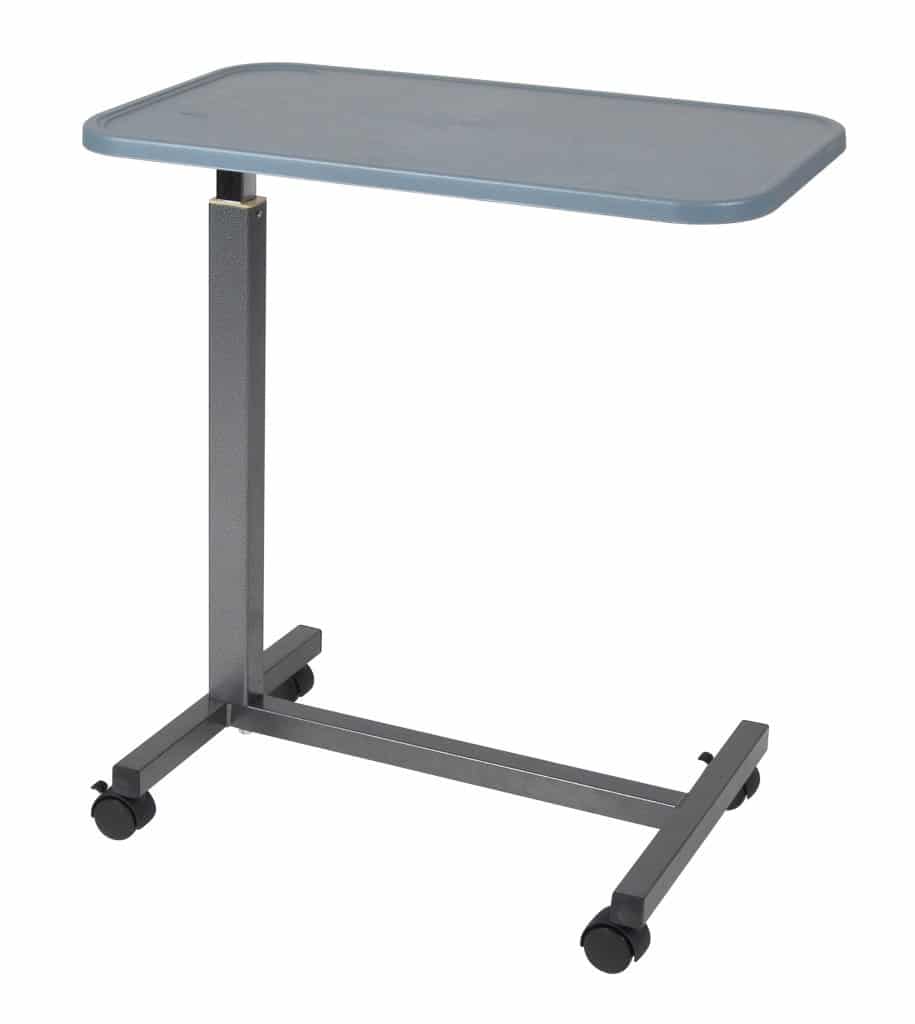
Bed Tables7
See all 7 Bed Tables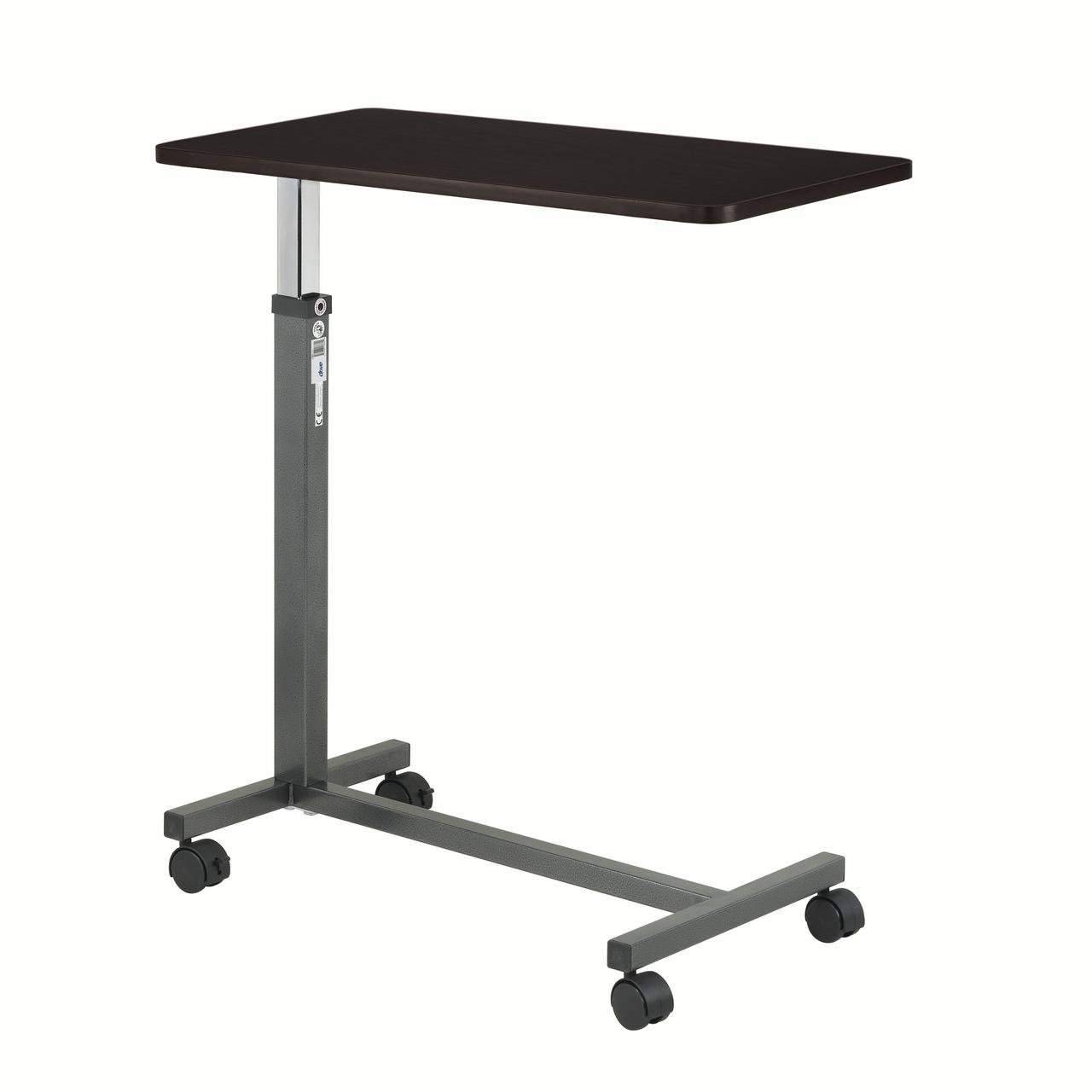
Extension Kit4
See all 4 Extension Kit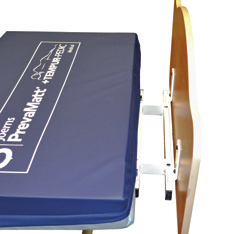
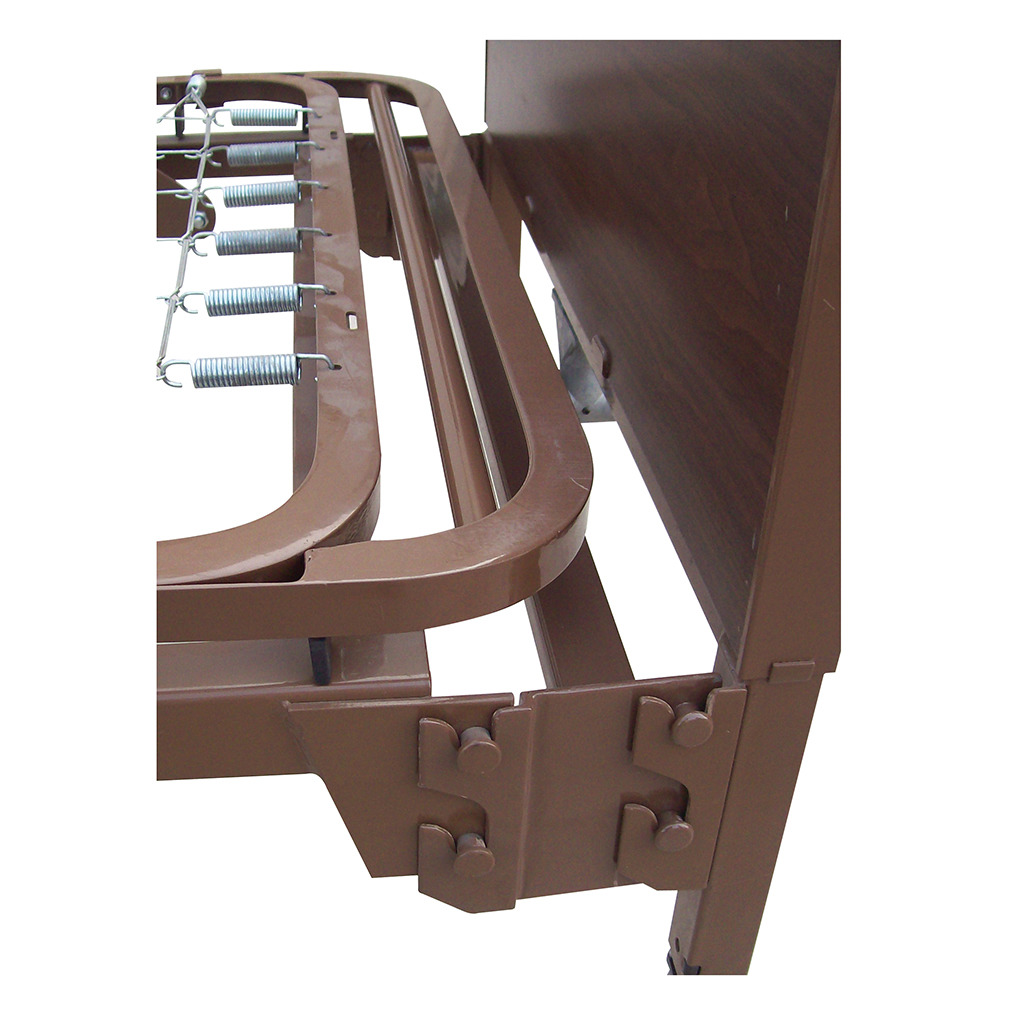
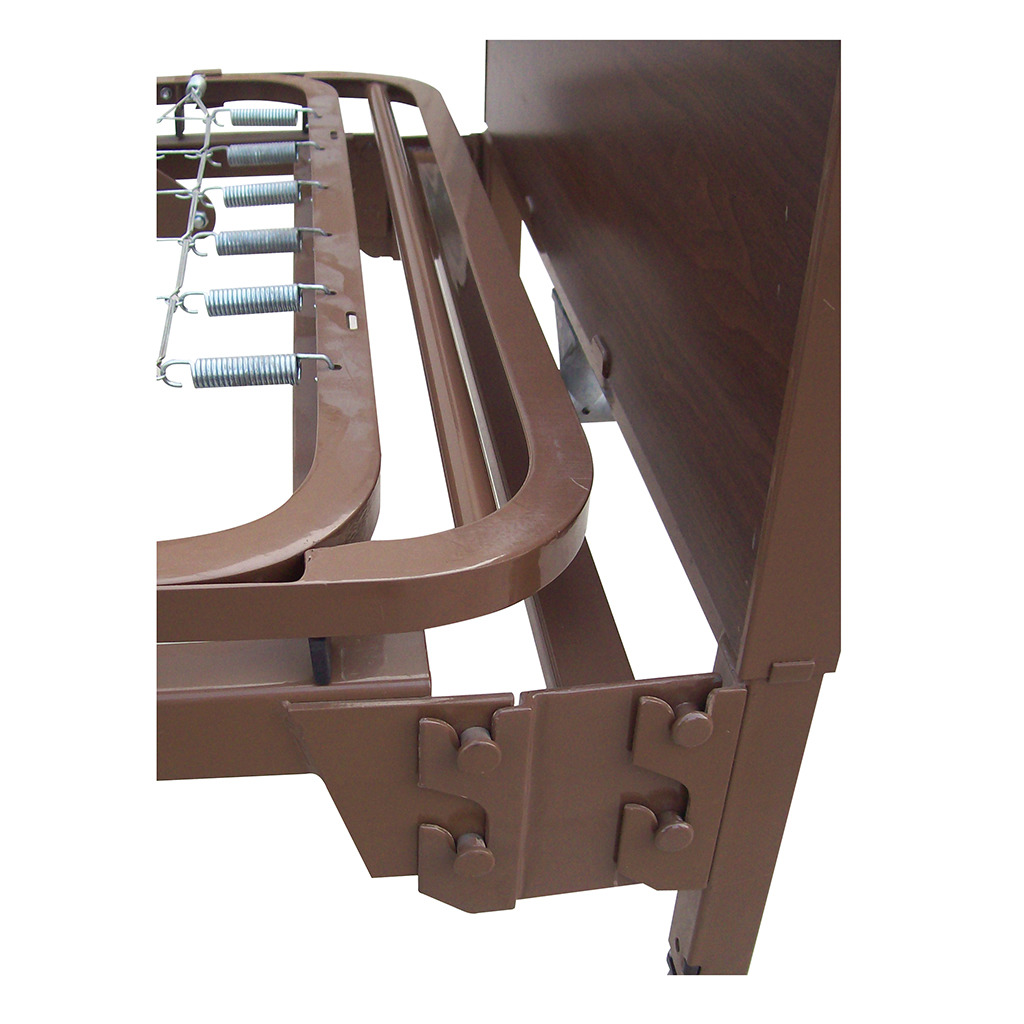
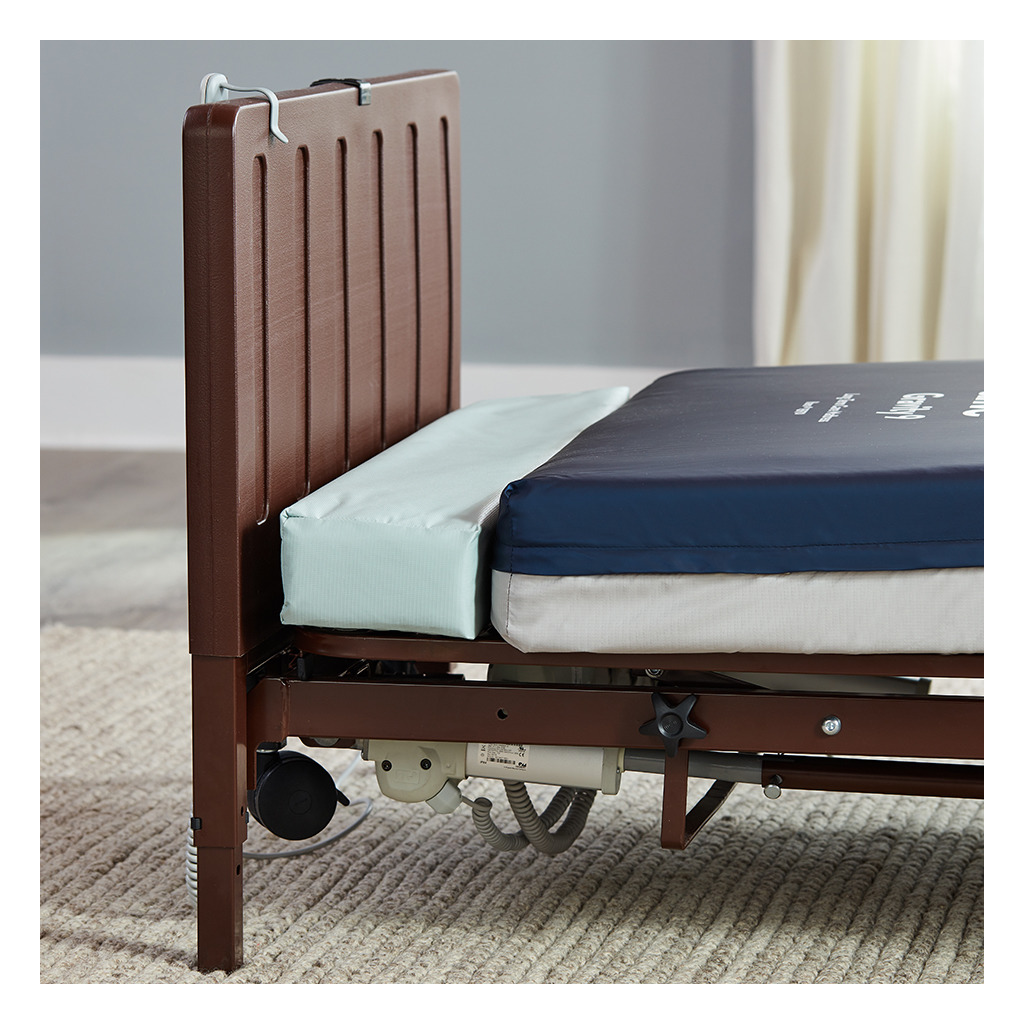
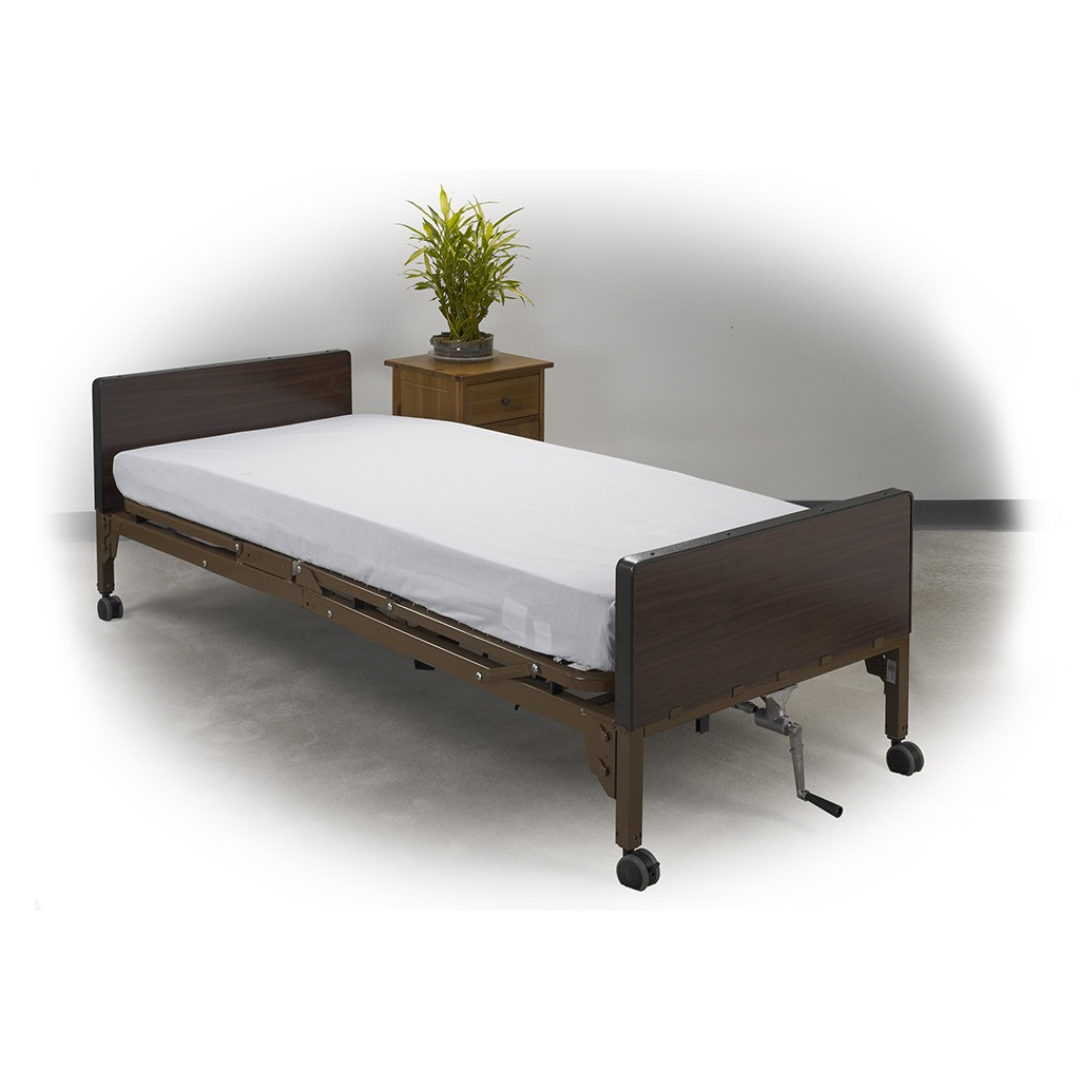
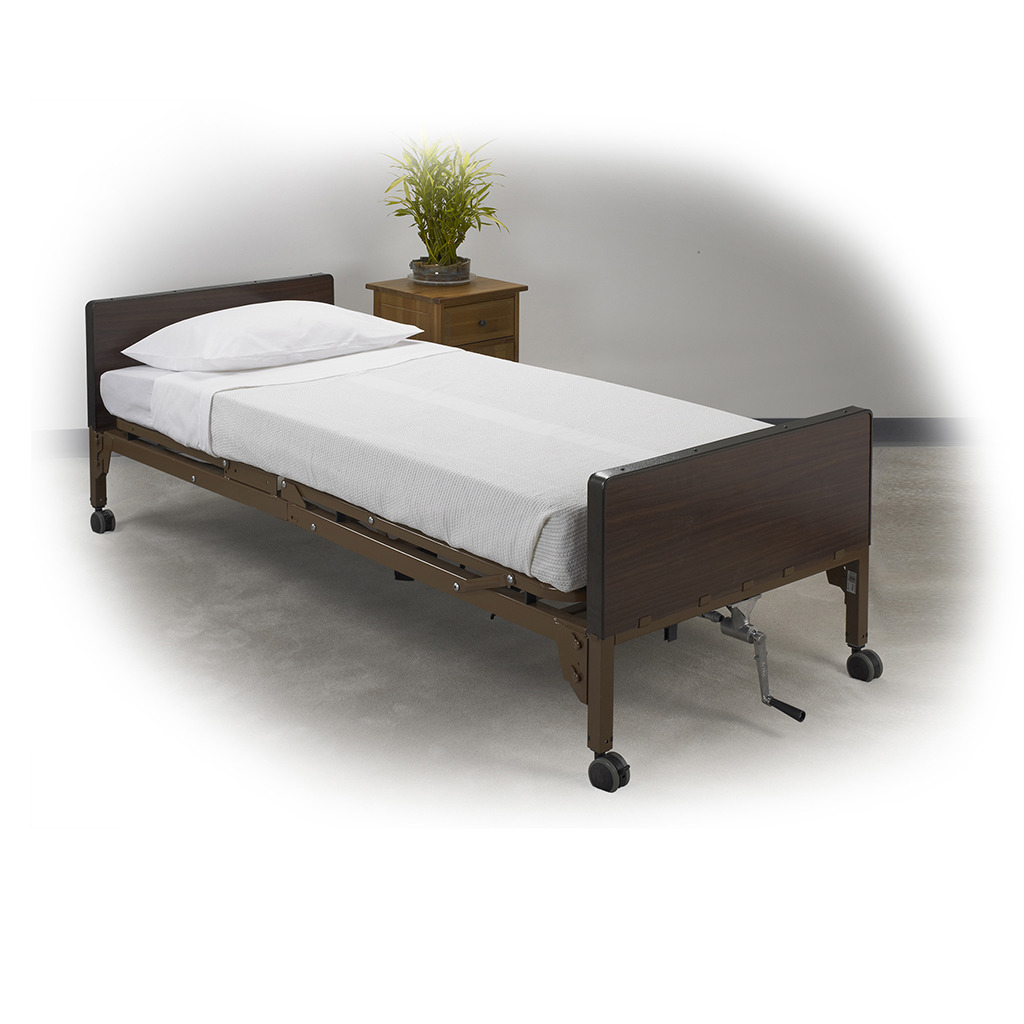
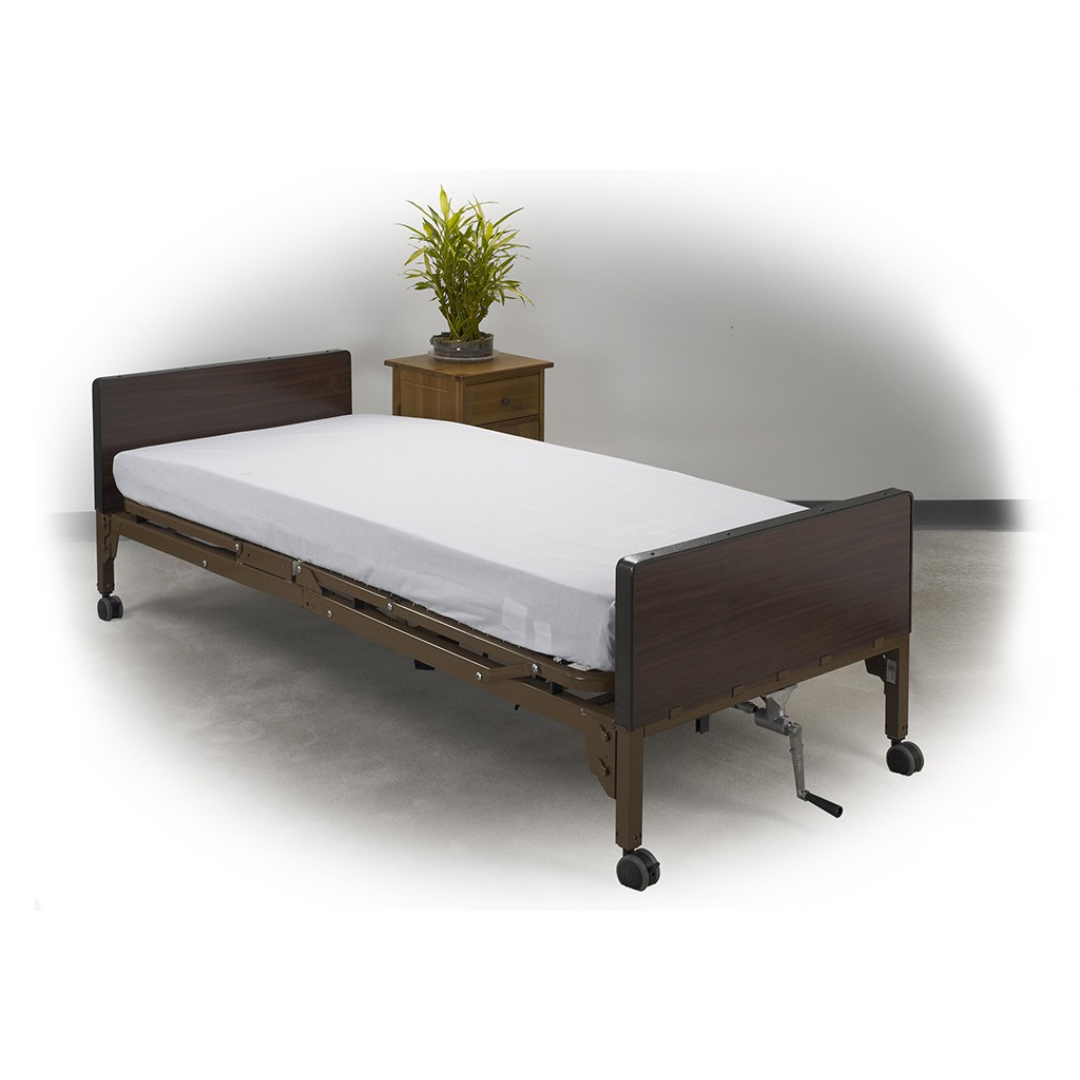
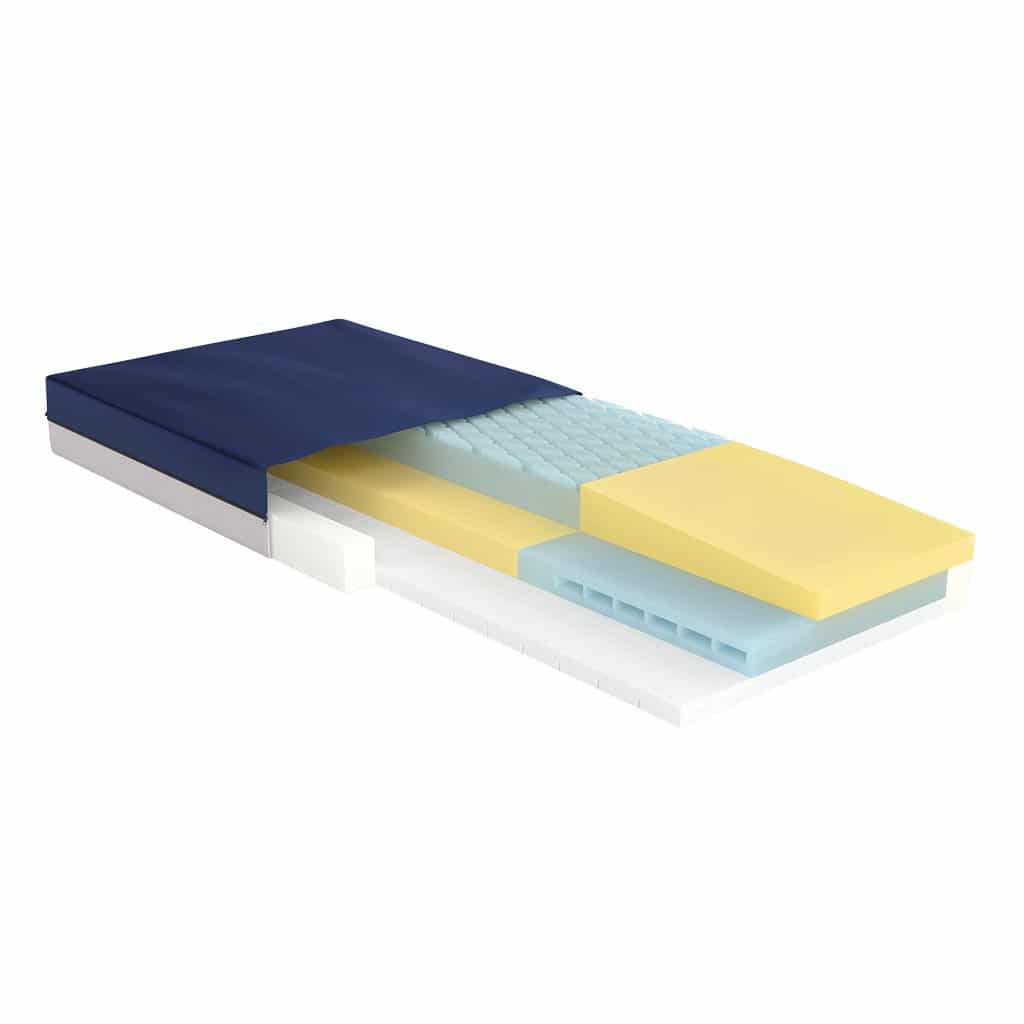
People buy the bed. The mattress is what protects the skin.
If someone is spending most of the day in bed, pressure injuries are the real risk, and they are far easier to prevent than to heal. The mattress is chosen against that risk, not against comfort alone, and it often costs more than a basic frame.
Three questions decide it: how many hours a day are spent in bed, whether the person can reposition themselves, and whether there is any skin breakdown already. That points to foam, gel, alternating pressure or hybrid.
What goes on and around the bed
The things families discover they needed a month after the bed arrives.
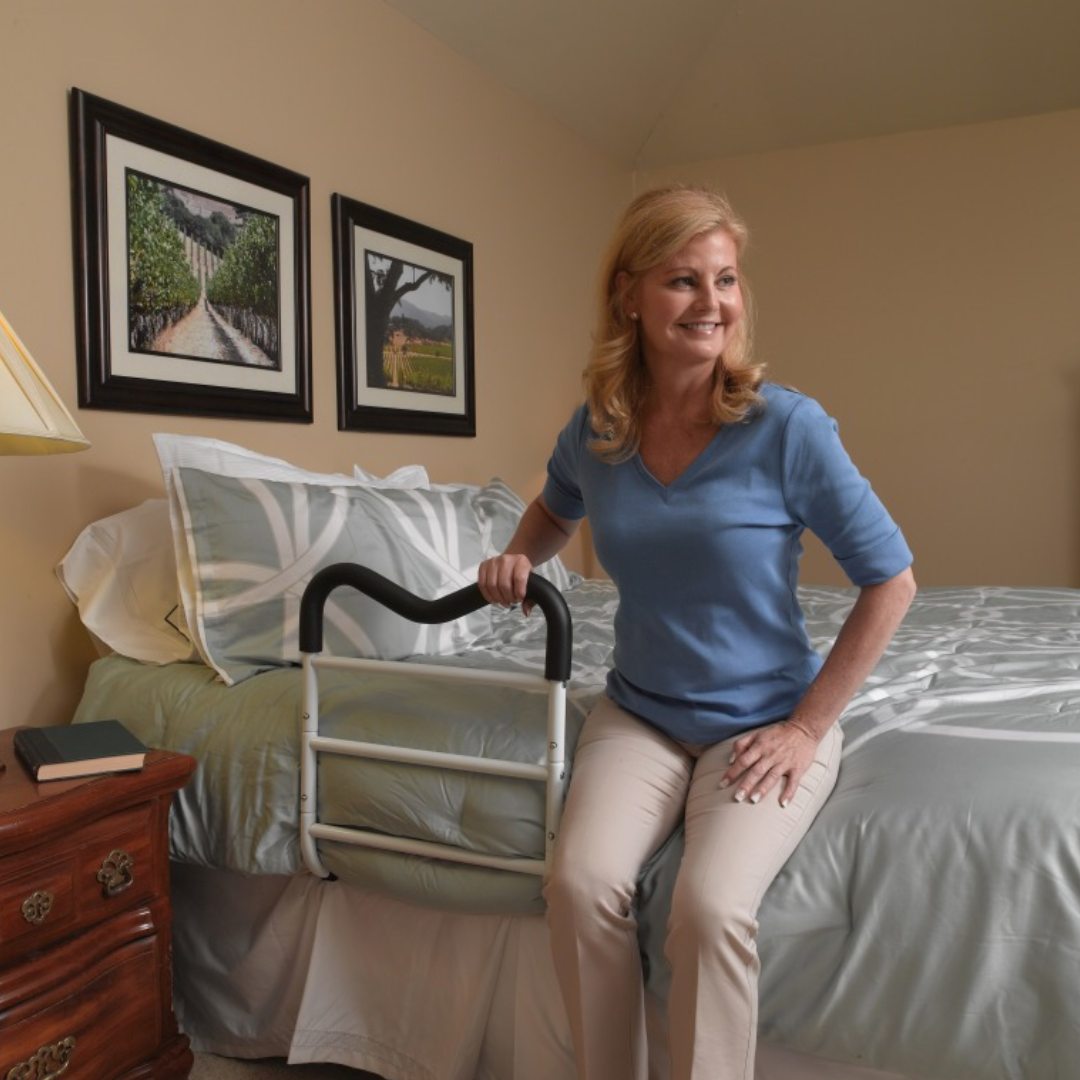
Bed rails
Half rails as a handhold for turning and rising are what most people need. Full rails are not automatically safer, and can be a hazard for someone confused or likely to climb.
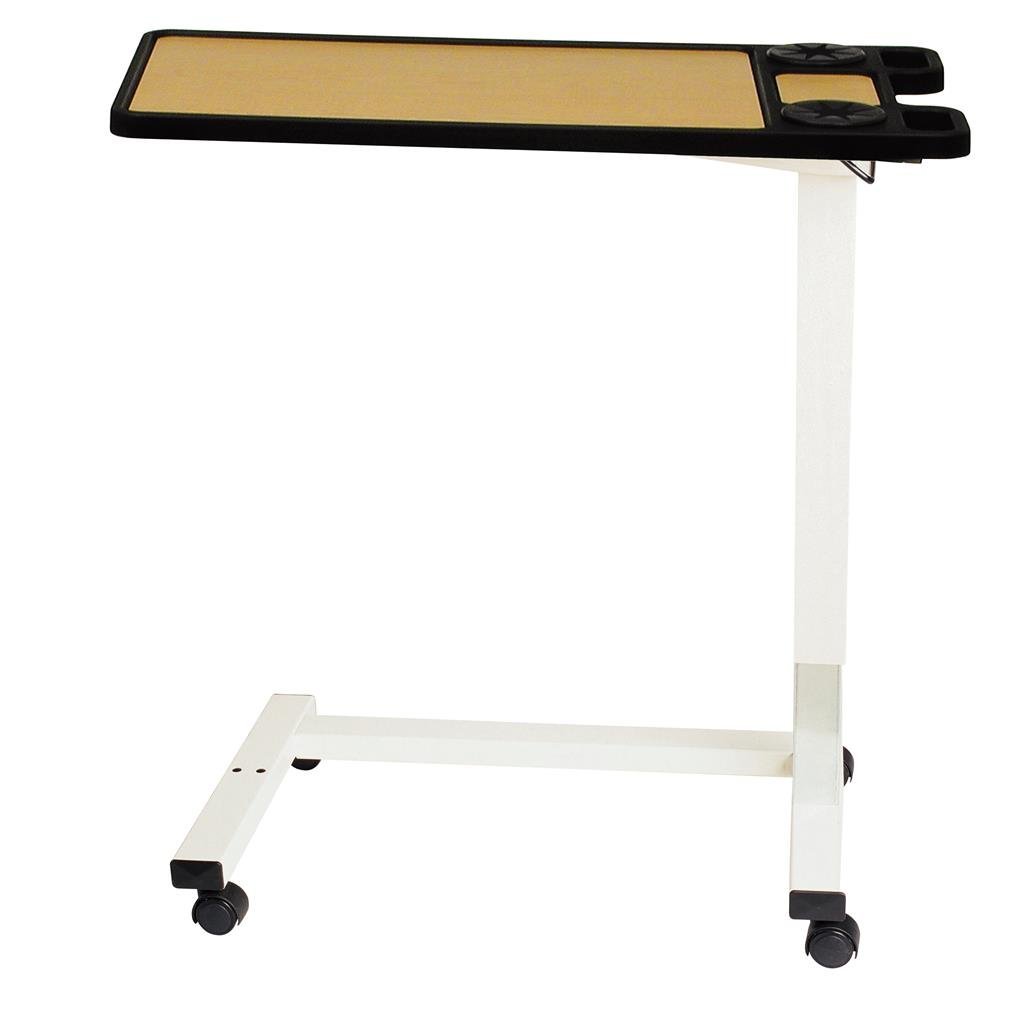
Over-bed tables
Meals, medication, a book and a phone within reach. Tilt-top models let someone read or write without leaning forward.
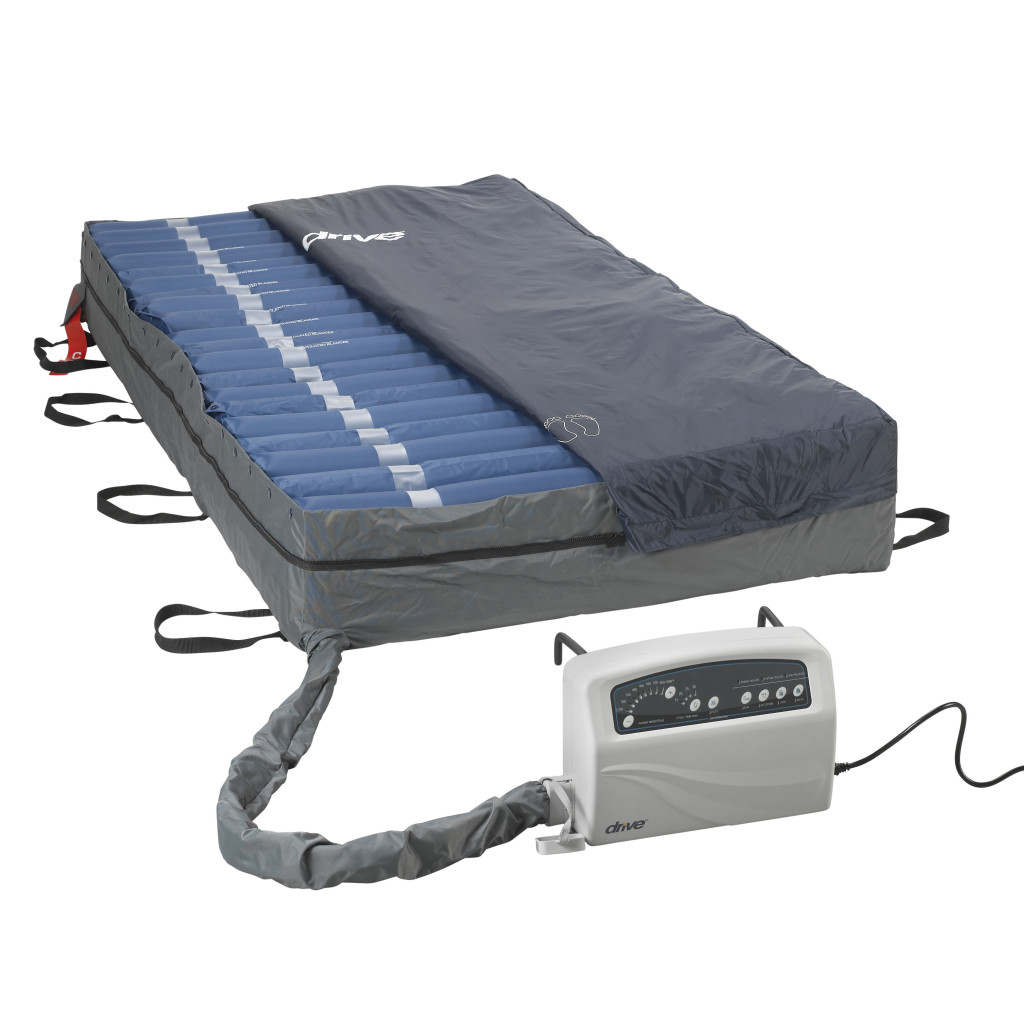
Pressure relief mattresses
Foam, gel, alternating pressure and hybrid, matched to how many hours a day are spent in the bed and whether skin has broken down.
Sheets and covers
Fitted sheets cut for a profiling mattress, and waterproof covers that breathe rather than trap heat against skin.
Hospital beds we supply
Frames from the current catalogue. Each card opens the live product page. Quoted at your assessment.
Joerns WeCare Full Electric Super Low Bed
Homecare finish, delivered and assembled in the room.
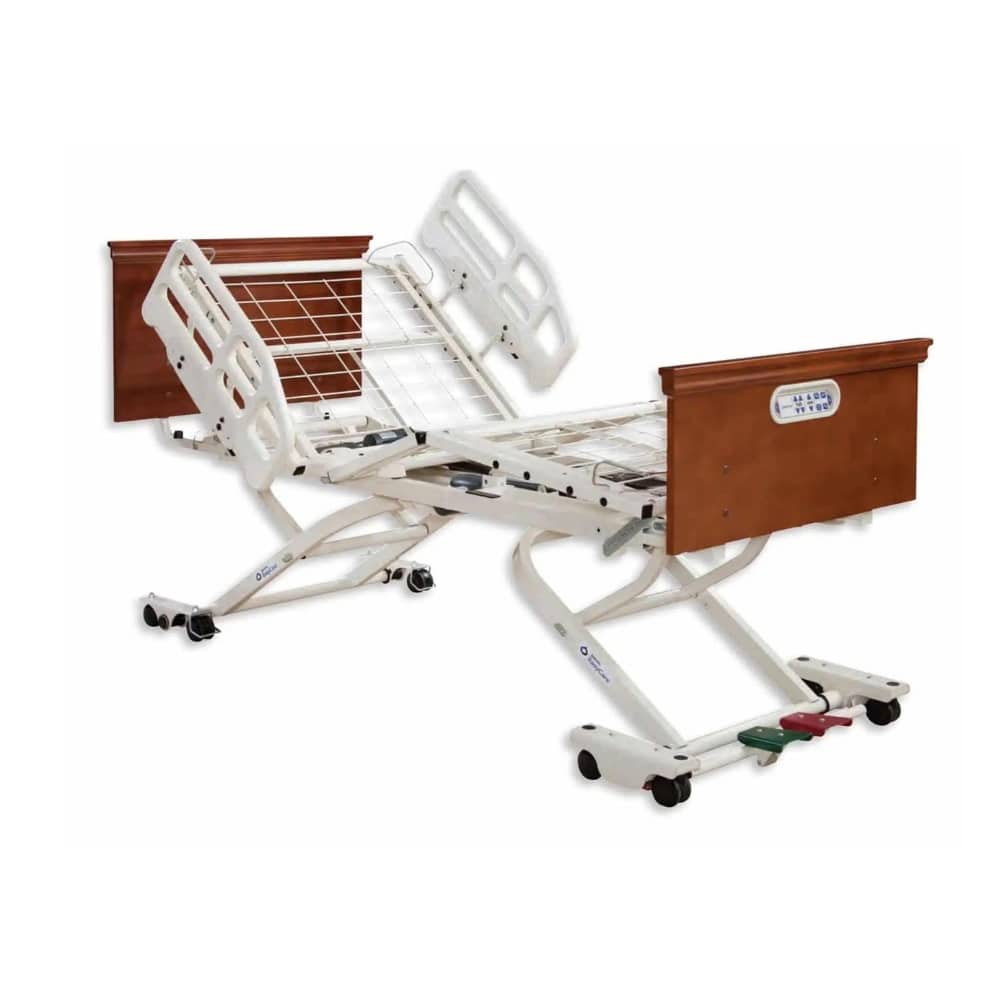
Joerns EasyCare Premium Bed Package
Premium homecare package for longer-term use at home.
Prime Care P903 Long Term Care Hospital Bed
Built for continuous use in care homes and retirement residences.
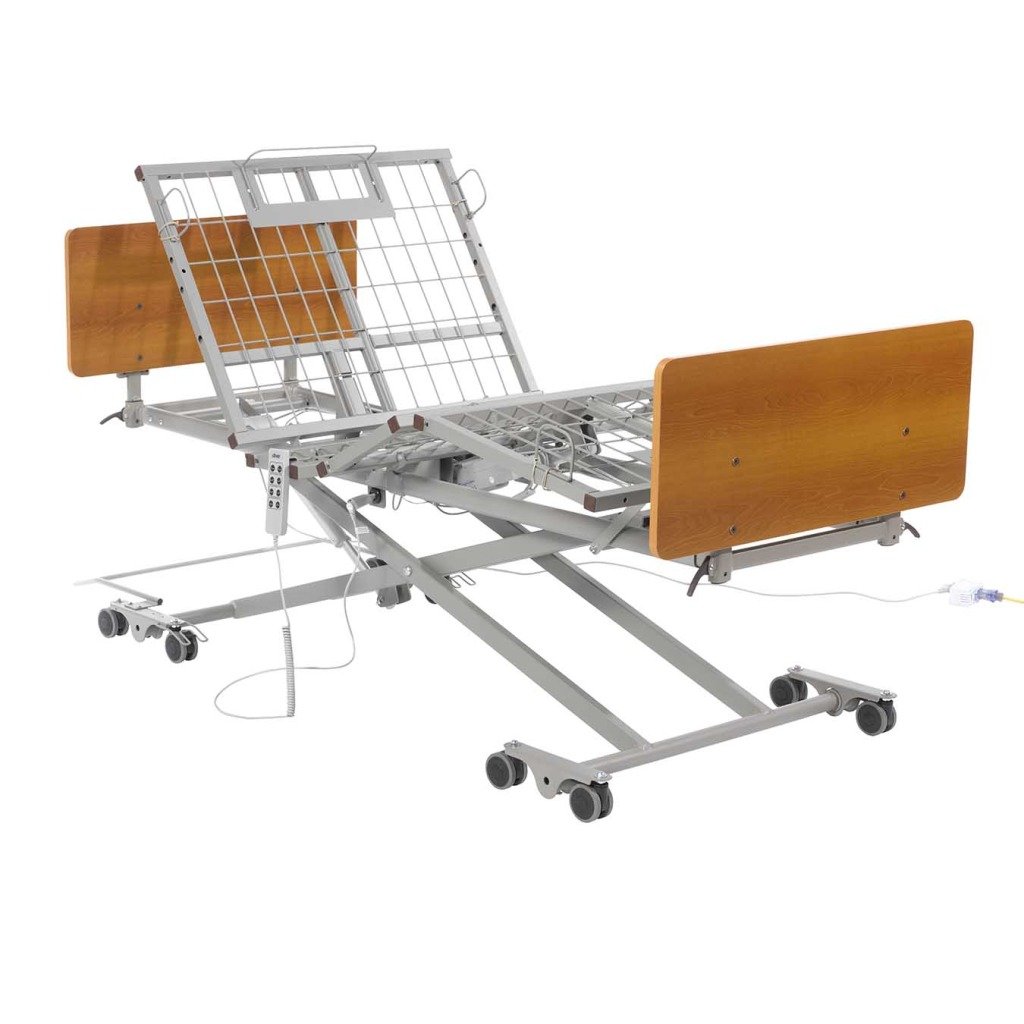
Drive Prime Care P503 LTC Bed
Long term care frame for facilities that need a standardised specification.
Drive Delta Ultra-Light 1000 Full-Electric Bed
Full electric height, head and knee from one handset.
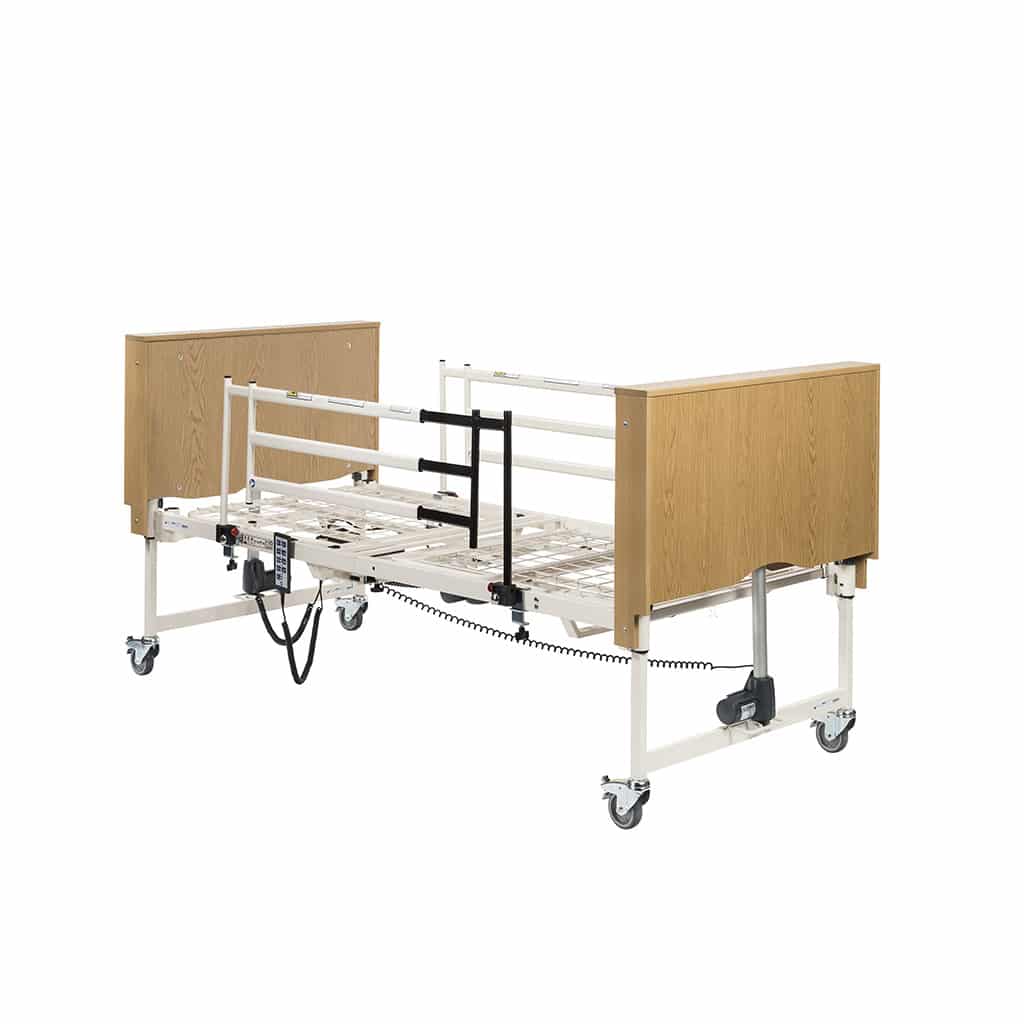
Drive Solite Pro Low Homecare Hospital Bed
Lower homecare profile for safer standing and transfers.
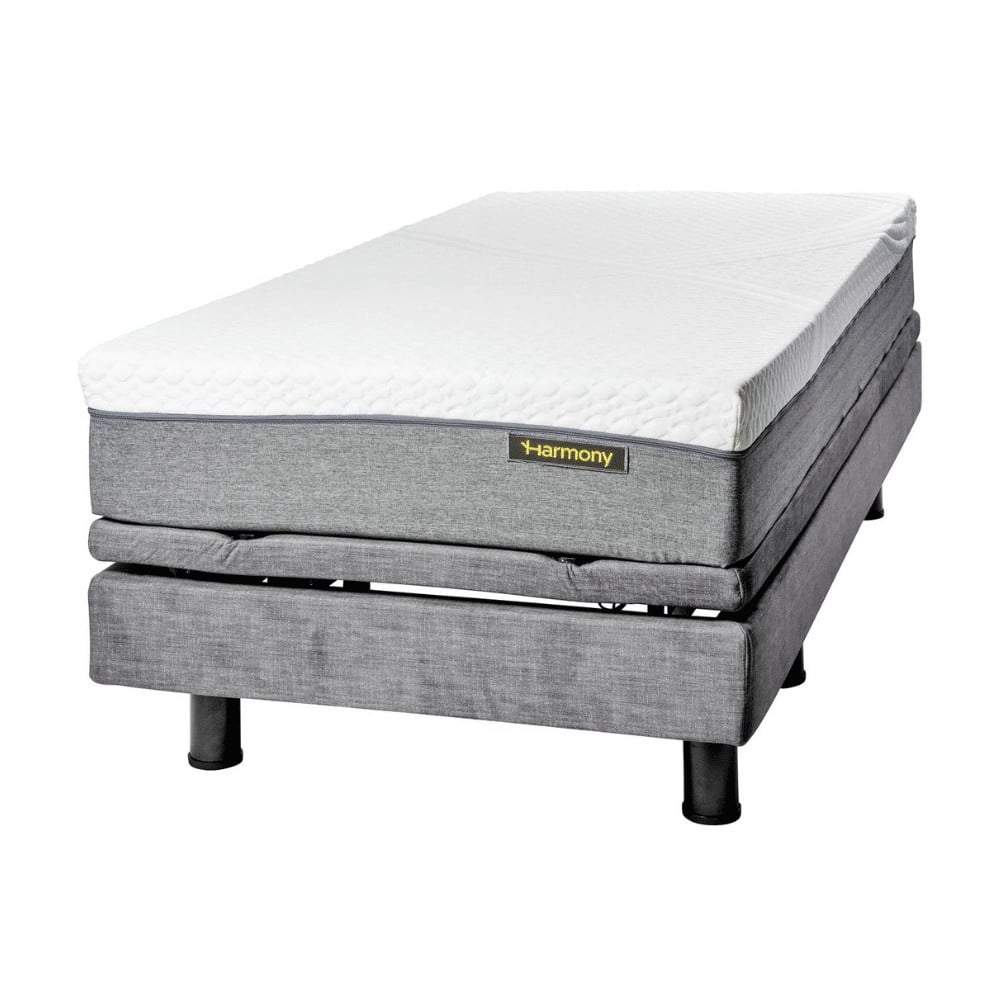
Harmony Hi-Low Electric Hospital Bed
Hi-low electric bed with a domestic finish for a bedroom.
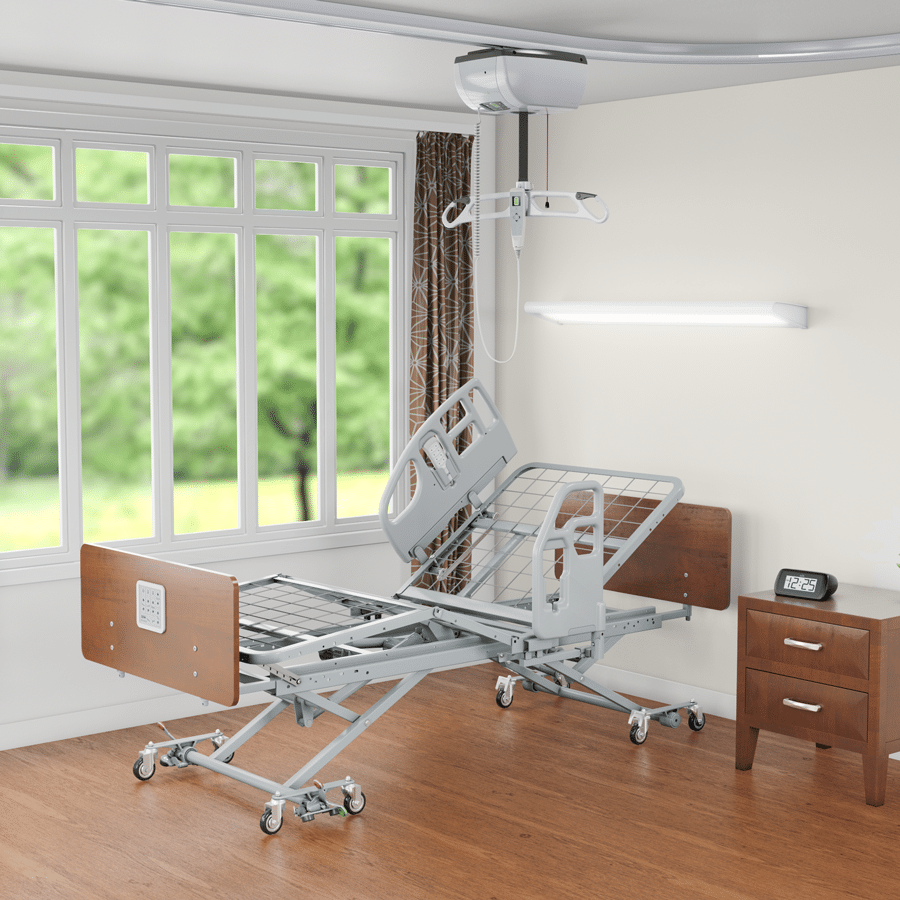
Span America Advantage Q-Series Long Term Care Hospital Bed
Facility-grade long term care frame for bulk or floor orders.
Beds are not an ADP item. Here is what does apply.
Ontario's Assistive Devices Program does not cover hospital or homecare beds. What frequently does apply is ODSP, March of Dimes Canada, WSIB where the need follows a workplace injury, Veterans Affairs, the Interim Federal Health Program and private insurance.
We are an authorized vendor for those programs, so we complete the forms, submit them and follow up on your behalf rather than handing you a stack of paper. And where nothing applies, renting is usually the sensible route.
You need it this week
Then renting is usually faster and cheaper than buying, and we can often have a bed in place before a discharge date. Ring rather than emailing if the date is close.
Book an assessment →You want a program to cover it
ADP does not fund beds. ODSP, March of Dimes, WSIB, Veterans Affairs, IFHP and private insurance often do, and we file those applications. Rent while it is processed so nobody waits.
See how funding works →Neither is realistic
Say so plainly. We will tell you what refurbished stock we hold, whether a rental costs less than you expect, and which smaller programs might apply. We would rather help than lose you.
Talk to us honestly →Questions we get asked about hospital beds
If yours is not here, call us on 905 451-7743. A person answers during business hours.
Does ADP cover a hospital bed in Ontario?
No. The Assistive Devices Program does not fund hospital or homecare beds. ADP covers wheelchairs, approved mobility scooters and seating. For a bed, the programs that more often apply are ODSP, March of Dimes Canada, WSIB where the need follows a workplace injury, Veterans Affairs, the Interim Federal Health Program and private insurance. We will tell you at the assessment which you are likely to qualify for.
How much does a hospital bed cost?
It depends on the frame, the mattress and whether you are buying or renting, and the mattress is often the bigger decision of the two. We give you a written price at the free assessment. We do not publish a range because the honest answer depends on what the person actually needs.
Can I rent a hospital bed instead of buying one?
Yes, and for a short or uncertain need it is usually the sensible choice. We rent across the GTA including Brampton, Mississauga, Toronto, Vaughan and Markham, deliver and assemble it, and collect when you are finished. If the need turns out to be permanent we can switch you to a purchase and factor in what you have paid.
How quickly can you deliver before a hospital discharge?
Often within a day or two, and we can frequently work to a discharge date if you call as soon as you know it. Ring early rather than on the day, because the discharge date is the one thing families always find out at the last minute.
Will it fit through the door and up the stairs?
Almost always, because the bed comes apart. Frames arrive in sections and are assembled in the room, so the doorway that matters is the bedroom one, not the width of a made-up bed. We check access at the assessment and tell you if anything is a problem before delivery day.
What is the difference between a homecare bed and a hospital bed?
The mechanism is much the same. The difference is how it looks: a homecare bed has wood-effect head and foot boards and a domestic finish so it reads as furniture, where a standard hospital bed has an exposed metal frame. If the bed is going into a room someone lives in every day, the homecare finish is usually worth it.
Which mattress should I choose?
It depends on how many hours a day are spent in bed, whether the person can shift their own position, and whether there is any skin breakdown already. Foam suits low risk, gel adds cooling and redistribution, alternating pressure is for higher risk or an existing injury, and hybrid combines the two. We match it at the assessment rather than selling the most expensive option.
Do I need bed rails?
Not always, and they are not automatically safer. Full rails can be a hazard for someone who is confused or likely to climb over them. Half rails used as a handhold for turning and rising are what most people actually need. We will talk it through rather than adding rails by default.
How much weight can the bed take?
Standard frames are rated well above average adult weight, and bariatric frames go considerably higher with a wider sleep surface. Note that the mattress has a rating too, and the lower of the two governs the bed. Tell us the weight at the assessment and we will specify both accordingly.
Do you deliver and set it up?
Yes. Our own technicians deliver, assemble it in the room, fit the mattress and rails, test every function and show whoever is using it how to work the handset. A hospital bed is heavy and arrives in parts, so this is not a job to leave to a courier.
Do you supply beds to long term care homes and facilities?
Yes. We supply long term care and retirement facilities across the GTA, including bulk orders and standardised specifications across a floor or a whole home, so staff are not learning a different handset in every room. You deal with the same consultant each time.
Can the bed be used with a patient lift?
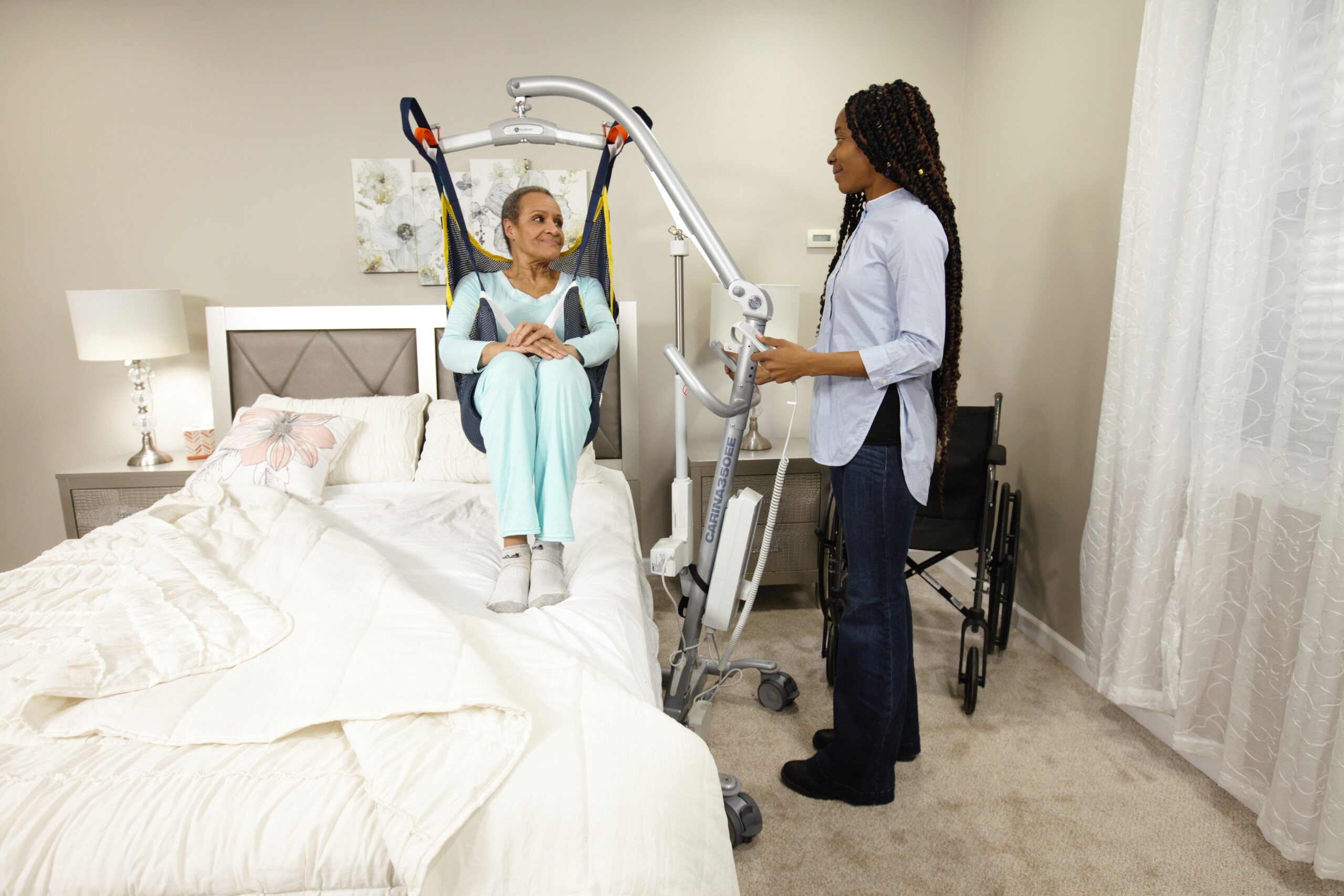
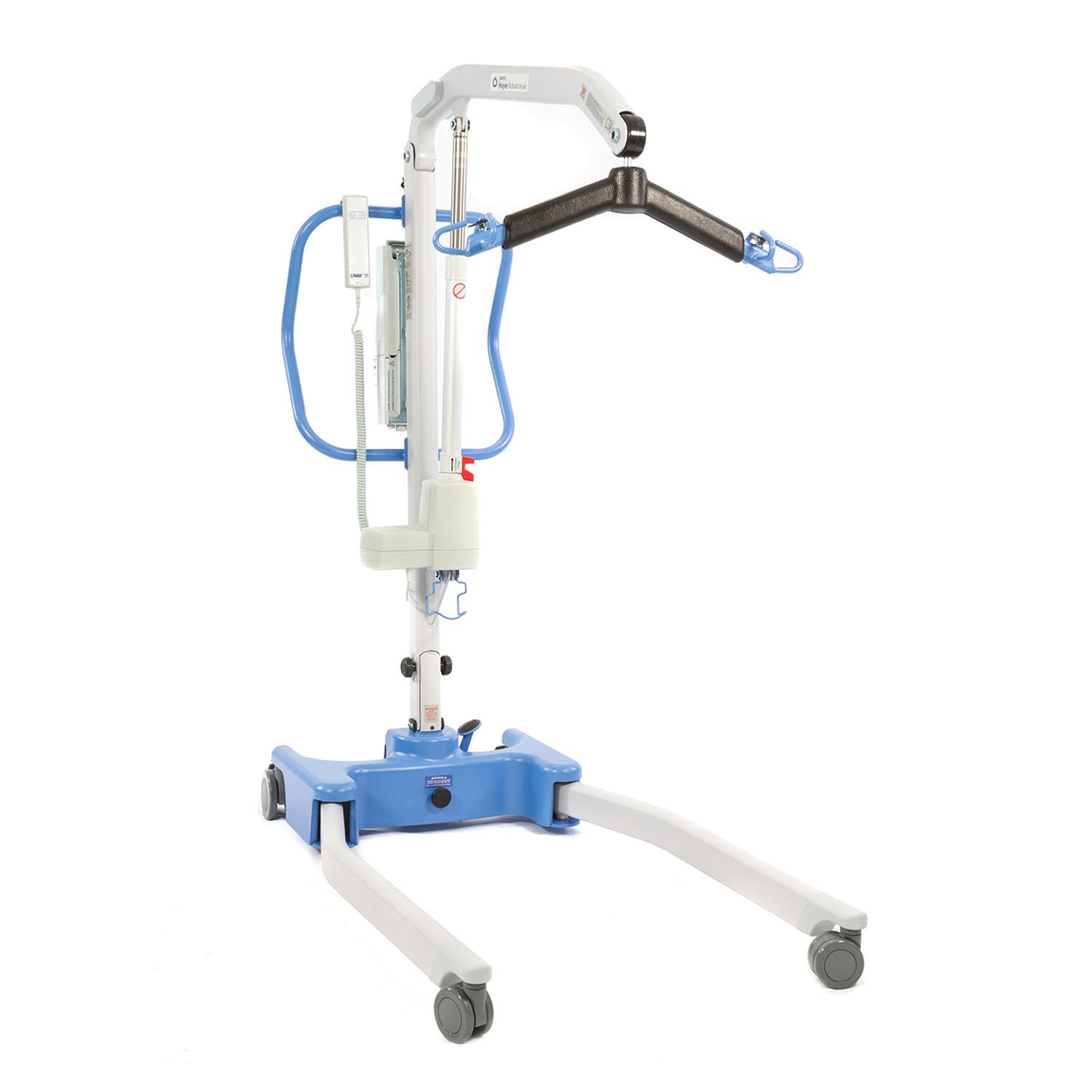
Yes, and if transfers are part of the day it is worth planning both together. A floor lift needs clearance under the bed for its legs and room to manoeuvre with someone suspended. We check that at the assessment rather than discovering it on delivery day.
You might also be looking at

Book a free bed assessment
We look at the room, the doorway, who is using the bed and who is caring for them, and leave you a written price. No charge for the visit, and no pressure afterwards.