
Pressure relief mattresses
Compare medical mattresses for homecare, with help checking the bed, equipment specifications and delivery options.
Explore foam, gel, alternating pressure, hybrid and low air loss options. Clinical suitability should be assessed by a qualified healthcare professional.
Find a mattress that fits the bed and care plan
Ask your healthcare professional which support surface is appropriate. Then compare the model specifications, bed dimensions, power requirements and maintenance with our team.
Check the equipment and the care plan together
Ask a qualified healthcare professional about the support surface appropriate for the person. Our equipment team can help you check specifications and arrange a written quote.
Bed compatibility
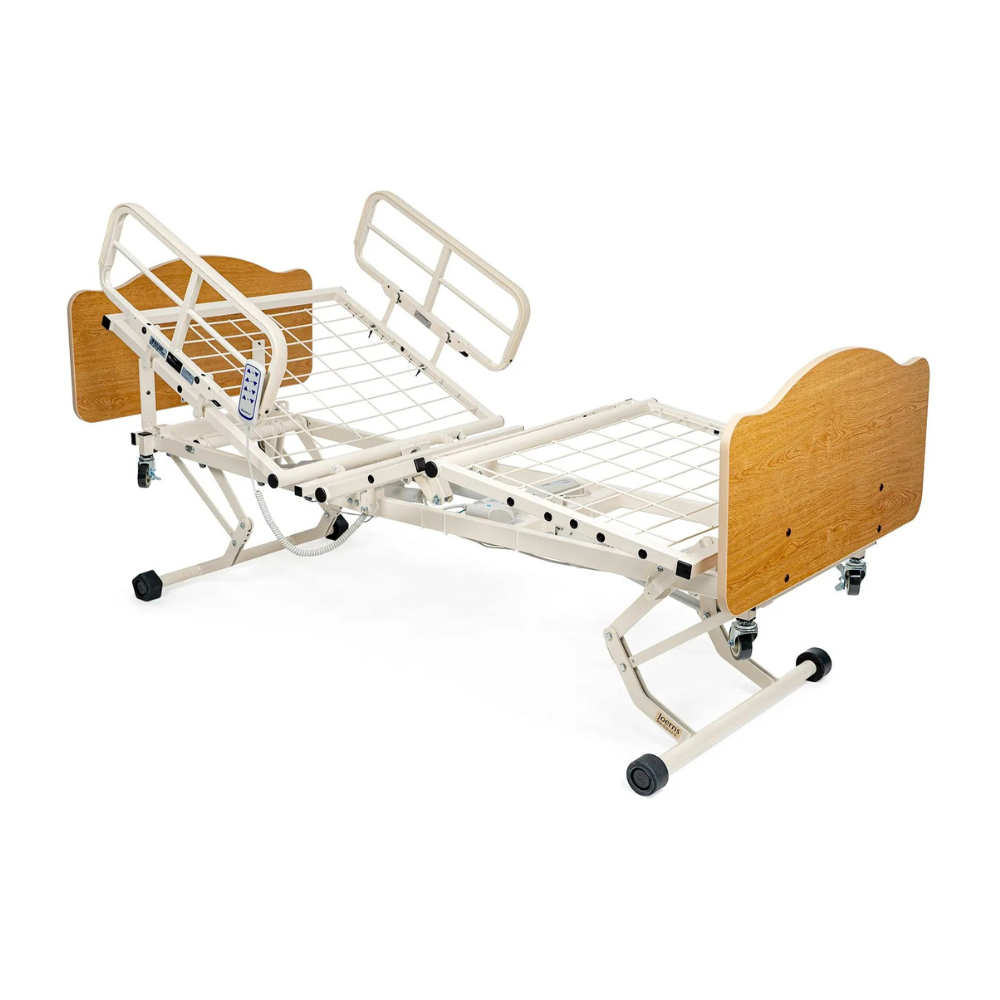
Confirm mattress length, width, depth and compatibility with the exact bed and accessories.
Power and maintenance
Check the pump, power requirements, cleaning instructions and maintenance for the model you choose.
Delivery and setup
Confirm stock, access to the room, setup requirements and charges before placing an order.
These are not good, better and best.
Compare how each type works, then confirm clinical suitability and the exact specifications before purchase.
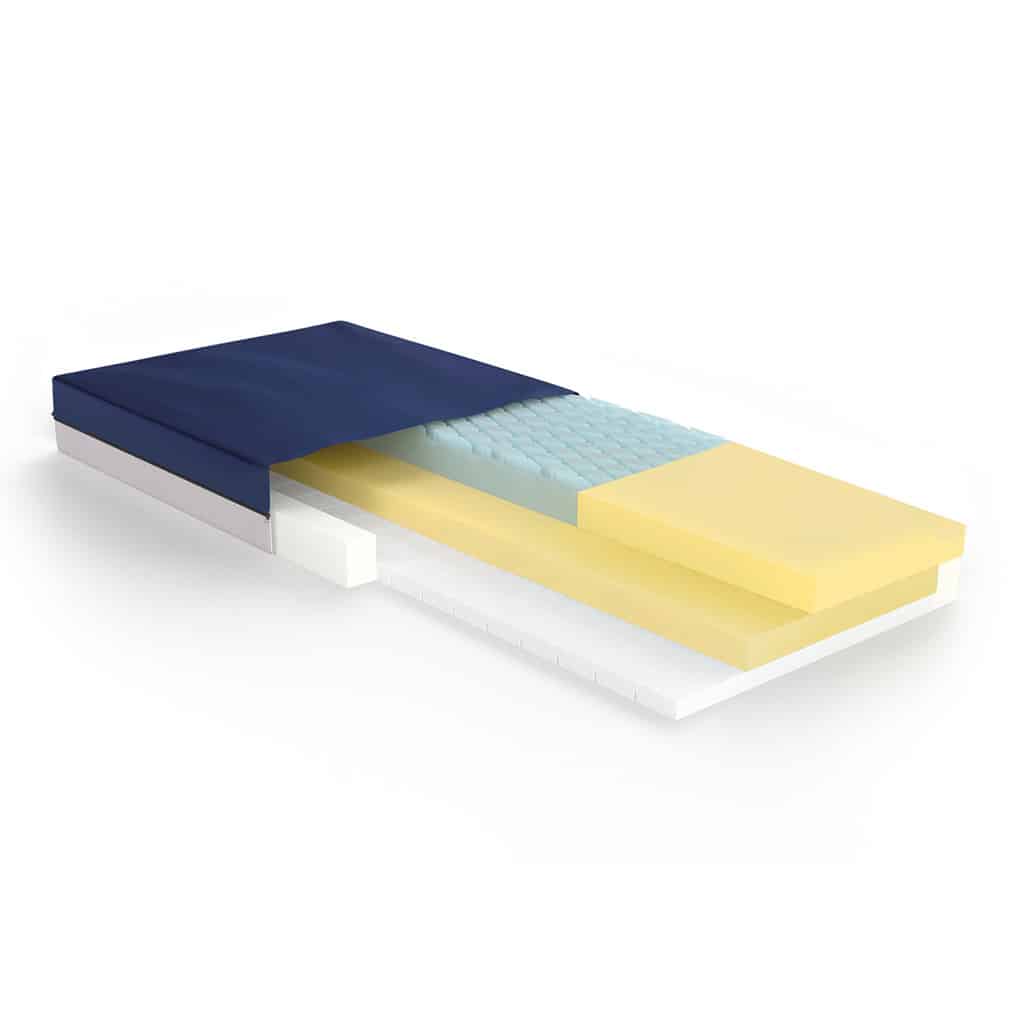
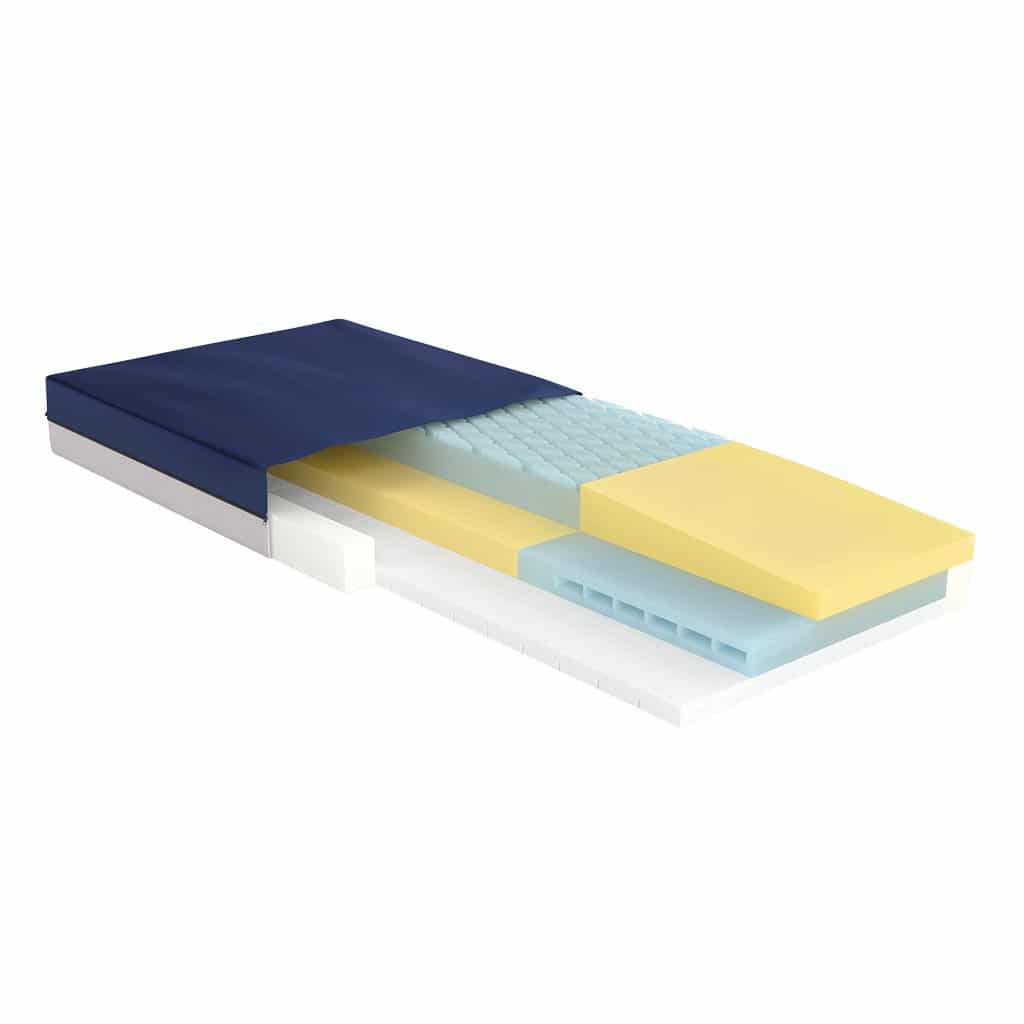
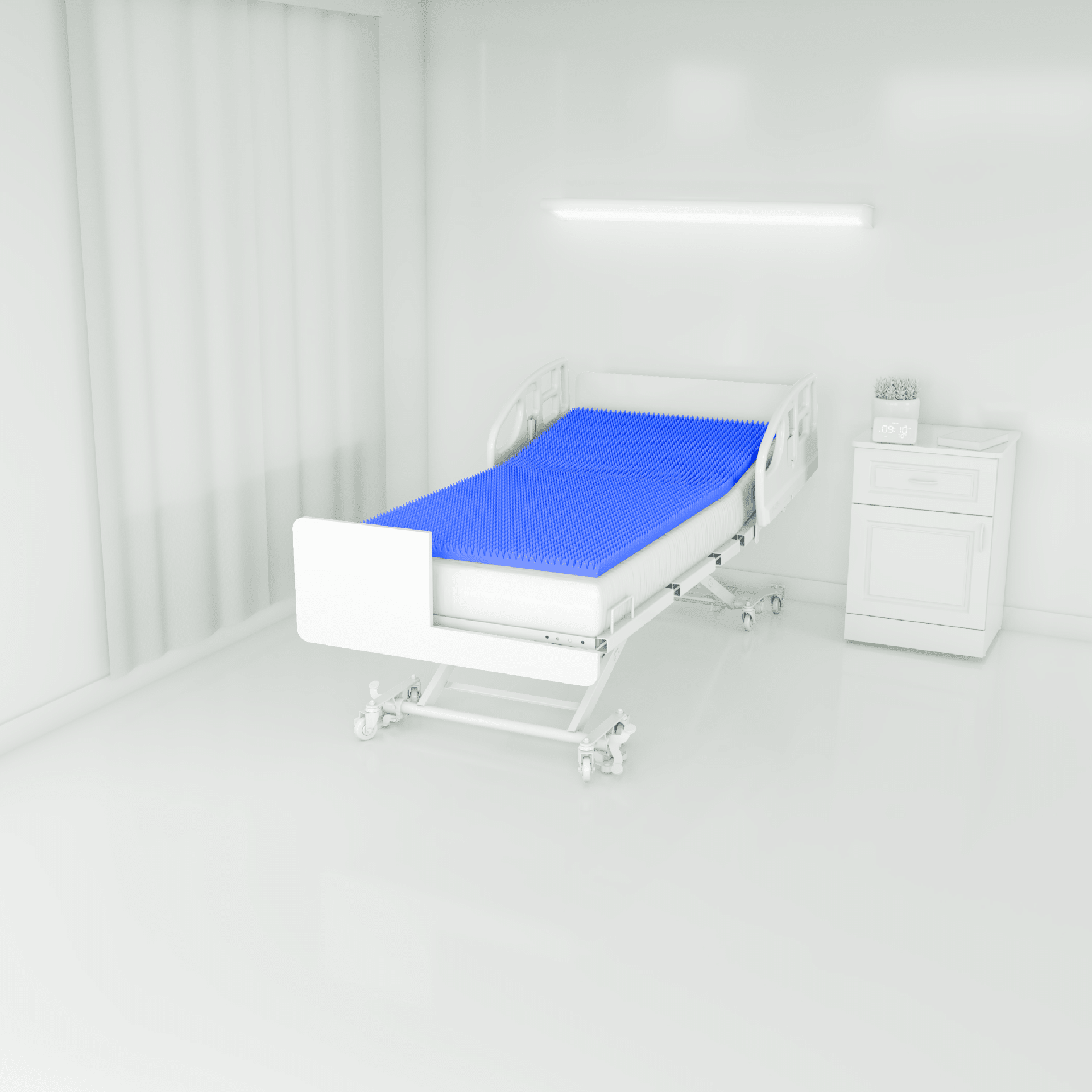
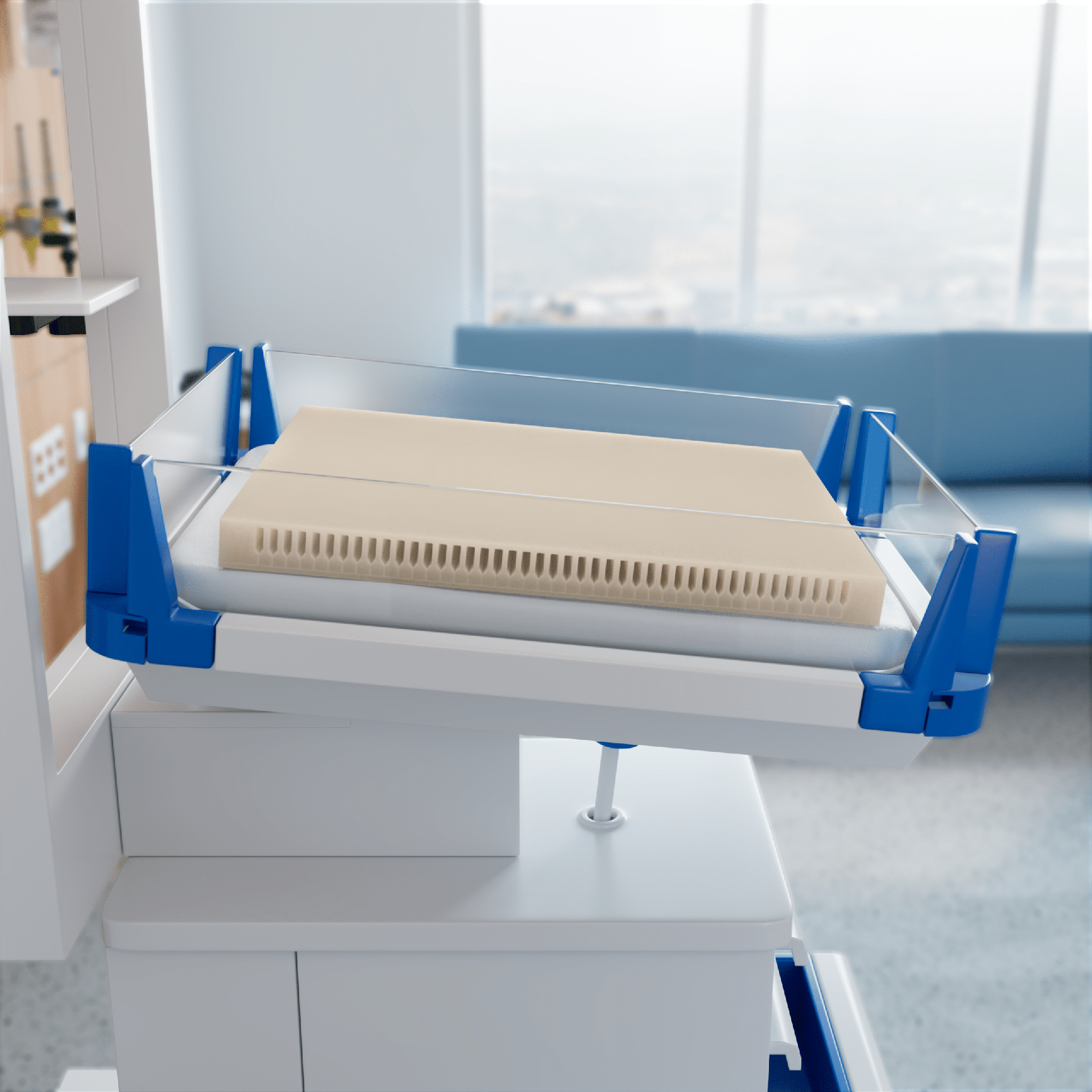
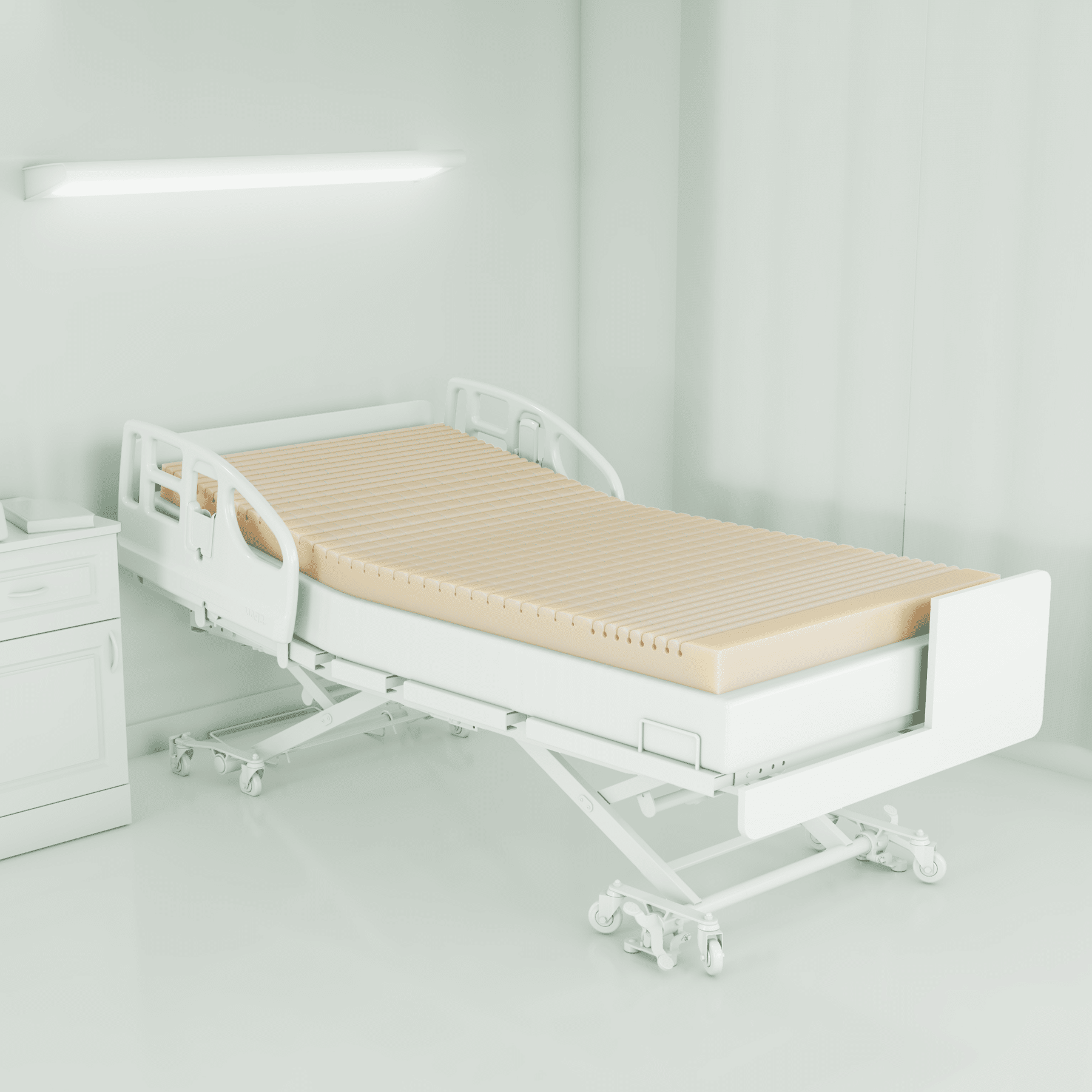
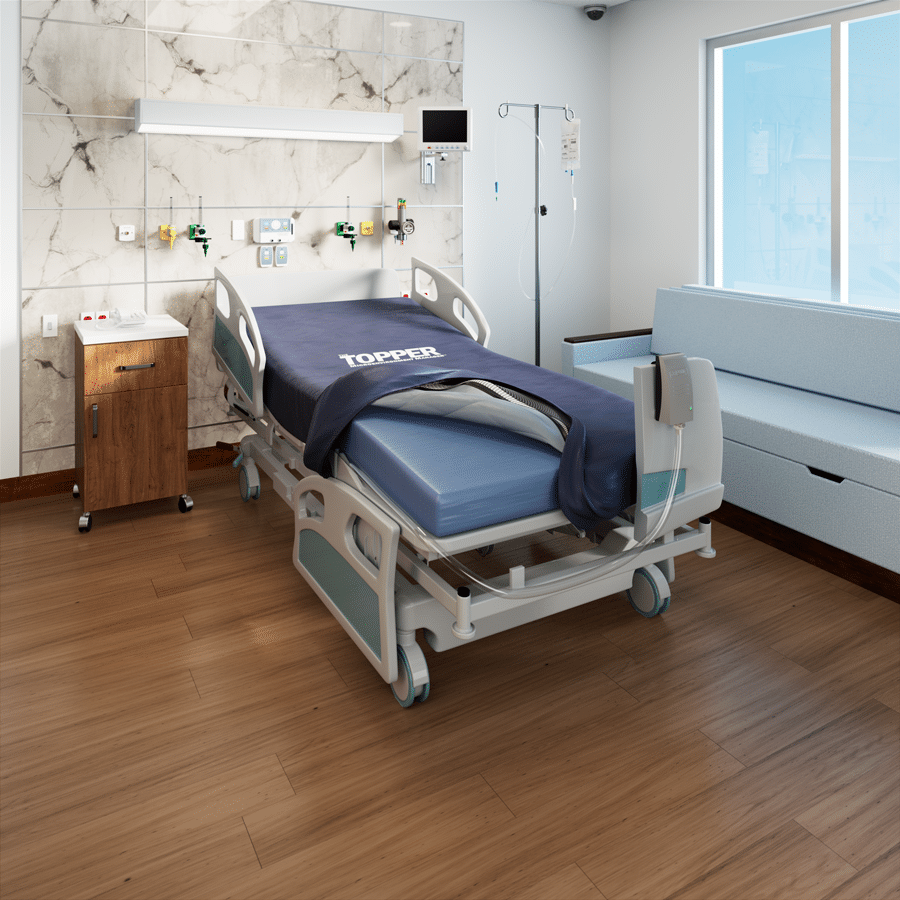
High specification foam, often layered or castellated so it redistributes rather than simply supporting. Check the exact construction, cover and care instructions.
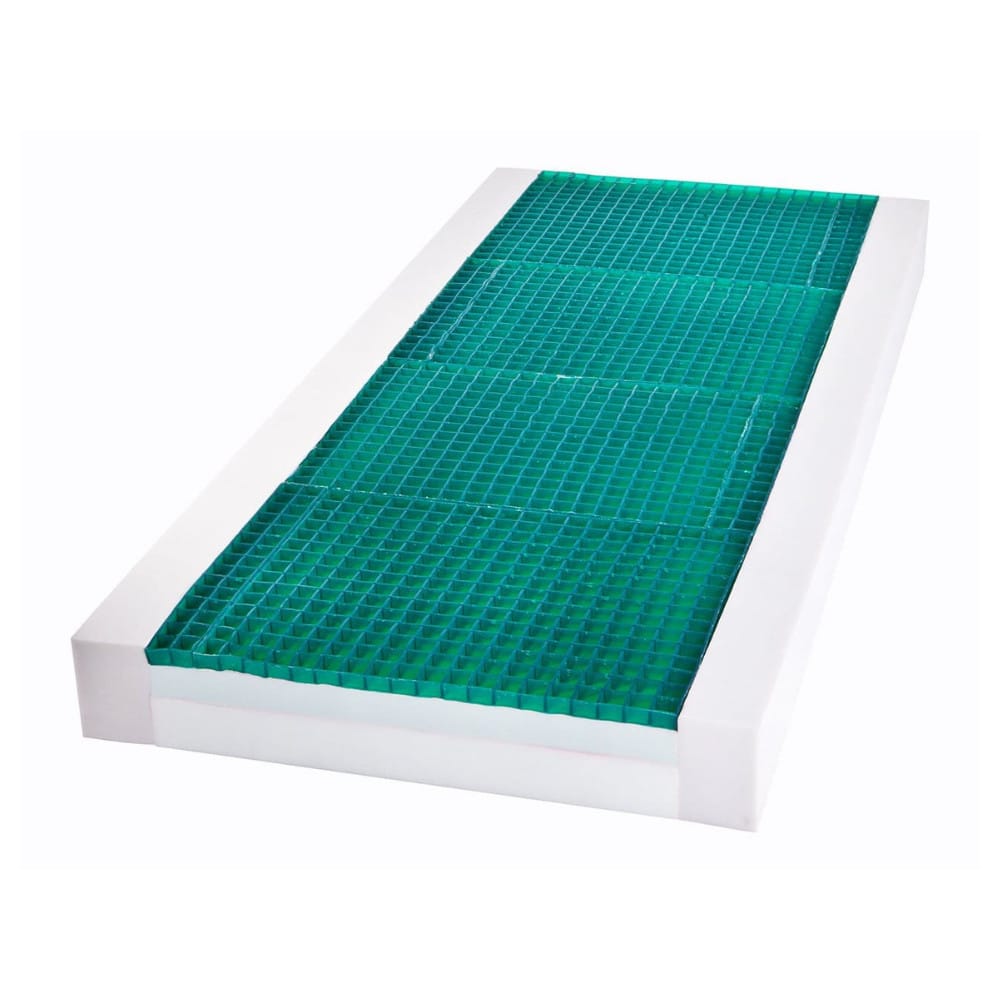
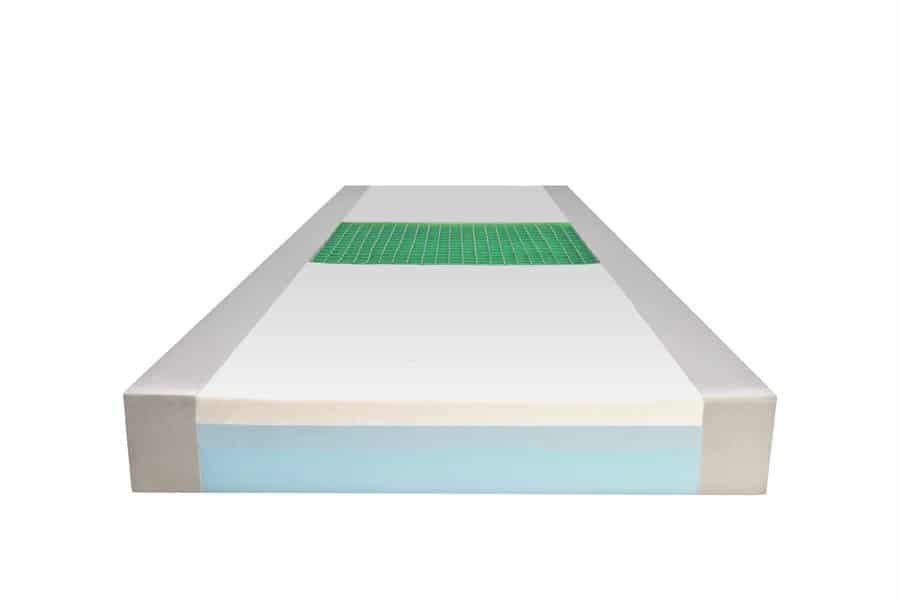
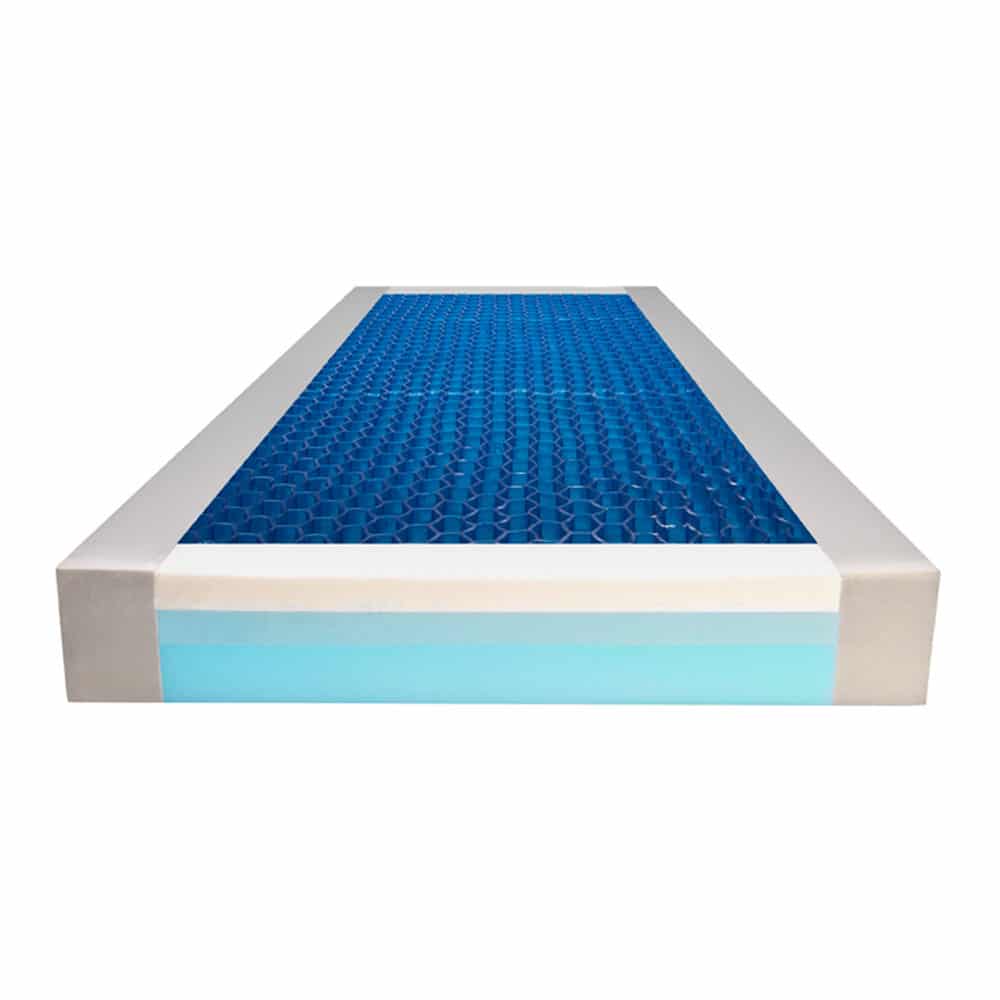
A gel layer over foam spreads load away from heels, sacrum and shoulders and runs cooler, which matters over long hours.
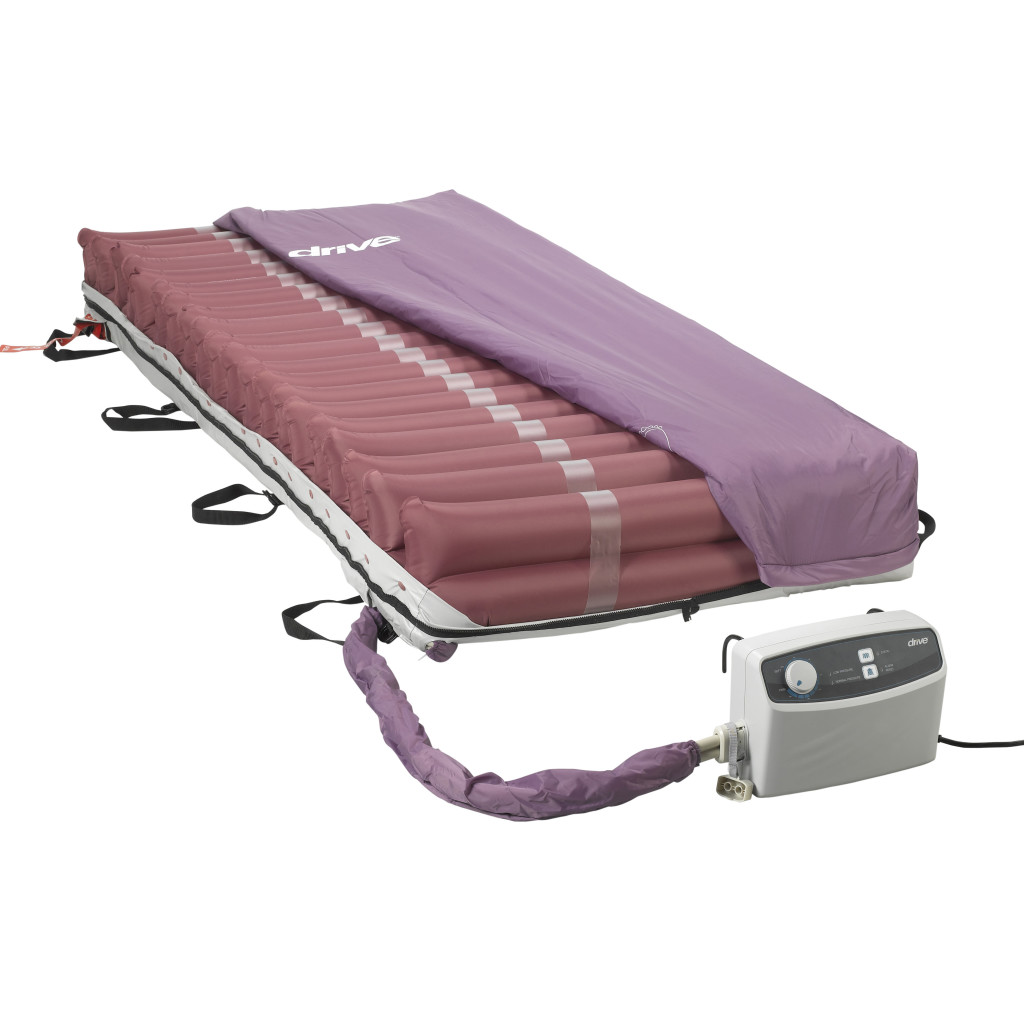
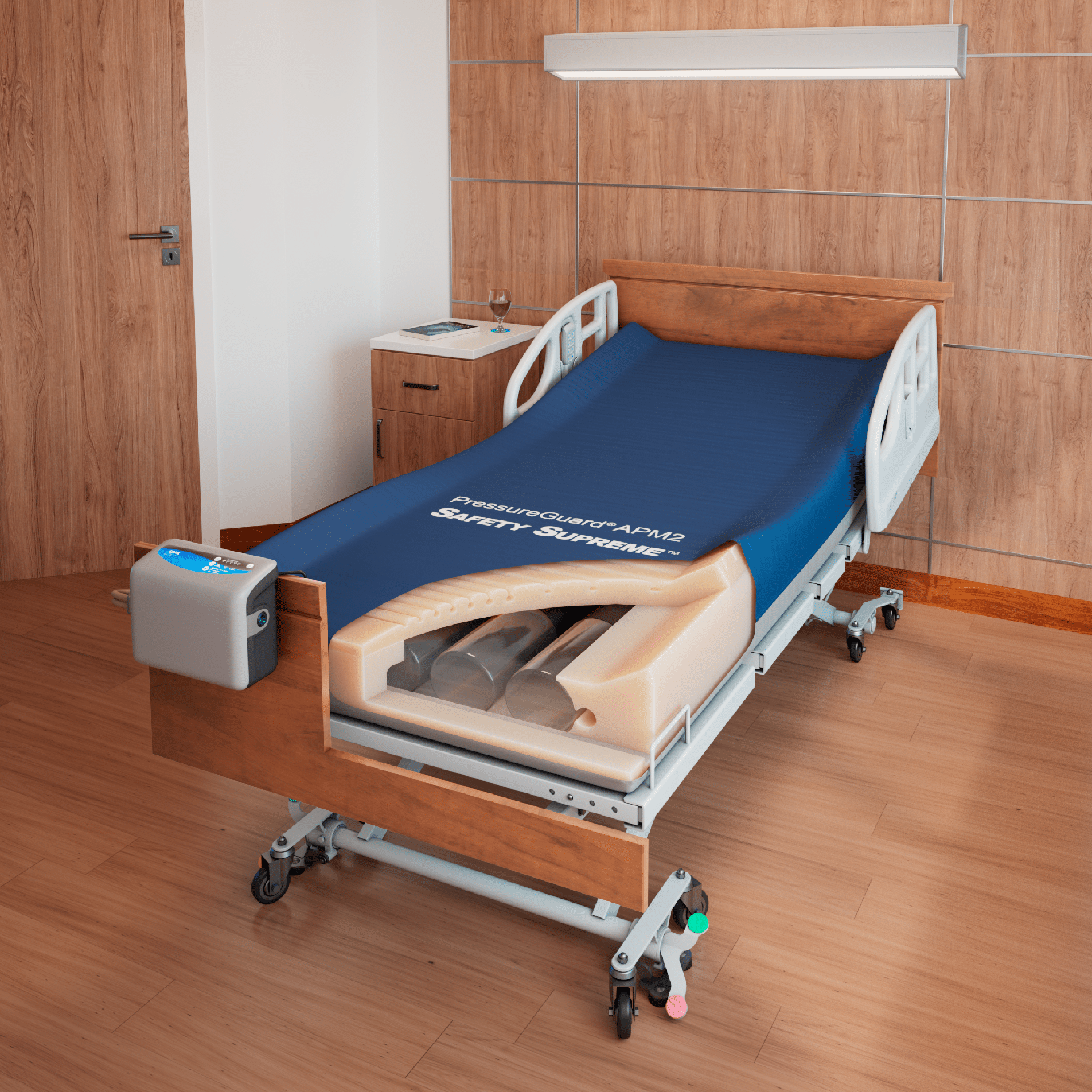
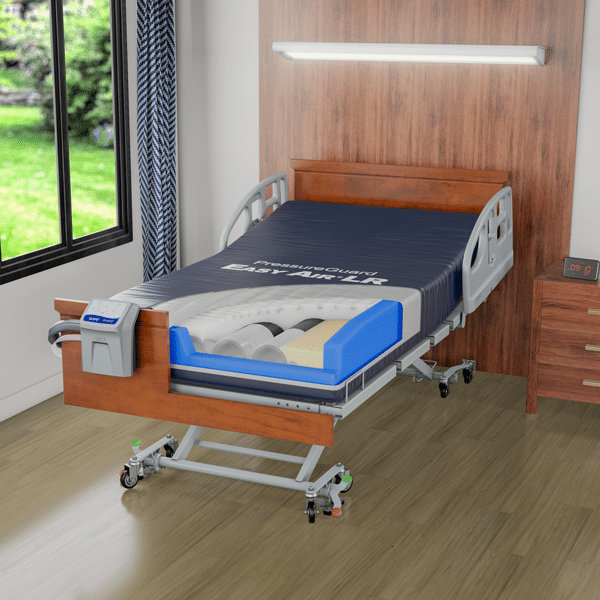
A pump changes the pressure in the air cells in a cycle. Check cycle settings and model specifications.
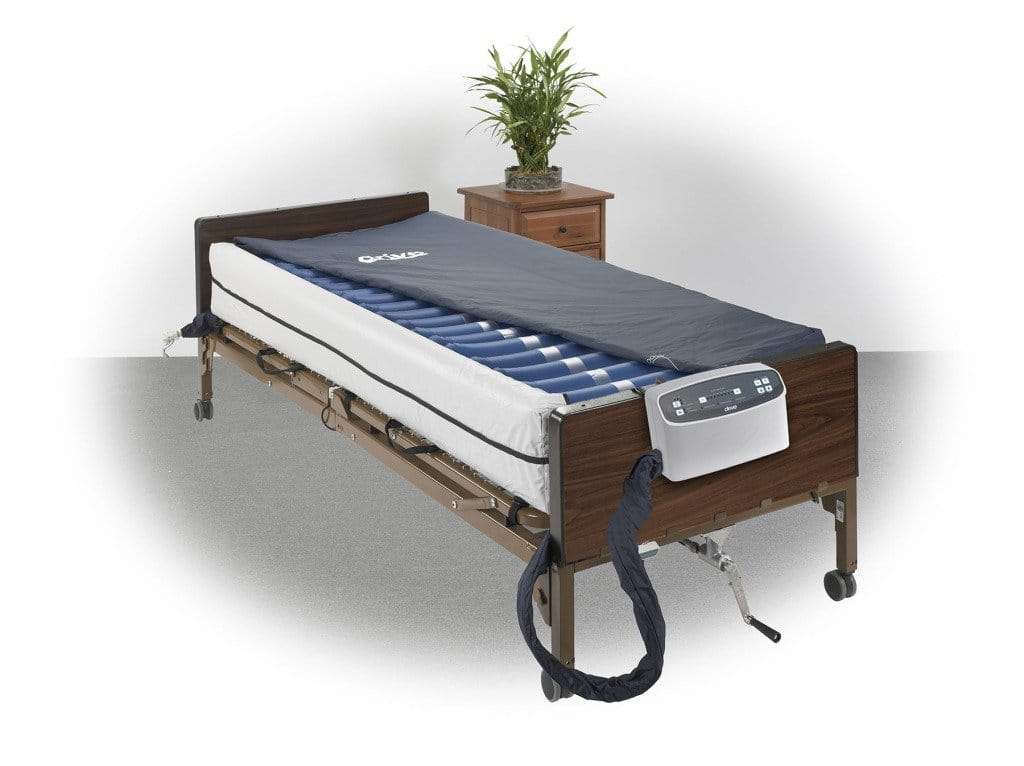
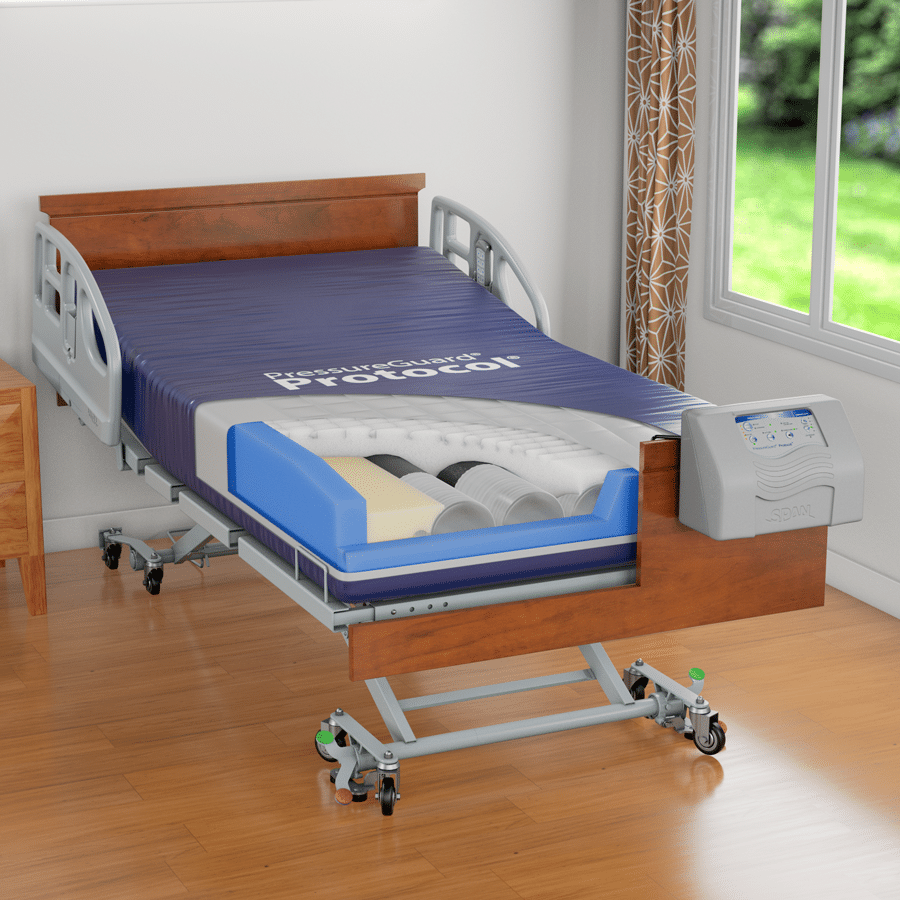
Foam construction with an air system inside, or a low air loss system that also manages moisture and heat at the skin surface.
Shop pressure relief mattresses by type
Everything we have published, grouped the way people ask for it. The counts come straight from the catalogue, so new stock shows up here on its own.
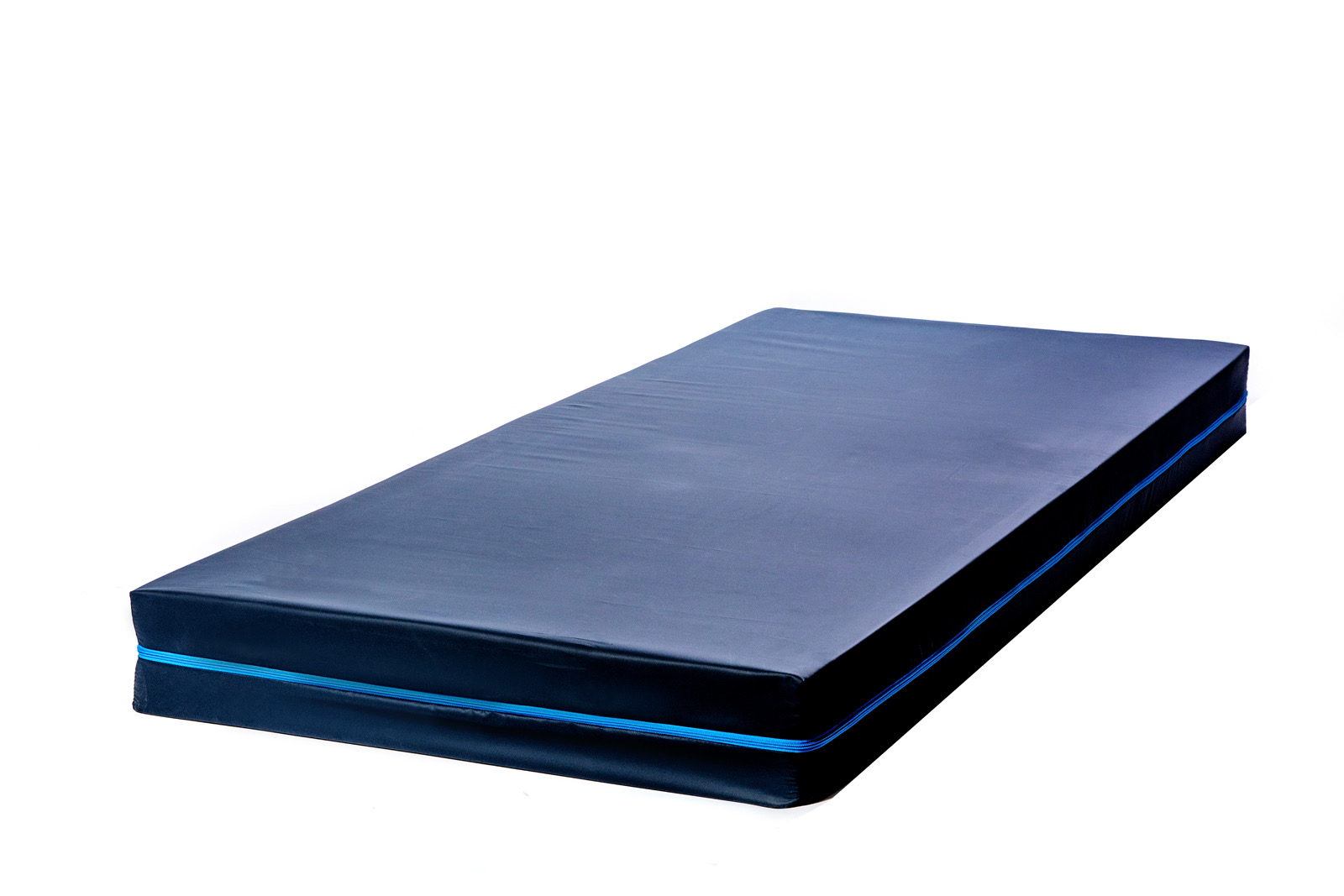
Foam Mattress59
See all 59 Foam Mattress


Alternating Pressure Mattress41
See all 41 Alternating Pressure Mattress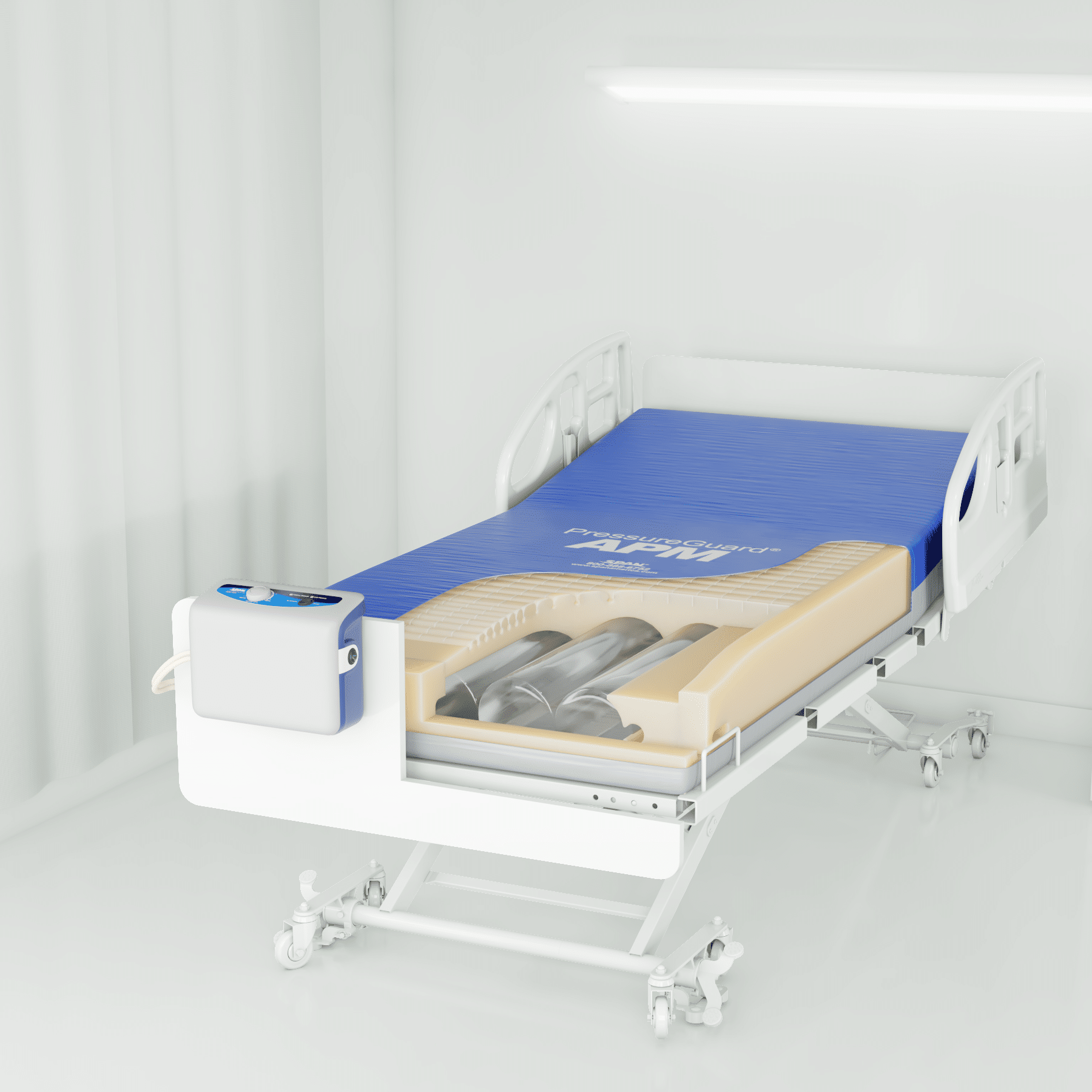


Gel Mattress7
See all 7 Gel Mattress
Hybrid Mattress11
See all 11 Hybrid Mattress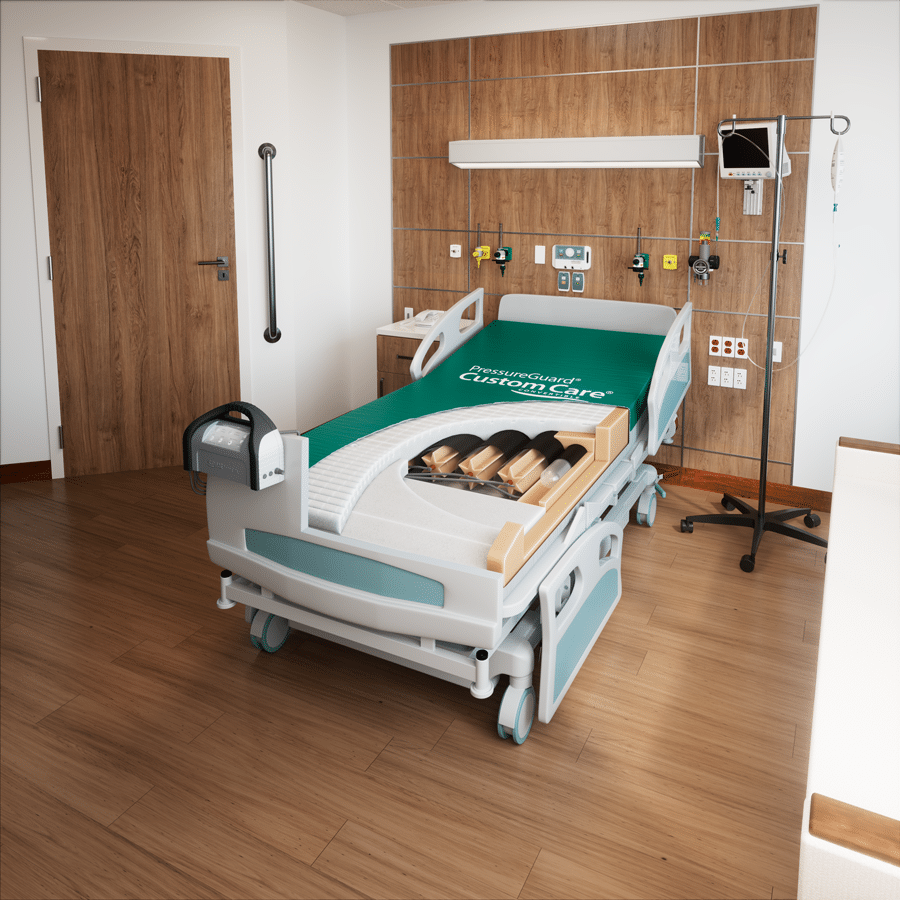

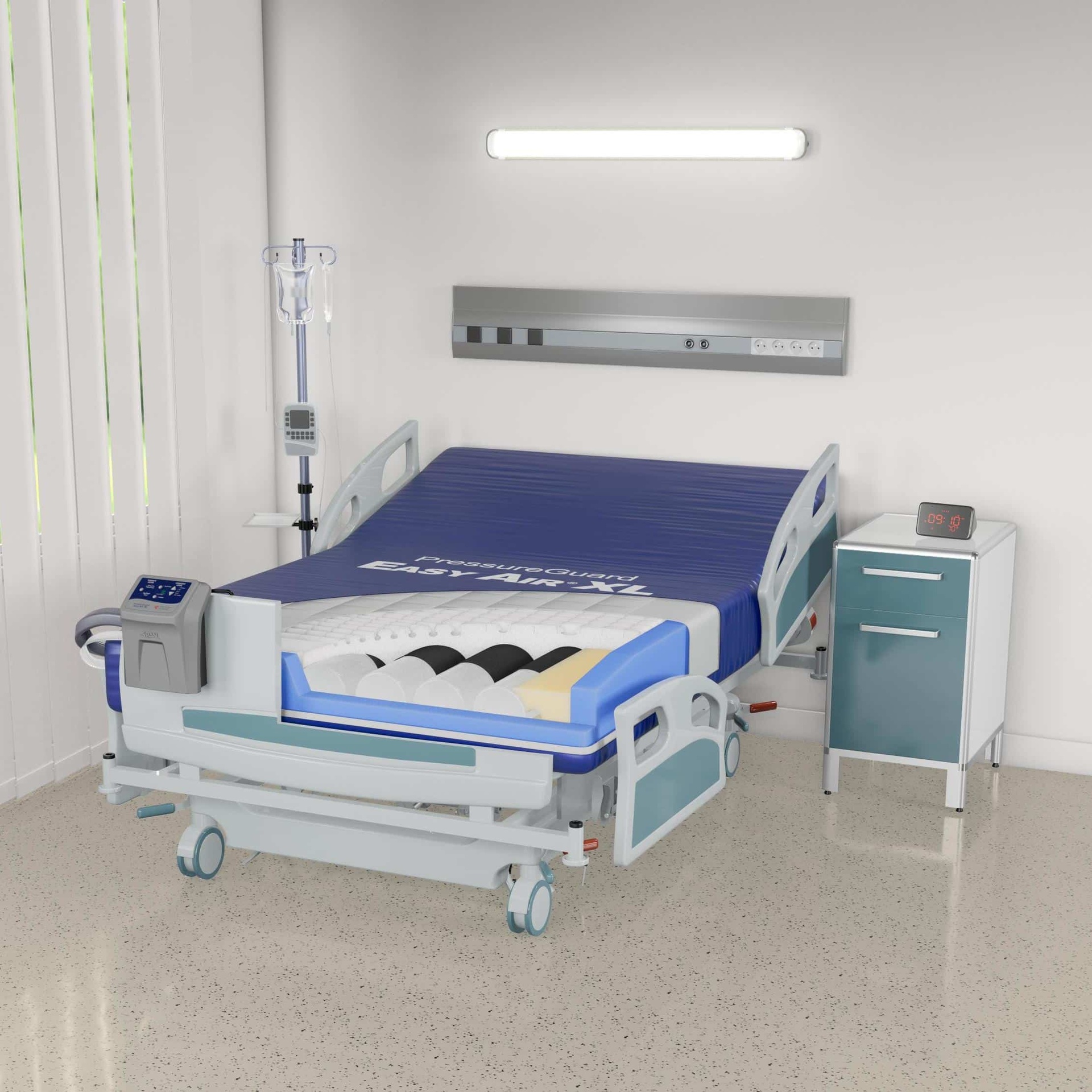
Bariatric Mattress8
See all 8 Bariatric Mattress


Accessories, parts and batteries
The most expensive mattress is not automatically the right one.
Choose a mattress with guidance from your healthcare professional. Compare the exact model, bed compatibility, dimensions, comfort, power requirements and maintenance before ordering.
A mattress is one part of a care plan. It does not replace skin assessment, appropriate repositioning or other care recommended by a healthcare professional.
What goes with it
The parts that decide whether the mattress does its job over months rather than days.
Mattress covers
Waterproof but vapour permeable, so moisture leaves rather than being trapped against skin. Use covers and bedding compatible with the manufacturer's instructions.
Heel protection
Ask your healthcare professional whether additional positioning or offloading equipment is appropriate.
Positioning wedges
Foam wedges that hold someone at an angle so load moves off the sacrum, for people who cannot turn themselves.
Fitted sheets
Cut for a profiling mattress so they do not pull tight and create a ridge when the bed articulates. Confirm the sheet size and bedding requirements for the exact mattress.
Medical mattresses we supply
Compare current products and confirm suitability with your care team.
Gravity 8 Deluxe Long Term Care Pressure Redistribution Mattress
High specification foam for long hours in a homecare or facility bed.
Gravity 7 Long Term Care Pressure Redistribution Mattress
Foam mattress option; check compatibility and specifications.
Geo-Matrix G2 Memory Foam Therapeutic GEL Mattress
Gel mattress option; confirm dimensions and specifications.
Geo-Matrix G3 Memory Foam GEL Mattress
Gel mattress option; compare construction and available sizes.
Med-Aire 8 inch Alternating Pressure and Low Air Loss Mattress System
Powered air system; check the exact model specifications.
Med-Aire Plus 8 inch Alternating Pressure and Low Air Loss Mattress System
Powered air system with model-specific options.
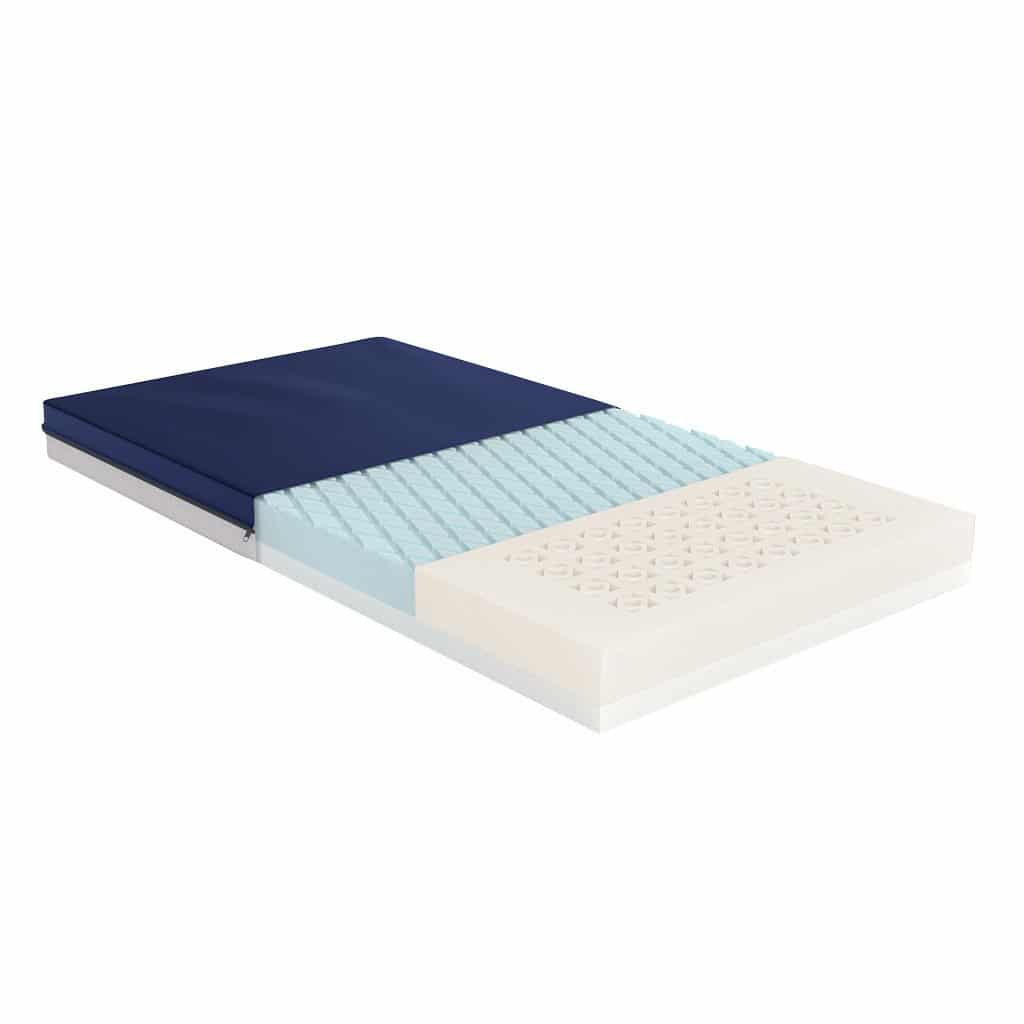
Drive Multi-Ply SHEARCARE1500 Pressure Redistribution Foam Mattress
Foam redistribution, including a bariatric width option.
Confirm the price, rental terms and funding first
Ask the program or insurer whether the exact item and supplier are eligible, and whether approval is required before purchase. Funding is not guaranteed. We can help prepare product details and a written quote.
Questions we get asked about pressure relief mattresses
If yours is not here, call us on 905 451-7743. A person answers during business hours.
How do I know which mattress I need?
Ask a qualified healthcare professional to assess the appropriate support surface. Our team can help compare product specifications, bed compatibility, availability and pricing.
Is an alternating pressure mattress always better?
No single mattress type suits everyone. Follow individual clinical advice and check the exact model specifications, comfort, compatibility, power and maintenance requirements.
What is low air loss?
Low air loss and alternating pressure describe different functions. Check the manufacturer's specification to confirm which functions a particular model provides and ask your healthcare professional which are appropriate.
Does ADP cover a pressure relief mattress?
Pressure relief mattresses are not an ADP-funded mobility device. Ask your program or insurer to confirm any other funding options and whether approval is needed before purchase. We can provide a written equipment quote.
Can I use my own sheets?
Check the mattress manufacturer's instructions for compatible sheets, covers and bedding. Confirm the size and fitting requirements before using existing bedding.
Does the mattress fit my existing bed?
Confirm the mattress dimensions, bed platform, profiling functions, rail compatibility and weight limits for the exact models. Our team can help check the equipment specifications before ordering.
Can I rent a therapy mattress?
Ask about current rental availability, the exact model, monthly terms, delivery and collection charges. Confirm suitability with your care team before arranging equipment.
What happens in a power cut with an air mattress?
Power-failure behaviour varies by model. Ask about it before purchase and follow the manufacturer's instructions and your care team's contingency plan.
How do I know if the current mattress has failed?
Follow the manufacturer's inspection and alarm instructions. Contact the supplier about damage, faults or changes in performance, and ask your care team about any clinical concerns.
What about the heels?
Ask your healthcare professional whether additional positioning or offloading equipment is appropriate. A mattress does not replace the rest of the care plan.
Is the pump noisy?
Noise varies by pump and operating mode. Ask for the model specifications and discuss comfort and placement before ordering.
How quickly can you deliver?
Contact us to confirm current stock, delivery dates, access to the room, setup and any charges. Availability and timing depend on the equipment and location.
You might also be looking at
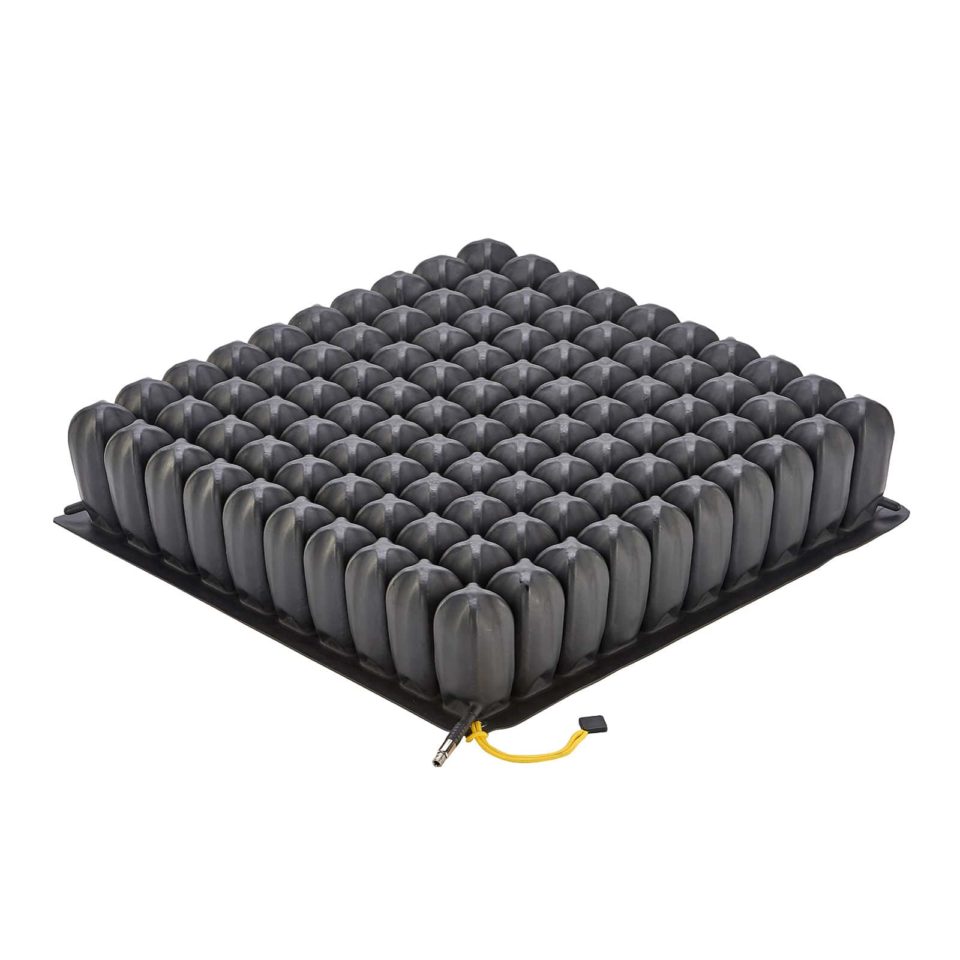

Book a free mattress assessment
Tell us which products you want to compare. We can help with specifications, bed compatibility, availability and a written quote. Ask your care team about clinical suitability.