
Manual wheelchairs
Every pound in the frame is a pound somebody lifts into a car, or pushes up a hill, or propels with their own shoulders.
Self-propelled, transport and tilt-in-space chairs from Motion Composites, Ki Mobility, Sunrise and Invacare. Measured to the person, with the cushion chosen at the same time as the frame.
Which manual chair, and who is pushing it?
Who propels it, how far it goes, and how long the person sits in it. Those three answers point at one frame, and they also decide whether ADP will fund it.
A chair that is too heavy is a chair that stays in the hallway.
People compare price and skip weight, and it is the wrong way round. If the person pushing has to lift the chair into a boot twice a day, four pounds is the difference between going out and not bothering.
If the person is propelling themselves, frame weight decides how far they get before their shoulders give out, and shoulder injury is what ends independent propulsion. An ultralight frame is not a luxury specification. It is what protects the joints doing the work.
Into the car, twice a day
The weight that matters is what remains after the wheels come off. We will show you the difference in the showroom rather than quoting numbers.
Shoulders are not replaceable
Self-propelling a heavy chair damages rotator cuffs over years. A lighter frame and correct rear axle position reduce the load per push.
Two inches too wide is a problem
An oversized seat lets someone slide sideways all day, which pulls the spine out of line. Width is measured, not estimated.
The chair holds a body for hours
Backrest height, seat angle and footrest length decide whether someone sits upright or slumps. This is what an assessment is actually for.
Four frames, for four different jobs.
One of these is not ADP funded, and we would rather you knew that before you fell for it.
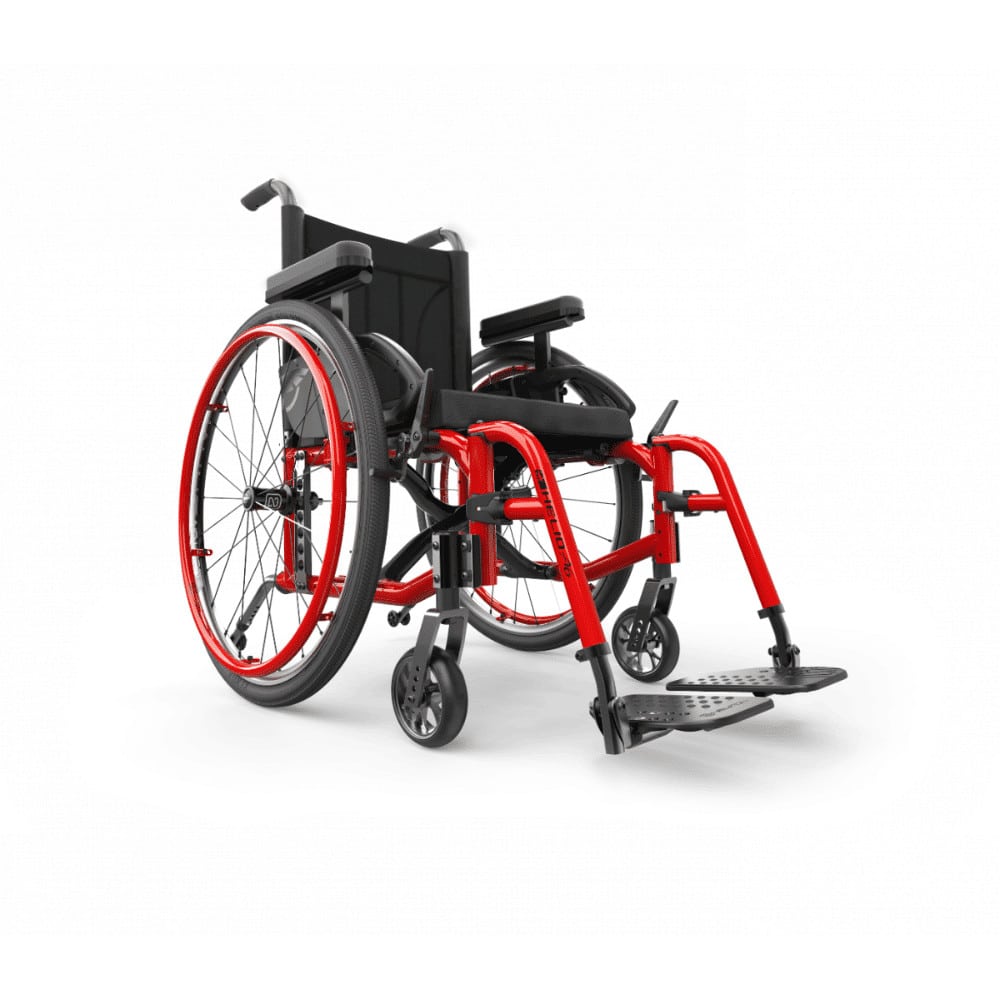
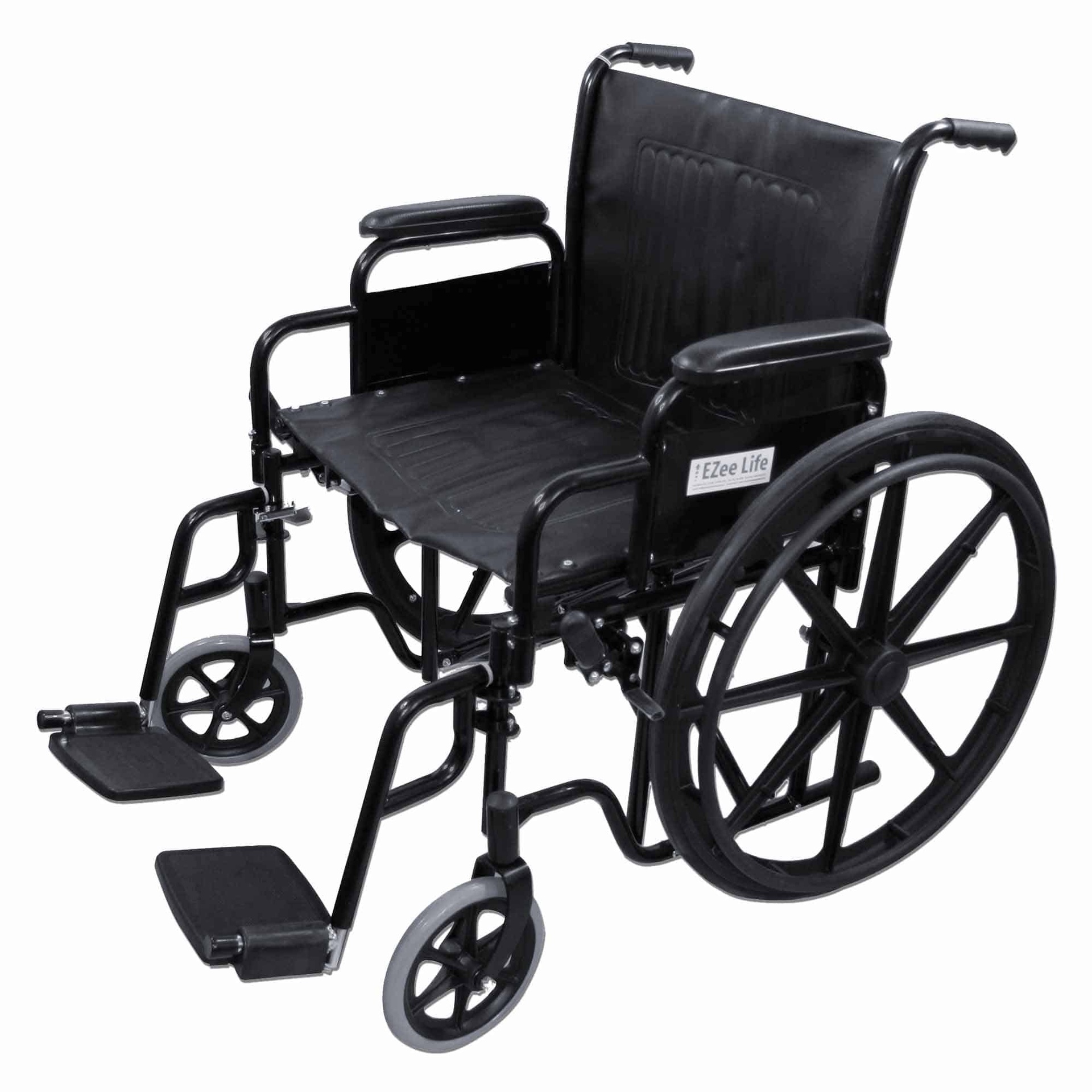
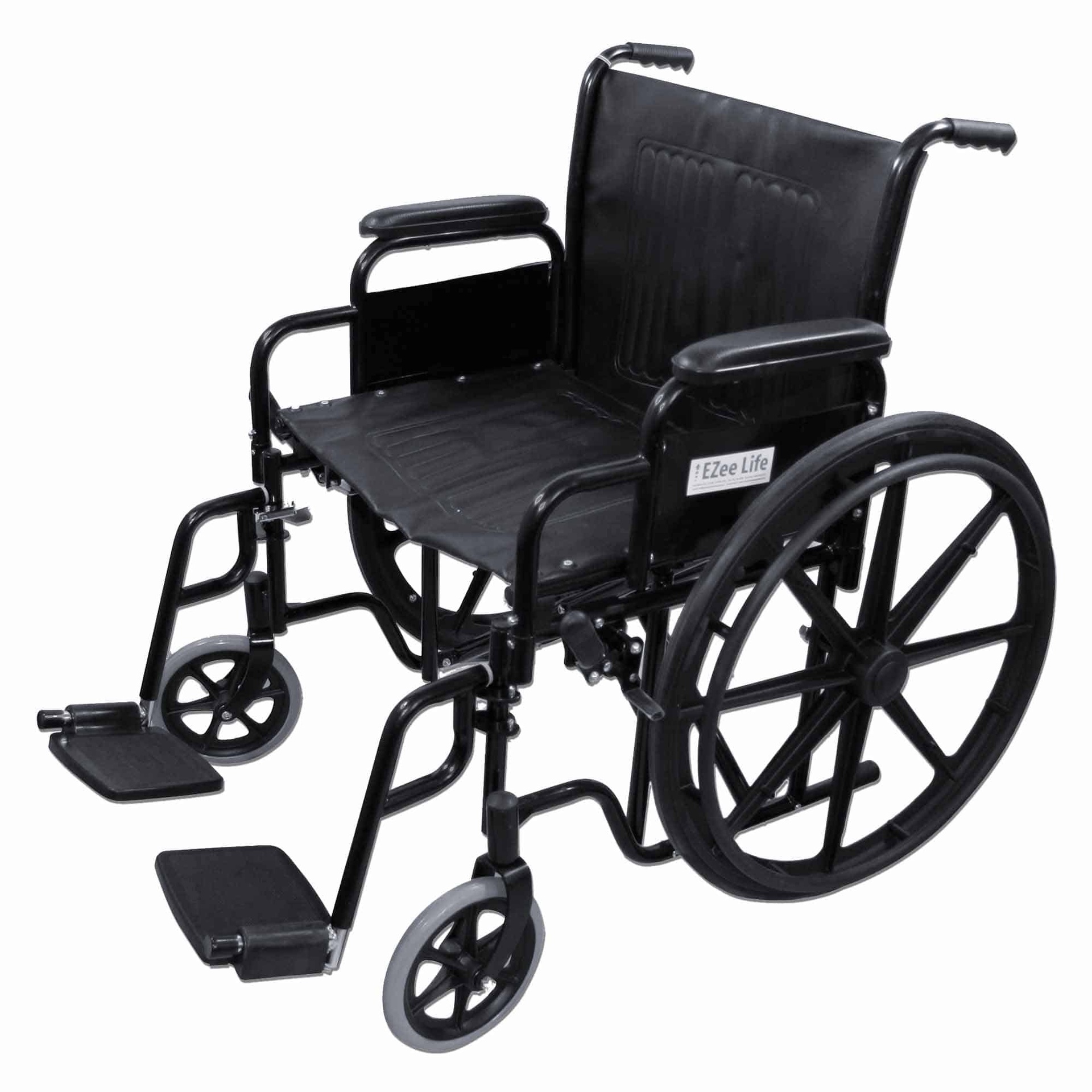
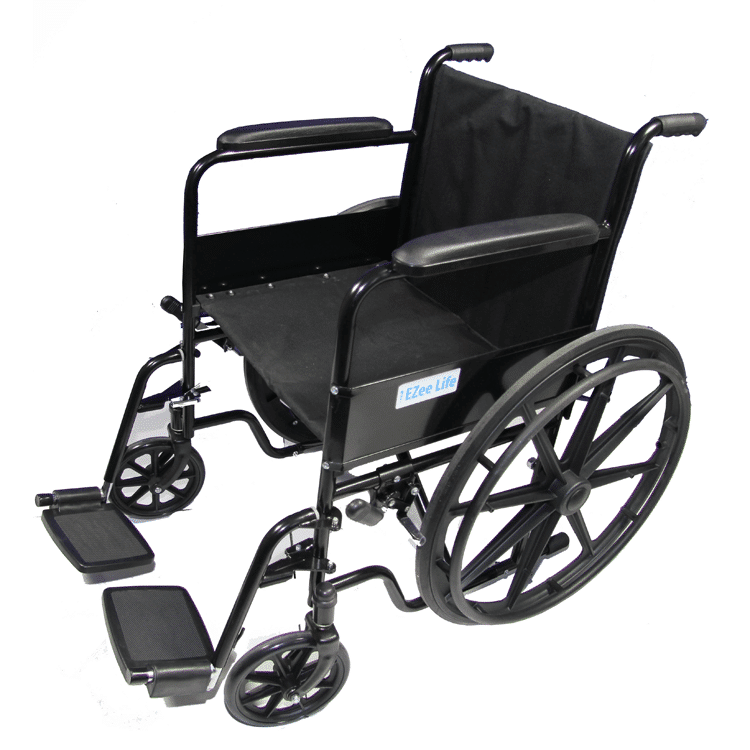
Large rear wheels with handrims so the user drives themselves. The default when someone has the arm and trunk function to propel.
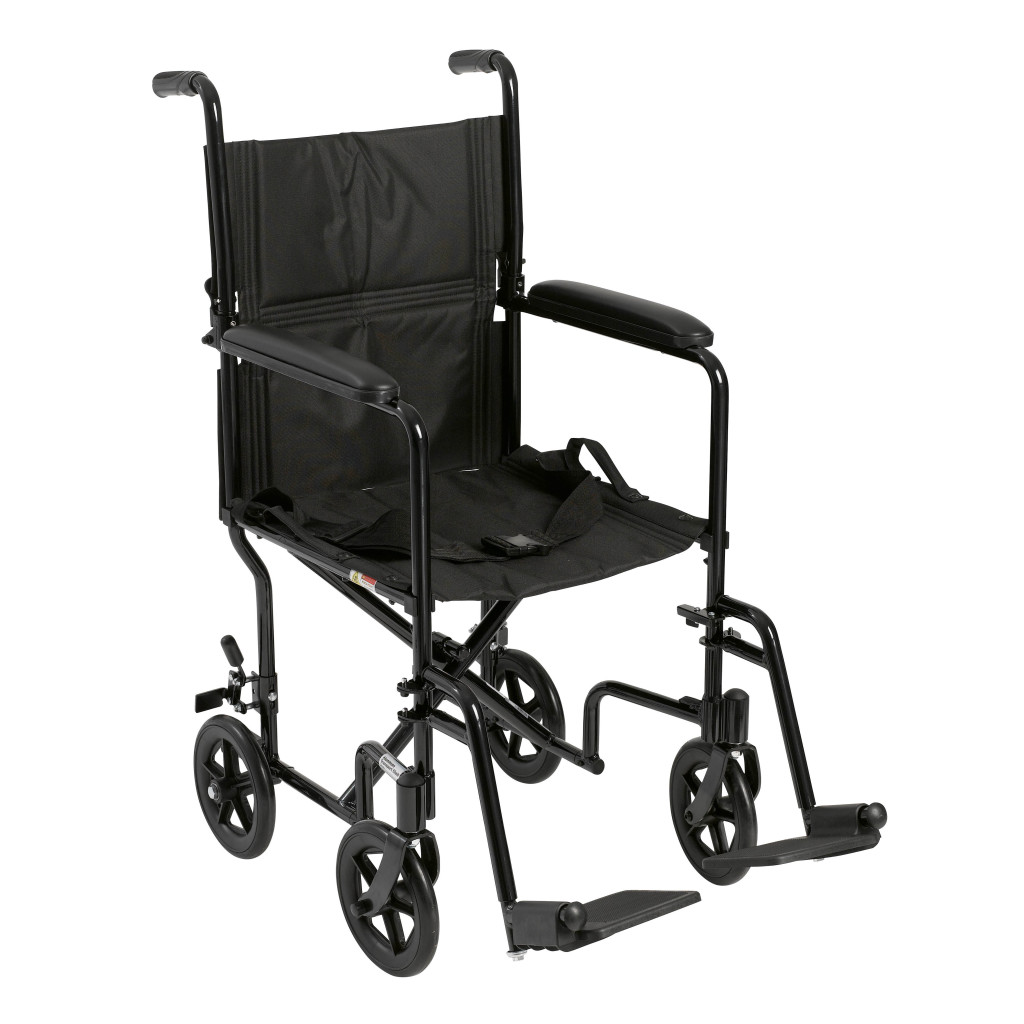
Small wheels all round, lighter and narrower, designed to be pushed by someone else. Folds compactly for the car.
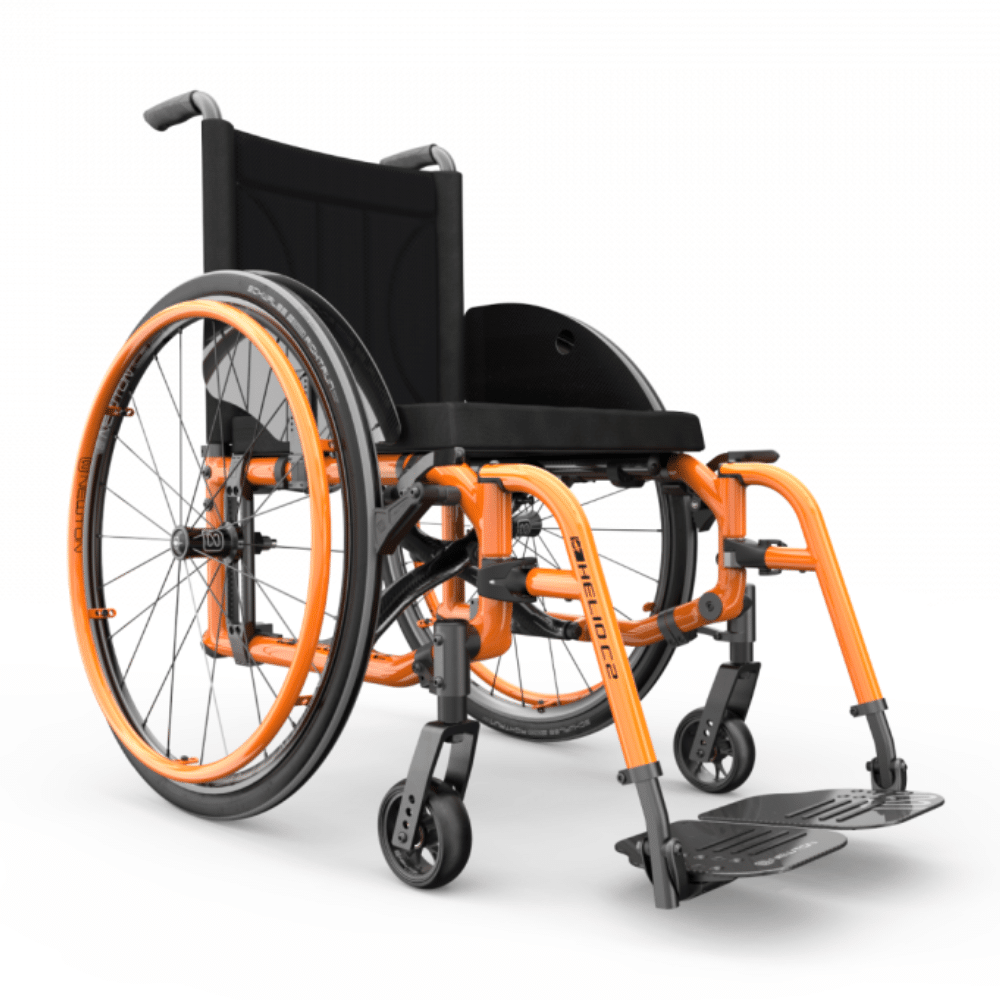
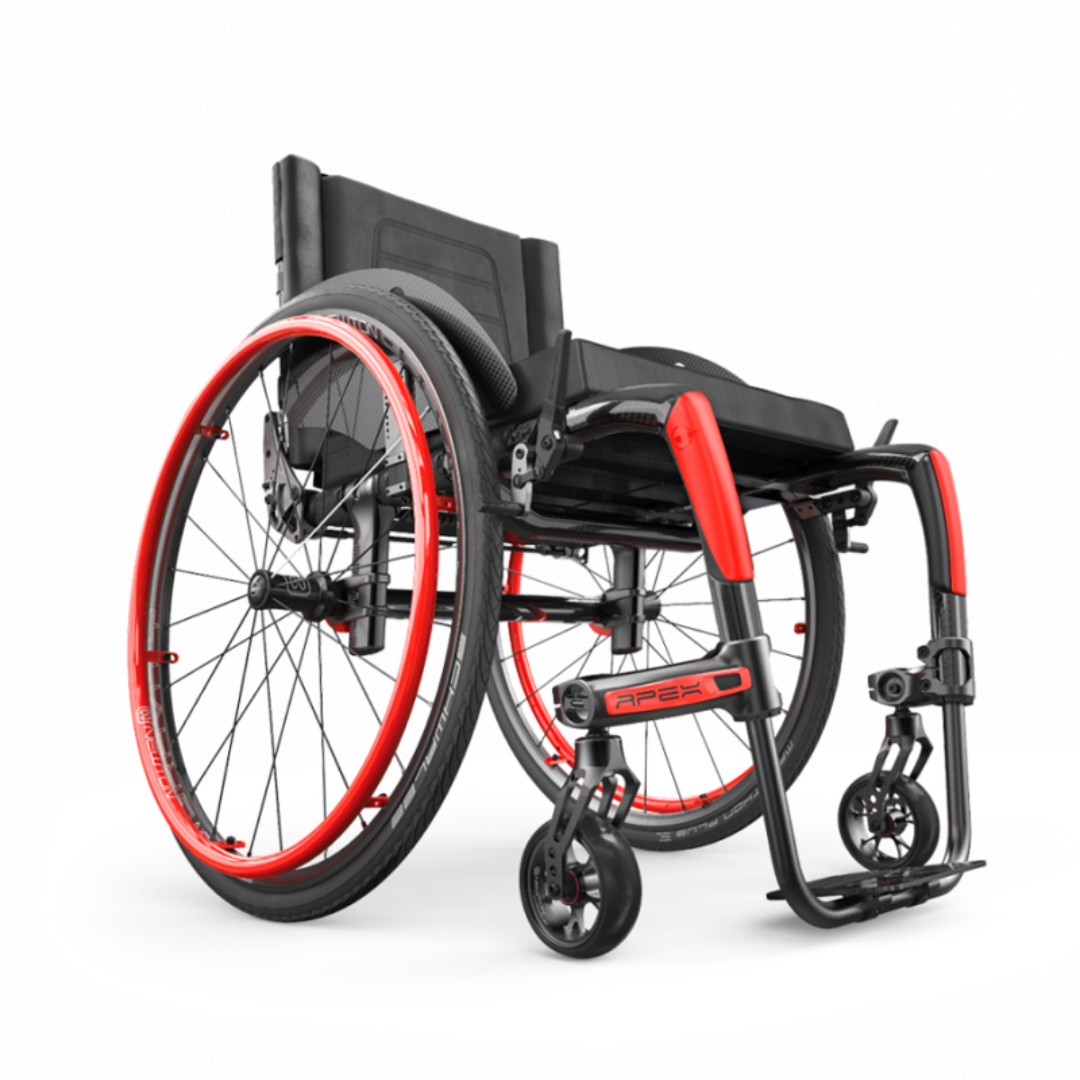
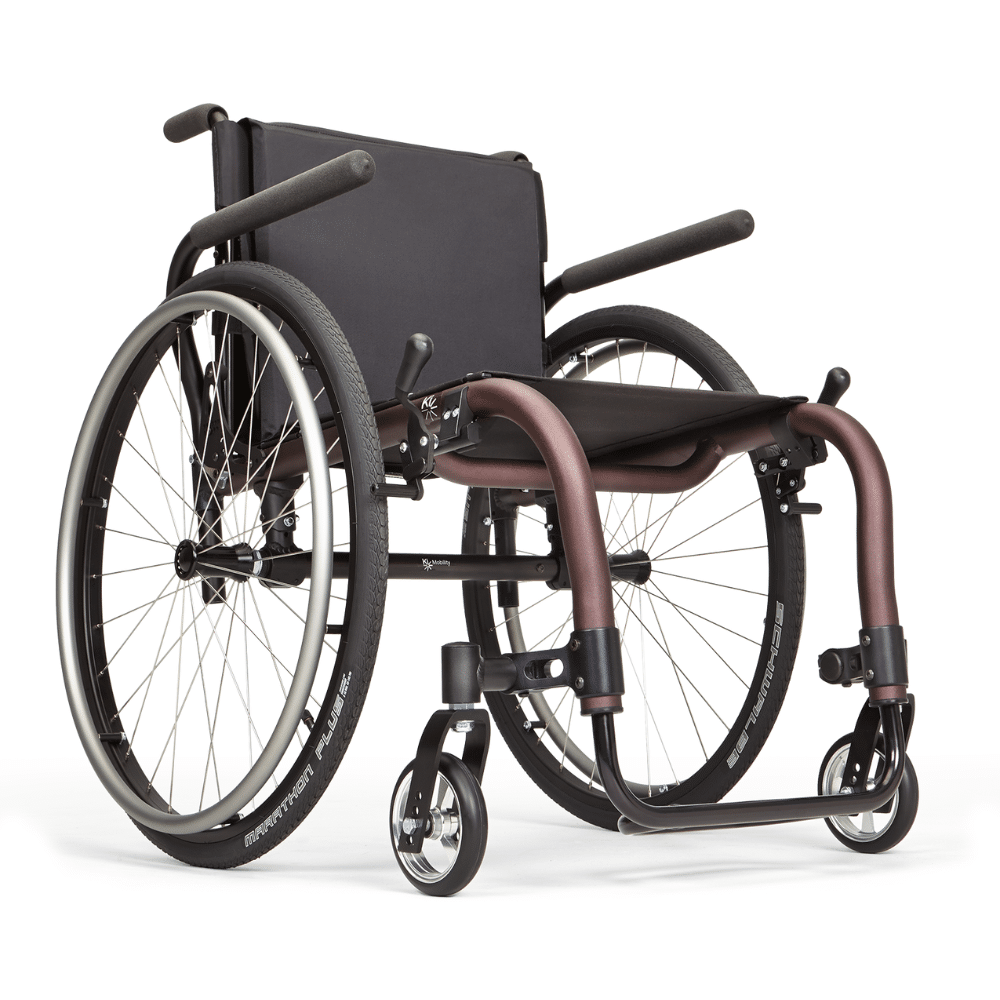
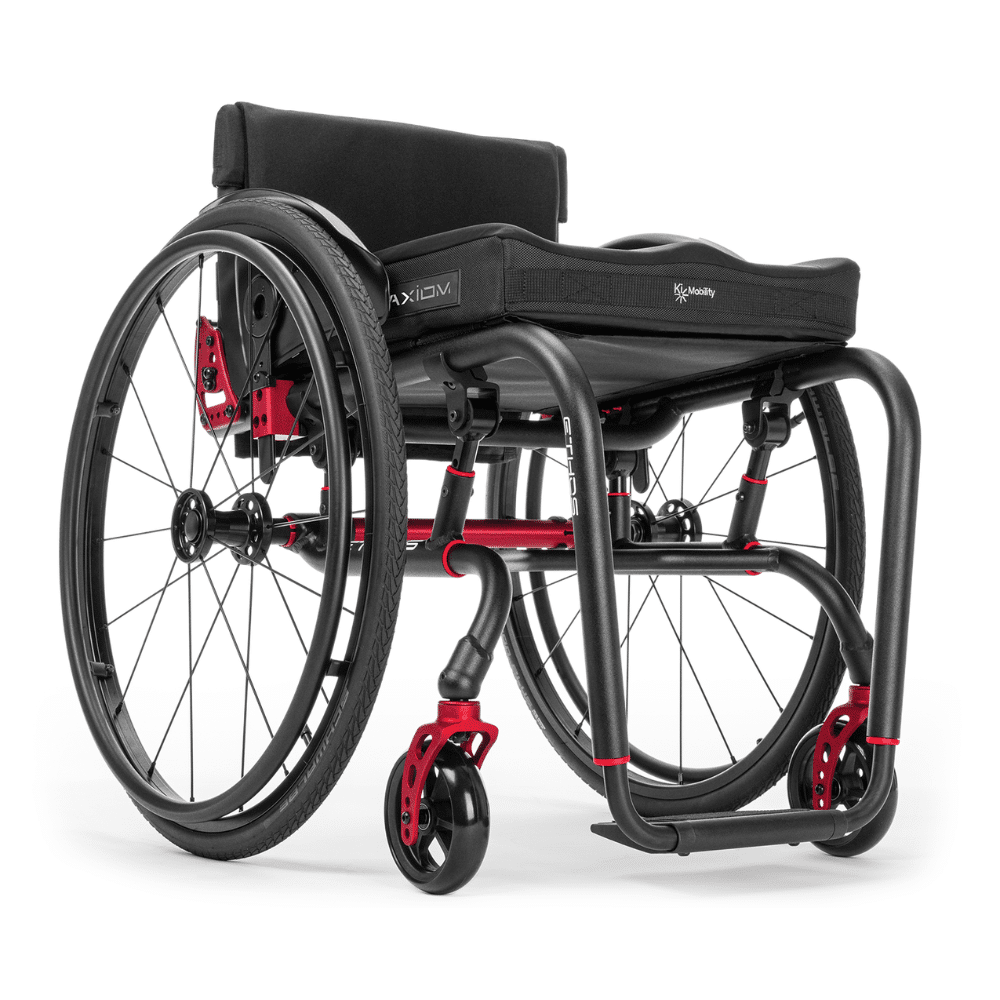
Rigid or folding frames in aluminium, titanium or carbon, configured tightly to the user for efficient propulsion over years.
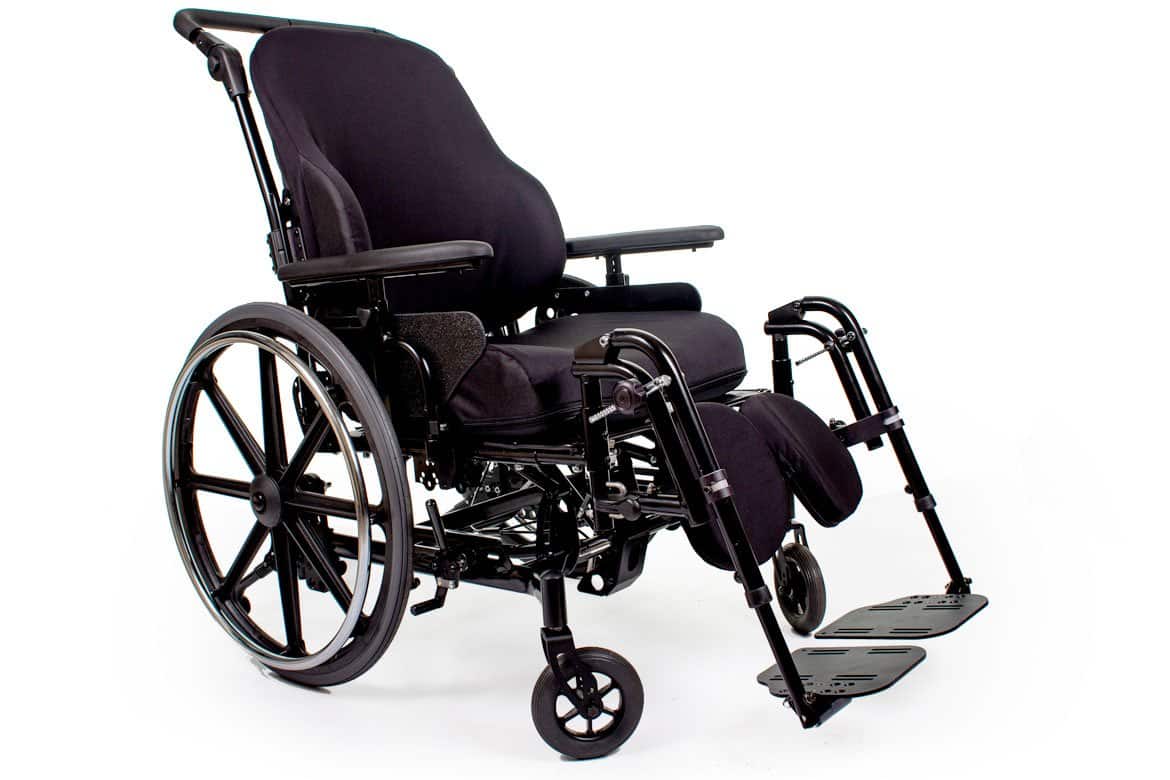
The whole seat tilts back as a unit, moving load off the sitting bones without changing the person's position in the chair.
Shop manual wheelchairs by type
Everything we have published, grouped the way people ask for it. The counts come straight from the catalogue, so new stock shows up here on its own.
Standard Wheelchair18
See all 18 Standard Wheelchair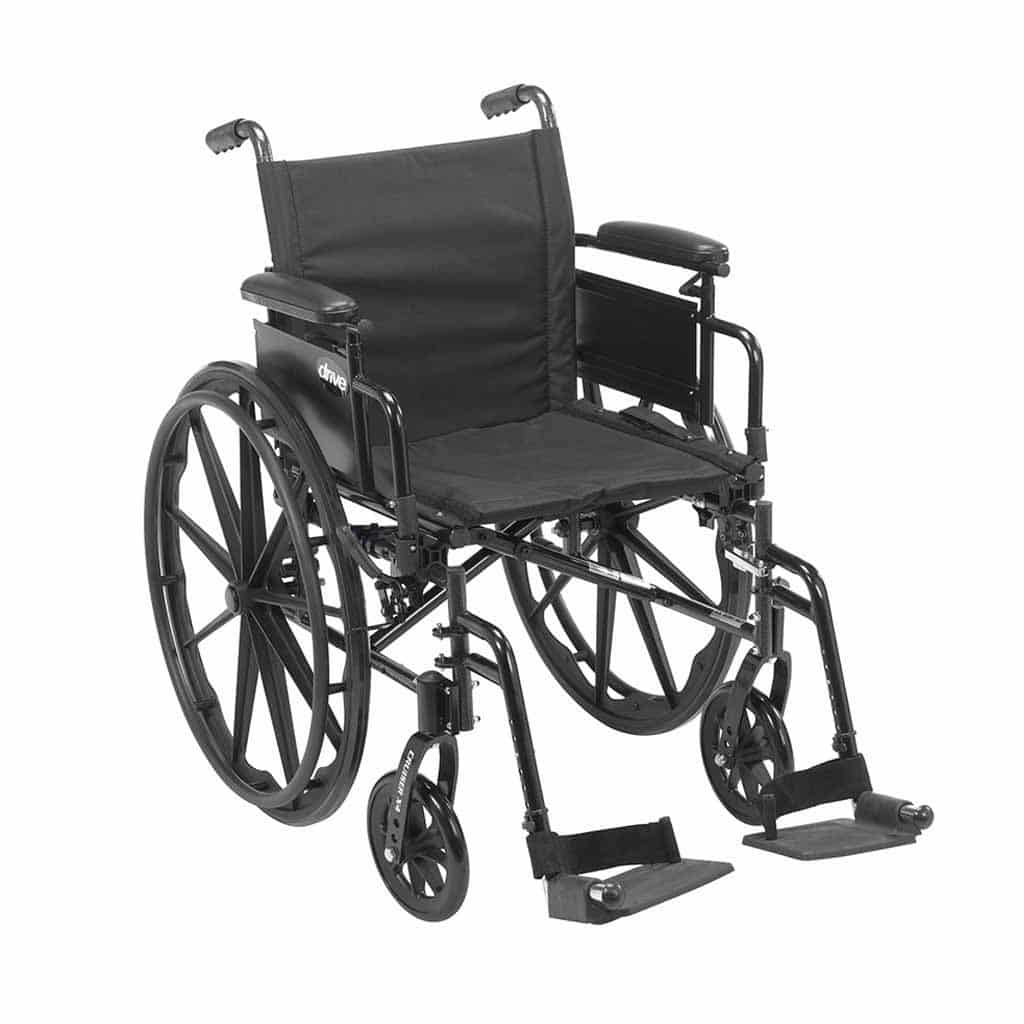
Transport Wheelchairs10
See all 10 Transport Wheelchairs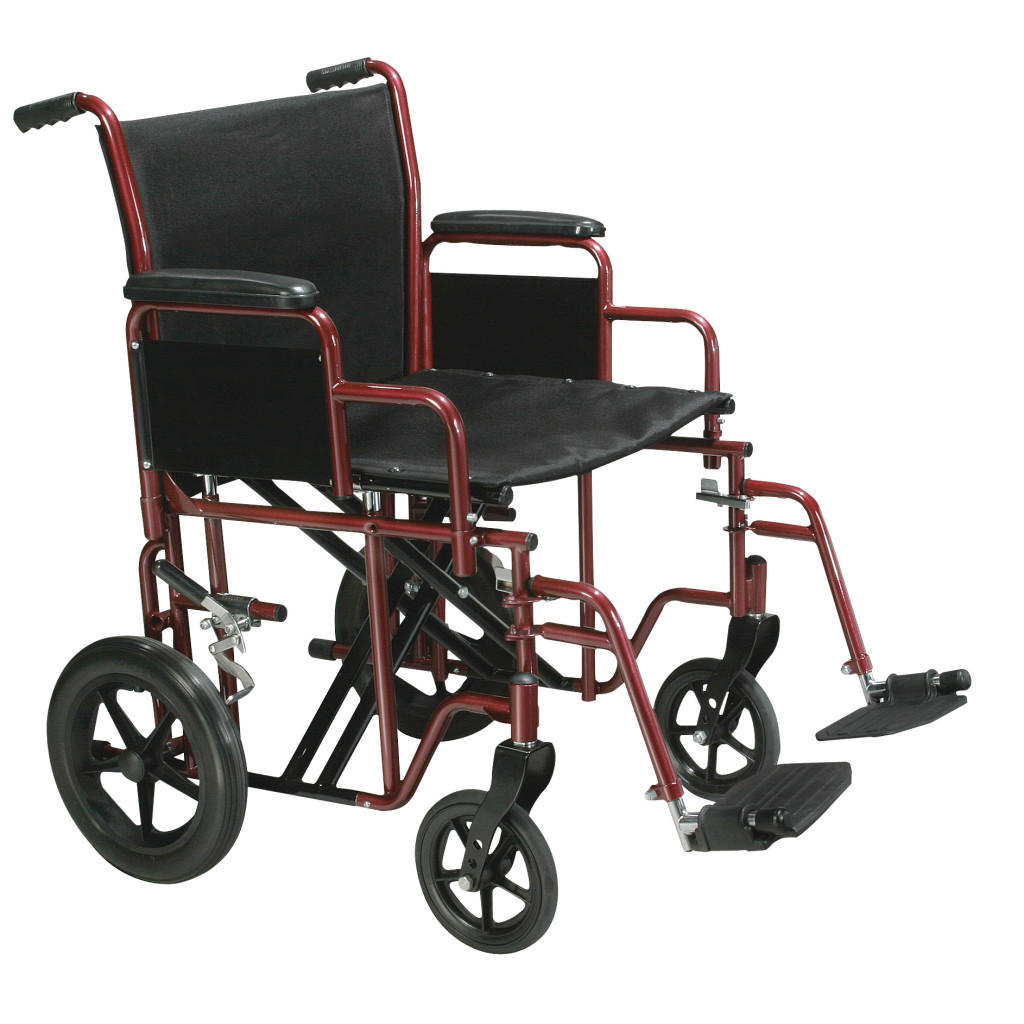
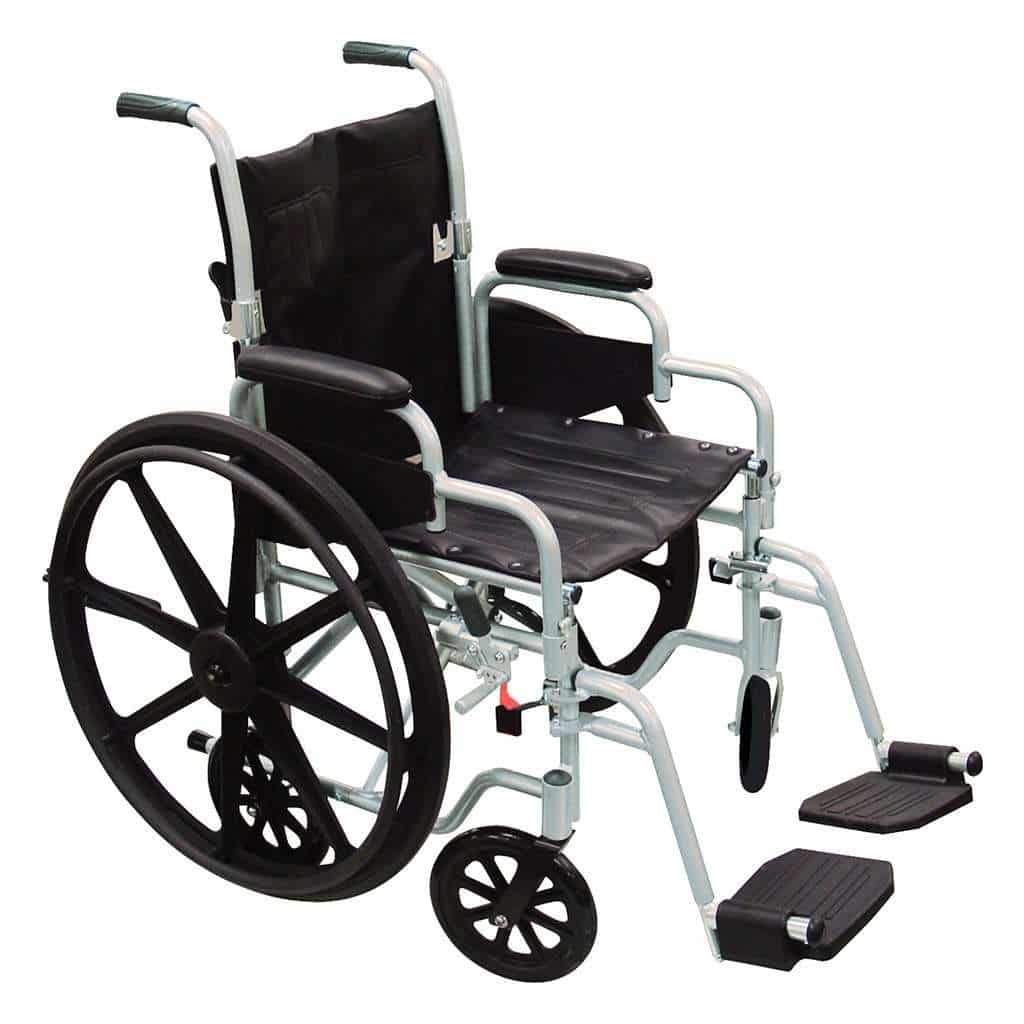
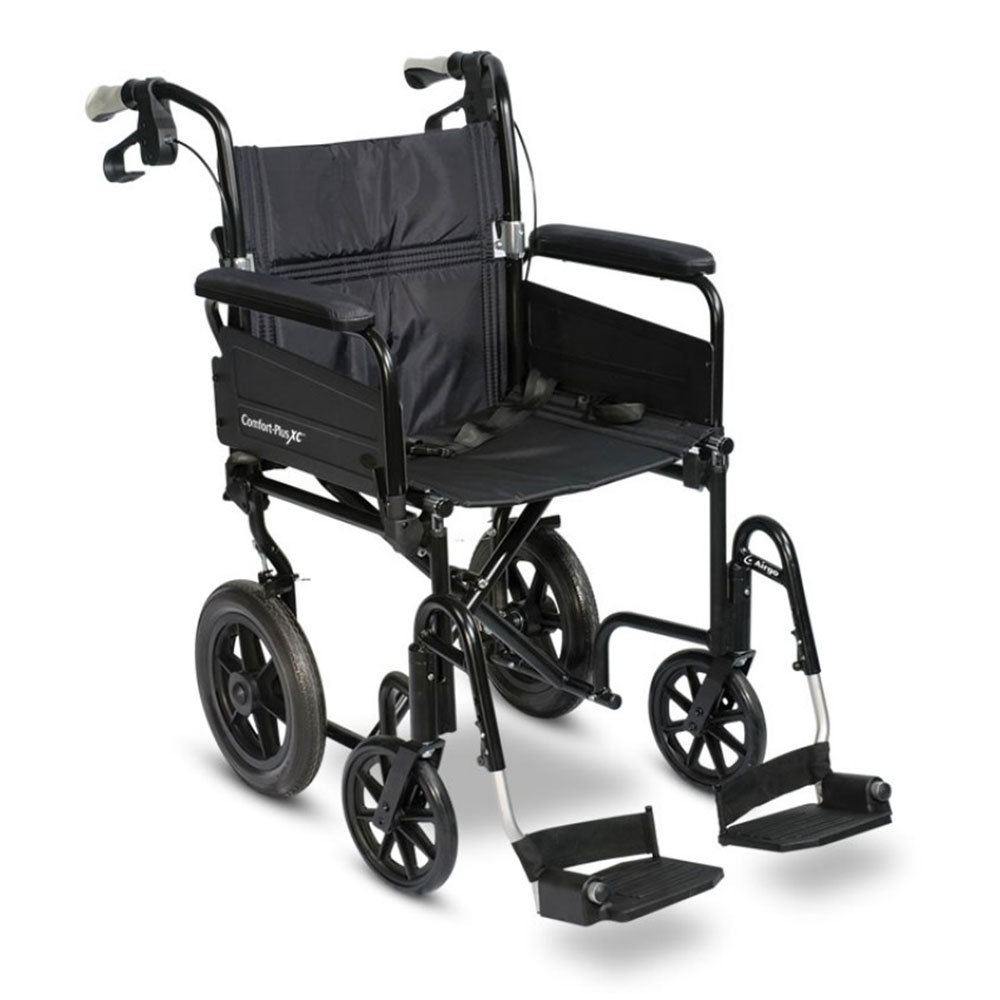
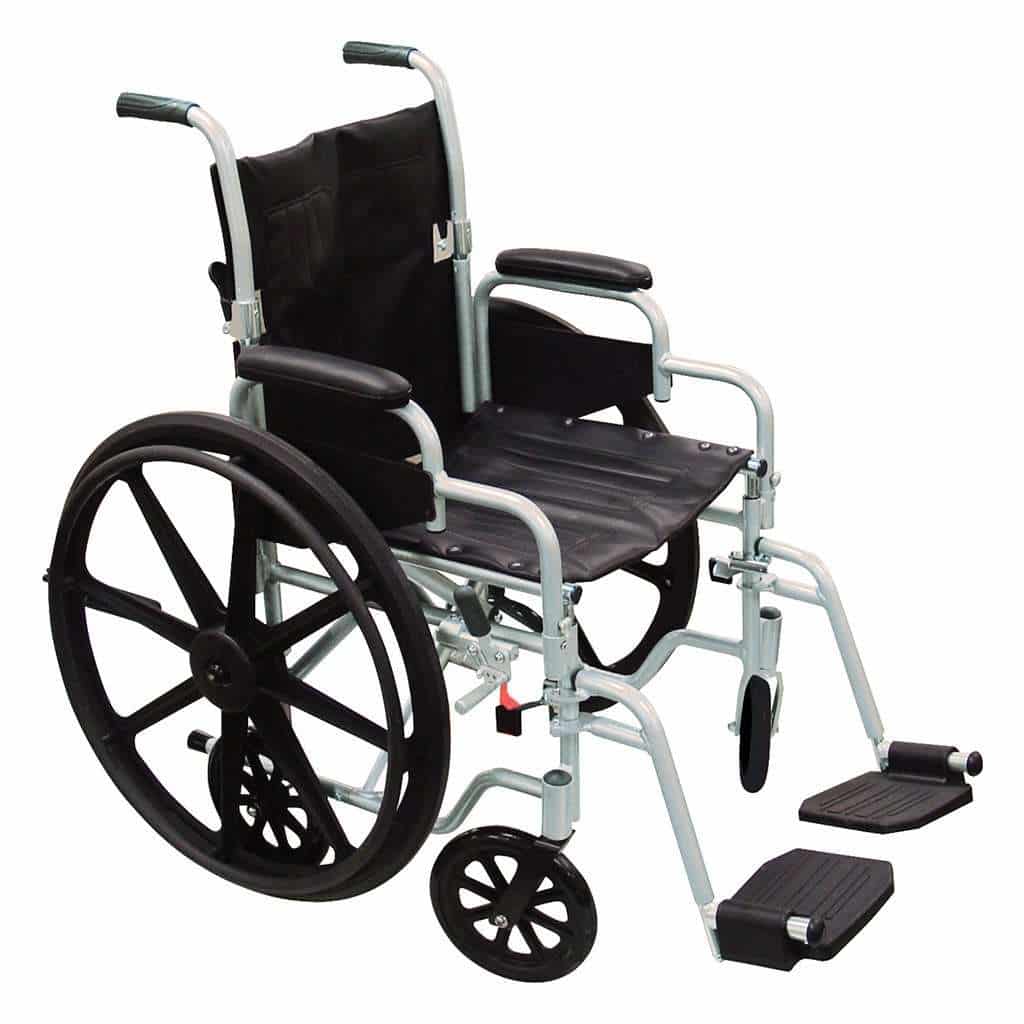
Folding Wheelchair38
See all 38 Folding Wheelchair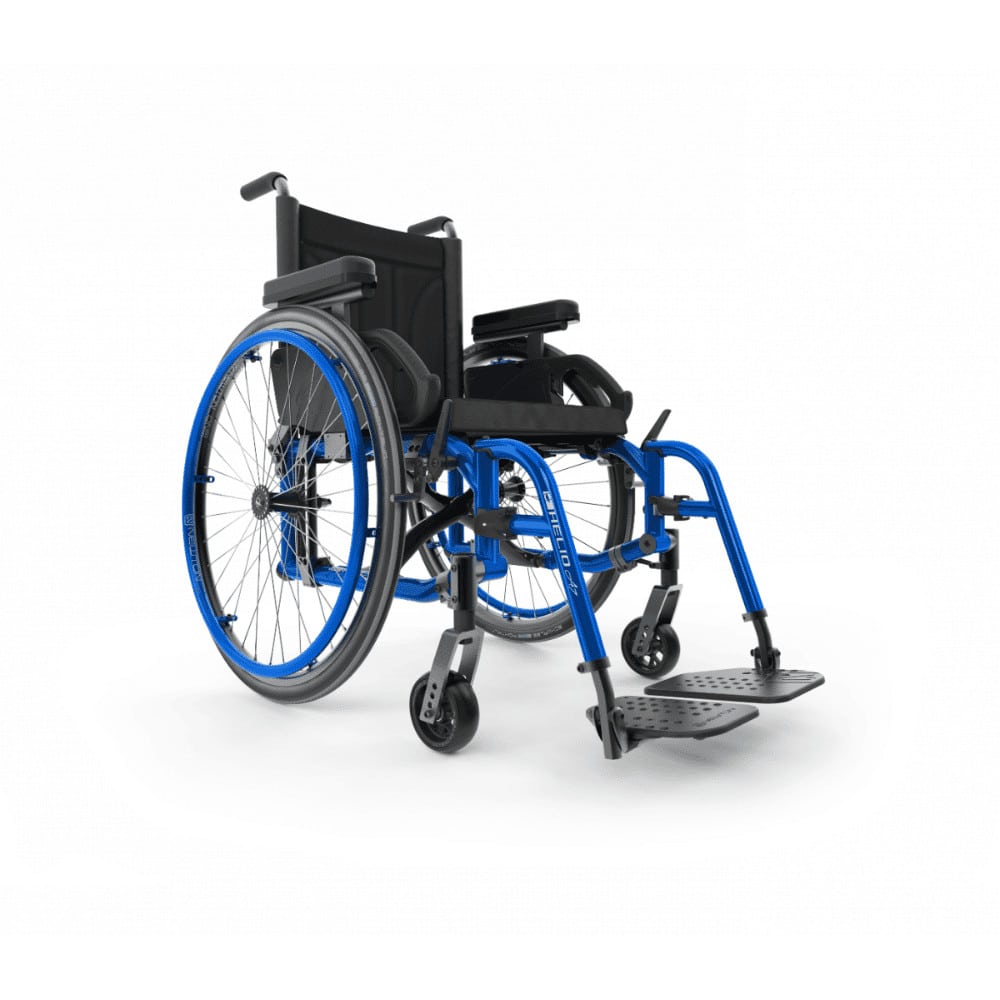
Rigid Wheelchairs18
See all 18 Rigid Wheelchairs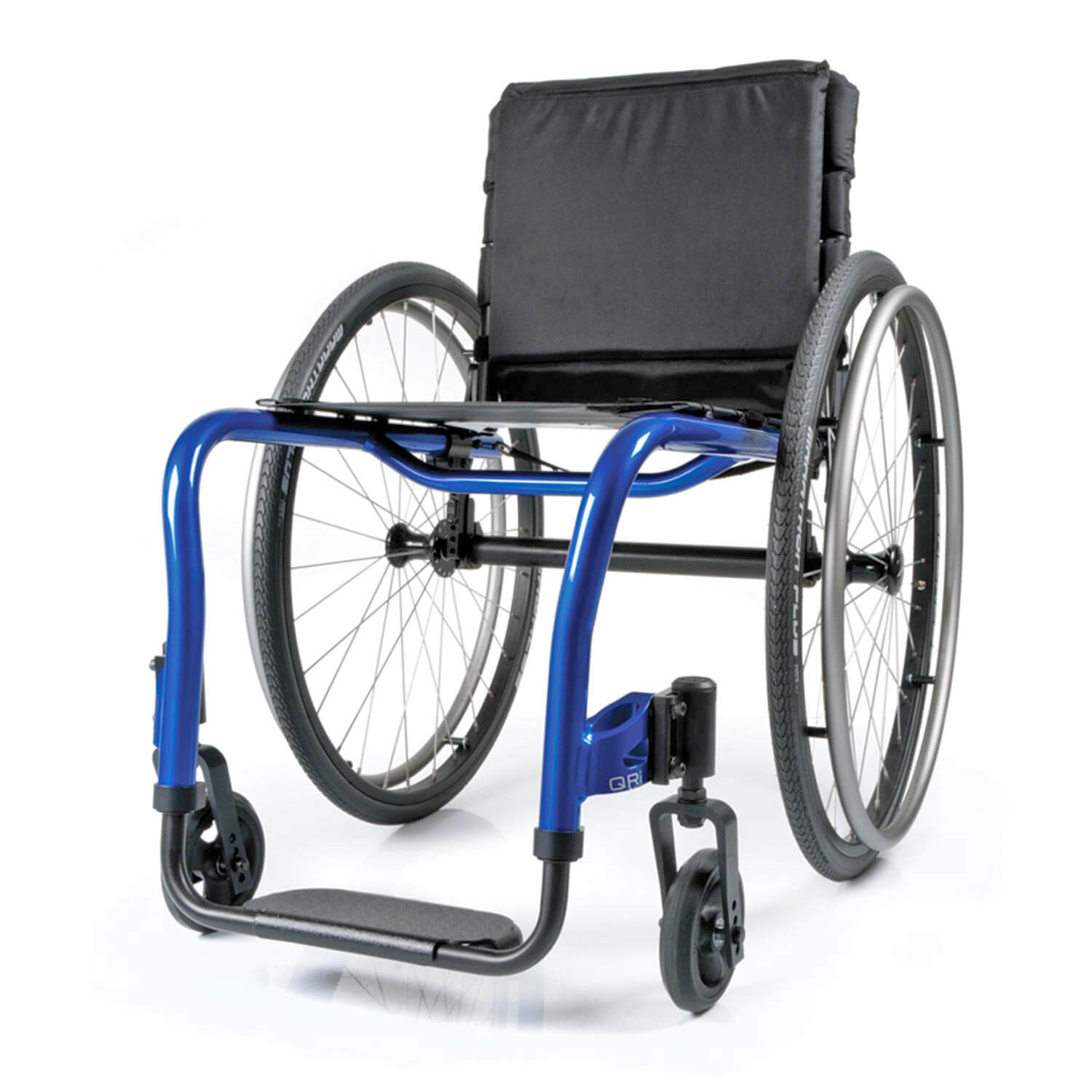
Heavy Duty Wheelchairs8
See all 8 Heavy Duty Wheelchairs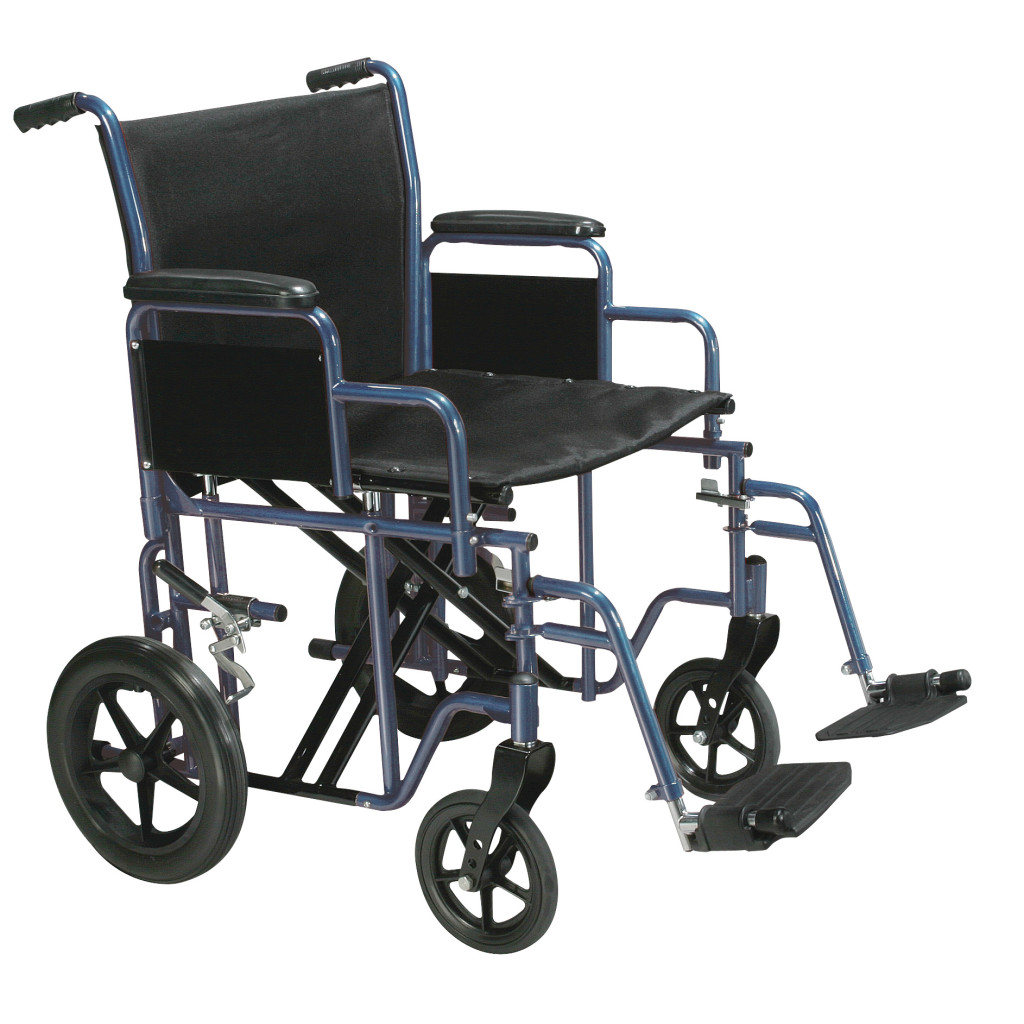
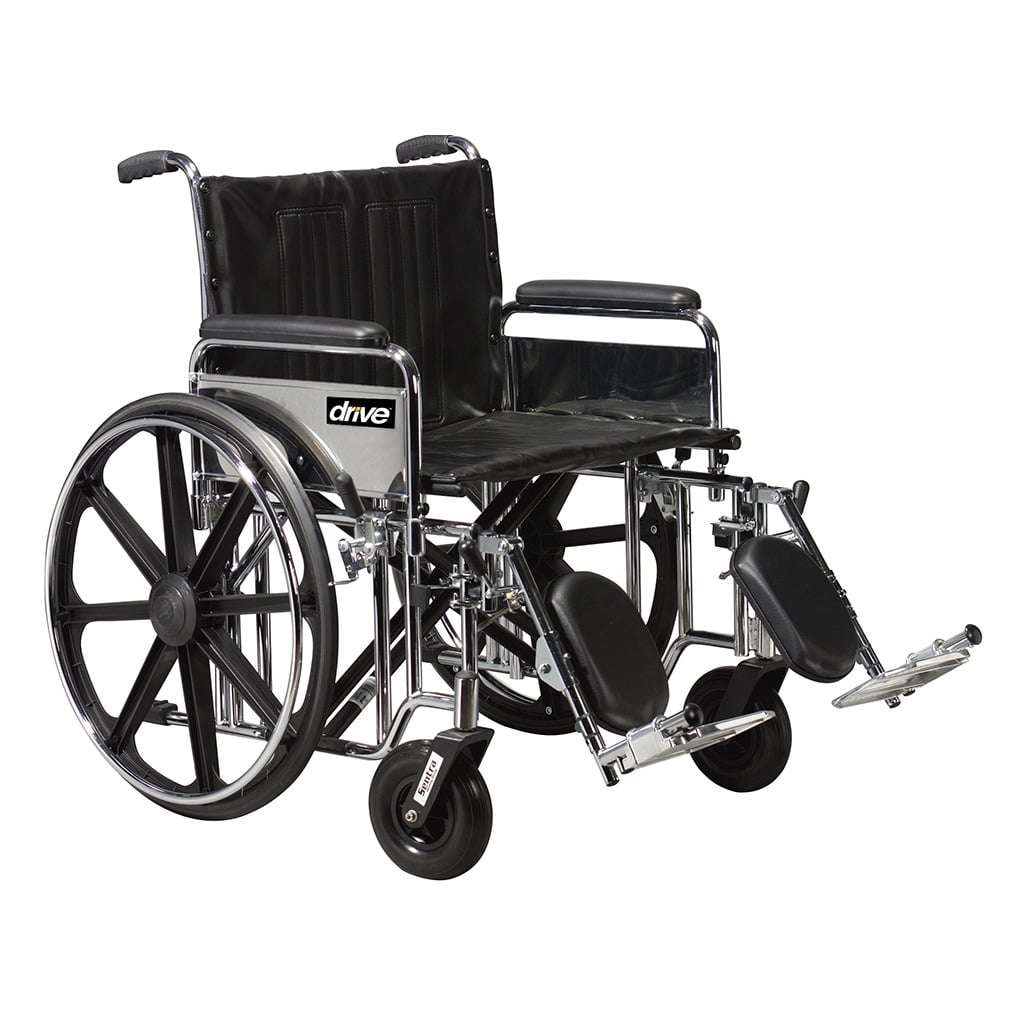
Bariatric Wheelchairs9
See all 9 Bariatric Wheelchairs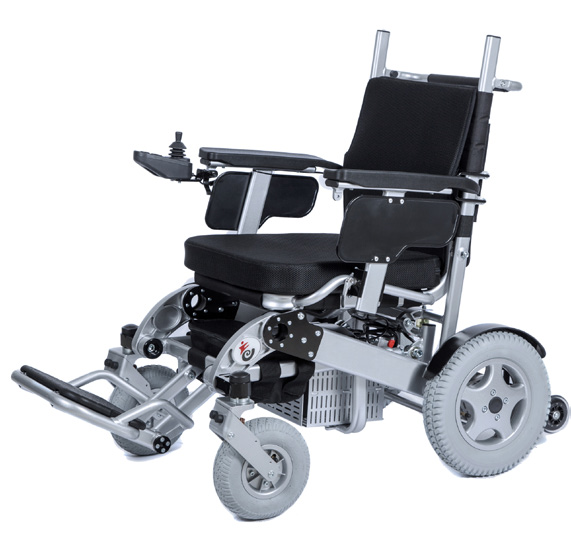
ADP Approved Wheelchair34
See all 34 ADP Approved Wheelchair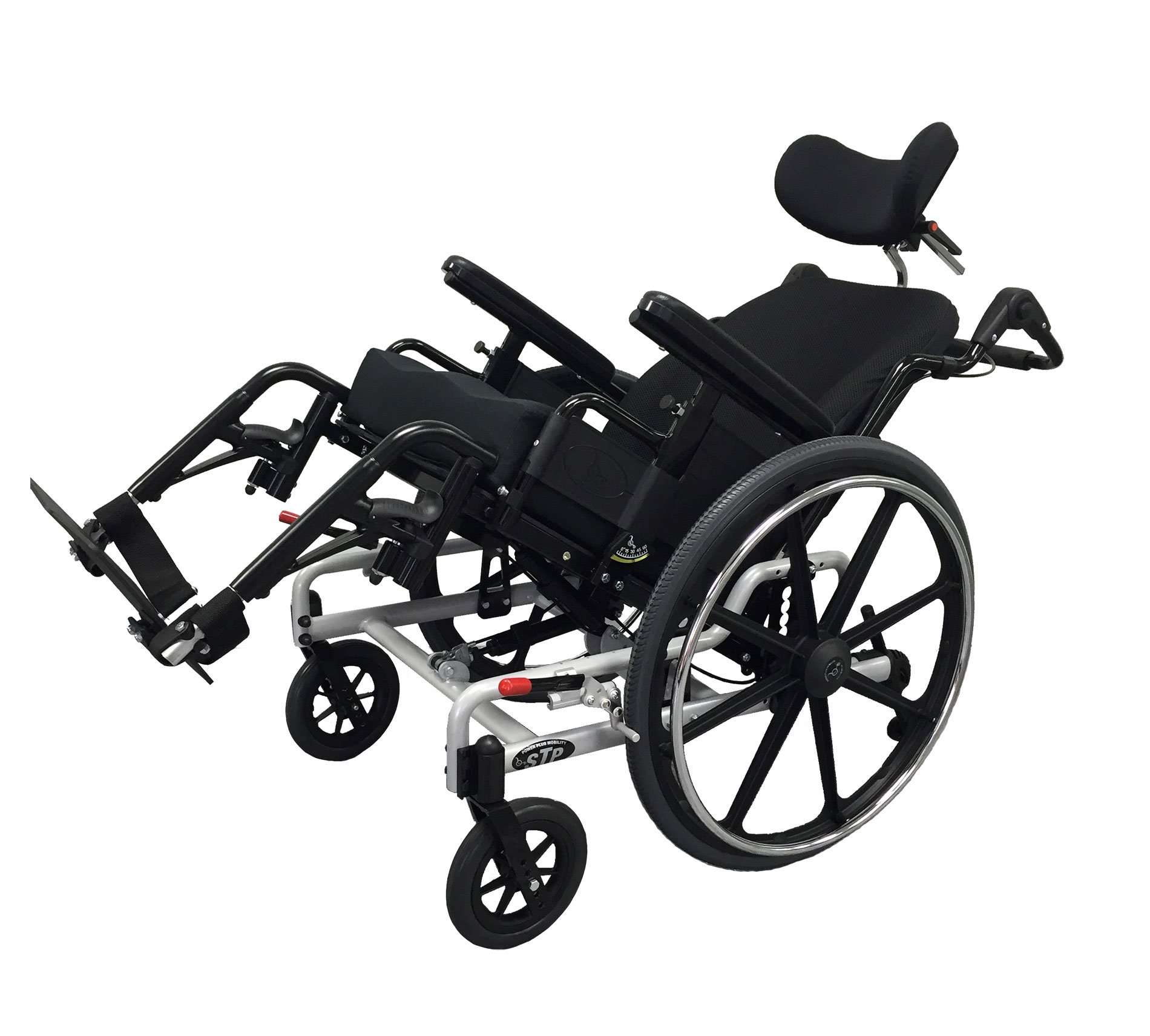
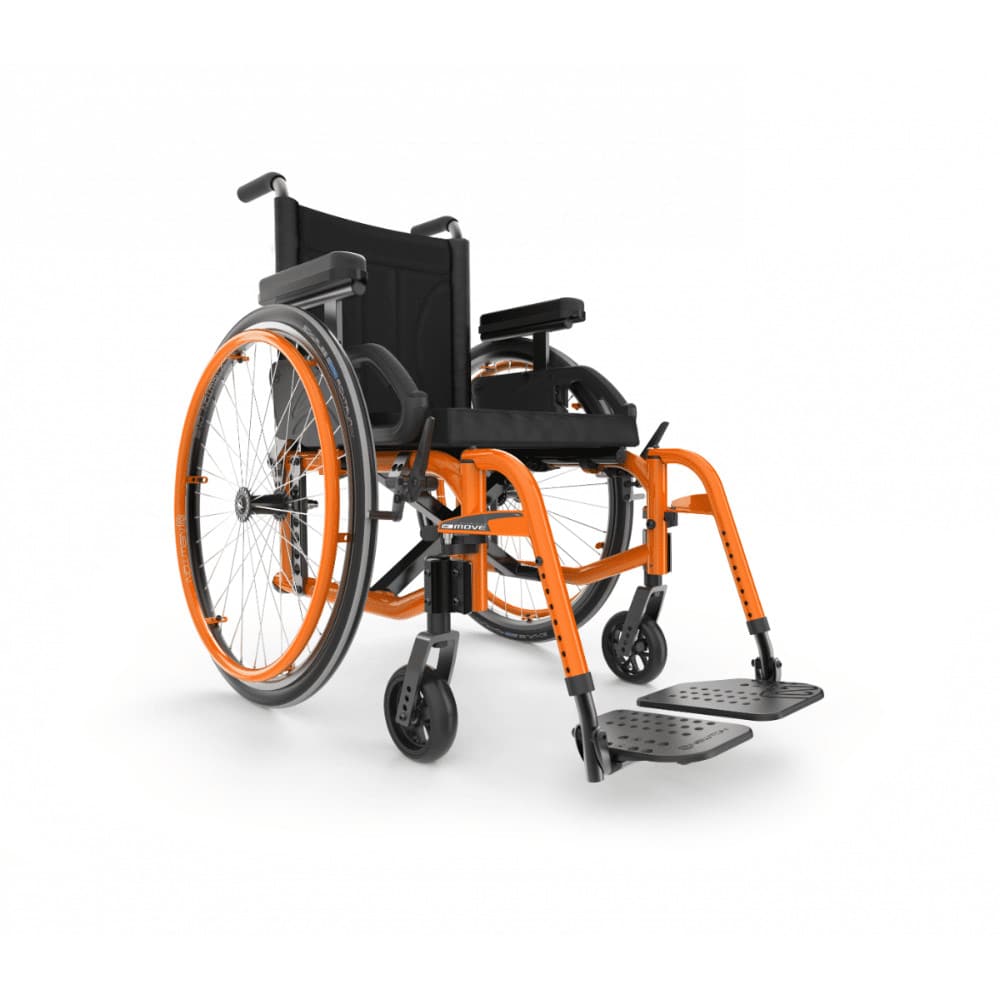
Type 2 Wheelchairs7
See all 7 Type 2 Wheelchairs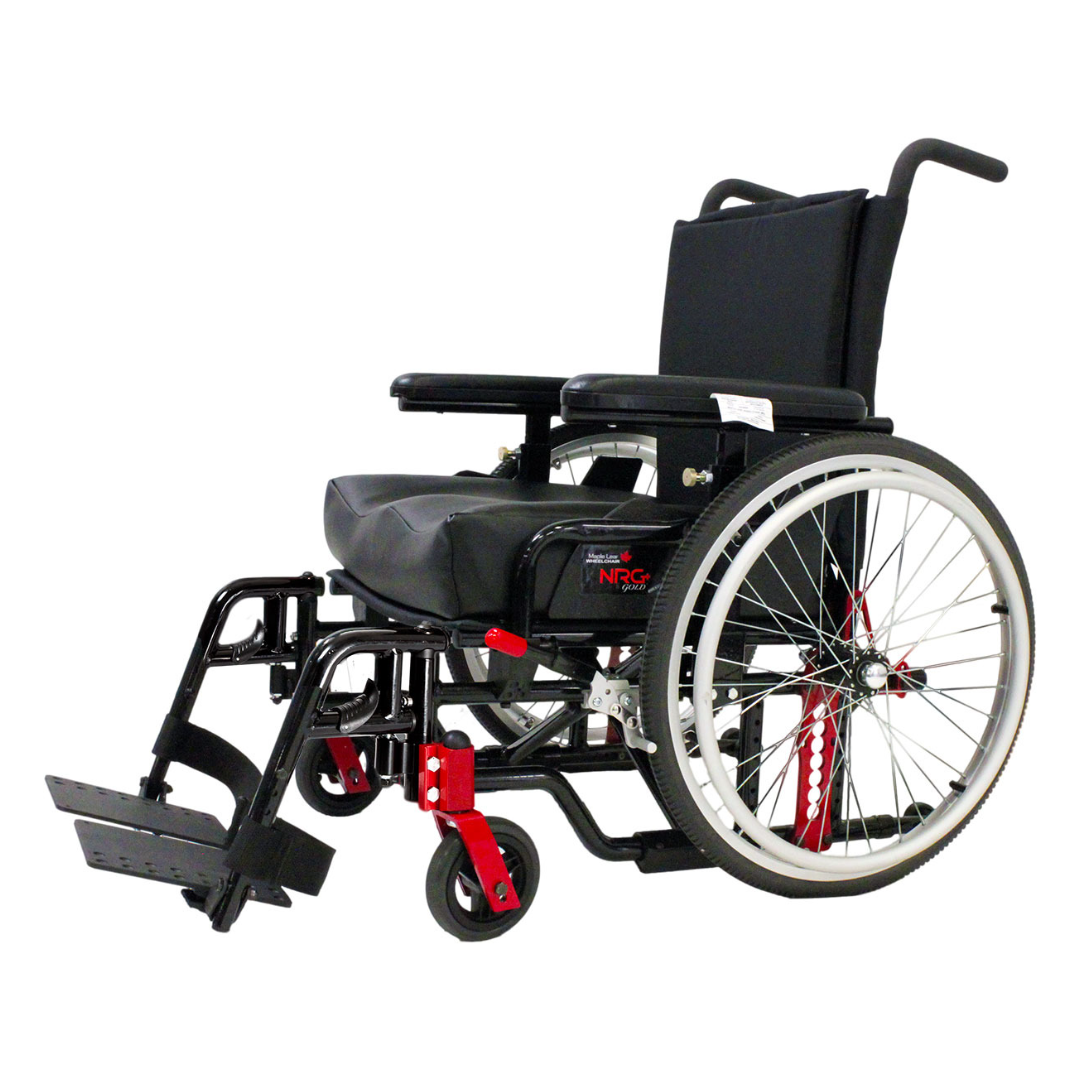
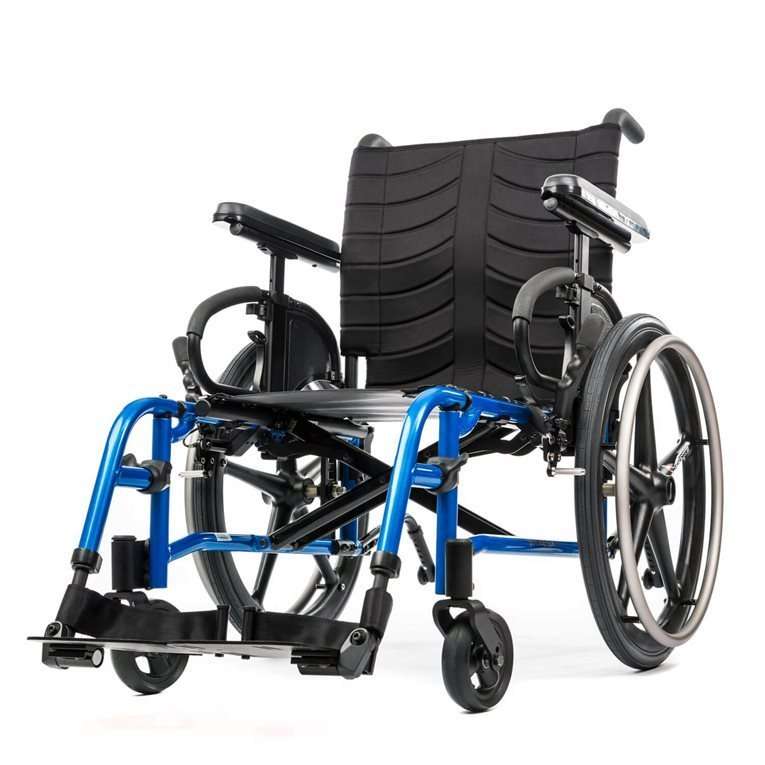
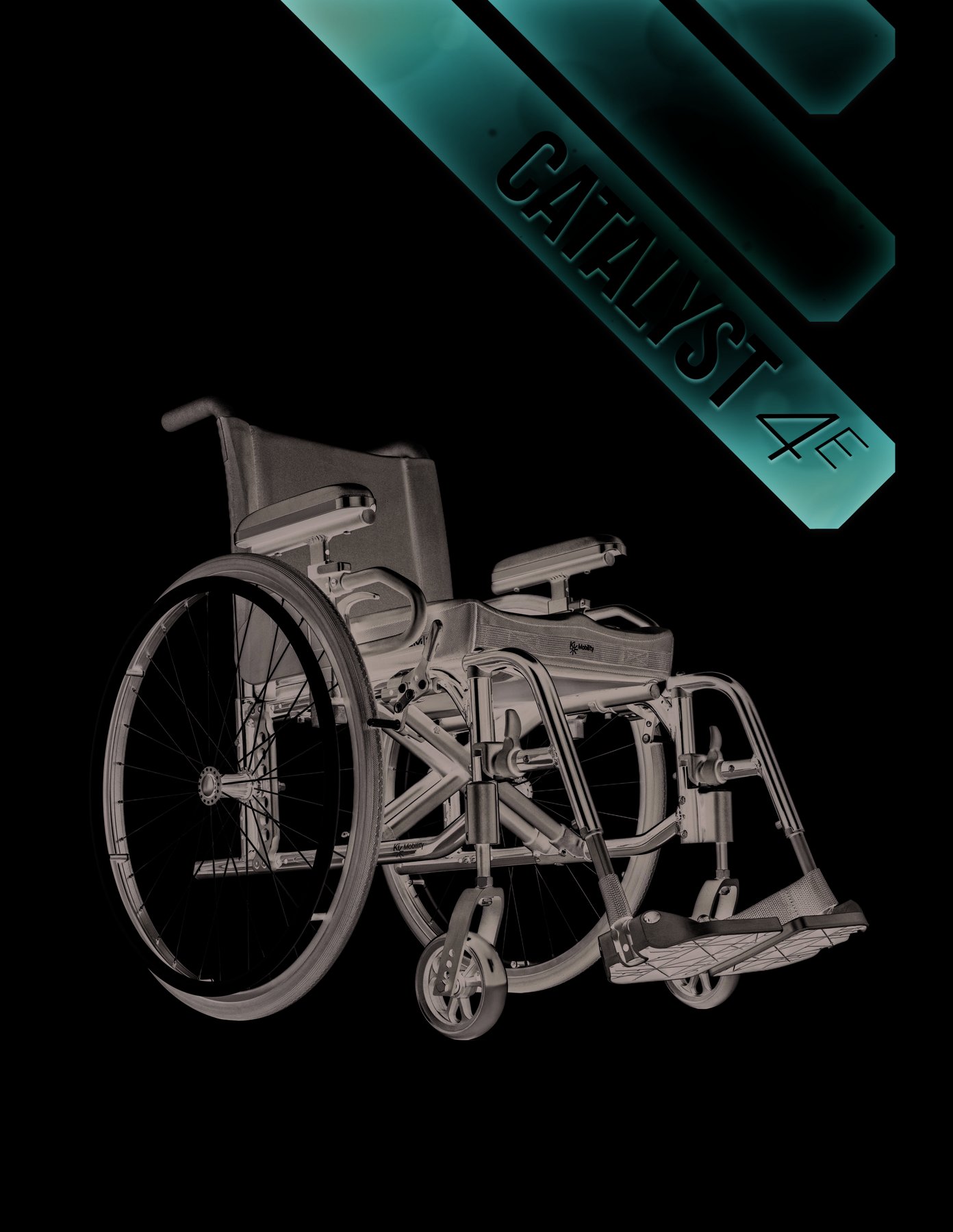
Type 3 Wheelchairs11
See all 11 Type 3 WheelchairsType 4 Wheelchairs7
See all 7 Type 4 Wheelchairs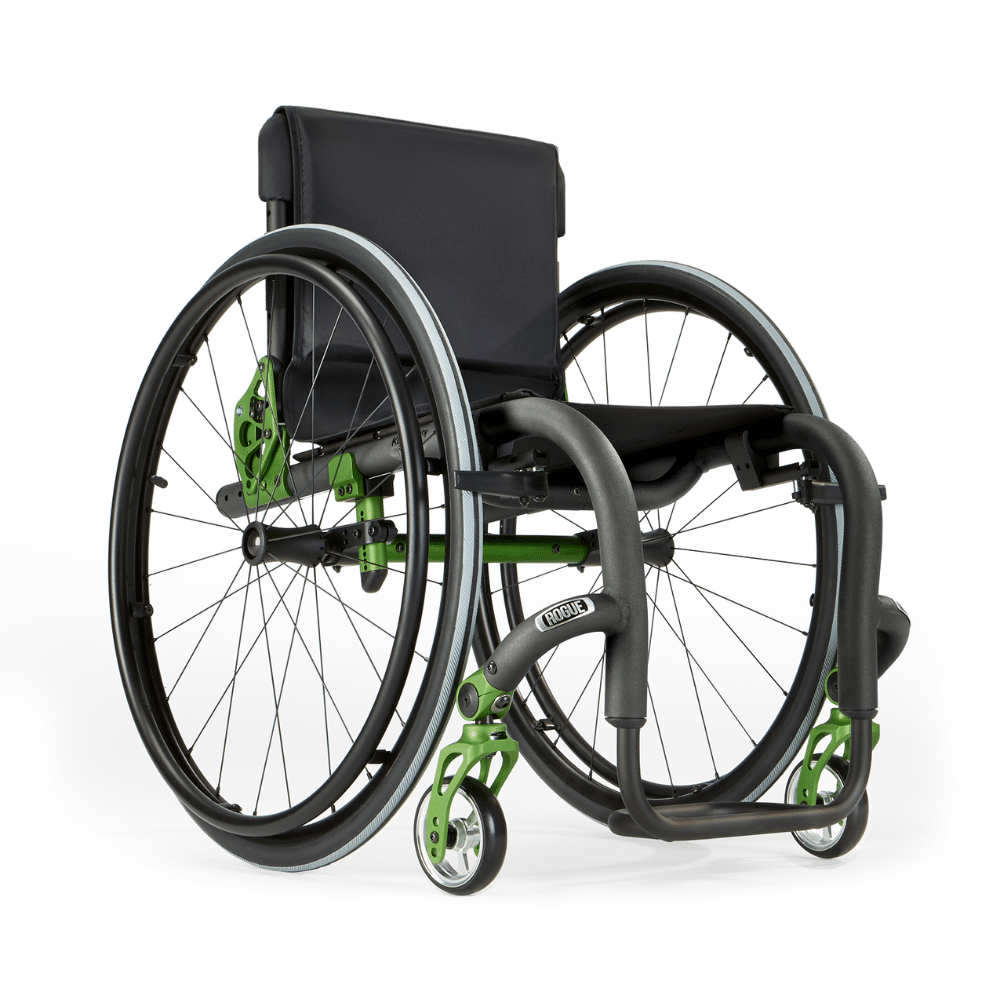
Type 5 Wheelchairs10
See all 10 Type 5 Wheelchairs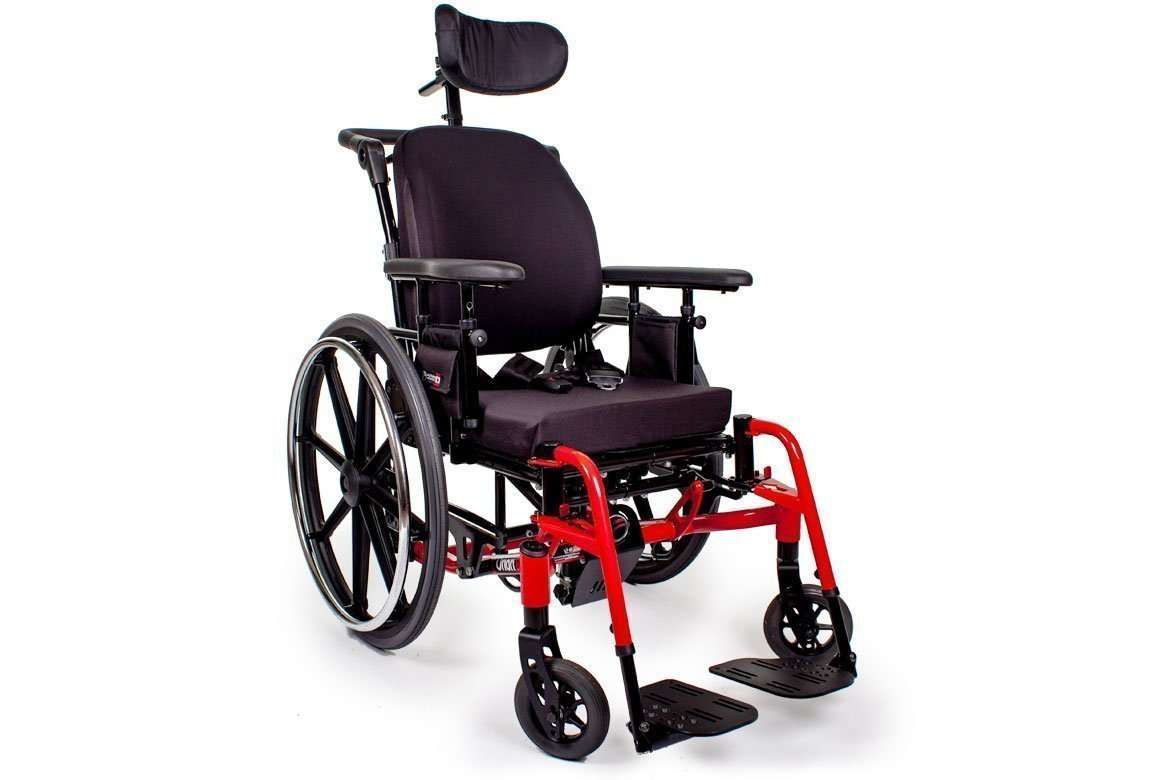
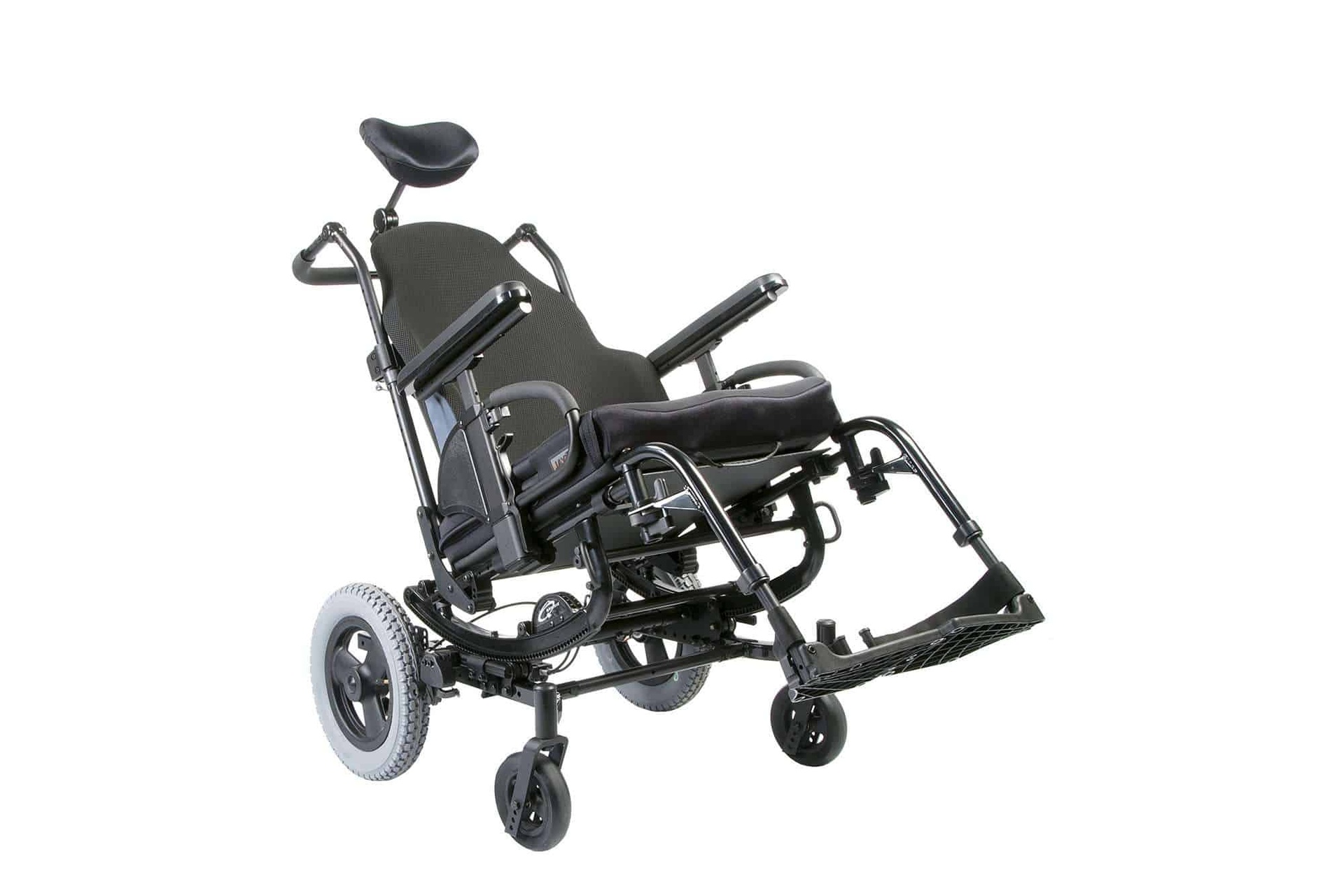
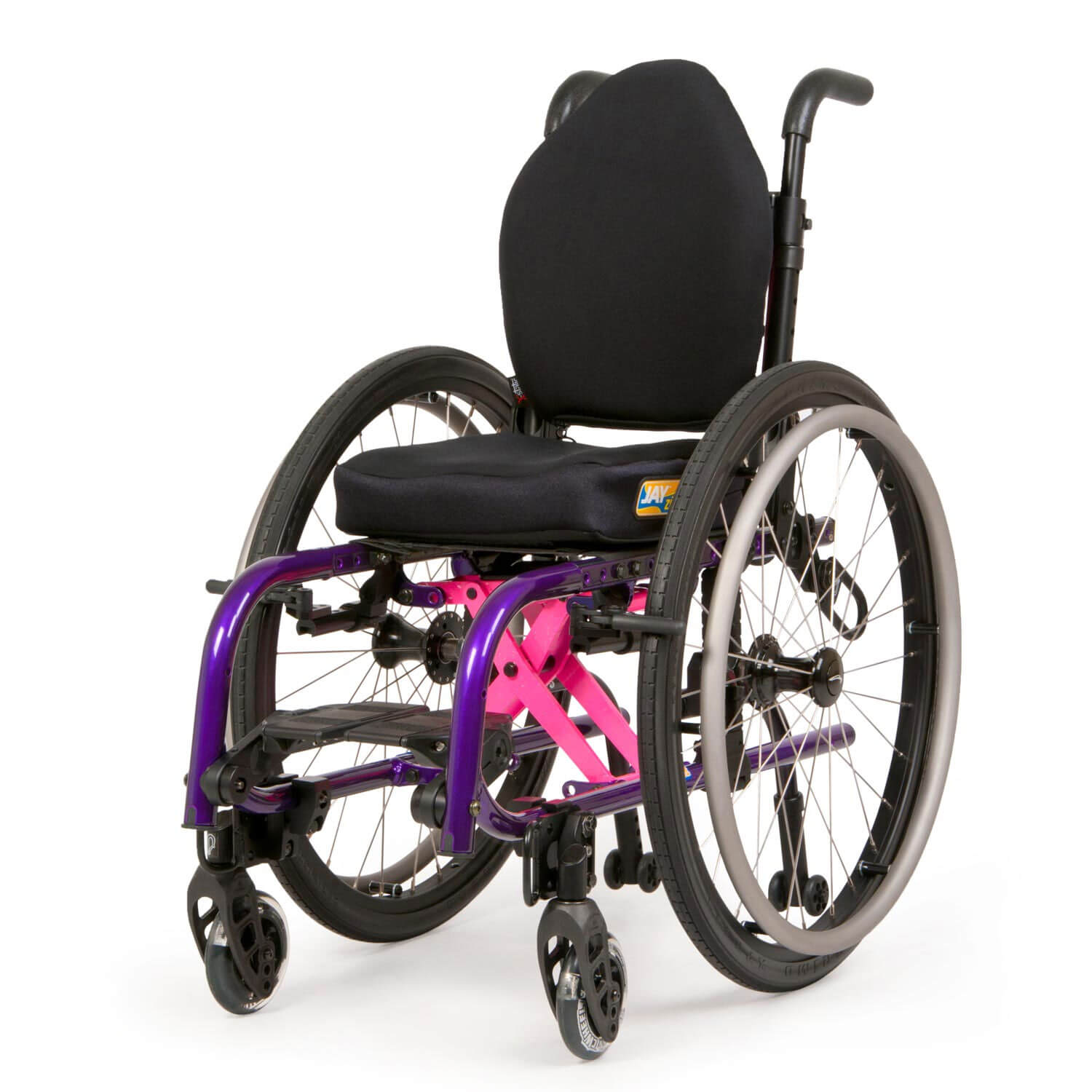
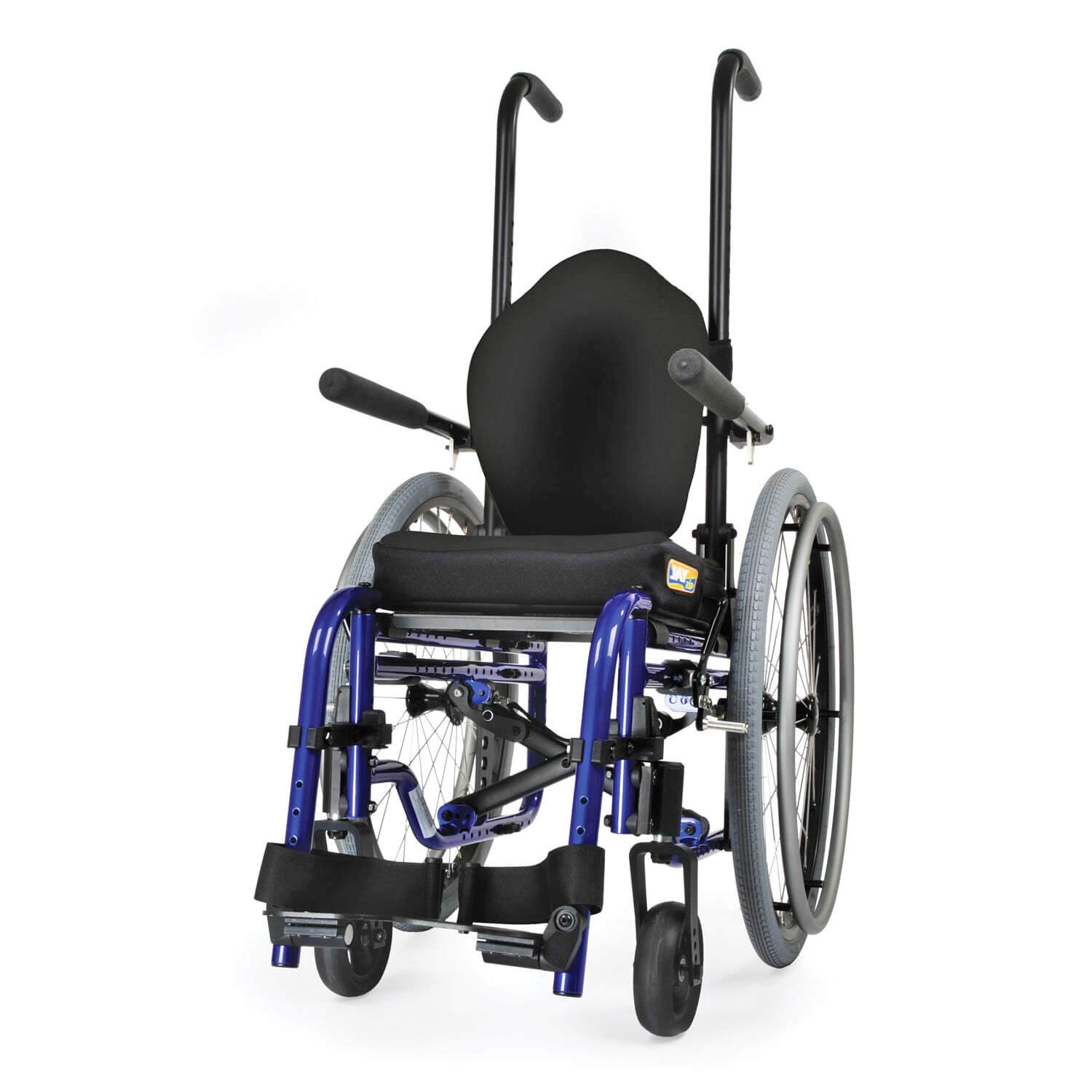
Pediatric Wheelchairs32
See all 32 Pediatric Wheelchairs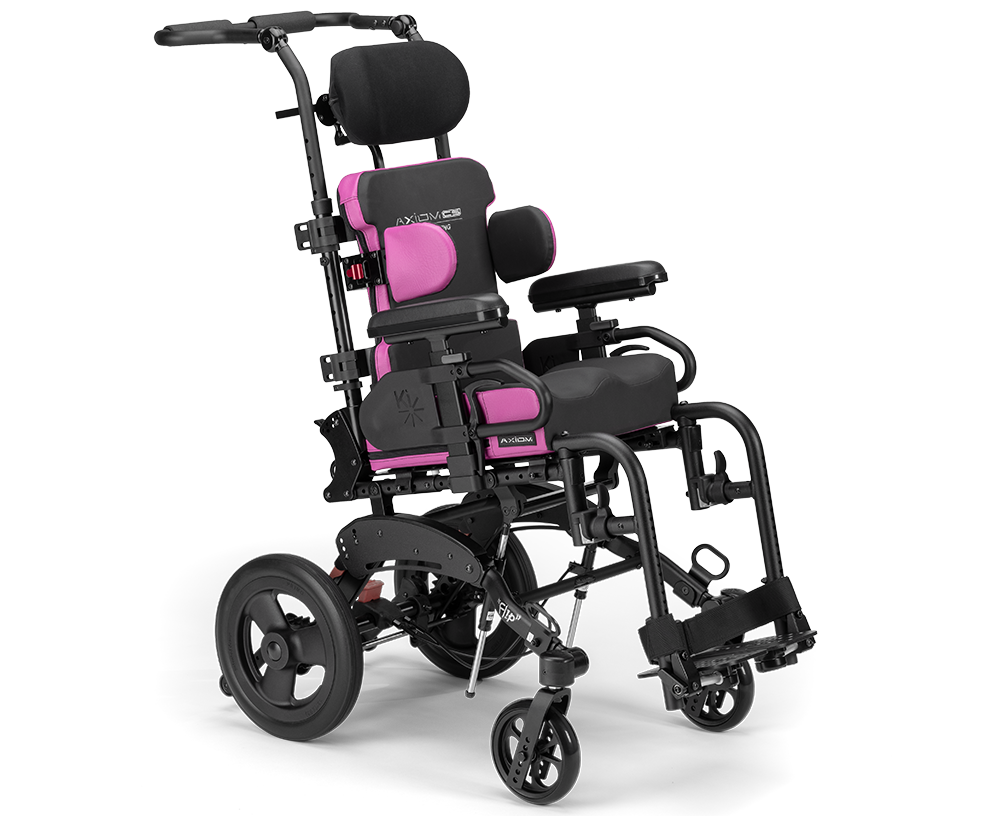
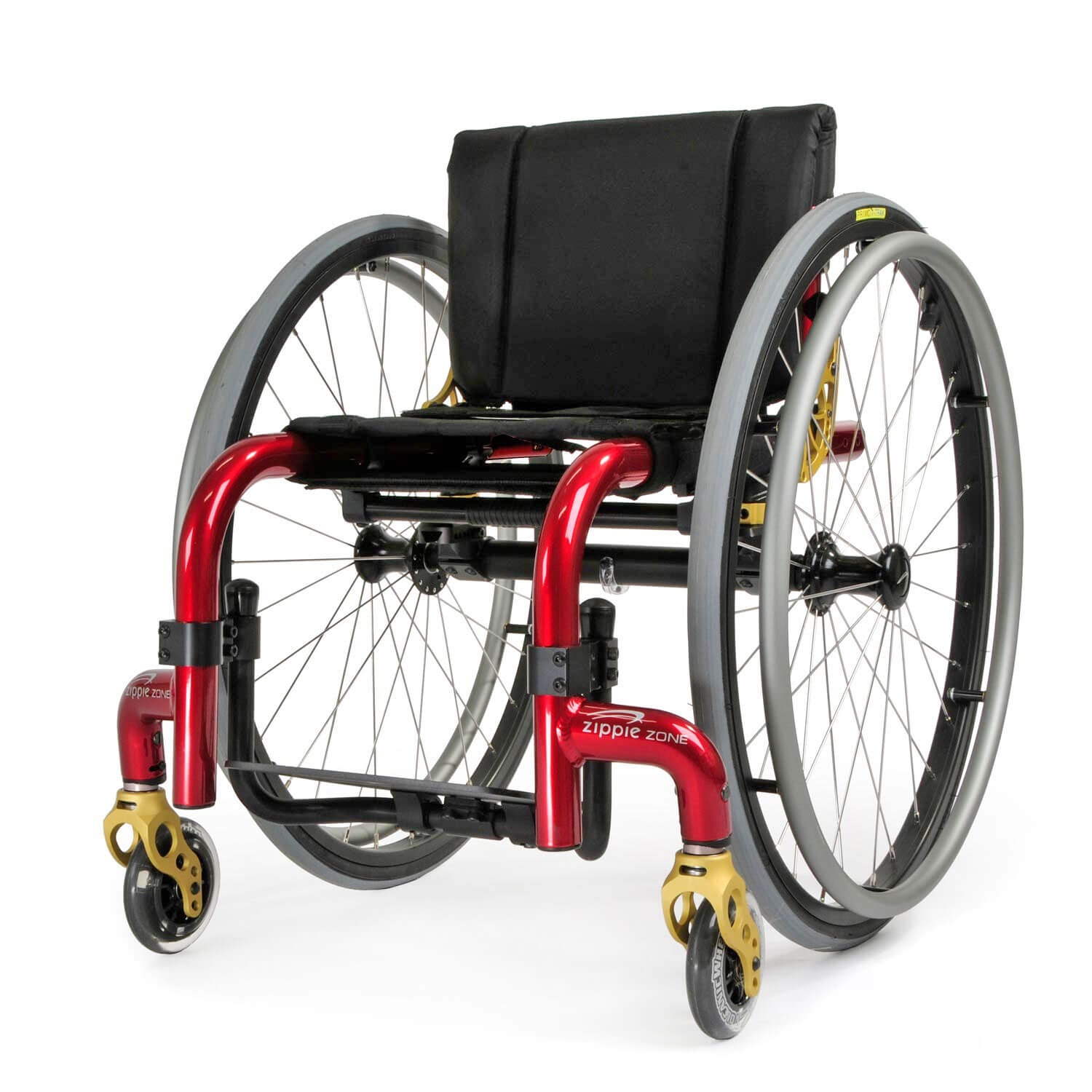
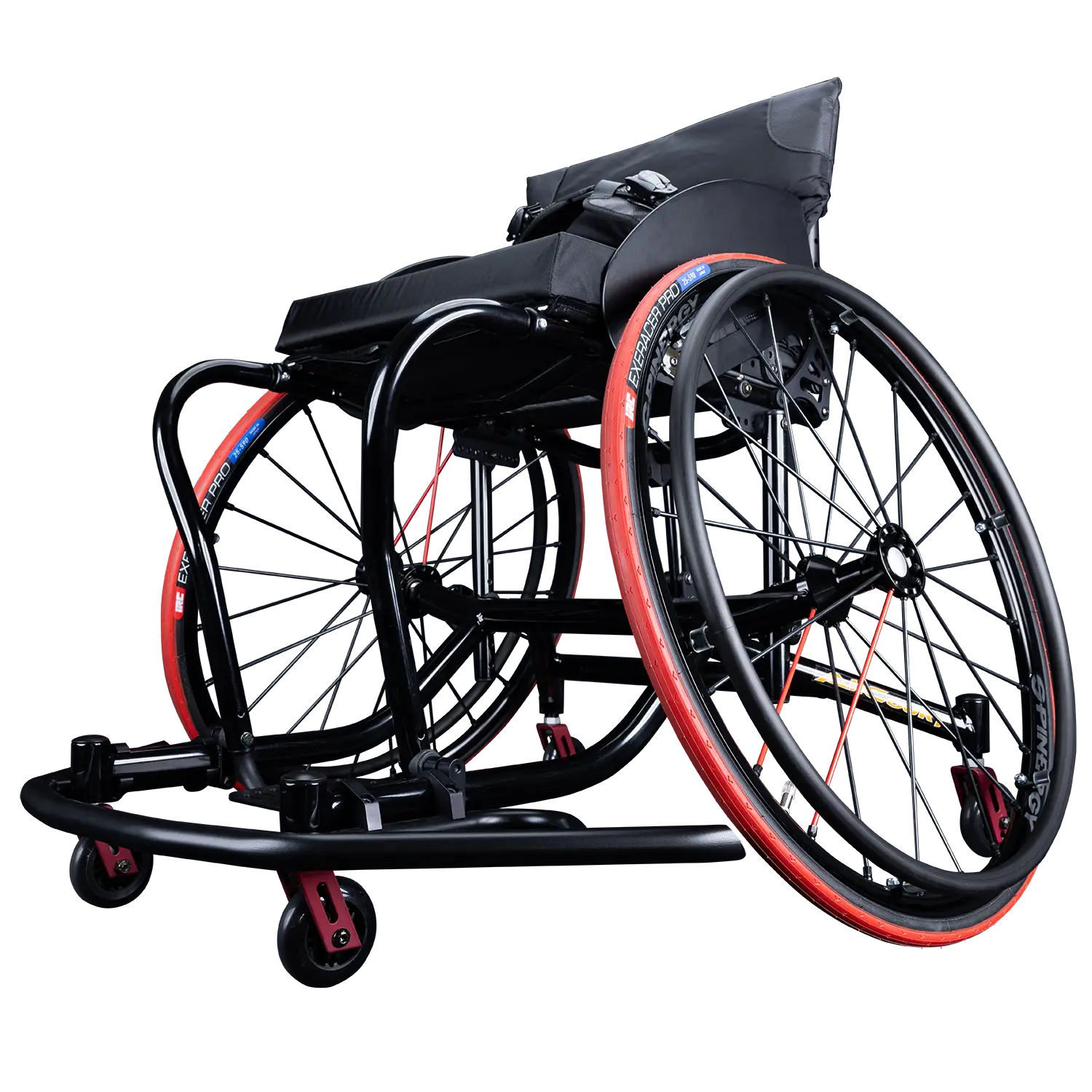
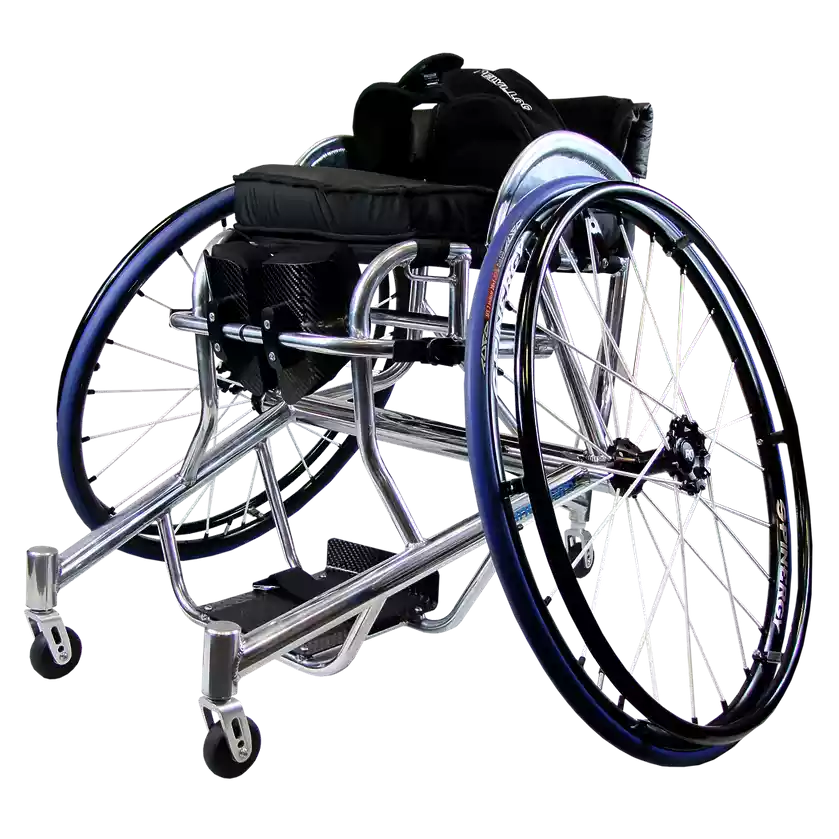
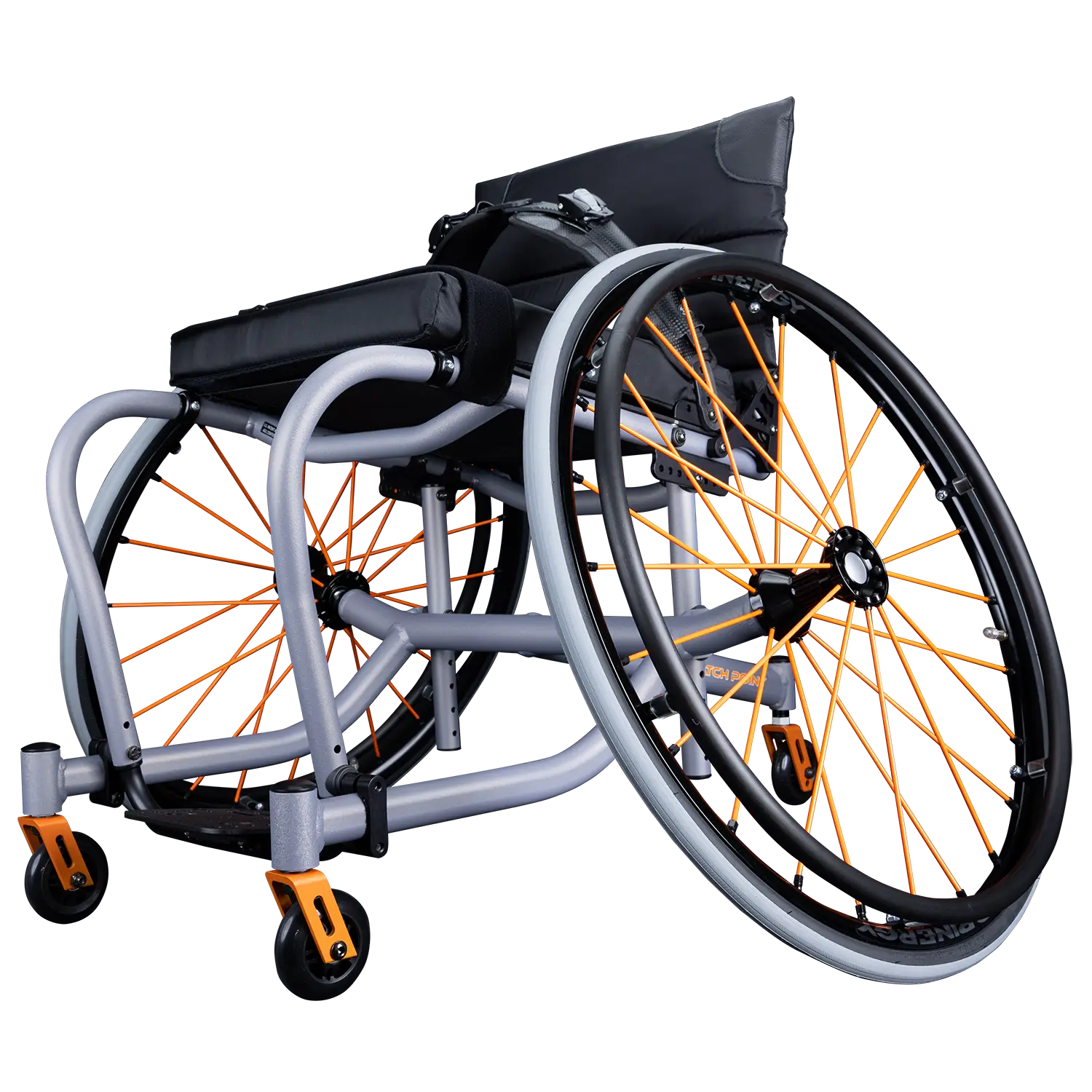
Sports Wheelchairs5
See all 5 Sports Wheelchairs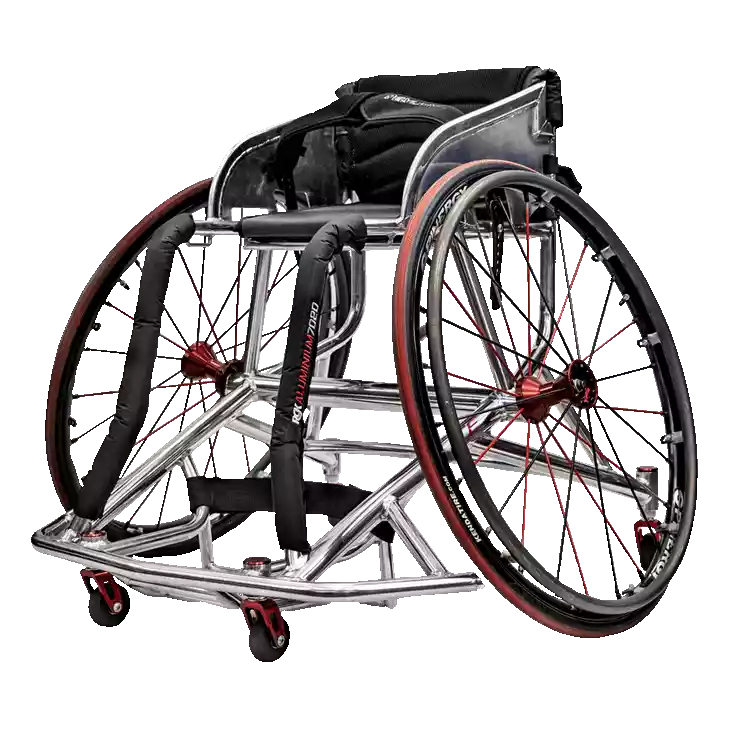
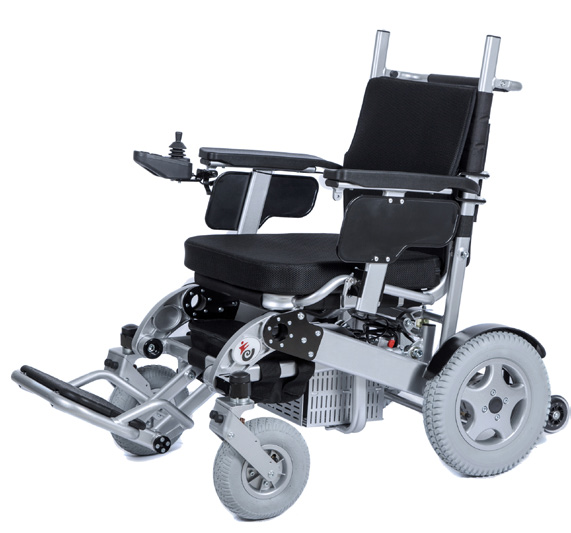
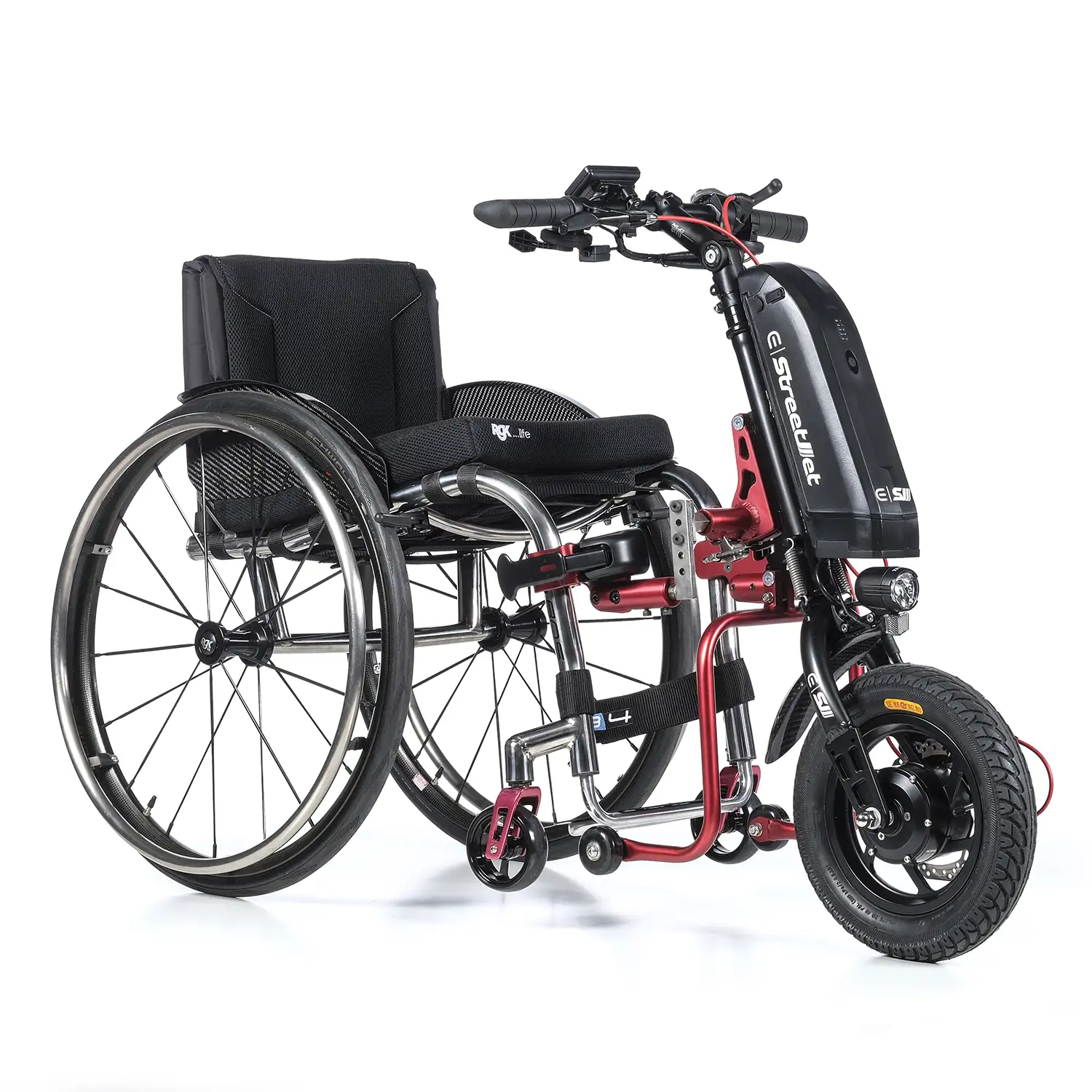
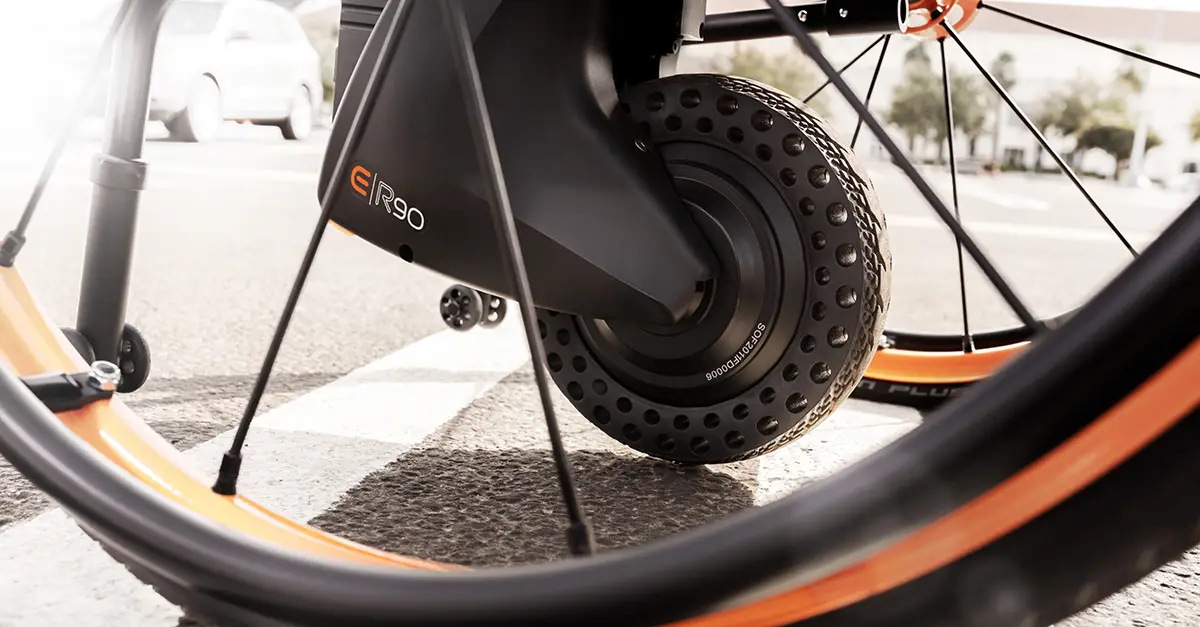
Power Assist7
See all 7 Power Assist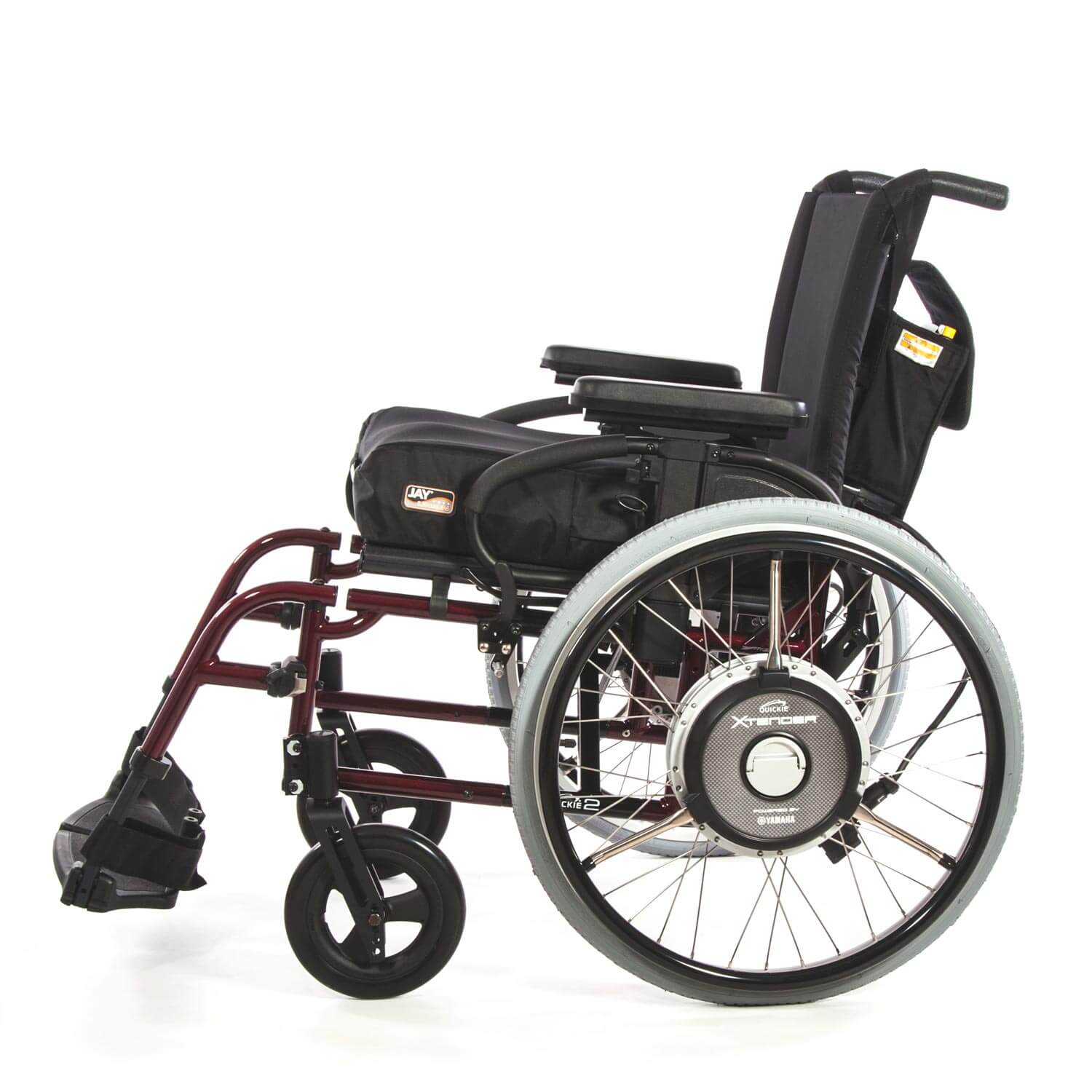

Accessories, parts and batteries
Wheelchair Accessories26
See all 26 Wheelchair Accessories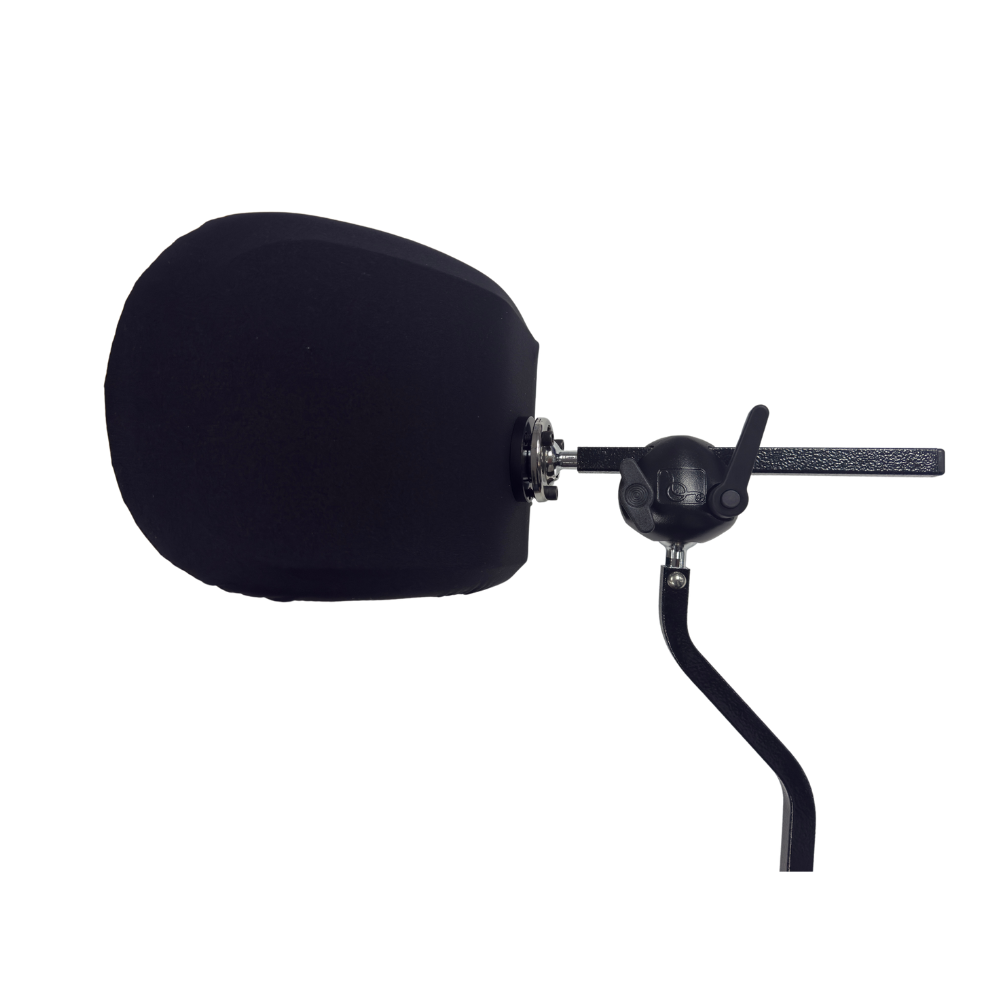



Cushions85
See all 85 Cushions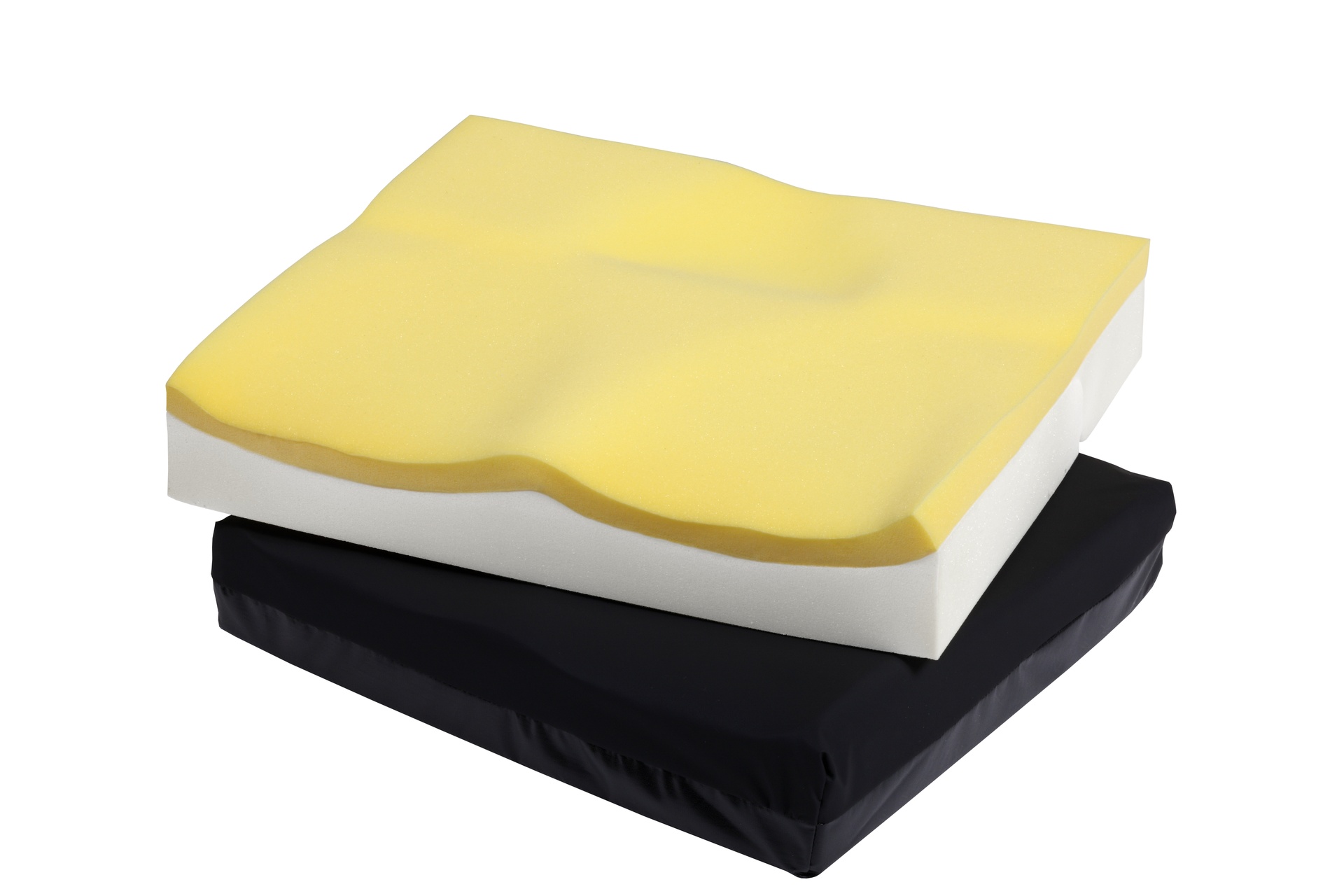
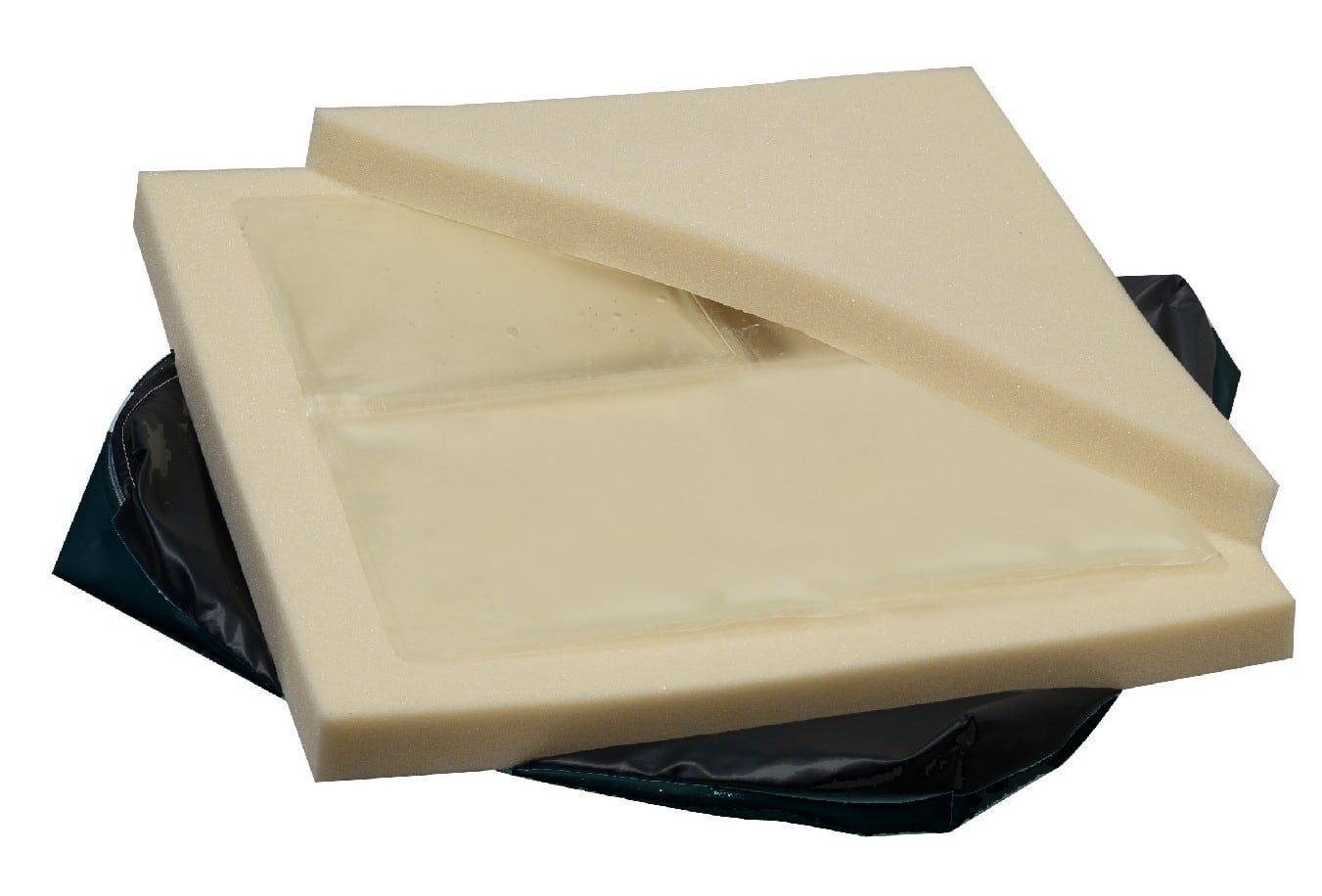
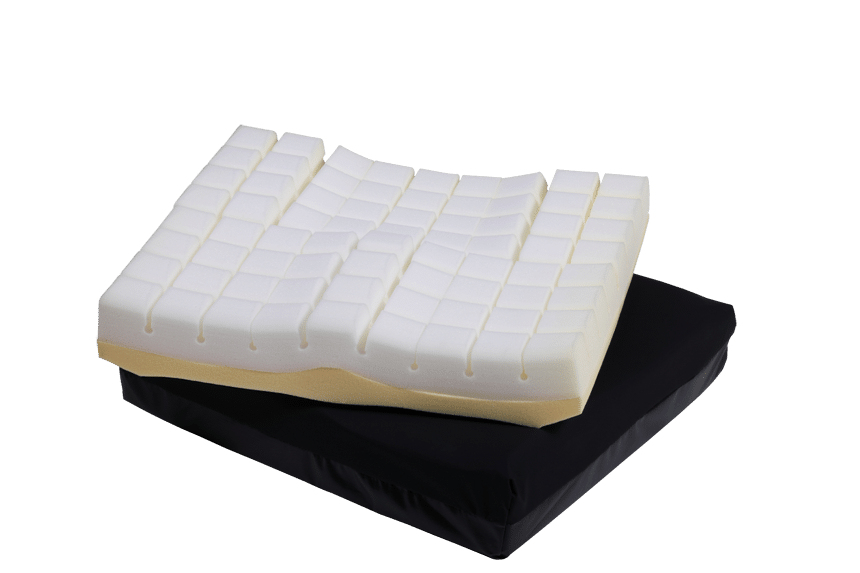
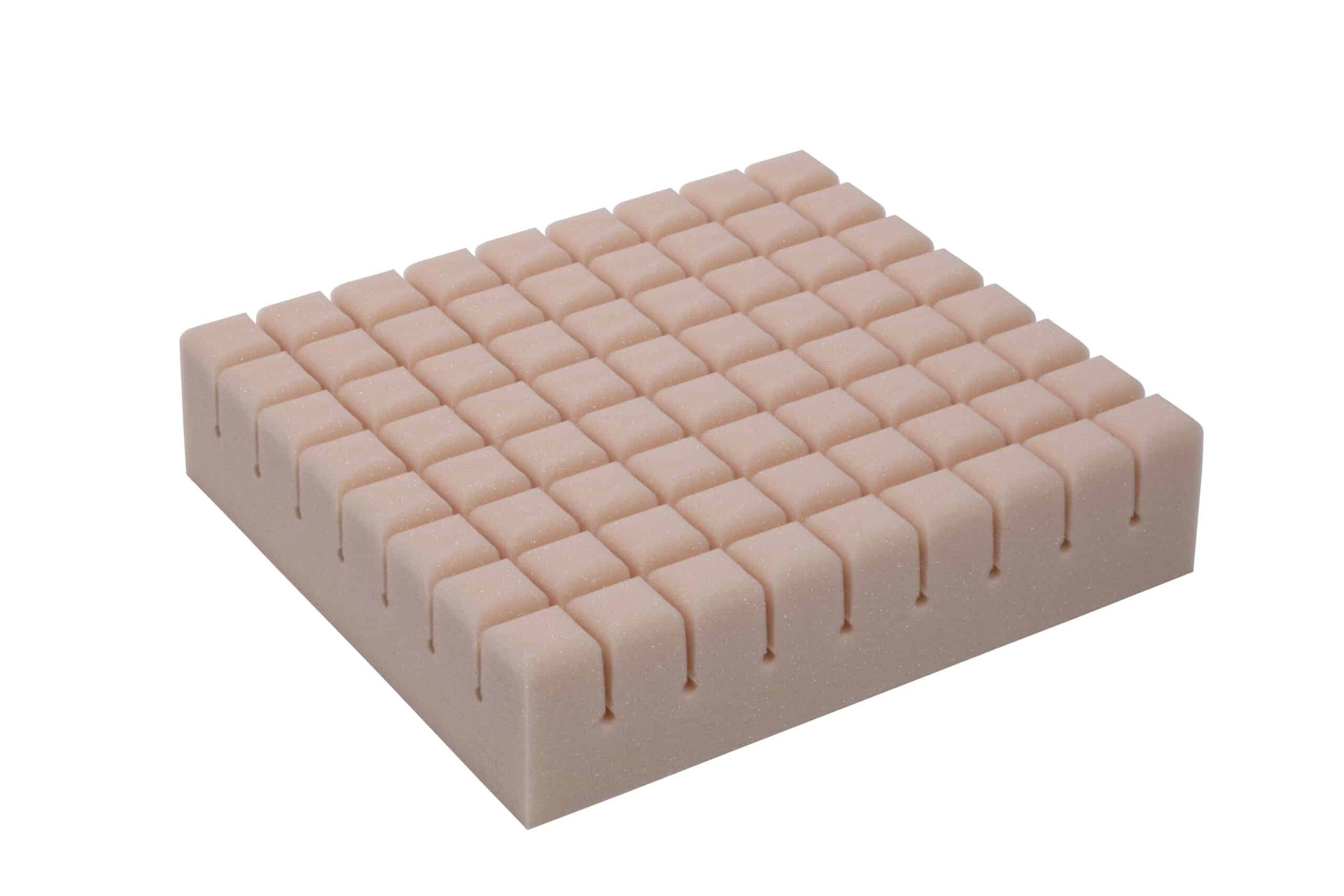
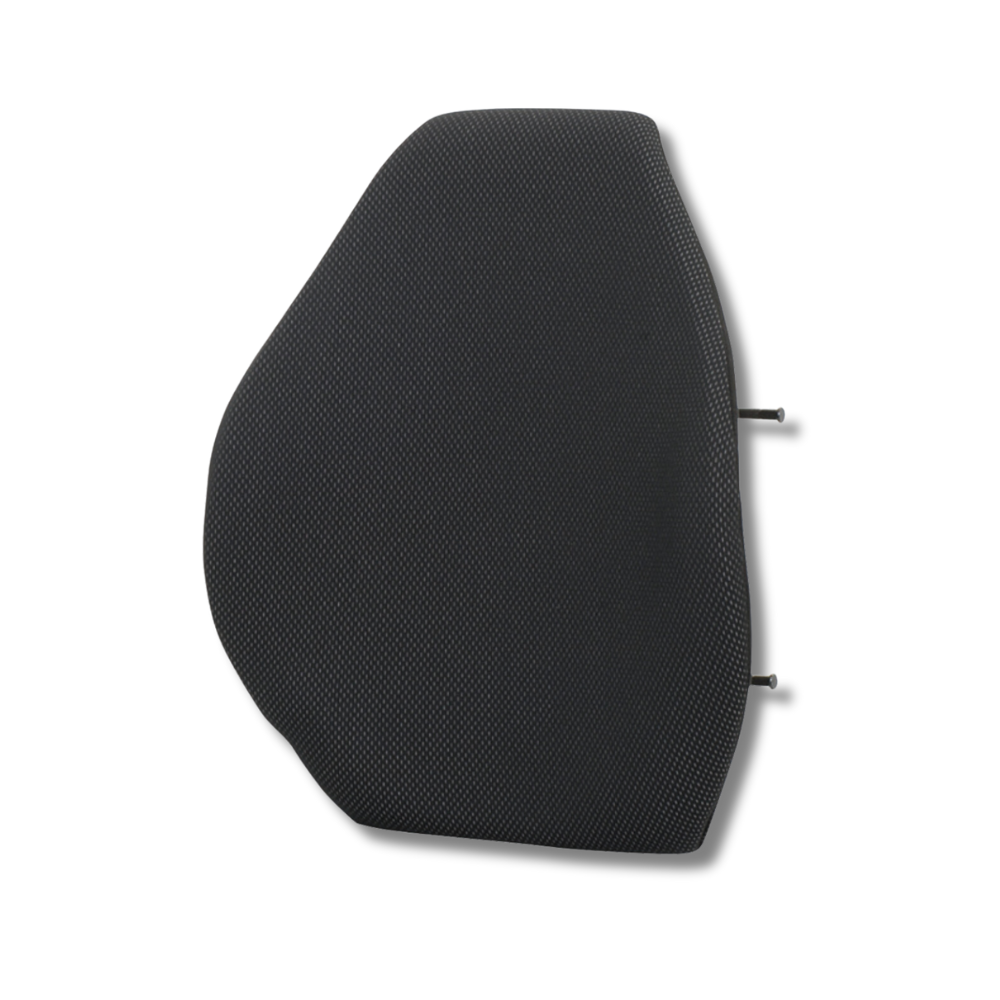
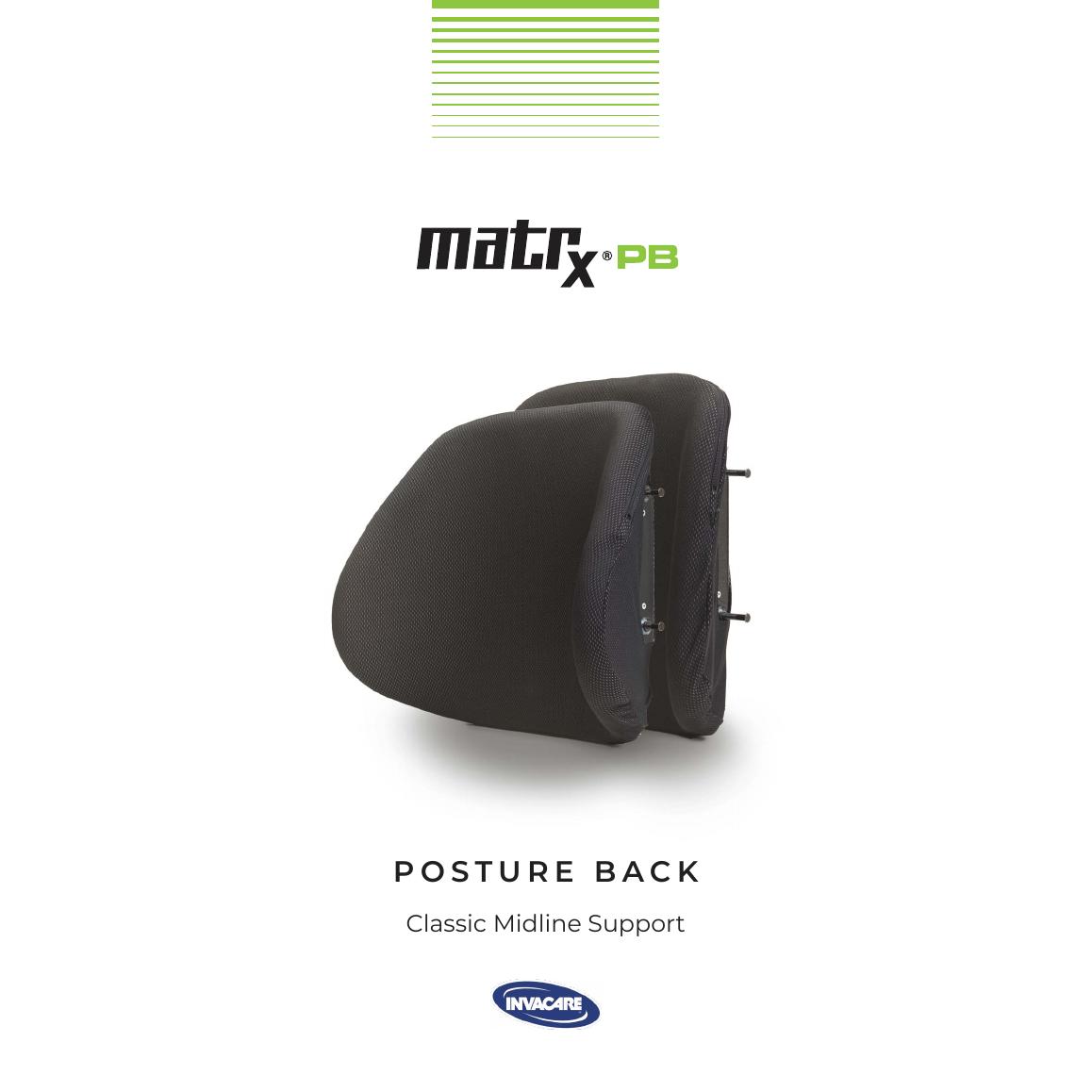
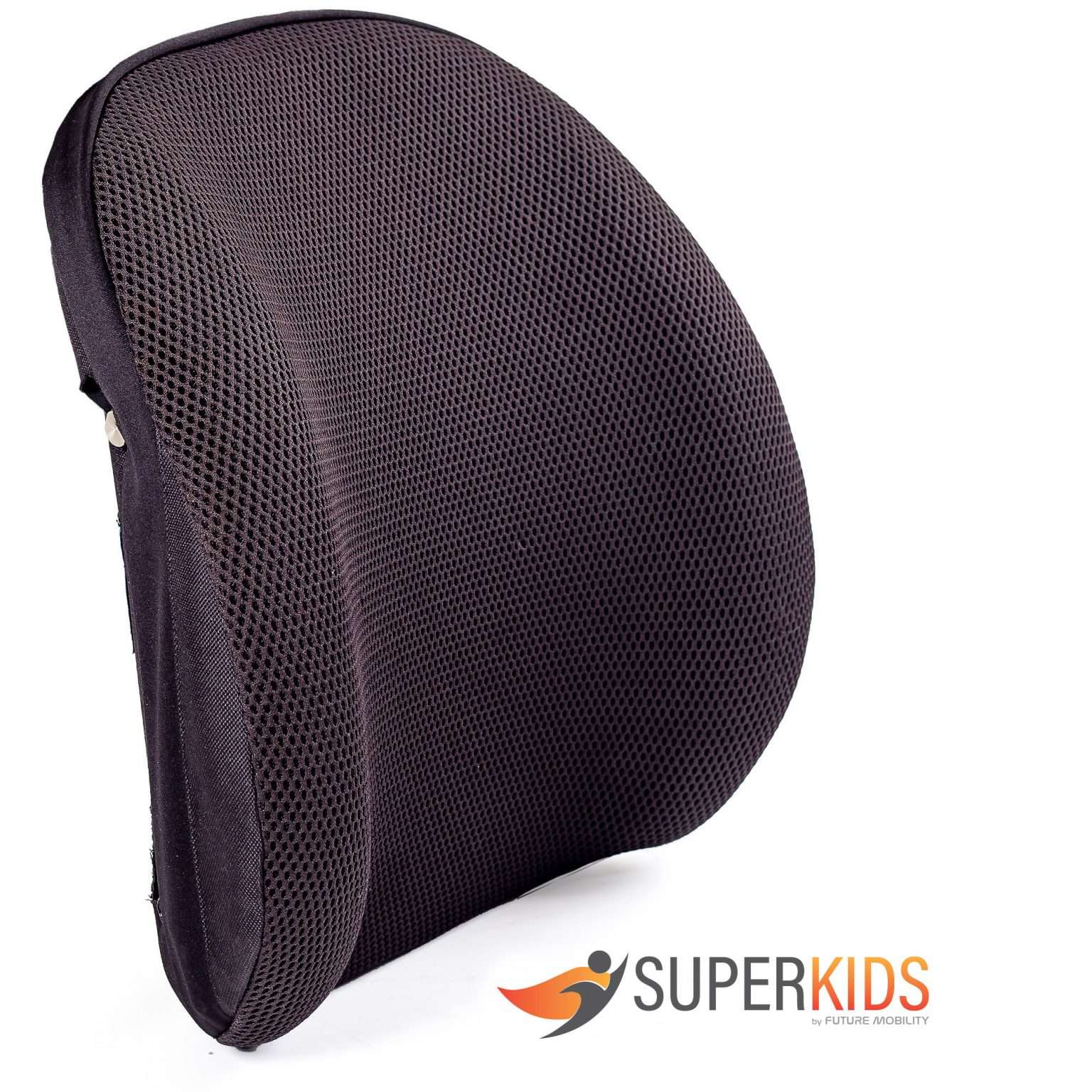
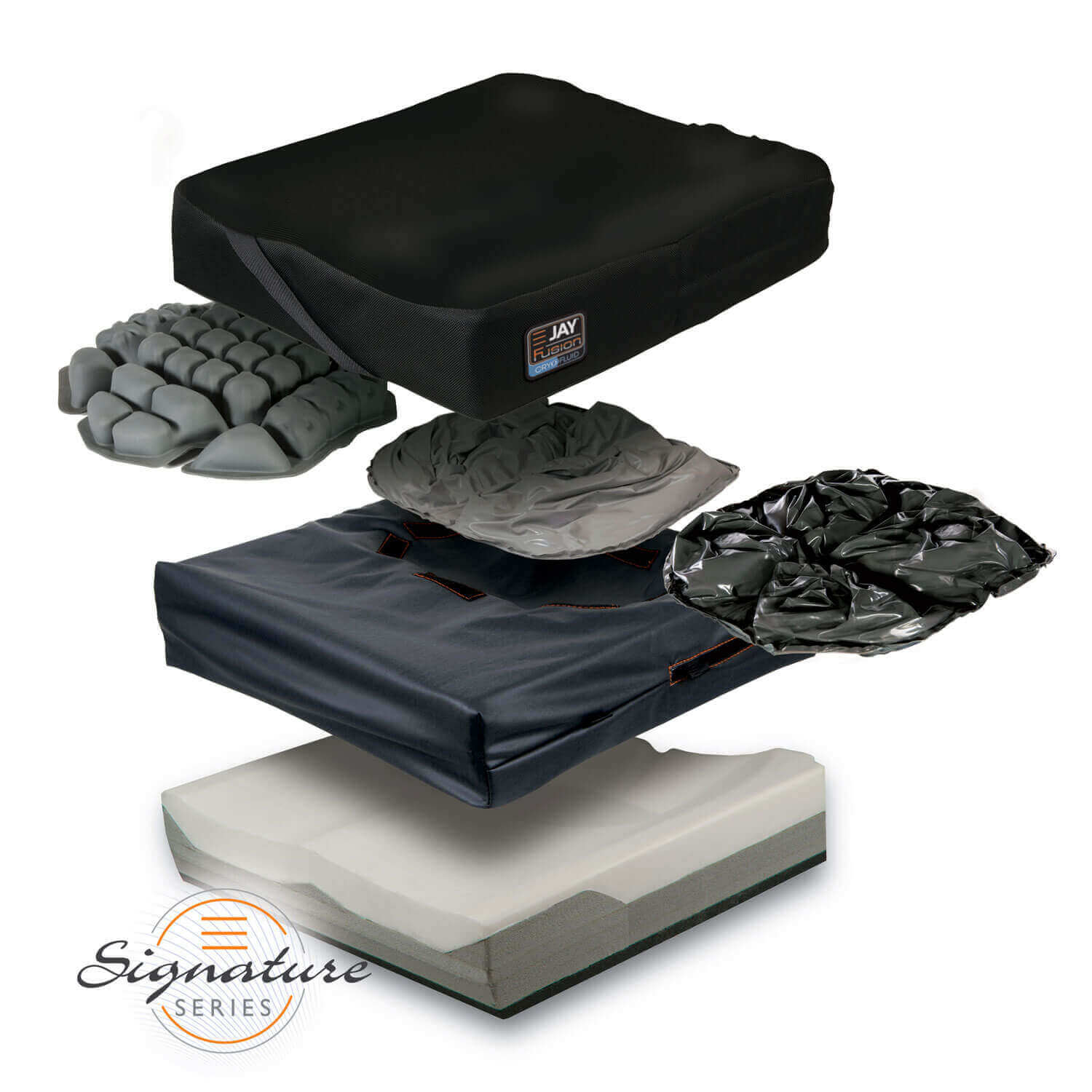
You sit on the cushion, not the chair.
Someone in a wheelchair may be seated for ten hours a day. At that point the cushion and the backrest are doing more for comfort, posture and skin than any feature on the frame spec, and a good chair with the wrong cushion is a bad chair.
We specify seating alongside the frame rather than afterwards: cushion type against pressure risk, backrest height and contour against trunk support, and everything measured to the person. Cushions and back supports are ADP-funded devices in their own right.
Accessories that change the day
Small parts, and the ones people discover they needed a month after the chair arrives.
Cushions
Foam, gel, air and hybrid, chosen against hours seated and whether skin has broken down before. ADP funded as a positioning device.
Backrests
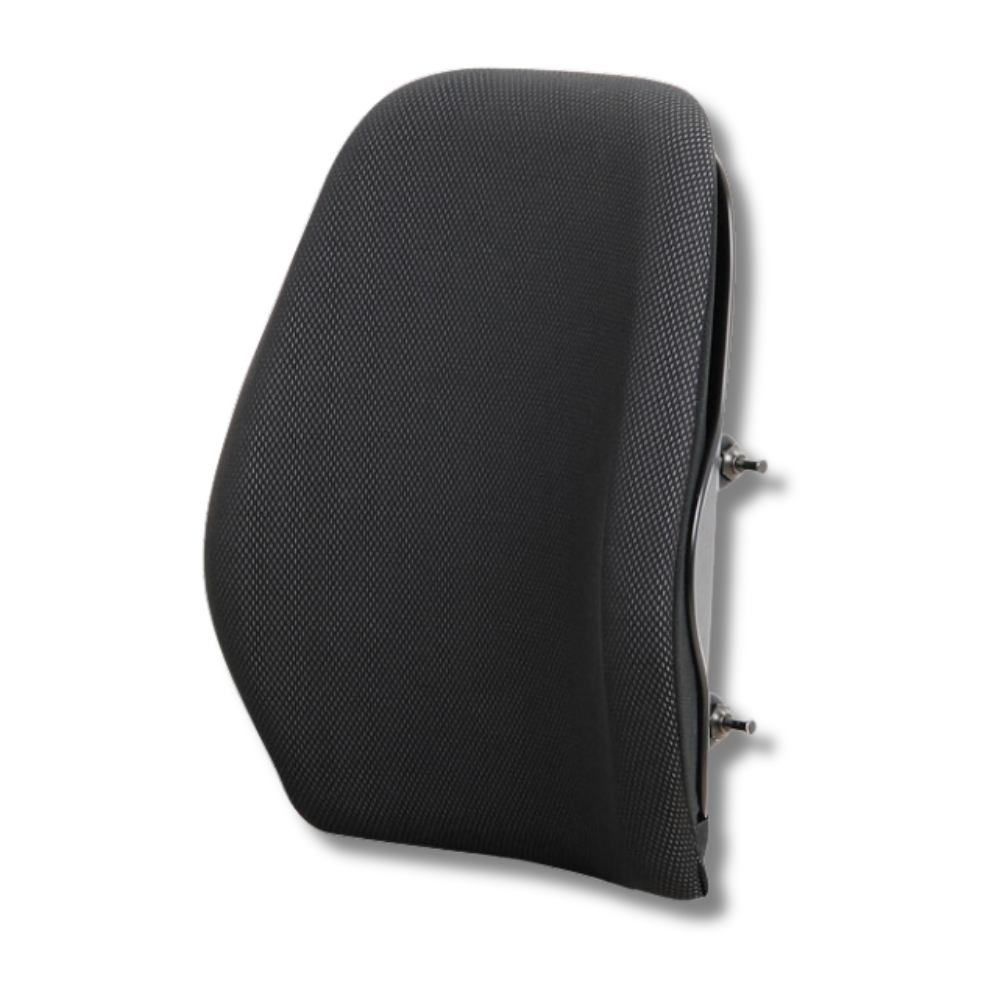
Contoured shells that support the trunk properly, replacing sling upholstery that stretches and lets a spine collapse sideways over time.
Anti-tippers and wheel locks
The two accidents that actually happen: tipping backwards on a kerb, and the chair rolling during a transfer. Both preventable, both cheap.
Trays, bags and cup holders
What makes a chair a place to live rather than just a way to travel. Inexpensive, and always forgotten at order time.
Manual wheelchairs we supply
Current catalogue frames, measured and configured for the person using them.
Motion Composites Helio A6 Folding Category 3 Wheelchair
Lightweight folding frame for everyday self-propulsion.
Motion Composites Helio C2 Carbon Folding Category 3 Wheelchair
Carbon folding ultralight when every pound in the boot matters.
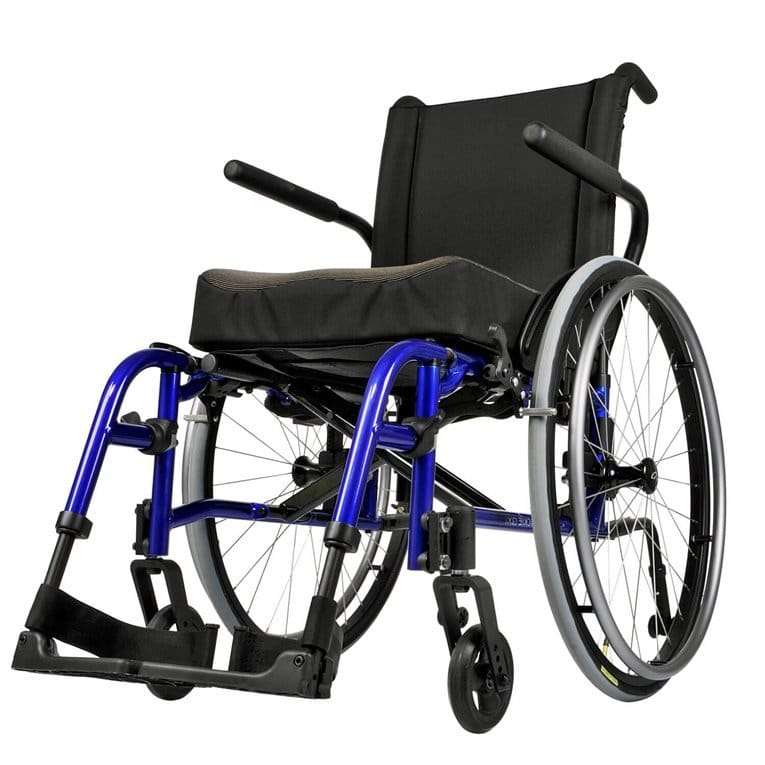
Sunrise Quickie Qxi Category 3 Folding Wheelchair
Configurable folding frame from Sunrise Medical.
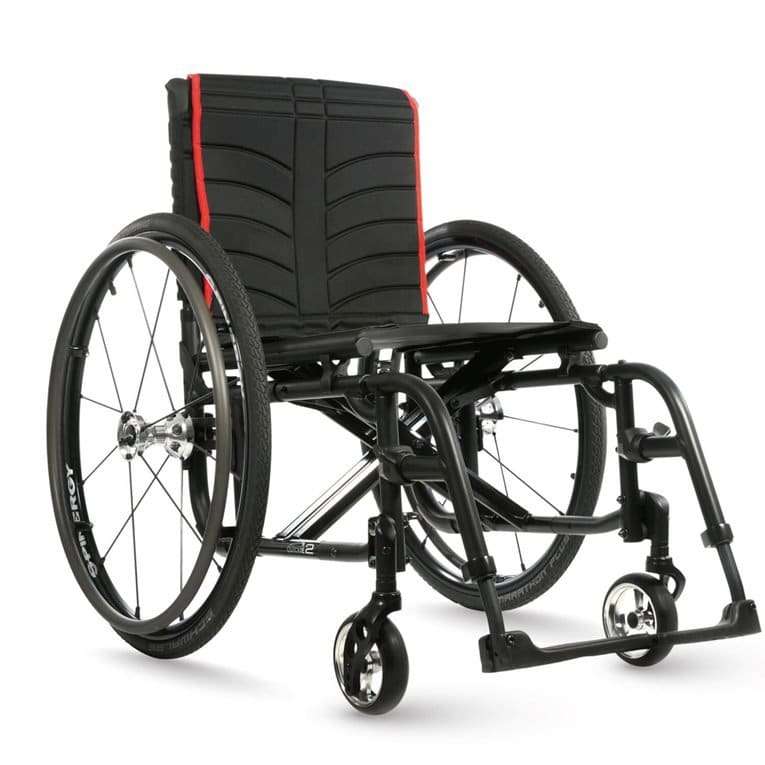
Sunrise Quickie 2 Category 3 Folding Wheelchair
Classic folding Category 3 frame, specified to the user.
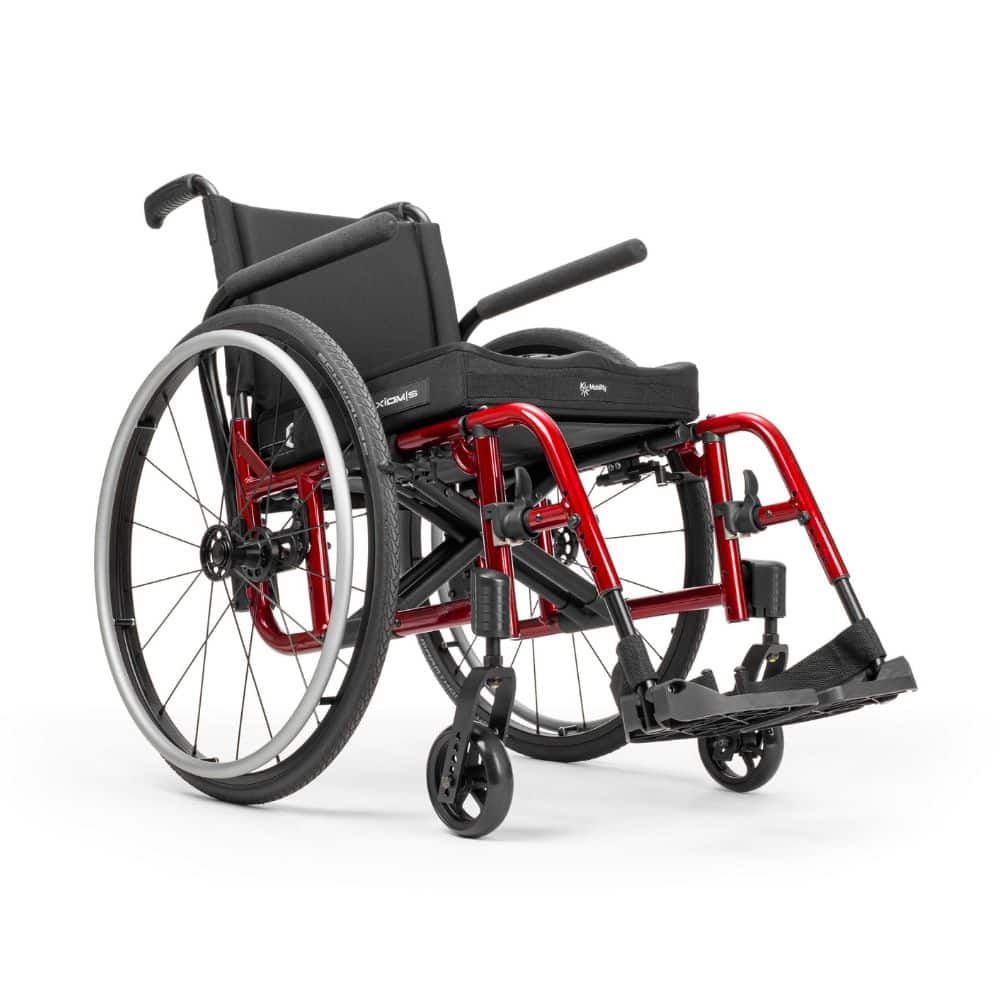
Ki Mobility Catalyst 5VX Category 3 Folding Wheelchair
Ki Mobility folding frame. Seat width and axle position set at the fitting.
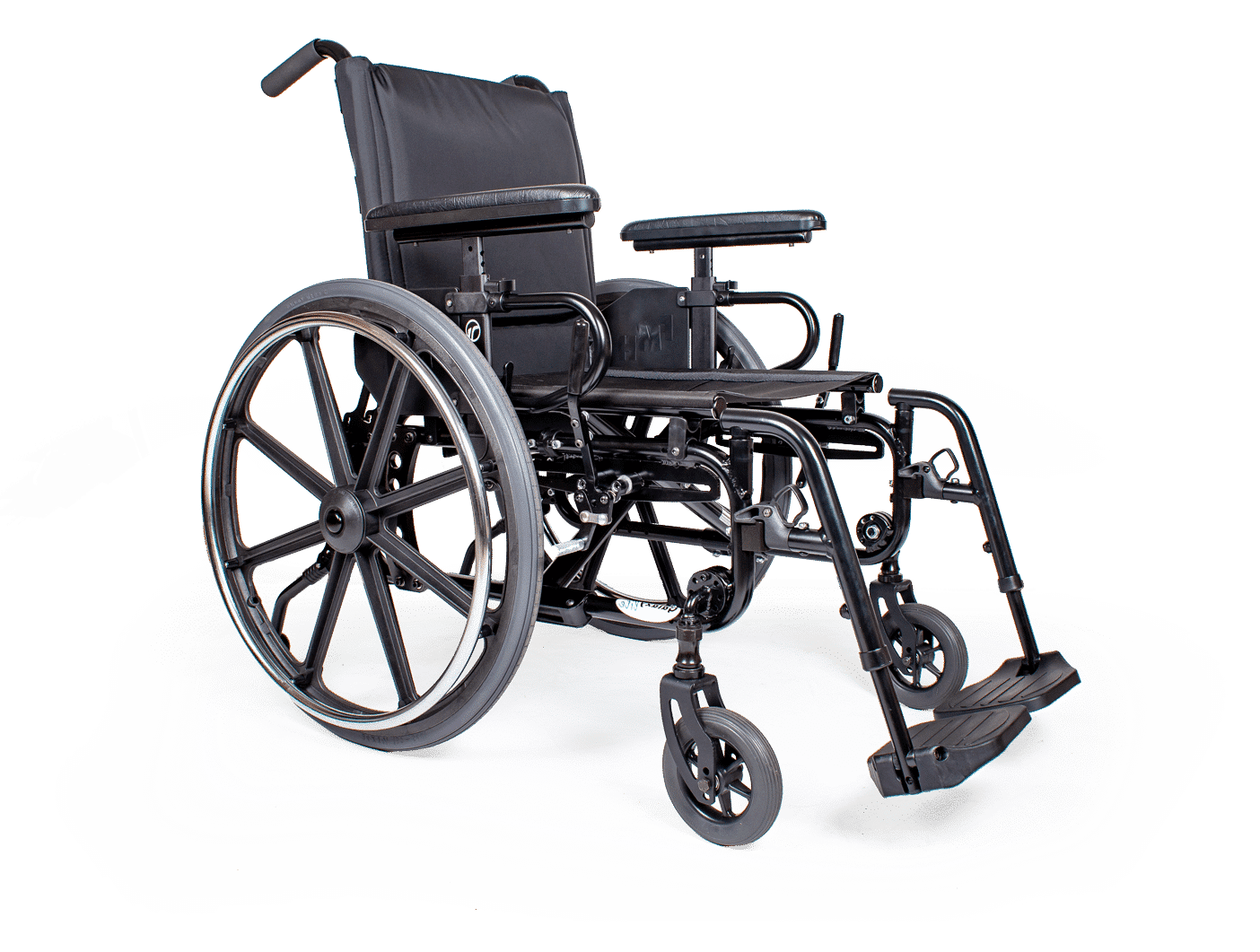
Future Mobility Galaxy Lite Category 3 Folding Wheelchair
Folding Category 3 frame for everyday indoor and outdoor use.
Future Mobility Orion II Category 5 Tilt Wheelchair
Tilt-in-space when the person cannot shift their own weight.
Drive Aluminum Transport Chair (ATC17/ATC19)
Attendant-propelled transport chair. Not ADP funded.
ADP funds manual wheelchairs. It does not fund transport chairs.
Manual wheelchairs are an Assistive Devices Program category at up to 75 percent of the approved cost for an eligible applicant, and cushions and back supports are funded devices too. Ontario explicitly excludes transport chairs from the program.
That distinction catches people out, because a transport chair is often the cheaper thing in the showroom and then turns out to be the more expensive thing after funding. We will point it out before you choose, not after.
You are buying privately
Then come and lift a few. Frame weight is the thing you cannot judge from a photograph, and it is what decides whether the chair gets used or left in the hall.
Book a fitting →You want ADP to cover 75%
Manual wheelchairs, cushions and back supports are all fundable. Transport chairs are not. Tell us which you need and we will tell you honestly whether to apply.
See how funding works →Even the balance is too much
Say so. ODSP recipients often get more covered, and March of Dimes, the MS Society and Muscular Dystrophy Canada fund the remainder in some cases. We also hold refurbished chairs from time to time.
Talk to us honestly →Questions we get asked about manual wheelchairs
If yours is not here, call us on 905 451-7743. A person answers during business hours.
Does ADP cover a manual wheelchair in Ontario?
Yes. Manual wheelchairs are an Assistive Devices Program category, and for an eligible applicant ADP contributes up to 75 percent of the approved device cost. Cushions and back supports are funded as separate positioning devices. Note that Ontario explicitly does not fund transport chairs. We are an authorized vendor and complete the paperwork.
What is the difference between a wheelchair and a transport chair?
A wheelchair has large rear wheels with handrims so the person sitting in it can propel themselves. A transport chair has small wheels all round and must be pushed by somebody else. Transport chairs are lighter, narrower and fold smaller, which is why they suit occasional outings, but they remove the user's independence and they are not ADP funded.
How much does a manual wheelchair weigh?
It ranges enormously, from standard steel frames down to ultralight aluminium, titanium and carbon. What matters is the weight after the rear wheels are removed, because that is what somebody lifts into a car. Come to the showroom and lift a few, because the difference is far more obvious in your hands than on a spec sheet.
How do I know what size I need?
Seat width and depth are measured from the person, not chosen from small, medium and large. A seat two inches too wide lets someone slide sideways all day and pulls the spine out of alignment over months. This is the main thing an assessment is for, and it is free.
Can I rent a manual wheelchair?
Yes. We rent manual chairs and transport chairs across the GTA for short-term needs such as recovery from surgery, a visiting relative, or a holiday. Delivered and collected, and we can switch you to a purchase if the need turns out to be permanent. Note that ADP does not fund most rentals.
What is tilt-in-space and do I need it?
Tilt-in-space tips the whole seat back as one unit, so the hip and knee angles stay the same while pressure moves off the sitting bones. It is for someone who cannot shift their own weight and is therefore at risk of pressure injury. If you can reposition yourself, you do not need it.
Why does the rear axle position matter?
Moving the rear axle forward makes the chair easier to propel and quicker to turn, at the cost of some rearward stability. It is one of the most useful adjustments on a self-propelled chair and it is almost never set by an online seller. We set it as part of the fitting.
Do you sell used manual wheelchairs?
Sometimes, when a chair comes back to us in good condition and can be properly serviced. Stock changes constantly, so call and ask rather than relying on the website. Everything used is checked before it is resold.
Can you repair my existing wheelchair?
Yes. We service manual chairs from Brampton across the GTA, including tyres, castors, upholstery, brakes and bearings. Because we carry several manufacturers we hold the common parts rather than ordering every part in. ADP does not fund repair costs.
How do I know if the sling back needs replacing?
Look at it from the side. If the fabric curves backwards in the middle rather than sitting flat, it has stretched, and it is now rolling the pelvis back and letting the trunk fall sideways. It happens slowly enough that nobody notices. A contoured backrest fixes it and is ADP fundable.
Do I need an occupational therapist?
For ADP funding, yes: an ADP-registered occupational therapist or physiotherapist has to assess and authorize the chair. We work with several across the GTA. For a private purchase you do not need one, though we will still measure properly.
Do you deliver across the GTA?
Yes. Brampton, Mississauga, Toronto, Etobicoke, Vaughan, Markham, Richmond Hill, Oakville, Milton and Caledon, with the chair set up and adjusted on delivery rather than handed over in a box. Purchases ship across Canada from Brampton.
You might also be looking at
Book a free wheelchair assessment
We measure the person, check the doorways, and tell you honestly whether ADP is likely to apply. No charge for the visit.