Rollators and walkers
Answer three questions and we will tell you which one is right, then fit it to your height. Both are free.
Four wheel rollators with a seat, three wheel models for narrow halls, upright walkers and bariatric frames. Serving Brampton, Mississauga, Toronto, Vaughan and Markham.
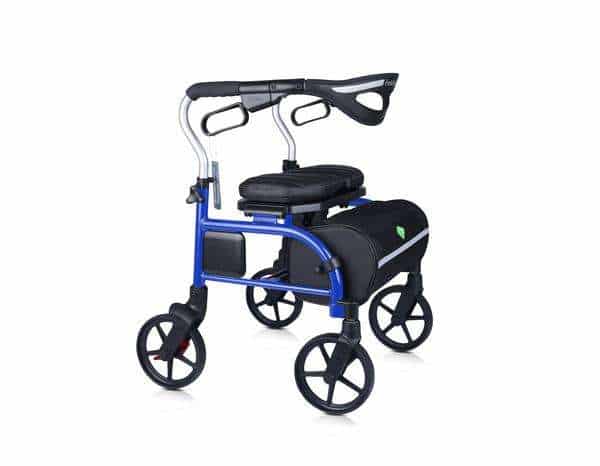
Popular models we set up in the GTA
Which walker is right for you?
There are four kinds and picking wrong is the most common mistake people make buying online. Tell us three things and we will narrow it to one.
Handles at your wrist. Not your waist, and not where the box left them.
Stand upright with your arms loose. The handles should meet the crease of your wrist, giving a slight bend at the elbow. Most rollators arrive set too low, and a rollator set too low is what makes people stoop, strains the back, and puts the wheels ahead of the body where they cannot catch a stumble.
Handles at the wrist crease
Arms hanging loose at your sides, handles level with the crease of your wrist. Your elbows should bend slightly when you hold them.
Walk inside it, not behind it
The frame should travel with you, not out in front. Pushing it away is what turns a stumble into a fall.
Both brakes locked before sitting
The seat is for resting, never for being pushed. Lock both brakes every single time, without exception.
Bigger wheels for outdoors
Small castors catch on paving joints and kerb lips. Eight inches or more if most of your walking is outside.
In the Brampton showroom or at your home anywhere in the GTA. We adjust it, check the brakes, and watch you walk with it. If you already own a rollator, bring it in and we will set that one instead.
Do you need somewhere to sit down?
That single question splits walkers from rollators before anything else matters. Then it comes down to how much support you need and how narrow your hallways are.
Four wheels, loop hand brakes, a padded seat and a basket. Walks with you, carries the shopping, and gives you somewhere to rest halfway.
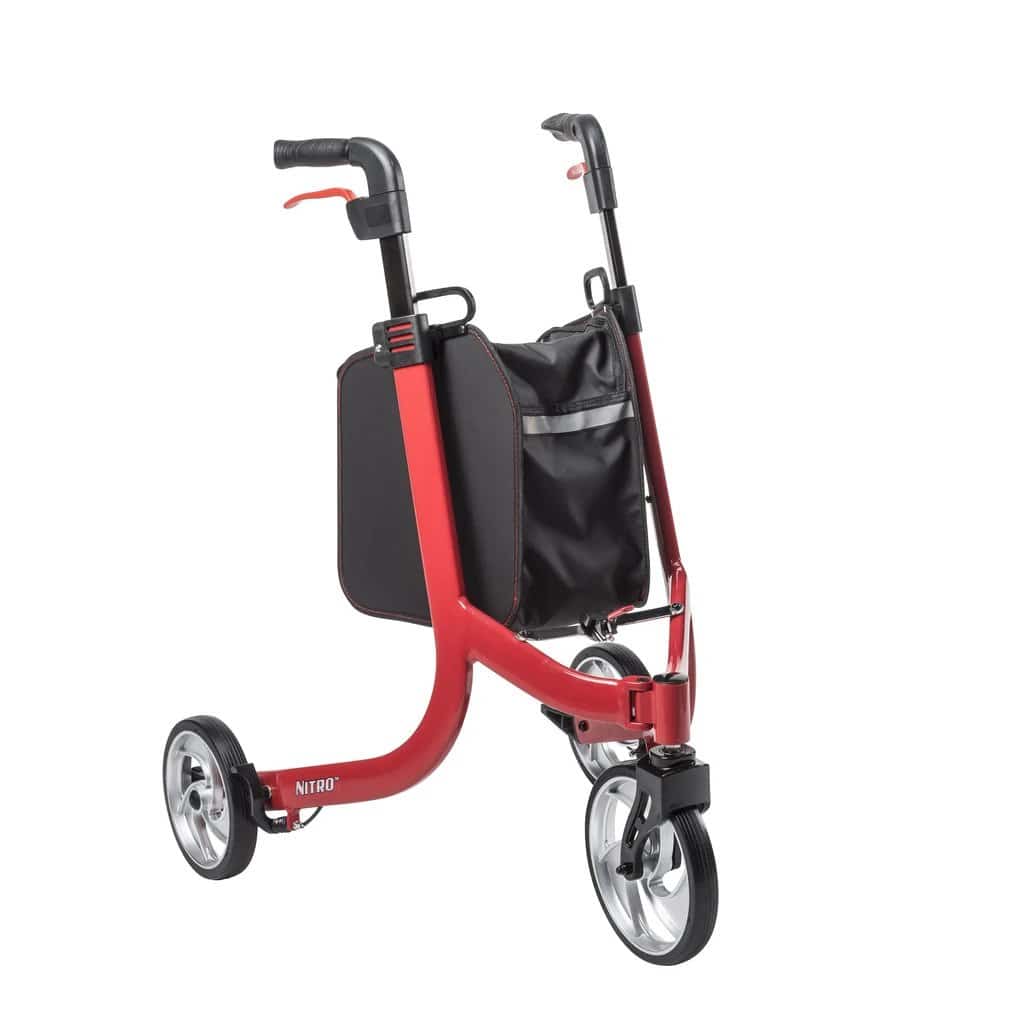
Lighter and narrower with a far tighter turn, for apartments, narrow hallways and crowded shop aisles.
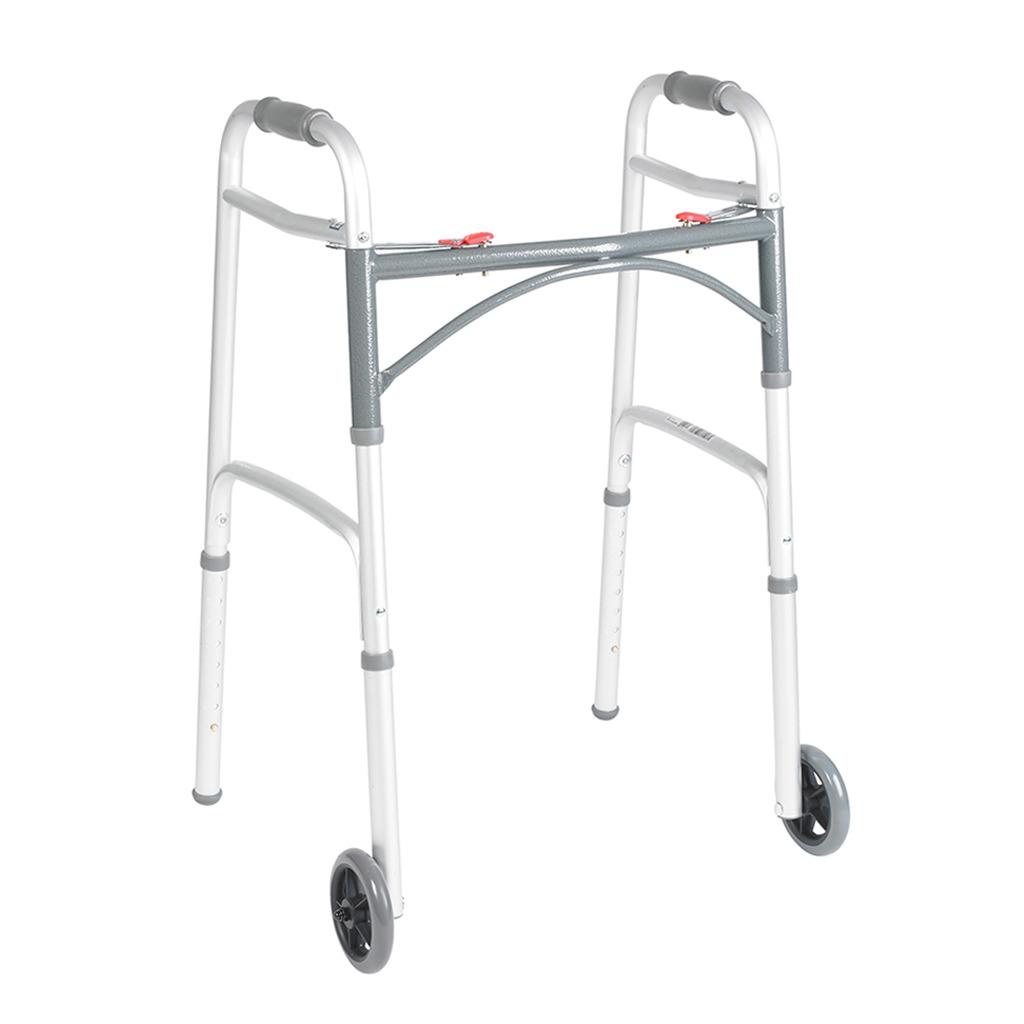
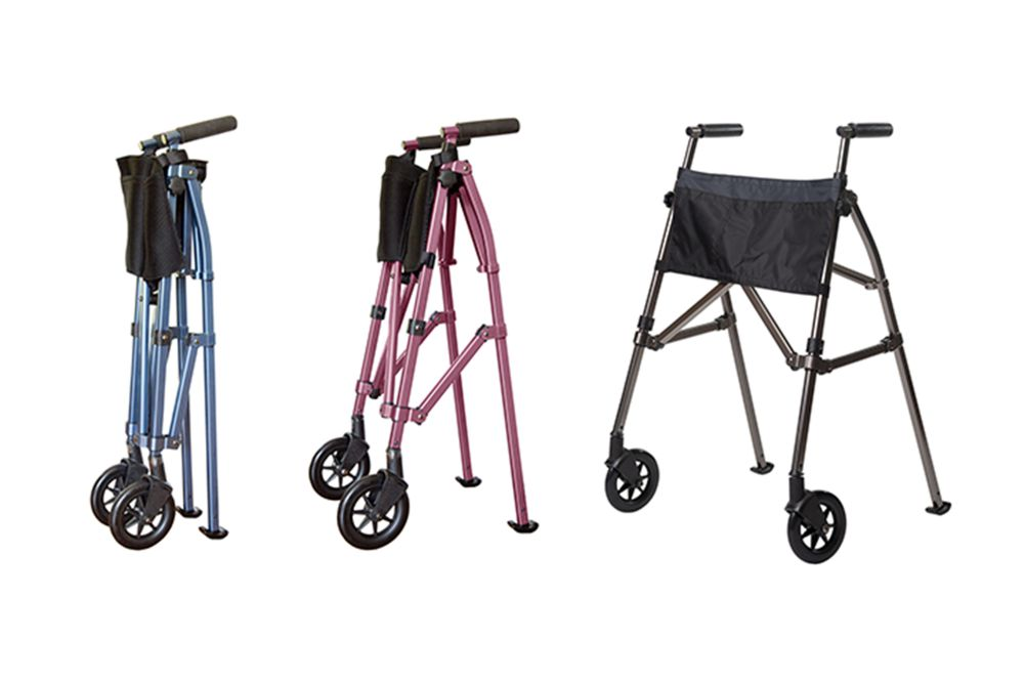
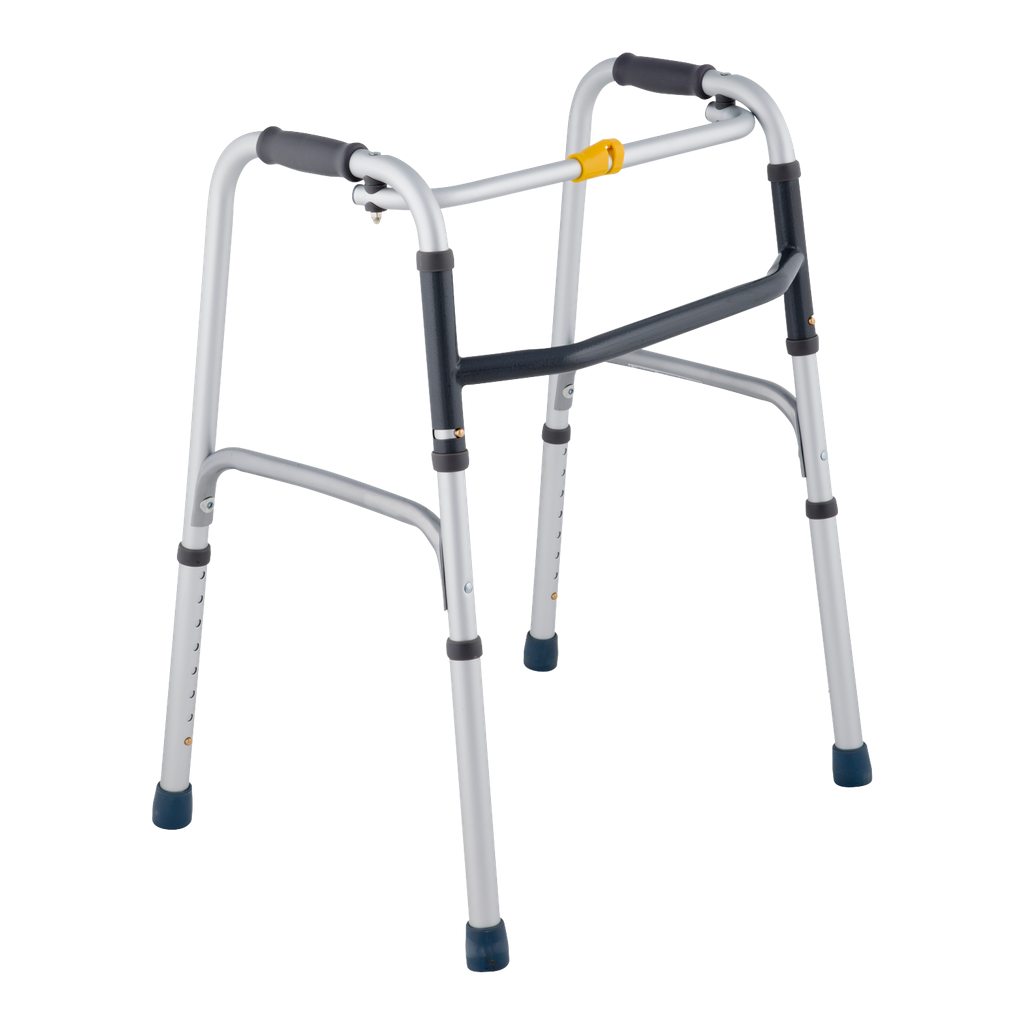
Four fixed legs, or two front wheels. Lifted or slid forward, which forces a slower step and cannot roll away from you.
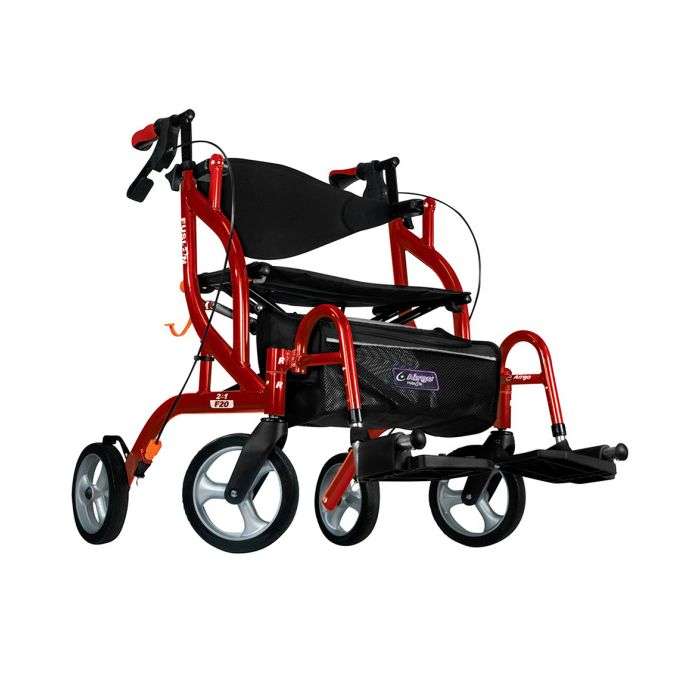
Forearm platforms at chest height so you stand tall instead of stooping. Much kinder to a sore lower back and painful wrists.
Shop rollators and walkers by type
Everything we have published, grouped the way people ask for it. The counts come straight from the catalogue, so new stock shows up here on its own.
4 Wheel Rollators28
See all 28 4 Wheel Rollators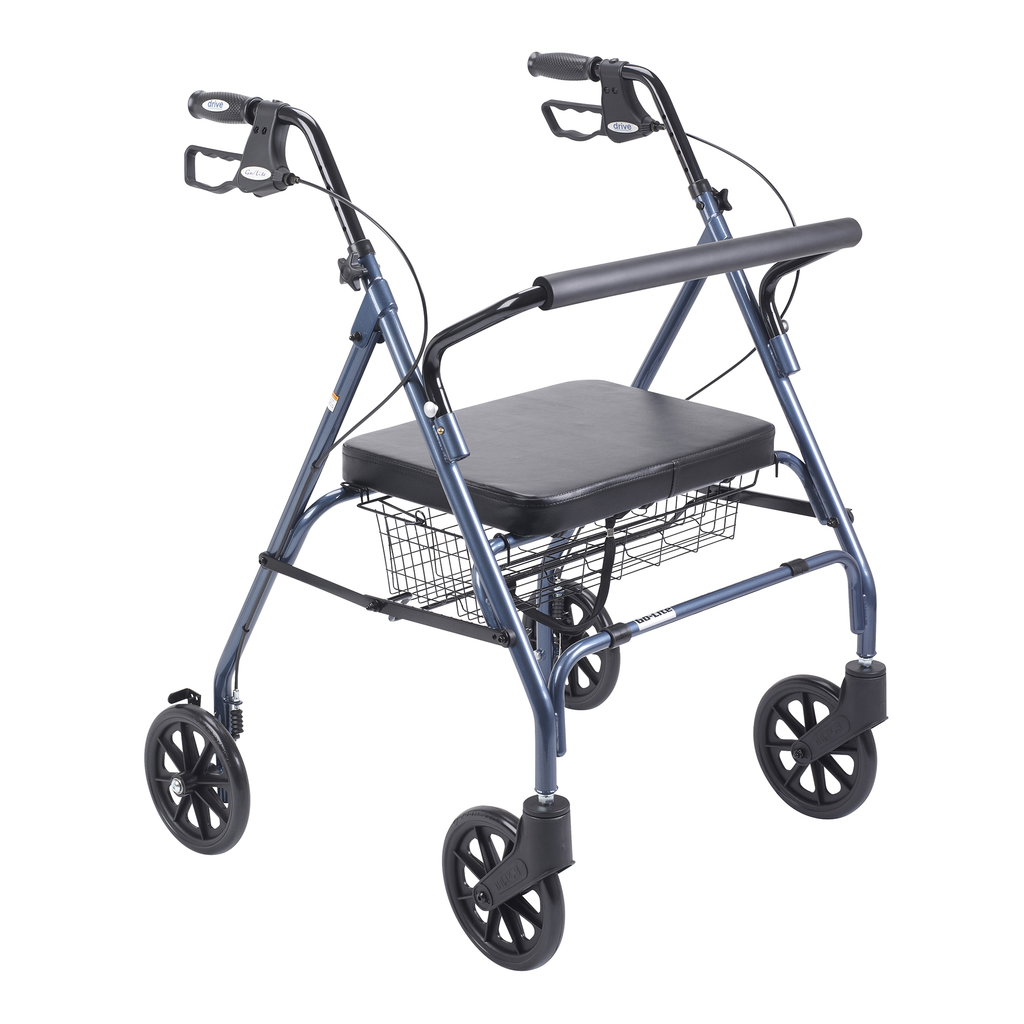
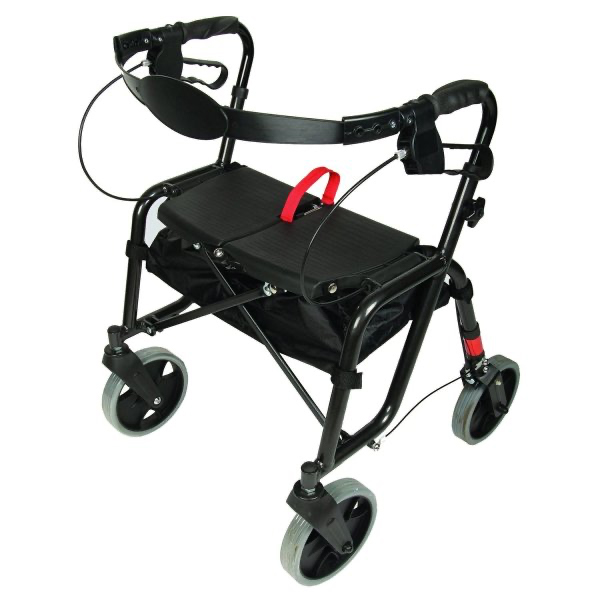
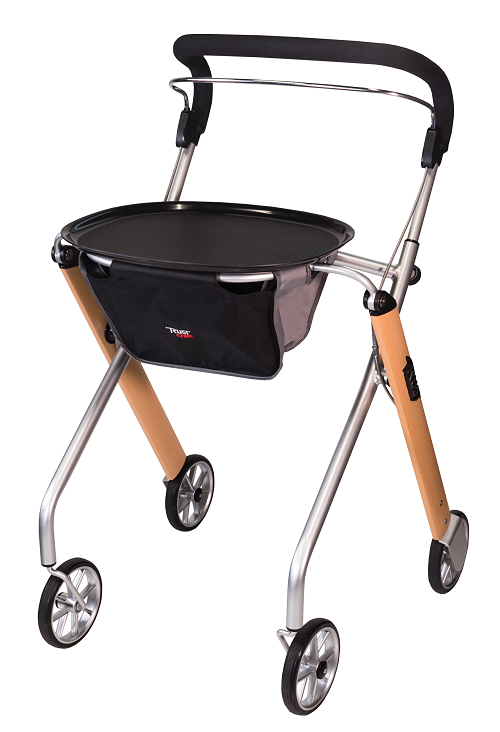
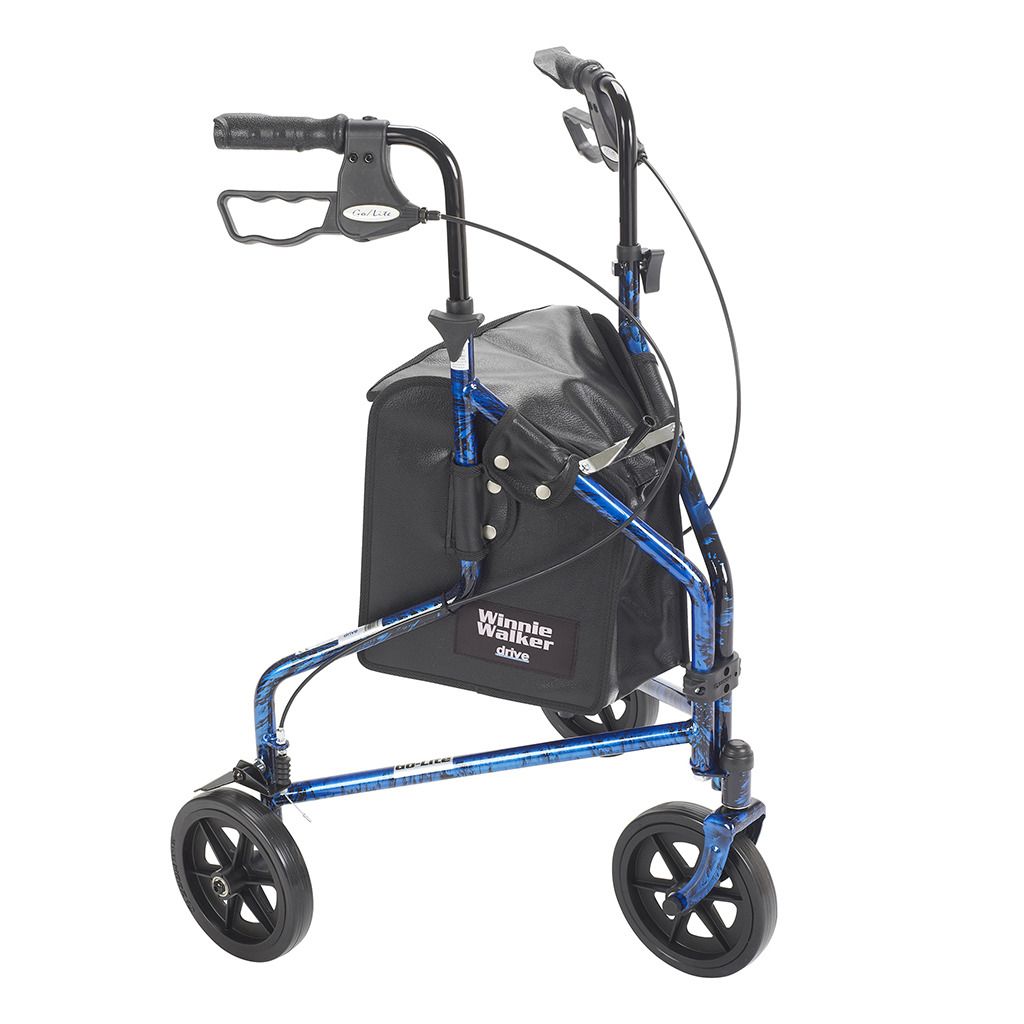
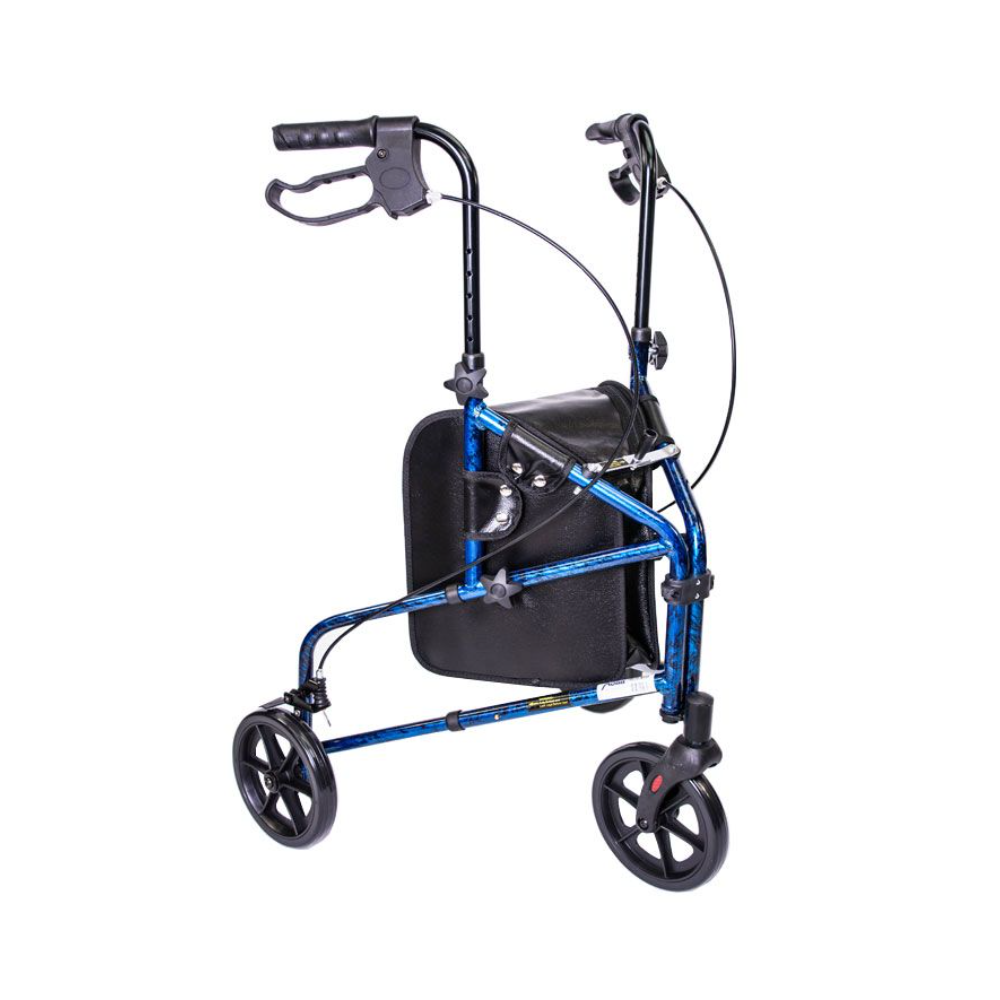
3 Wheel Rollators4
See all 4 3 Wheel Rollators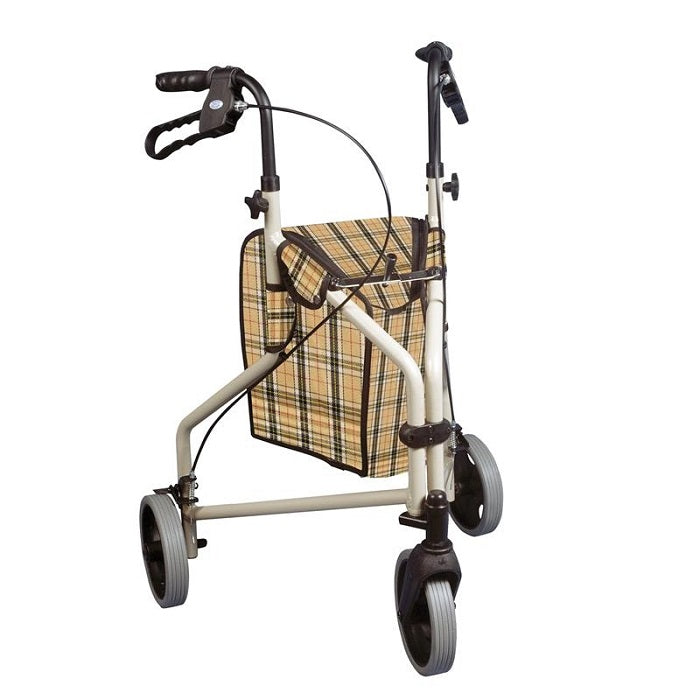
Type 3 Rollator17
See all 17 Type 3 Rollator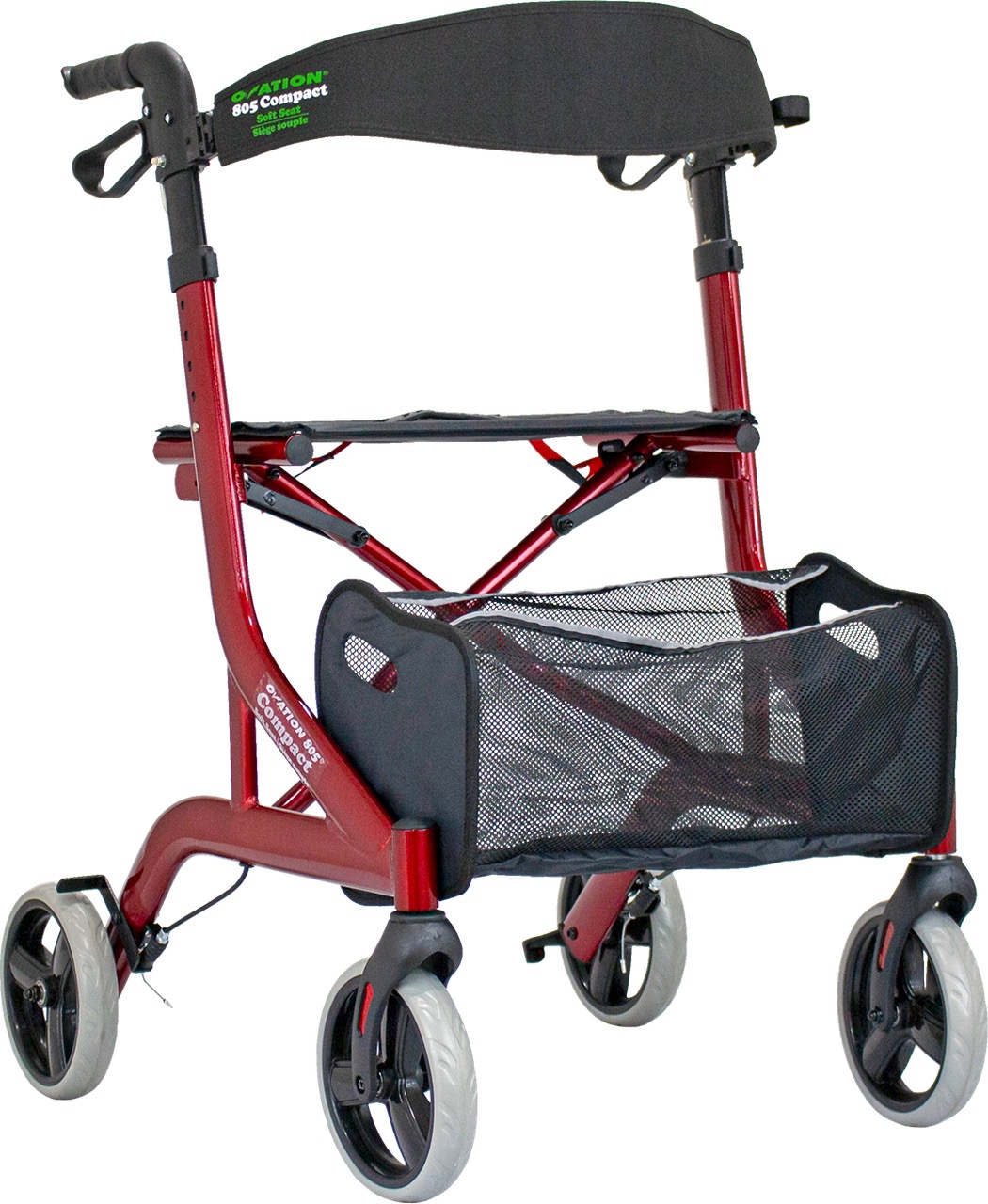
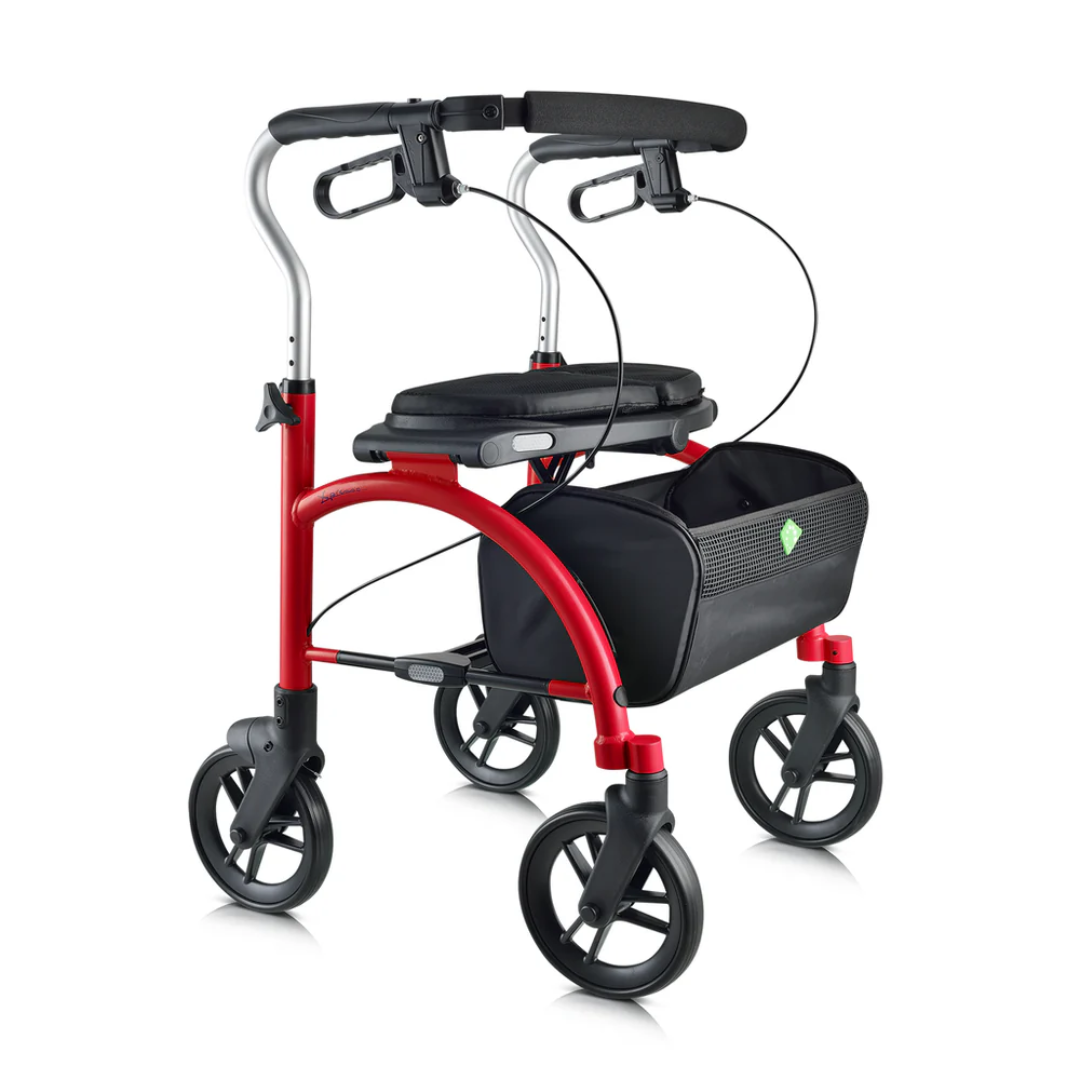
Type 2 Rollator2
See all 2 Type 2 Rollator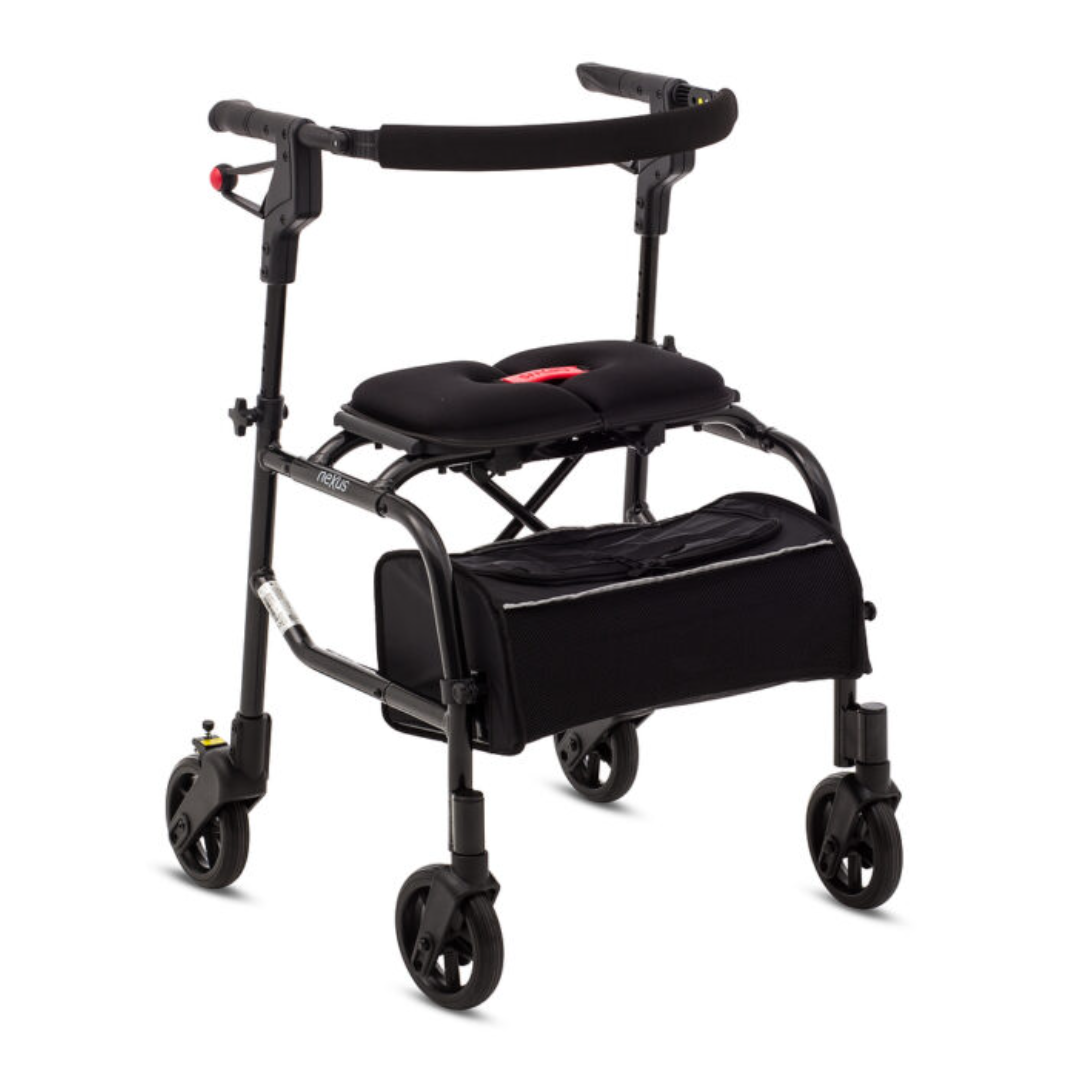
Heavy Duty Rollators2
See all 2 Heavy Duty Rollators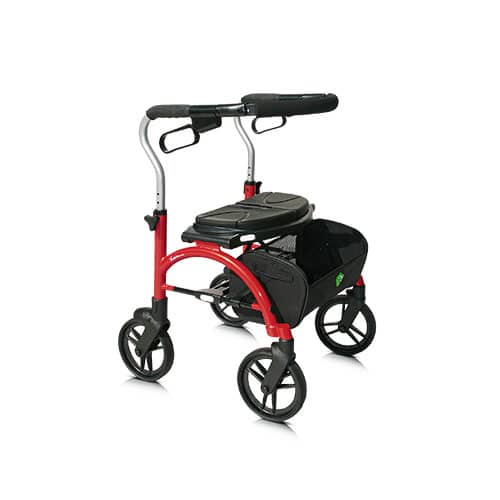
Transport Chair Rollators2
See all 2 Transport Chair Rollators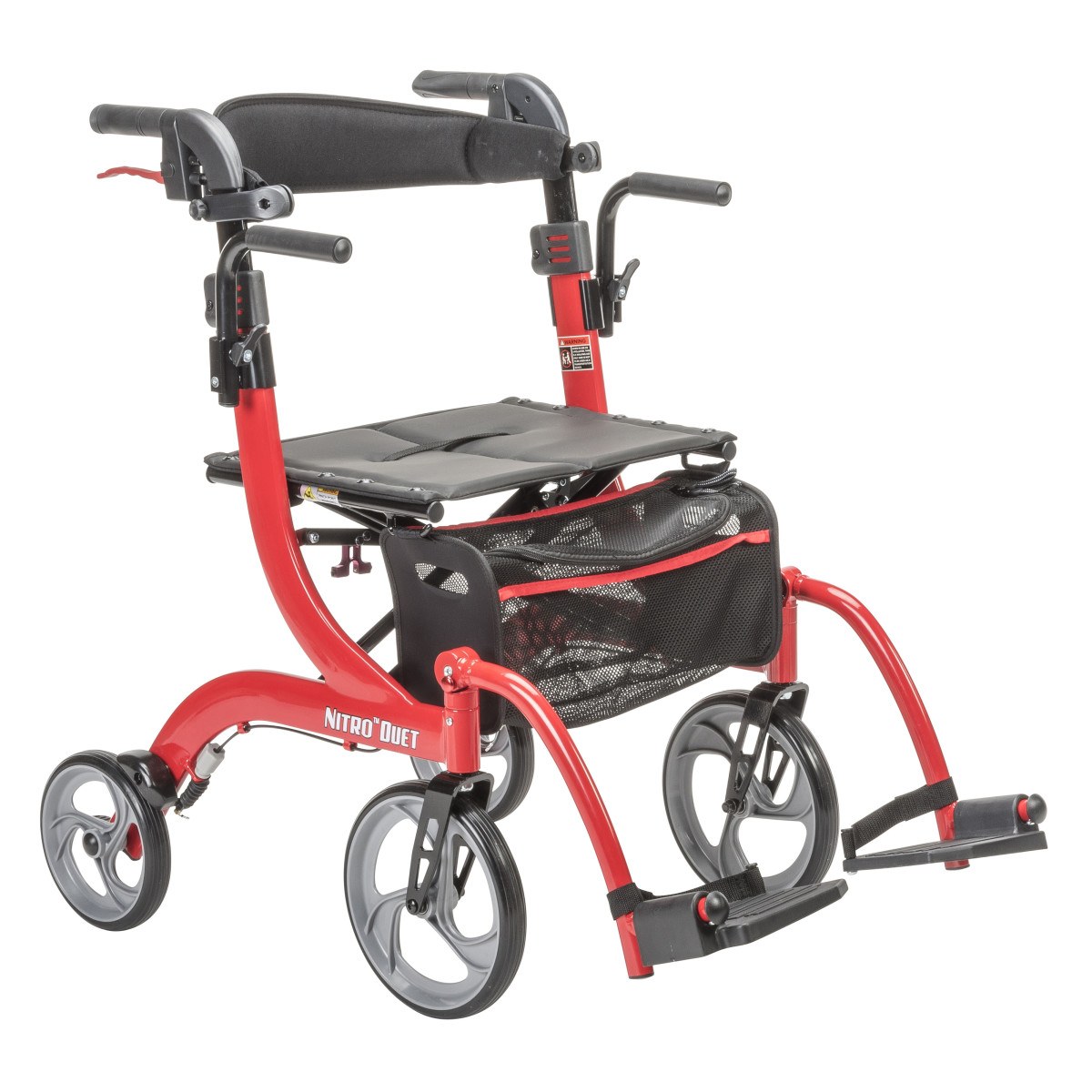
2 Wheel Walkers14
See all 14 2 Wheel Walkers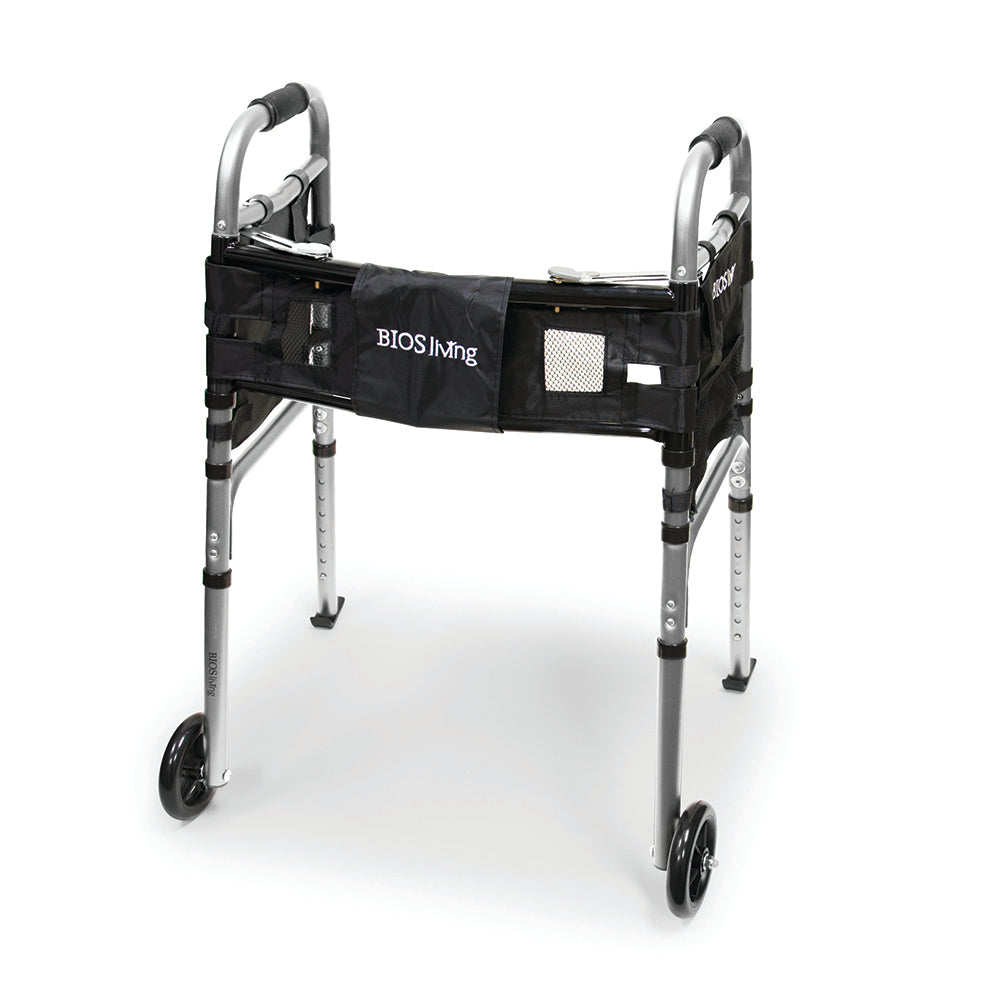
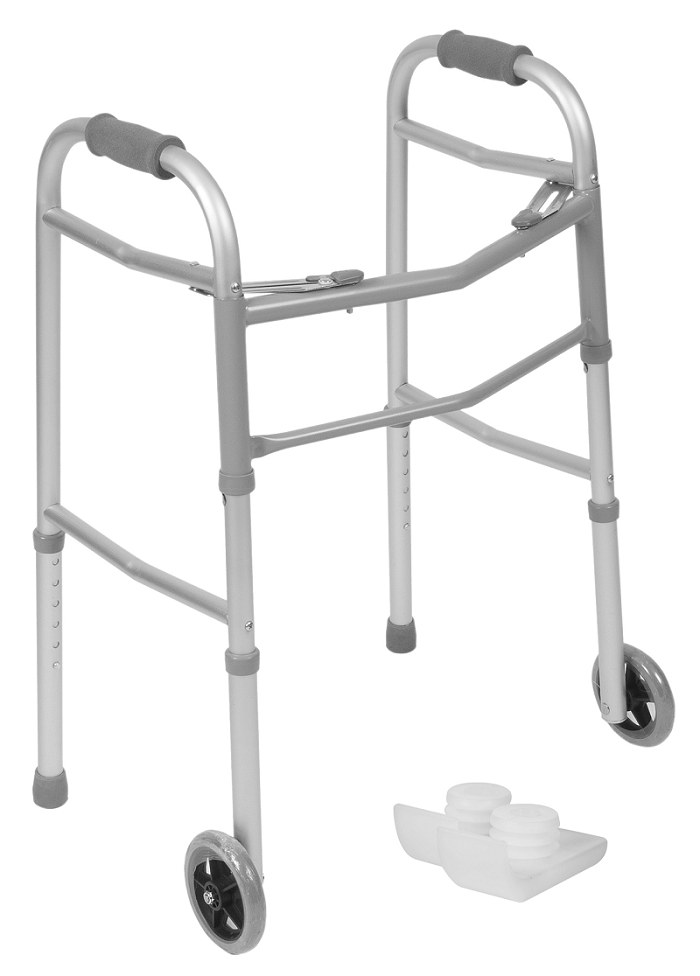
Type 1 Walkers17
See all 17 Type 1 Walkers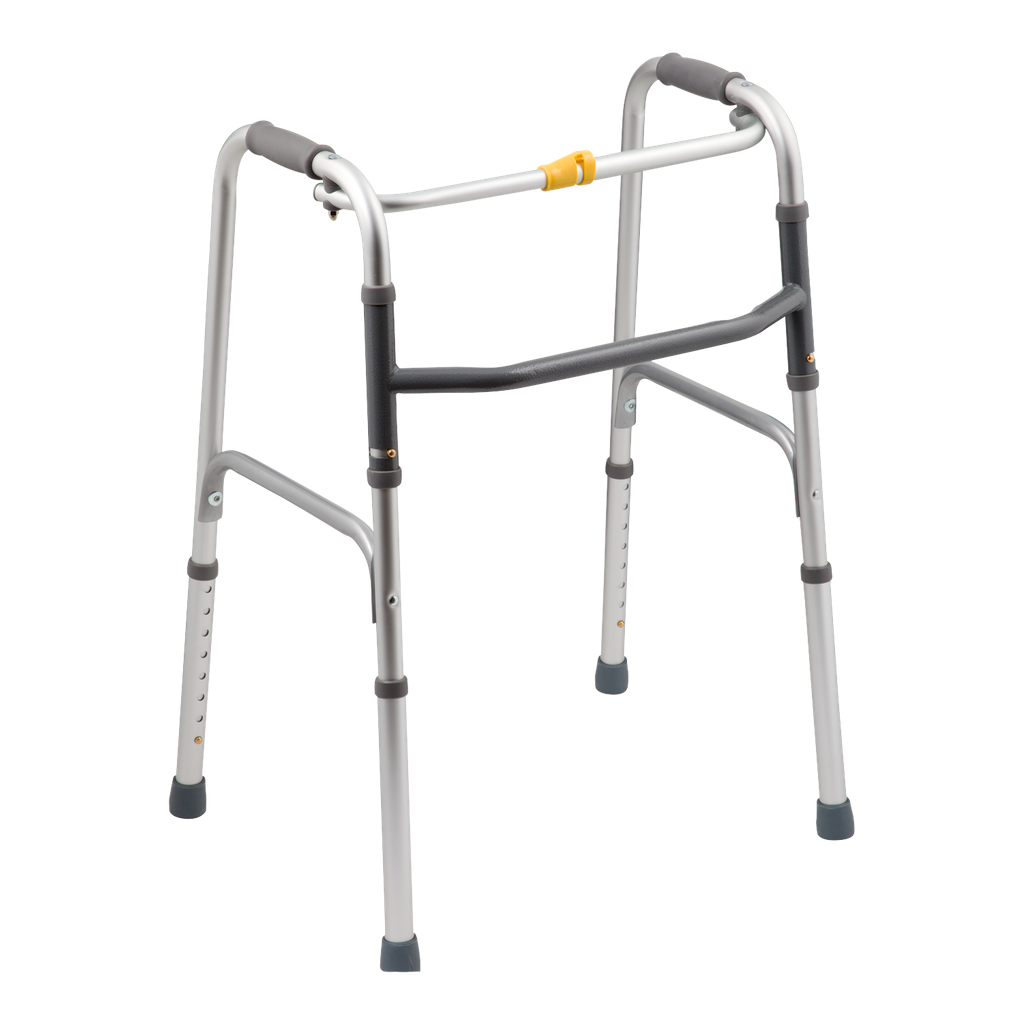
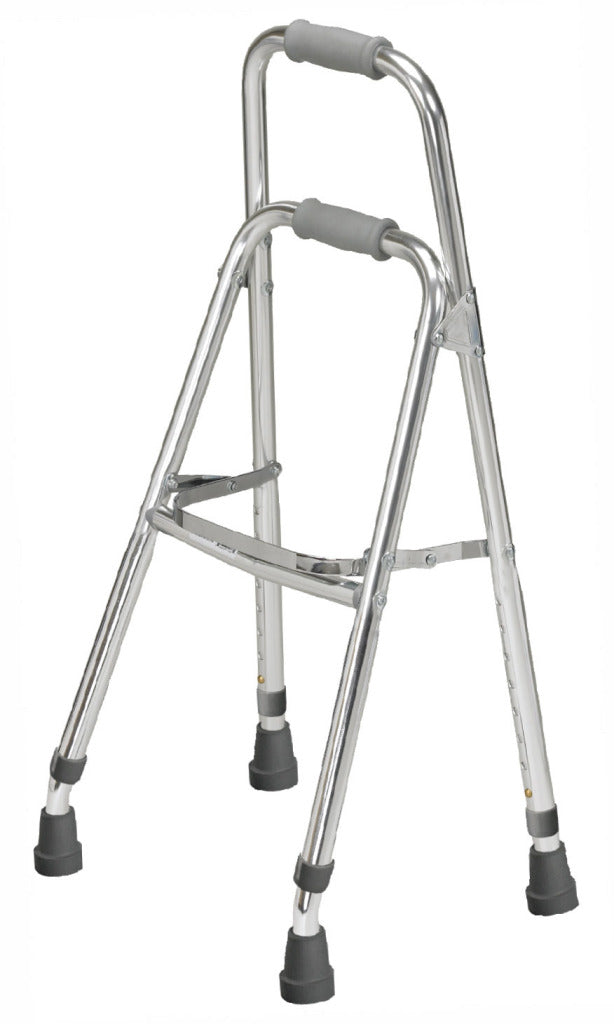
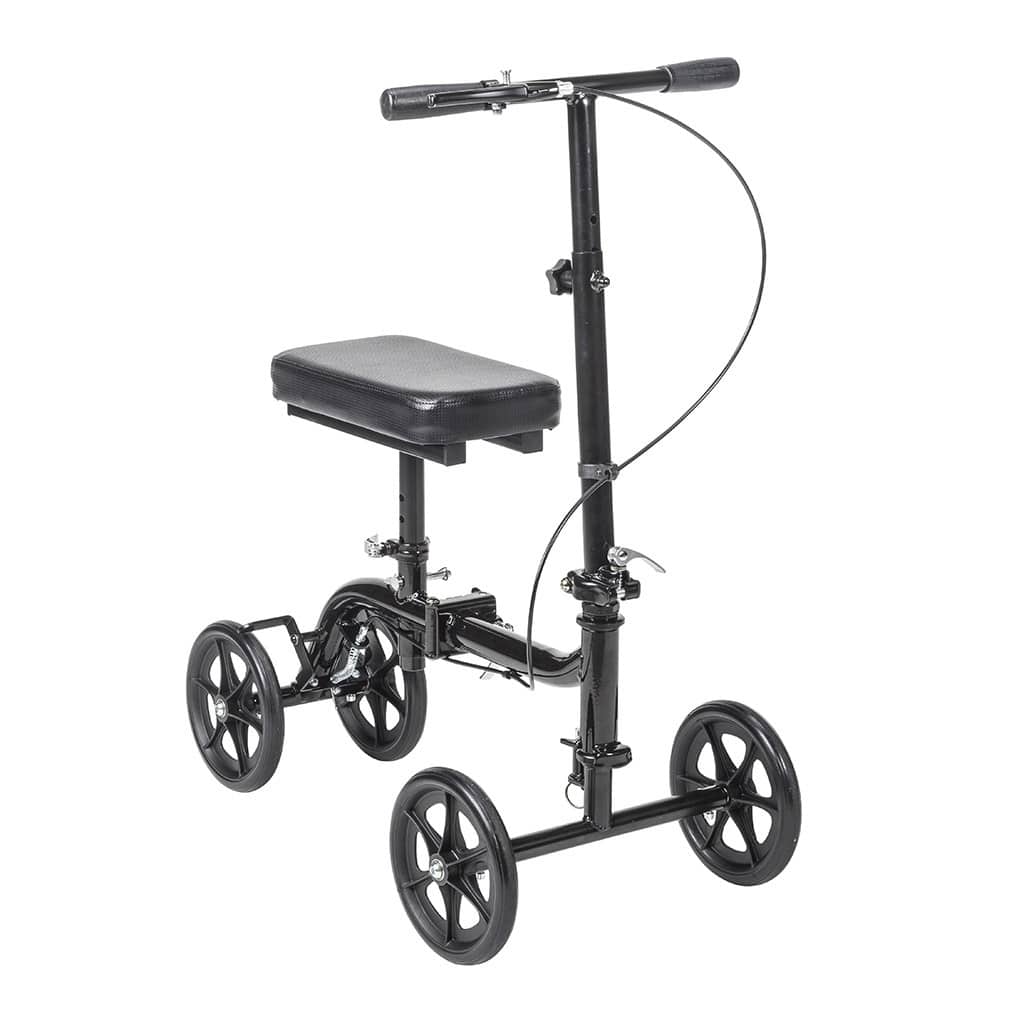
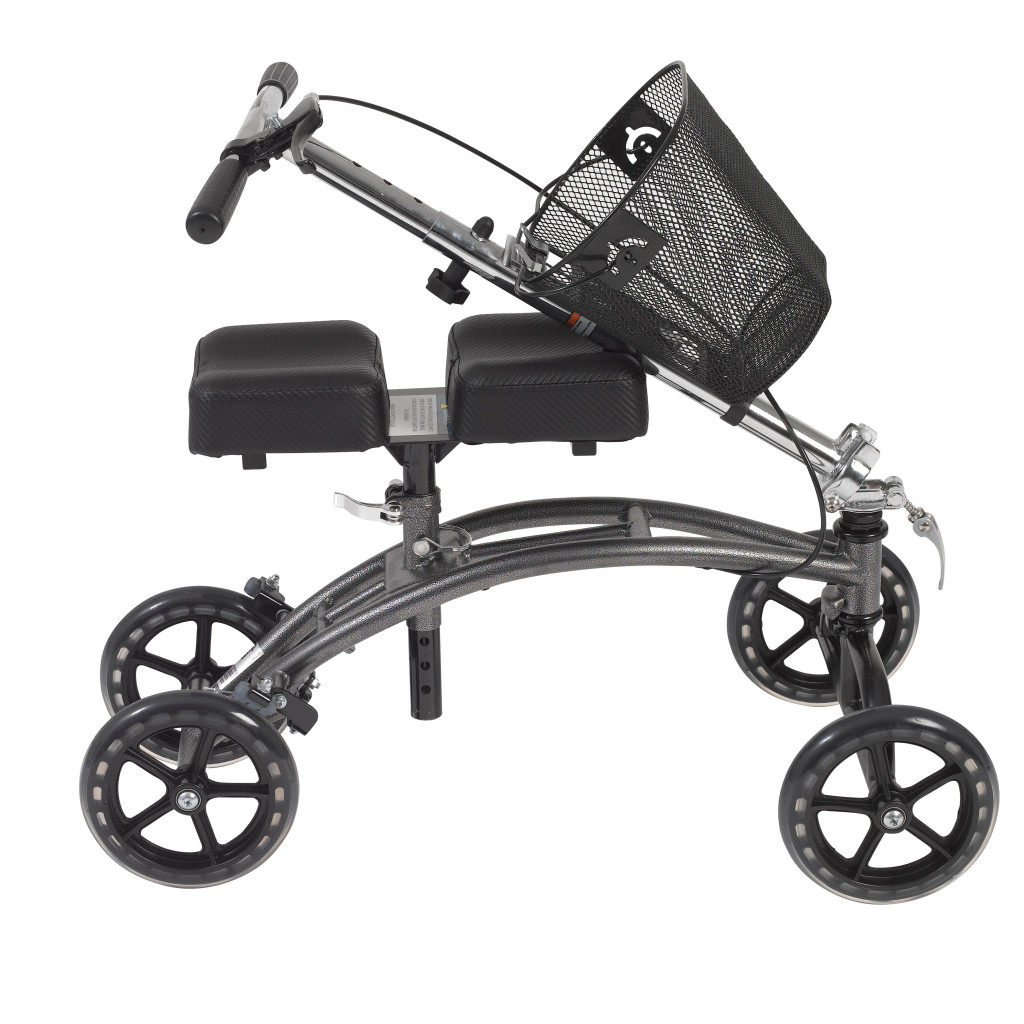
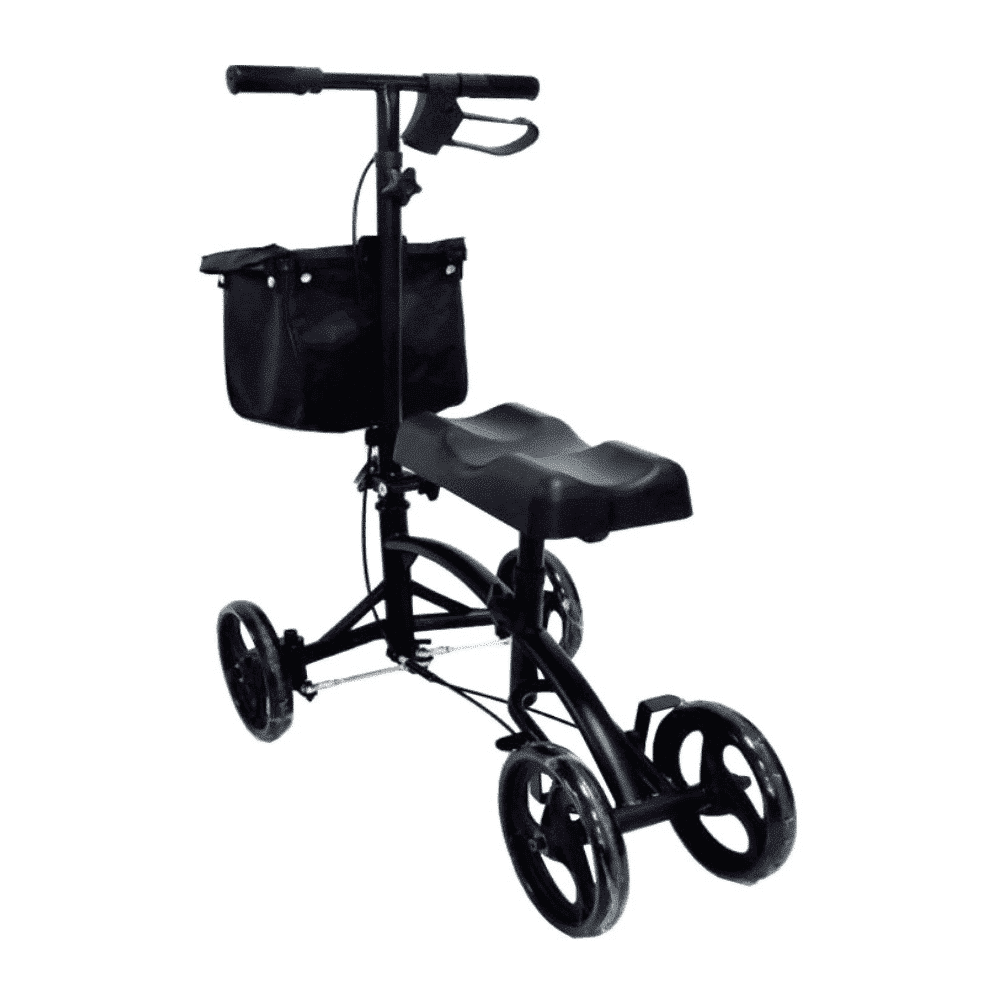
Knee Walkers4
See all 4 Knee Walkers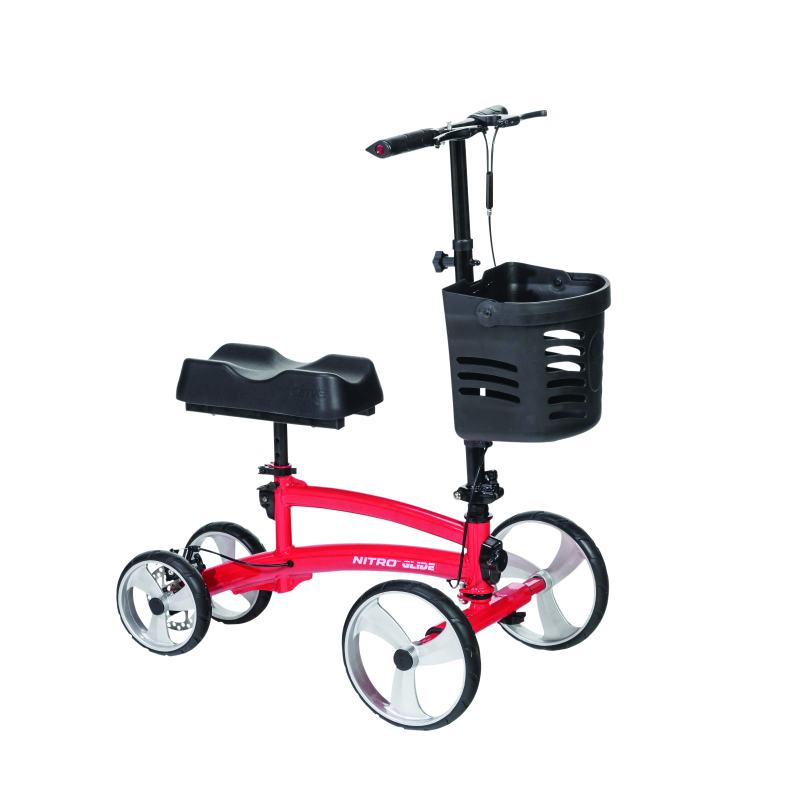
Accessories, parts and batteries
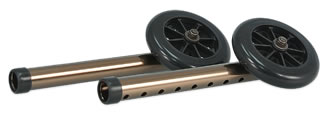
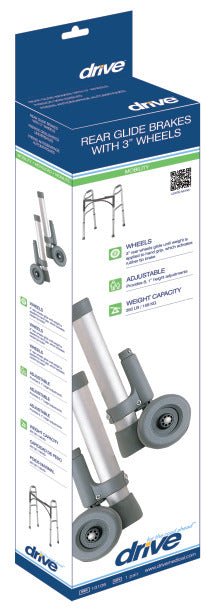
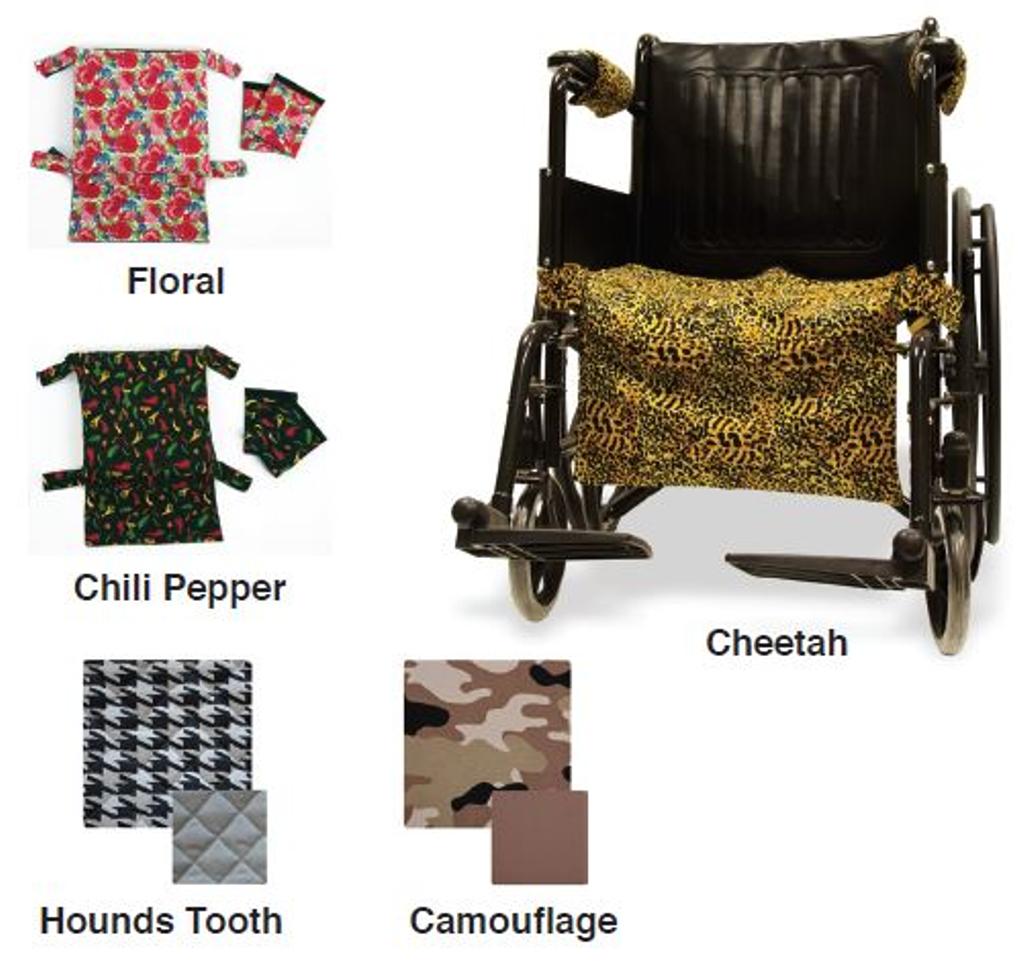
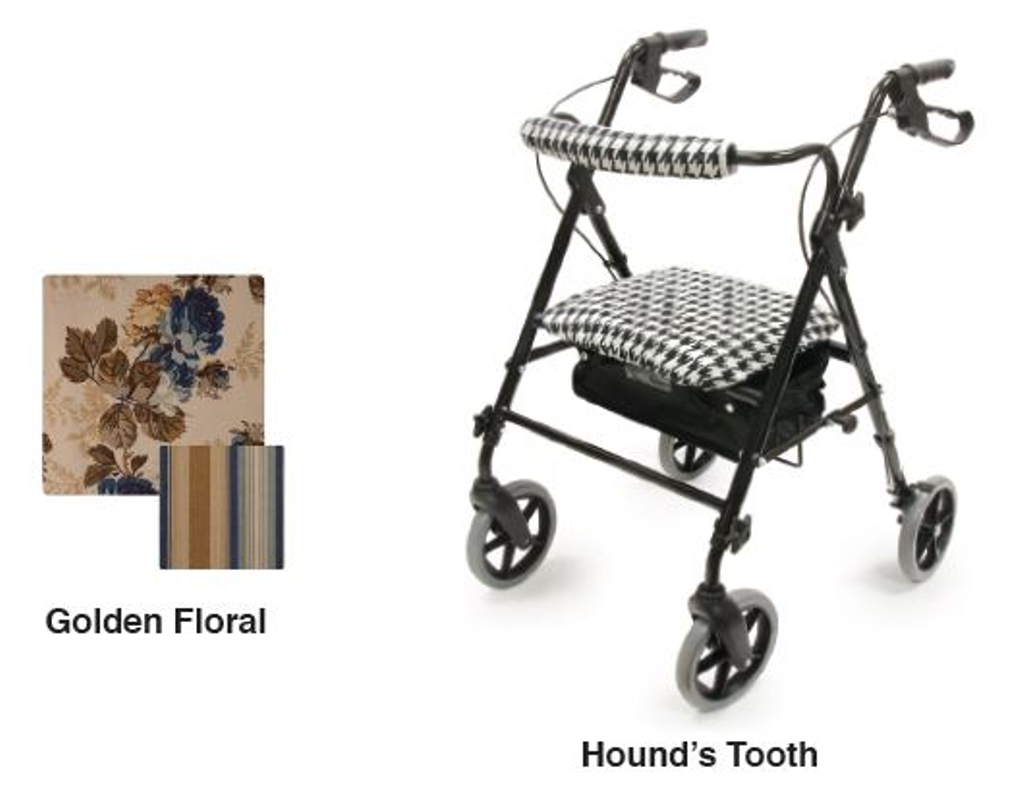
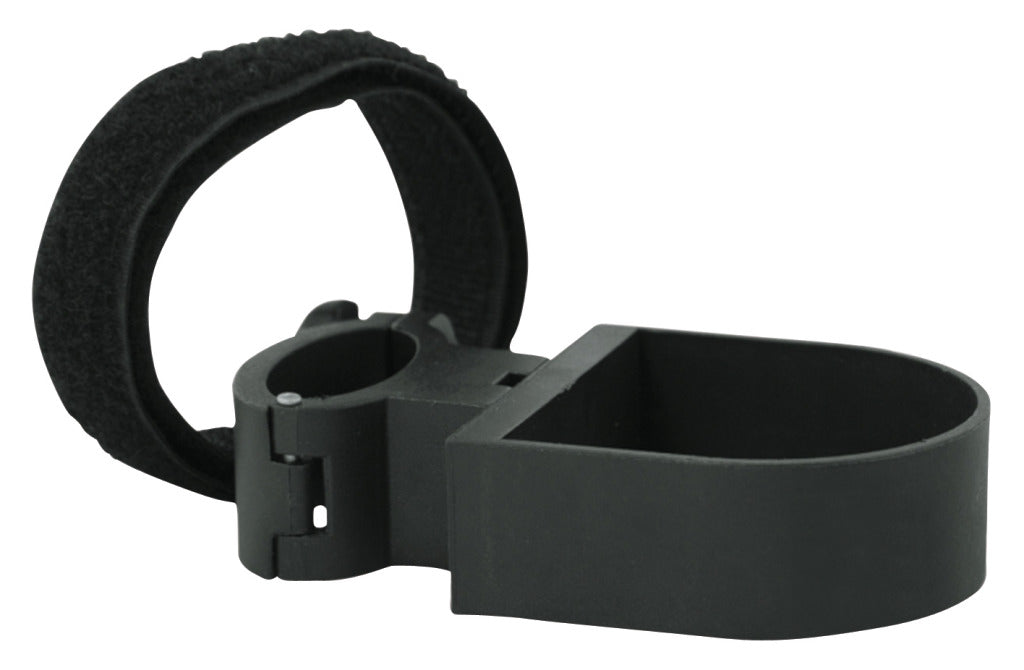
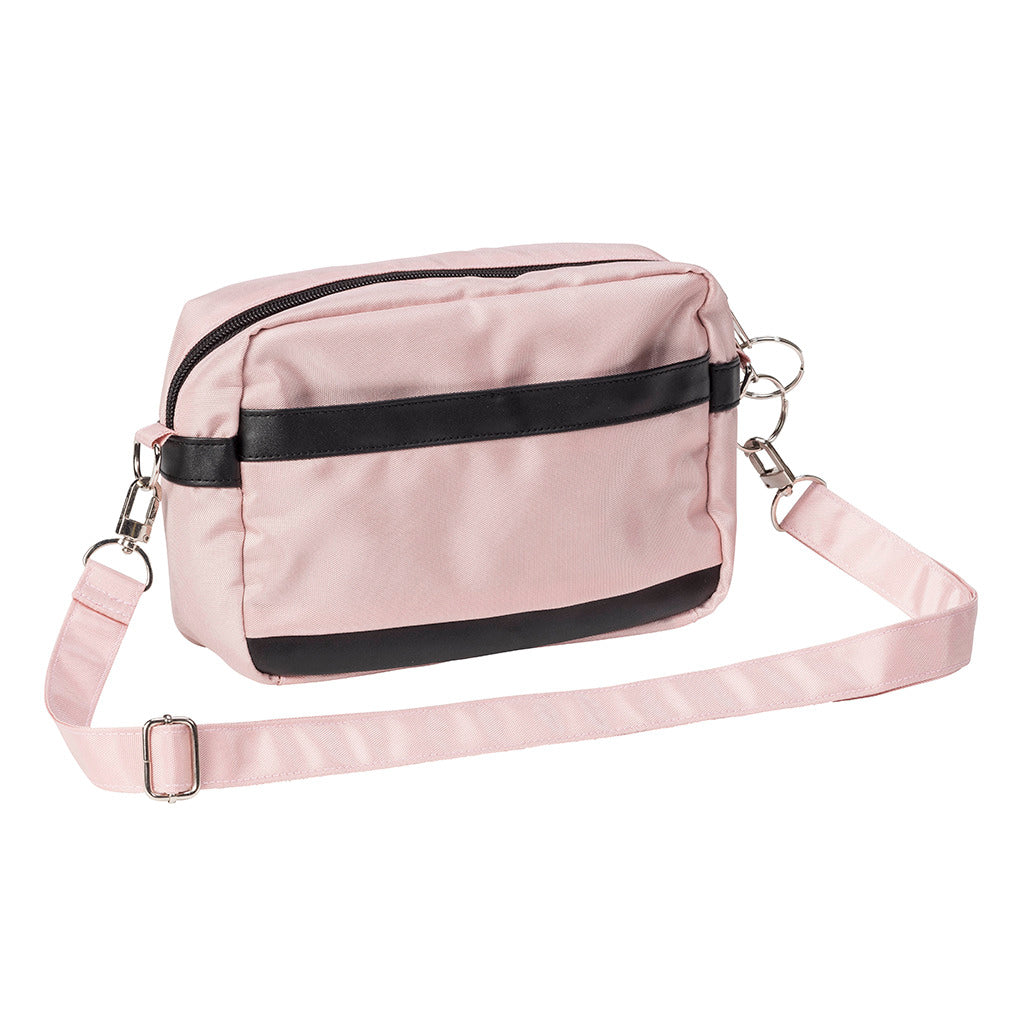
Walker Accessories11
See all 11 Walker Accessories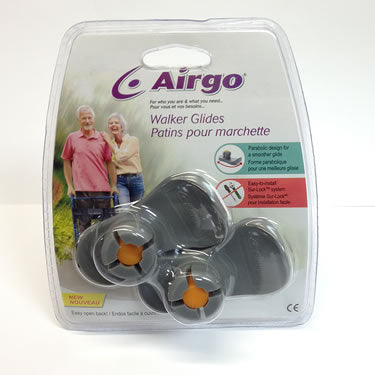
Rollators are not an ADP item. Here is what does apply.
Ontario's Assistive Devices Program funds eligible wheeled walkers, manual and power wheelchairs, approved scooters and wheelchair seating. For a walker, the federal Home Accessibility Tax Credit when CRA eligibility rules fit, March of Dimes HVMP, ODSP, WSIB, Veterans Affairs and IFHP are the routes that more often apply.
We complete those applications when they are realistic, and we will say so plainly when they are not. A fitting still happens either way, and it is free.
You want it this week
Then the only question is which one fits, and we can fit and adjust it the same day in the showroom. Rollators are the one category where buying privately is usually straightforward.
Book a fitting →You want a program to help
ADP funds eligible wheeled walkers. ODSP, March of Dimes HVMP, WSIB, Veterans Affairs, IFHP and the federal Home Accessibility Tax Credit when CRA eligibility rules fit may apply. Tell us early and we will start the paperwork while you decide on a frame.
See how funding works →Neither of those is realistic
Say so plainly and we will tell you what we have that is refurbished, whether a repair to your existing frame solves it, and which other programs might apply. We would rather help than lose you.
Talk to us honestly →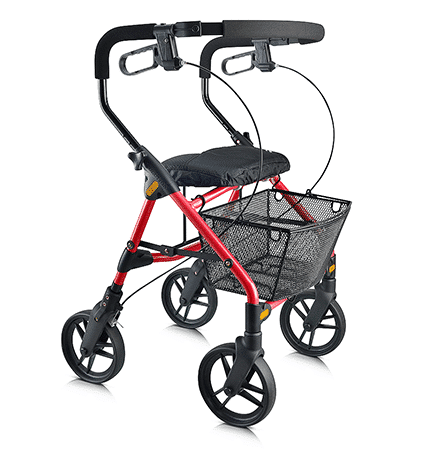
The four mistakes we see most, and all of them are avoidable.
None of these are the customer's fault. They are what happens when a rollator is bought from a photograph and a price, without anyone measuring the person or asking where they walk.
A fitting takes ten minutes and prevents all four.
Nearly every rollator arrives set too low. It is a two minute adjustment and it is the single most useful thing we do at a fitting.
Indoor castors get stuck on pavement joints and kerb lips, which creates exactly the tripping hazard the rollator was meant to prevent.
Rollator seats are not rated to be pushed while occupied and tip backwards easily. If you need both, ask for a rollator transport chair by name.
Standard frames have limits, and bariatric rollators exist for a reason. A frame used over its rating is a frame that fails without warning.
Do not replace it. Bring it in.
A rollator that feels wrong is usually a rollator that needs a five-minute adjustment or a part that costs very little. Brake cables stretch, castors seize with hair and grit, grips harden and go slick in the wet. All of it is replaceable, and all of it is cheaper than a new rollator.
Brake cables
They stretch. If the brakes need pulling further than they used to, they need adjusting, and that is five minutes rather than a new rollator.
Wheels and castors
Front castors pick up hair and grit and stop swivelling freely. Replacement wheels are inexpensive and transform how it rolls.
Hand grips
Grips harden and go slick with age, which matters most in the wet. Cushioned replacements also help arthritic hands considerably.
Seats and bags
Seat fabric splits and bags wear through. Both are replaceable parts and both cost far less than people assume.
Rollators and walkers we supply
Current catalogue frames. Height is set at the fitting. Quoted at your assessment.
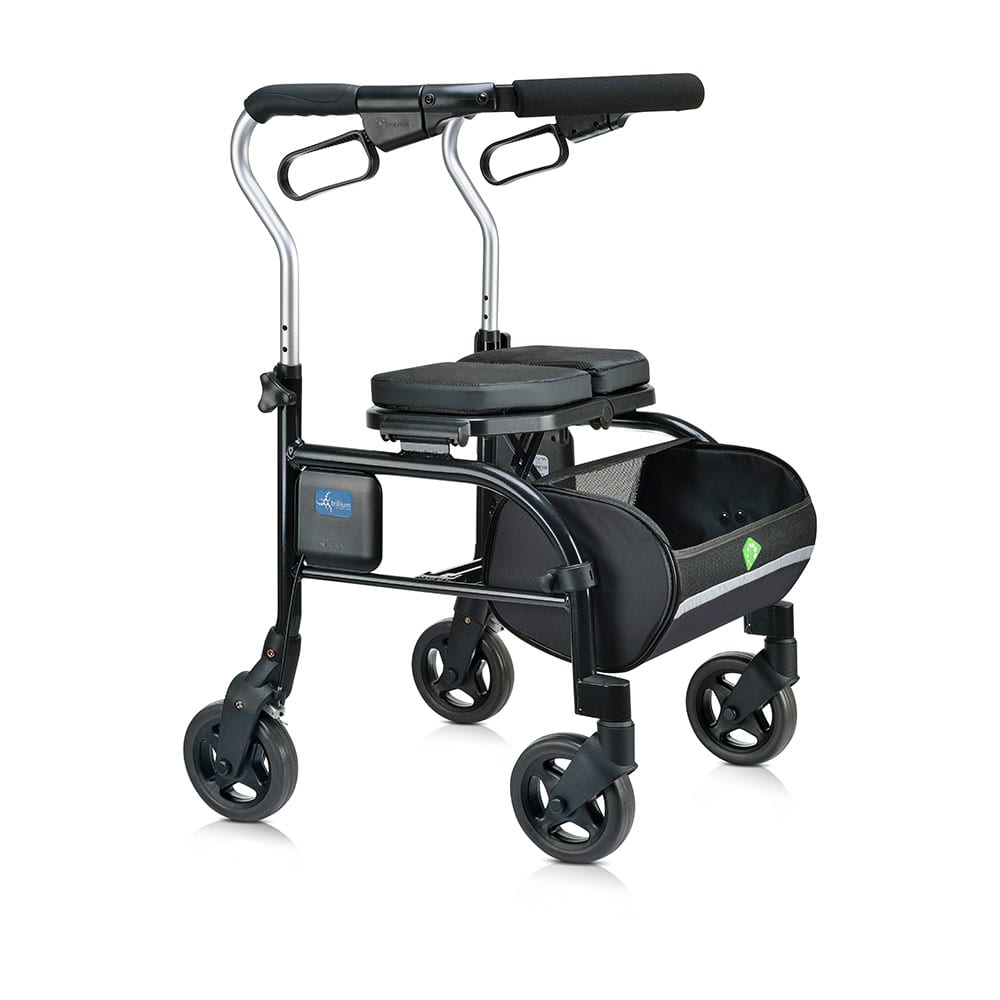
Evolution Trillium Type 3 Rollator
Four wheel Type 3 rollator with a seat, fitted to your wrist height.
Evolution Piper Ultra Light Rollator
Lighter four wheel frame when lifting into a car is part of the day.
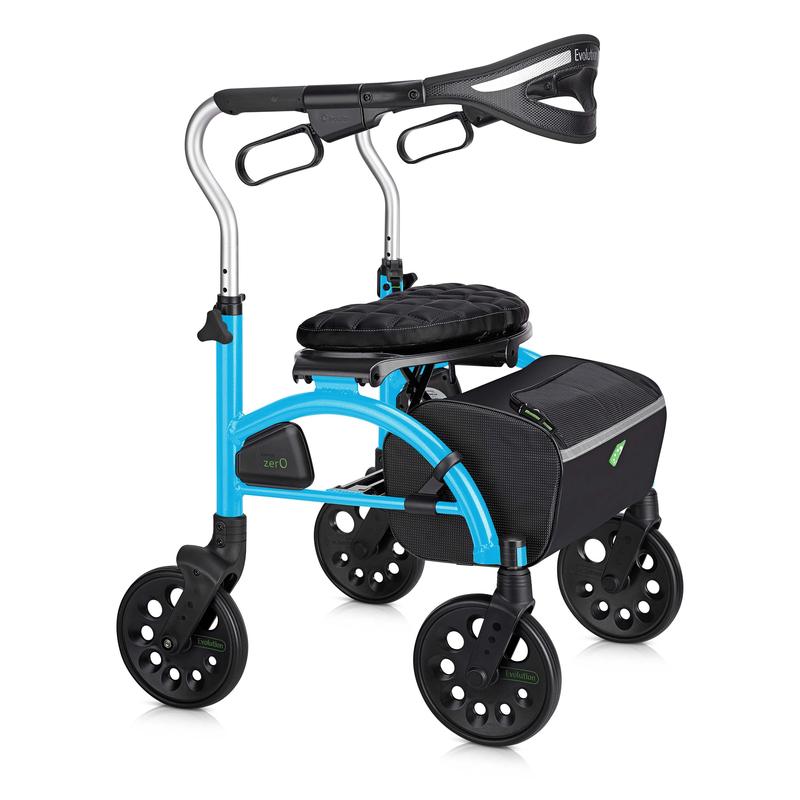
Evolution Xpresso Zero Type 3 Rollator
Type 3 rollator for mixed indoor and outdoor walking.
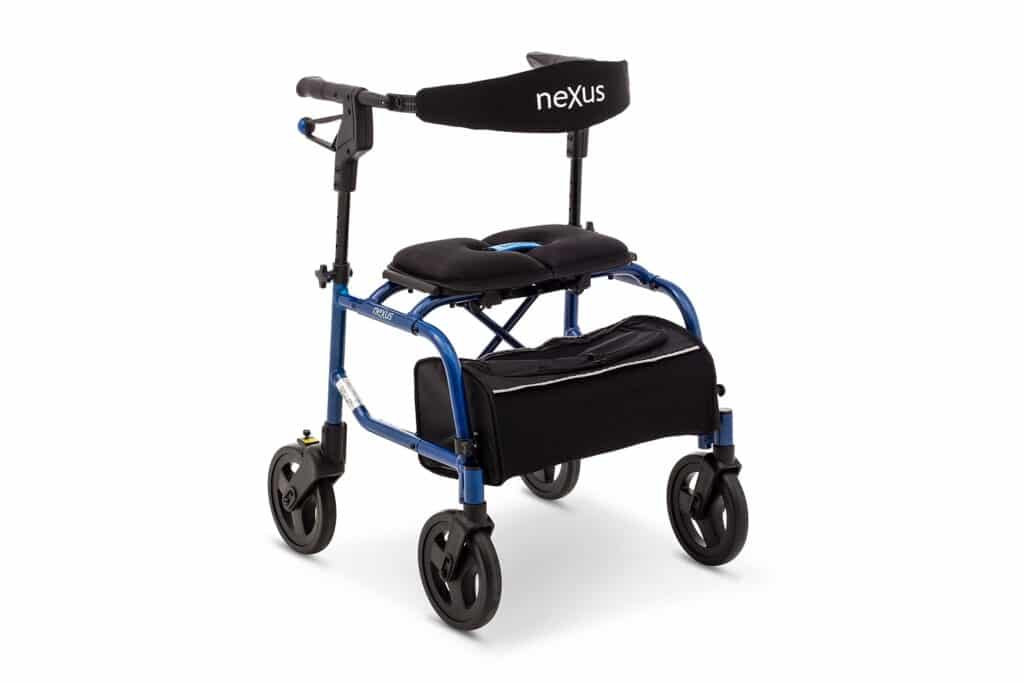
Human Care Nexus 3 Type 3 Rollator
Type 3 rollator. Handle height and brakes set at the fitting.
Drive Nitro 3-Wheel Rollator
Three wheel frame for tight hallways and shop aisles. No seat.
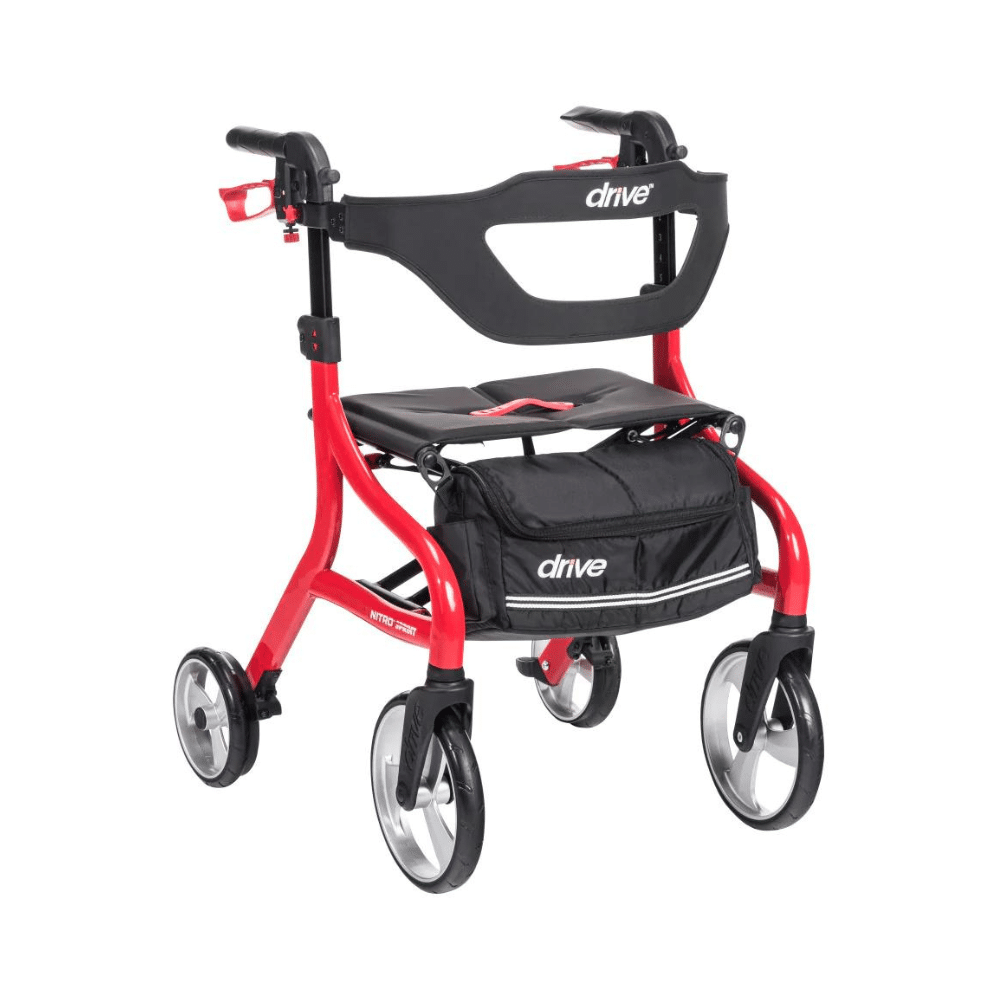
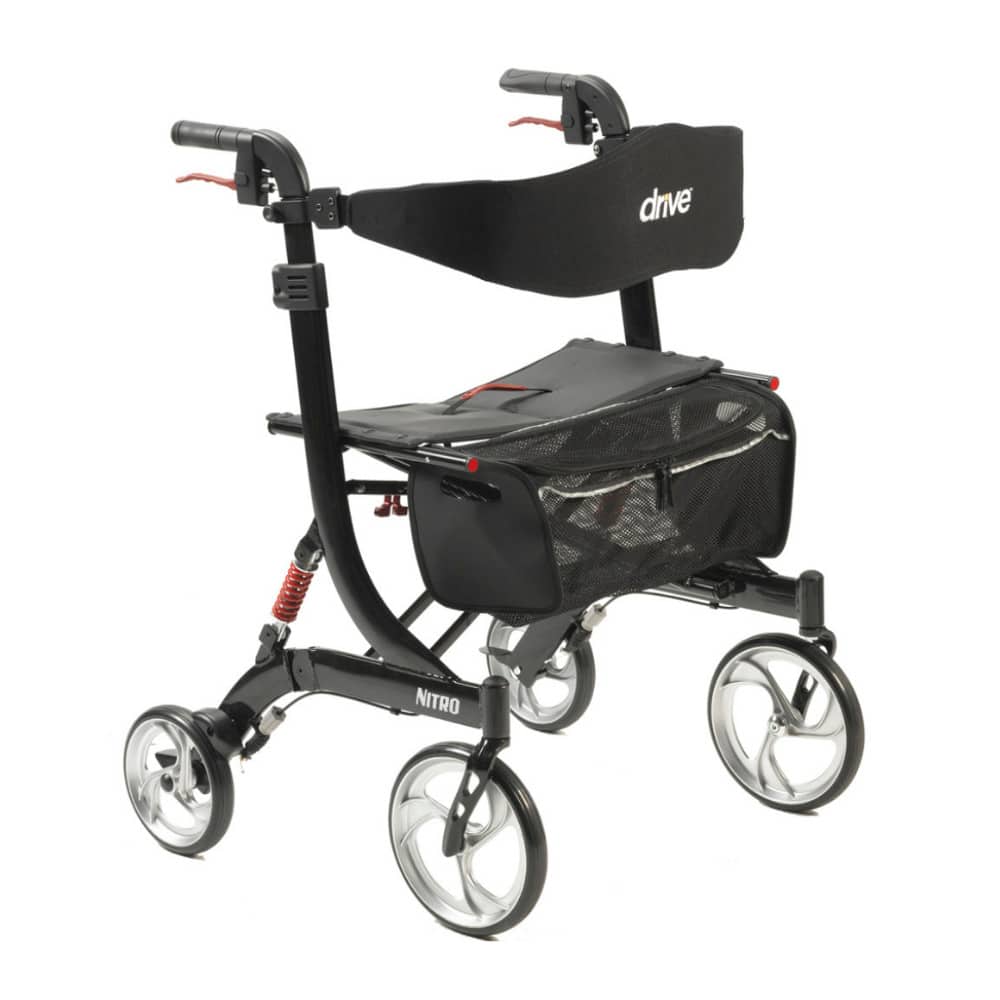
Drive Nitro Sprint Rollator
Four wheel Nitro when you want the seat on a faster everyday frame.
Airgo Fusion Rollator and Transport Chair 2 in 1
Rollator that converts to a transport chair when you need both jobs.
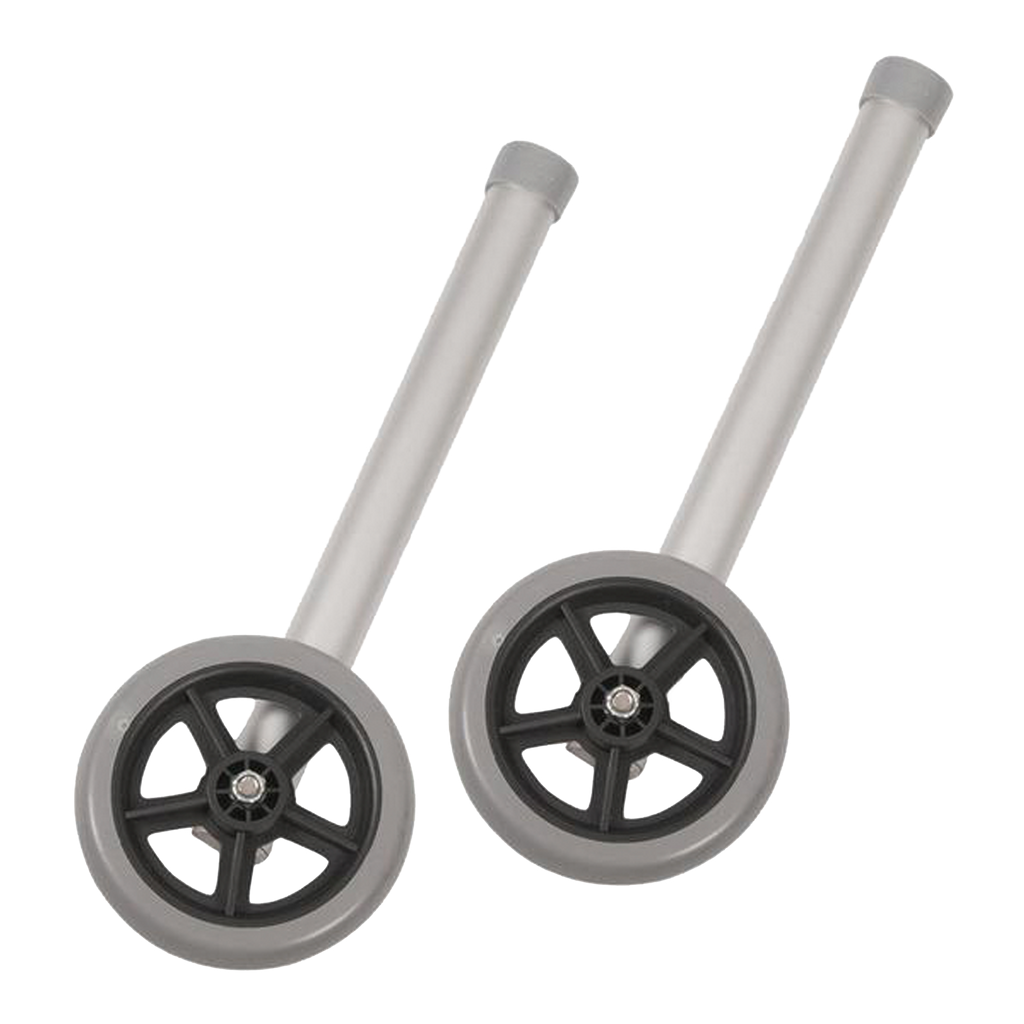
Drive Deluxe Folding Walker, Aluminum, Two Button with 5 inch Wheels
Standard walker with front wheels. More stable if you have had falls.
Questions we get asked about rollators and walkers
If yours is not here, call us on 905 451-7743. A person answers during business hours.
Does ADP cover a rollator or walker in Ontario?
ADP covers eligible wheeled walkers, manual and power wheelchairs, approved scooters and wheelchair seating. A four-wheel rollator with a seat is assessed at the fitting. Grab bars and door openers are outside that list. For a walker, the programs that more often apply are the federal Home Accessibility Tax Credit when CRA eligibility rules fit, March of Dimes HVMP, ODSP, WSIB, Veterans Affairs and IFHP. We will tell you at the fitting which of those is realistic.
What height should my rollator handles be?
Stand upright with your arms hanging loose at your sides. The handles should sit level with the crease of your wrist, so your elbows bend slightly when you hold them. Most rollators arrive set too low, which makes people stoop, strains the back and increases the risk of a fall. We set it free of charge in ten minutes.
What is the difference between a walker and a rollator?
A walker has no wheels, or two front wheels, and is lifted or slid forward with each step. It gives maximum stability but is slower and needs arm strength. A rollator has four wheels, loop hand brakes and usually a seat, so it moves with you continuously. Rollators are faster and less tiring; walkers are more stable, which matters if you have had falls.
Can I sit on a rollator and be pushed?
No. The seat is for resting during a walk, and rollators are not rated to be pushed with someone on them, because they tip backwards easily under a rear load. If you need both functions, ask for a rollator transport chair, which is built with the frame, brakes and footrests to do both safely.
Three wheels or four?
Four wheels give you a seat, a basket and more stability on cambered pavements. Three wheels turn far more tightly and are lighter and narrower, which suits apartments, narrow hallways and busy shops, but there is no seat. If you need to rest partway through a walk, you need four.
What is an upright walker?
An upright walker has forearm platforms at chest height, so you stand tall and lean into the supports rather than stooping over handles. It is much kinder to the lower back and to painful wrists and hands, and it improves your sightlines because you look ahead rather than down. They are larger and heavier to lift into a car.
Can I use an indoor walker outside?
It is not a good idea. Small indoor castors get caught on pavement joints, kerb lips and uneven ground, and a wheel that stops suddenly while you are leaning on the frame is exactly how falls happen. For outdoor use you want eight inch wheels or larger.
Will it fit in my car?
Most rollators fold flat or side to side. Bring your car to the Brampton showroom and we will fold one into the boot before you buy, because whether it fits decides whether it actually gets used or left in the hallway.
Can you repair my existing rollator?
Usually, yes, and it is almost always cheaper than replacing it. Brake cables stretch, castors seize with hair and grit, grips harden and seat fabric splits, and all of those are replaceable parts. Bring it to Unit 7, 15 Fisherman Drive in Brampton and we will look at it rather than sell you a new one by default.
Do you have bariatric rollators?
Yes. Bariatric frames have a wider seat, reinforced construction and a substantially higher weight rating, built as a heavier frame rather than a standard one made broader. Tell us the weight at the fitting and we will specify accordingly. A frame used over its rating fails without warning.
Do you deliver across the GTA?
Yes. Brampton, Mississauga, Toronto, Etobicoke, Vaughan, Markham, Richmond Hill, Oakville, Milton and Caledon, with the height set and the brakes checked on delivery rather than left in a box. Purchases ship across Canada from our Brampton warehouse.
Should I buy online or come in?
Come in if you possibly can, or let us come to you. A rollator bought online arrives at a factory height setting, with whatever wheels the model happens to have, and nobody has watched you walk with it. All three of those are what decide whether it helps or sits unused.
If a rollator is not the answer
Book a free fitting
Ten minutes, in the Brampton showroom or at your home. We set the height, check the brakes, watch you walk with it, and tell you which funding paths may apply. No charge, and no obligation.