
Wheelchair backrests in Brampton and the GTA
The sling is what the wheelchair ships with. A wheelchair backrest is what holds the trunk after that sling has stretched.
Contoured backs from Invacare Matrx and ROHO, fitted in Brampton for people across Toronto and the GTA. Height, angle and laterals set with the person sitting in the chair.

Which wheelchair backrest does this person need?
Trunk control, the current back, and whether skin on the spine or sitting bones is already in trouble. Those three answers pick a category. Getting it wrong in either direction causes problems.
Sling upholstery is a temporary solution that becomes permanent.
Almost every folding wheelchair leaves the factory with a fabric sling back, because it folds. Within a year of daily use that sling has stretched. It now curves backwards in the middle, rolling the pelvis back and letting the trunk fall sideways.
A wheelchair backrest replaces that hammock with a shaped shell. It supports the trunk where it needs support and leaves room where it does not. Height matters: too low and there is nothing holding the trunk, too high and it restricts a self-propeller’s shoulders.
The sling rolls the pelvis back
Once the fabric sags, the sitting bones slide forward and the low back rounds. That is a seating problem, not a habit. Repositioning the person every hour does not fix the shape of the back.
The trunk starts to fall sideways
A curve that begins as a lean can become a fixed scoliosis if nothing holds the trunk. Lateral supports belong on the backrest, not as an afterthought pillow.
Load concentrates on the spine
A hammock presses the spinous processes into fabric. Redness along the spine after sitting is the same warning a red mark over the sitting bones is on a cushion.
Height is a clinical measurement
A back that comes up into the shoulder blades stops a self-propeller from reaching the wheel. A back that stops at the waist does nothing for someone who cannot hold their trunk.
Six things that decide a wheelchair backrest, in order.
The old WordPress page listed comfort, posture, mobility, durability, size and health conditions as a menu. In the chair, they are a sequence. Trunk control first. The chair you already have second. Skin third. Everything else follows.
Trunk control
Can they sit upright without thinking about it, only for a while, or not at all? That single answer decides laterals, height and how deep the contour needs to be.
The chair they already have
Canes, mounting hardware and seat width have to match the frame. We fit backs to chairs we did not sell, every week. Bring the chair or tell us the make and model.
Skin on the back
Redness that is still there twenty minutes after getting up is stage one of a pressure injury. That moves the specification up. Do not wait for a funding letter if the skin is already marked.
Hours in the chair
A few hours a day on a still-flat sling is one problem. Ten hours a day on a hammock is another. Long hours make a stretched sling worse, faster.
Who propels
A self-propeller needs the top of the back below the scapulae. Someone who is pushed, or who uses power, can take a taller back and a head support if the trunk needs it.
The cushion underneath
The backrest and the cushion are one system. A pelvis that slides on the cushion will undo a perfectly fitted back. We specify them as a pair. See the cushions page.
Foam, gel or tension. The back in the chair decides which.
Trunk control first, then skin, then how many hours a day the person sits. Each card opens the live shop collection, so the number is what we have listed today.
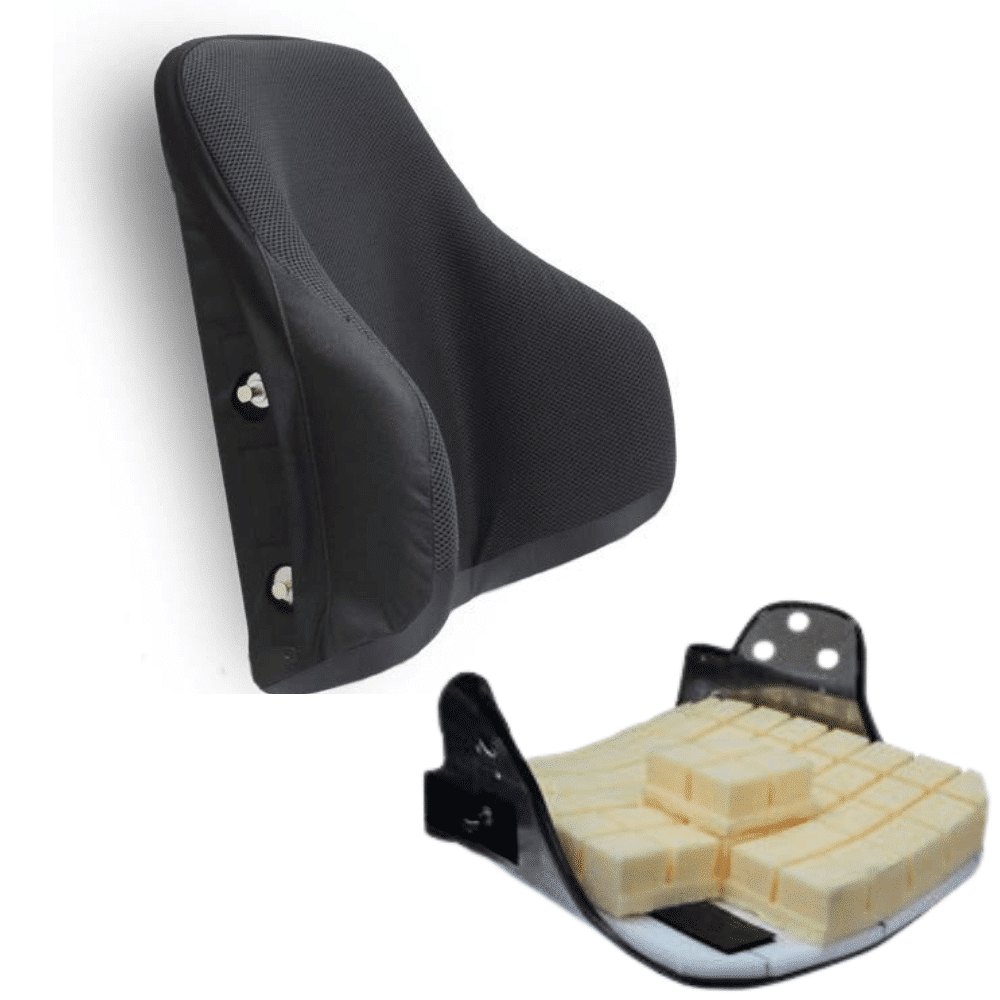
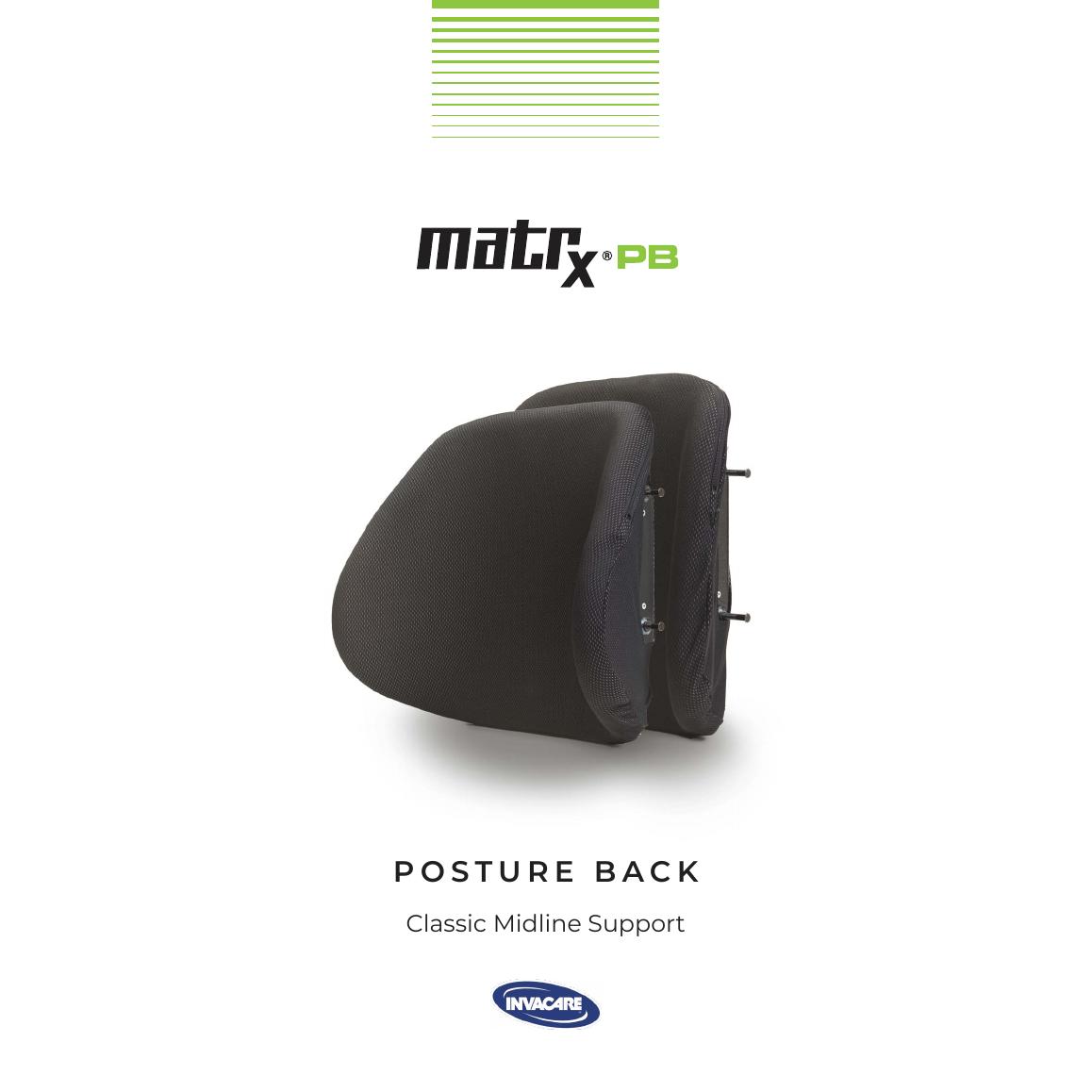
A shaped foam shell that replaces stretched sling upholstery. The usual first step when the trunk still has some control of its own.
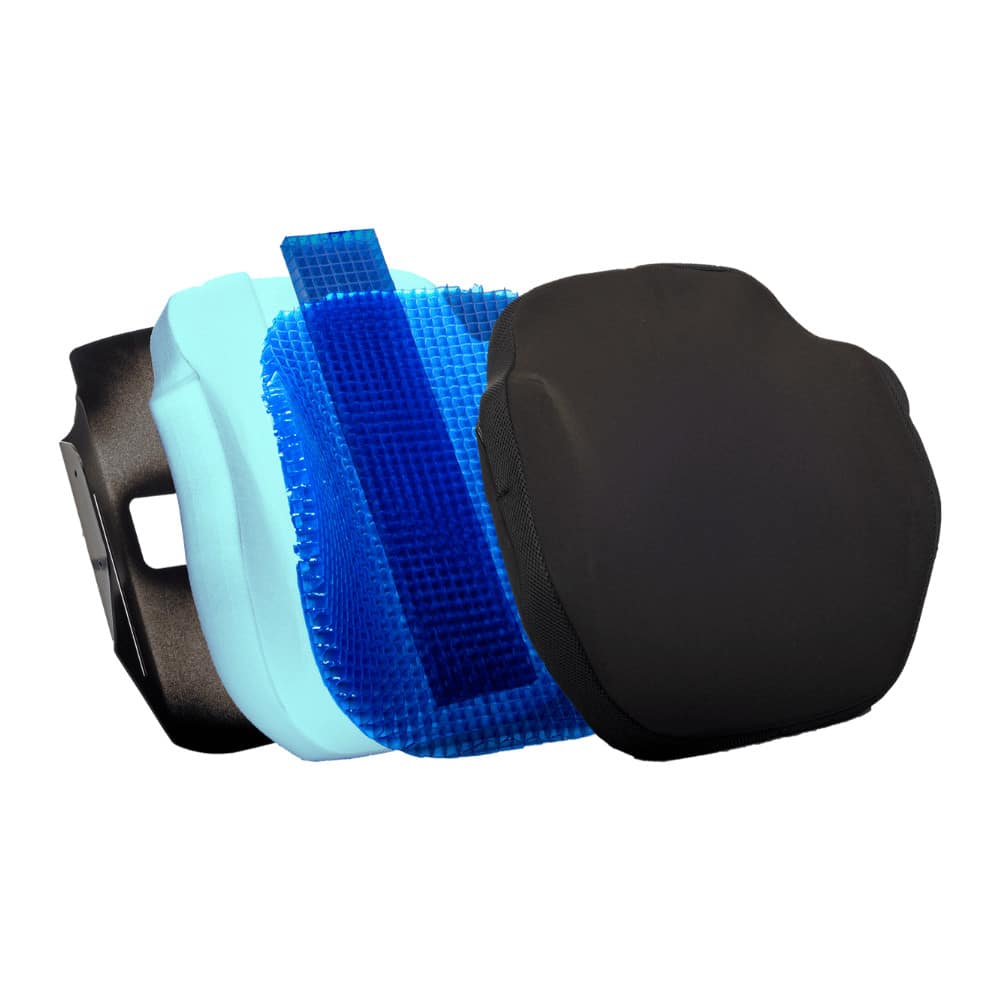
Gel set into the foam behind the shoulder blades and the spine, spreading load for someone who sits for long hours at a time.
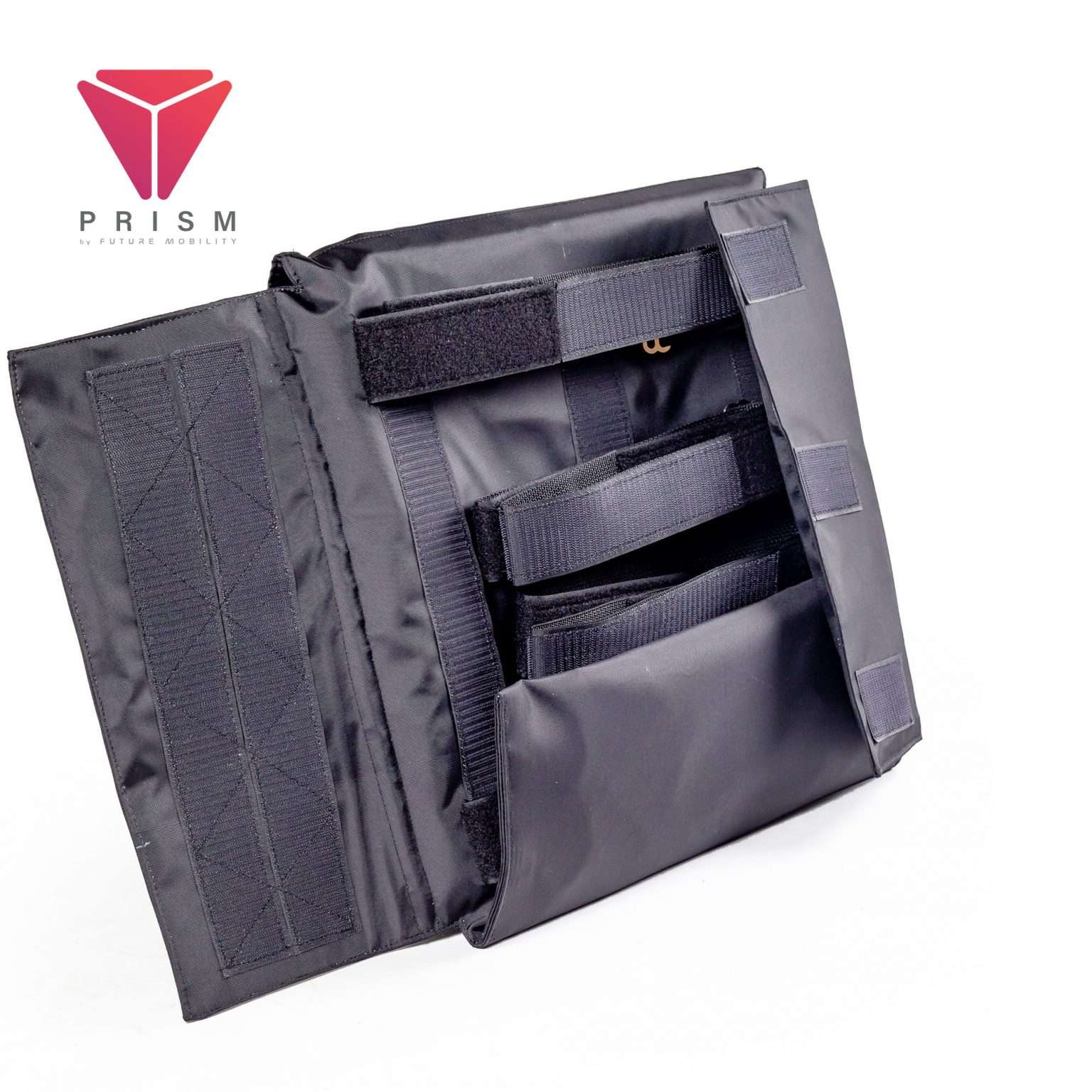
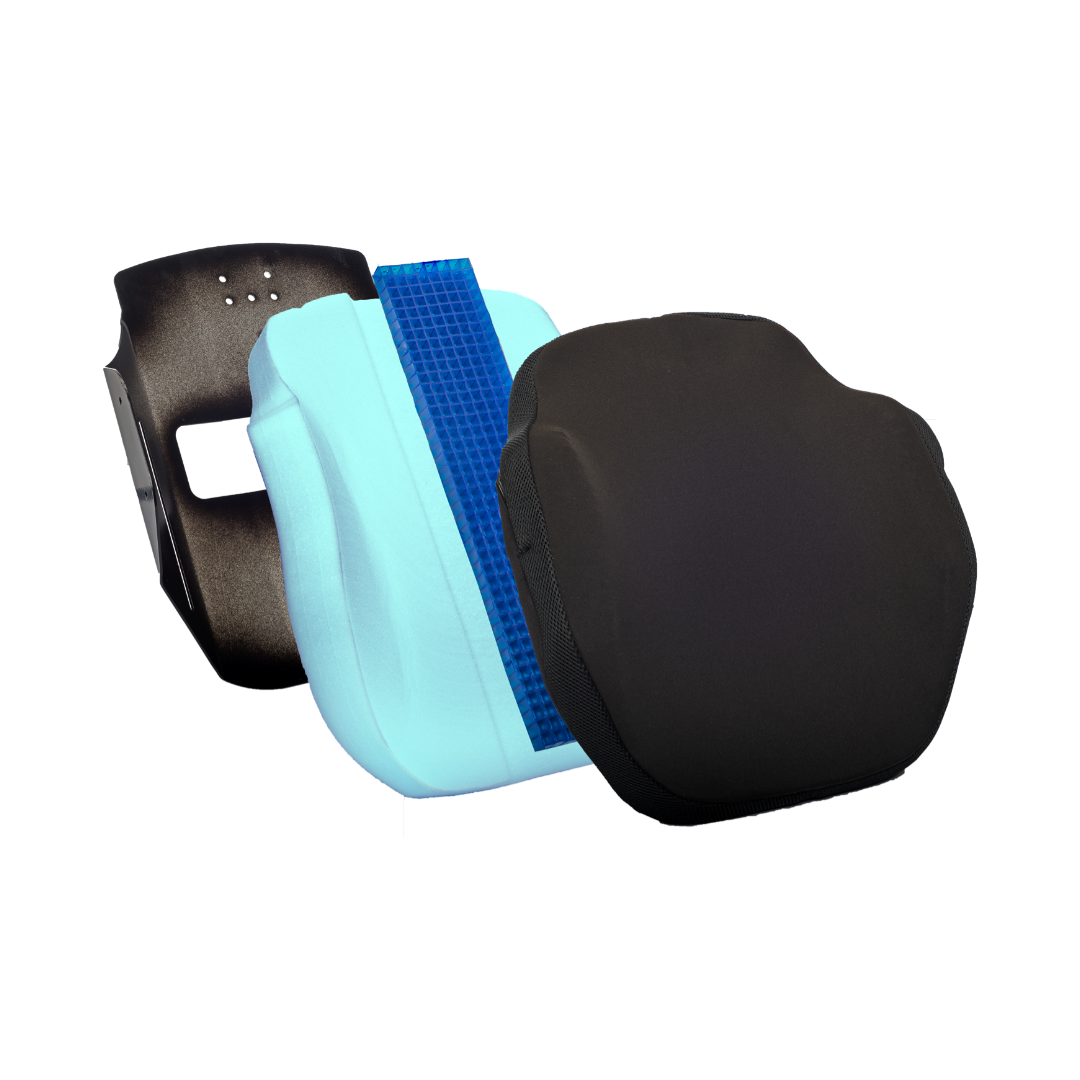
Straps behind the upholstery that tighten one at a time, so the shape is tuned to the back in front of us rather than chosen off a shelf.
Shop wheelchair backrests by type
Everything we have published, grouped the way people ask for it. The counts come straight from the catalogue, so new stock shows up here on its own.
Foam Backrests28
See all 28 Foam Backrests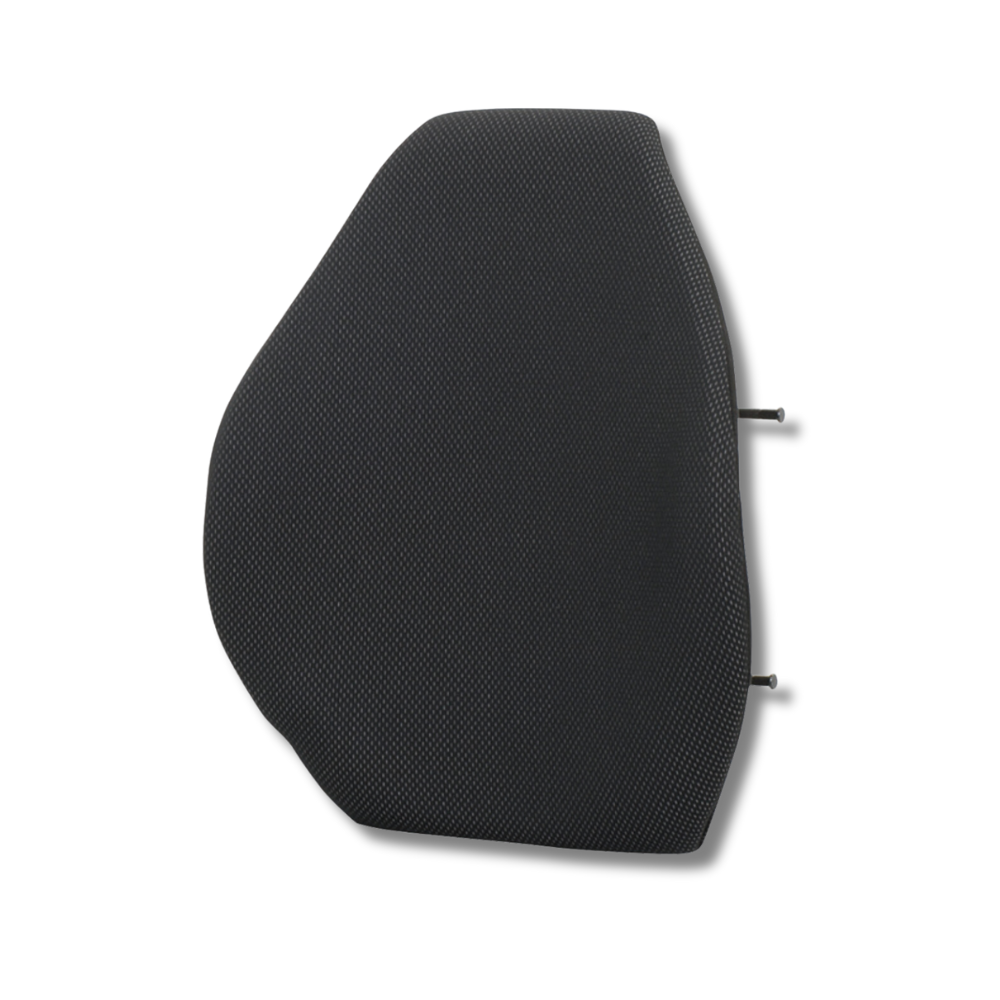
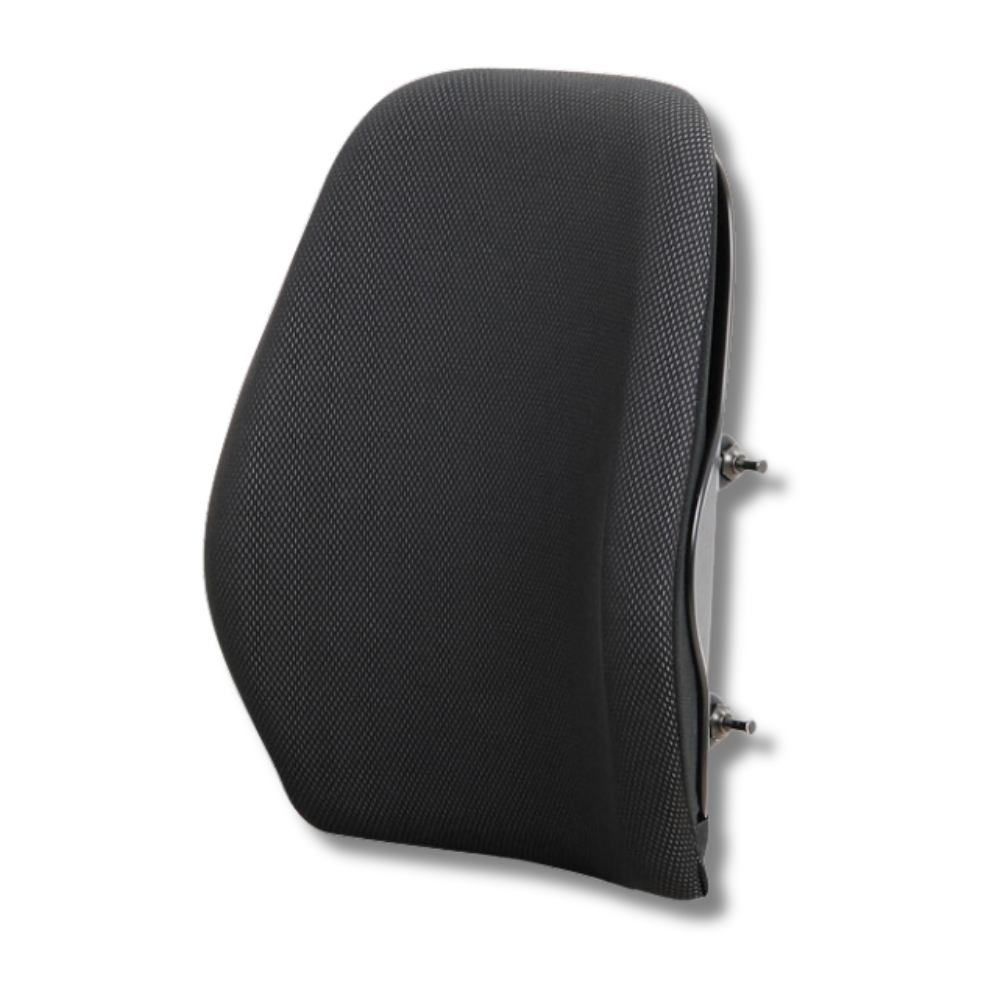
Gel Backrests2
See all 2 Gel Backrests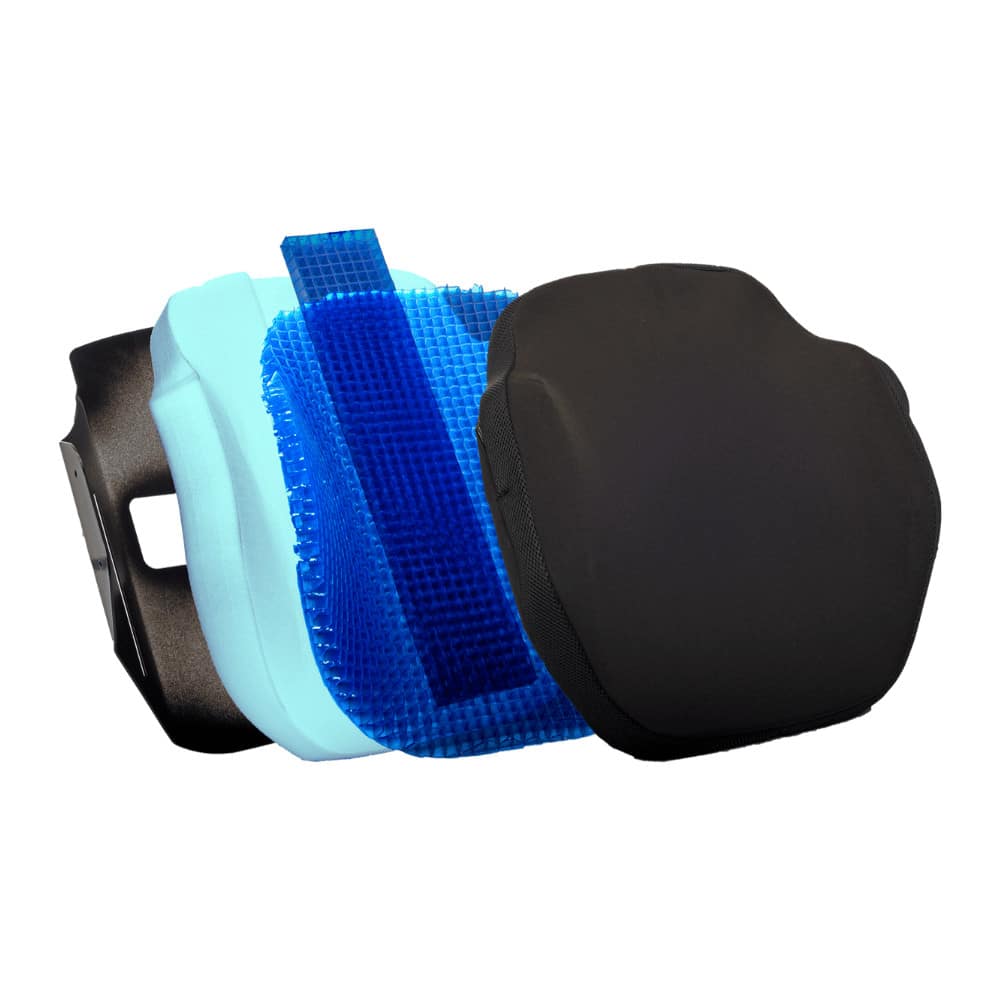
Tension Backrests1
See all 1 Tension Backrests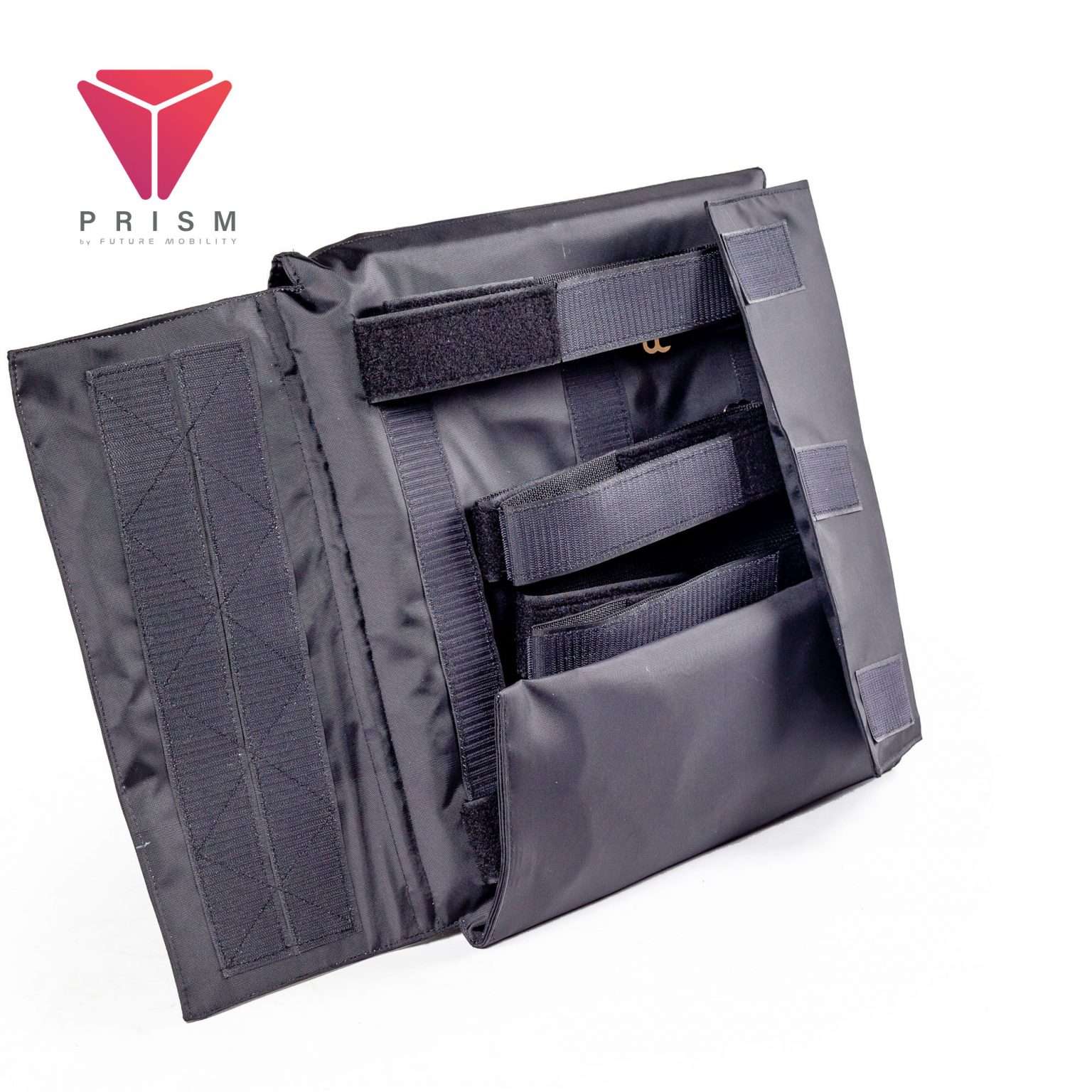
Real products from this catalogue. Not a type list.
Foam, gel, hybrid and air are useful clinical words. They are not a shopping aisle. These three backs are on our floor, with honest photographs, and we fit them to the person rather than to a brochure.
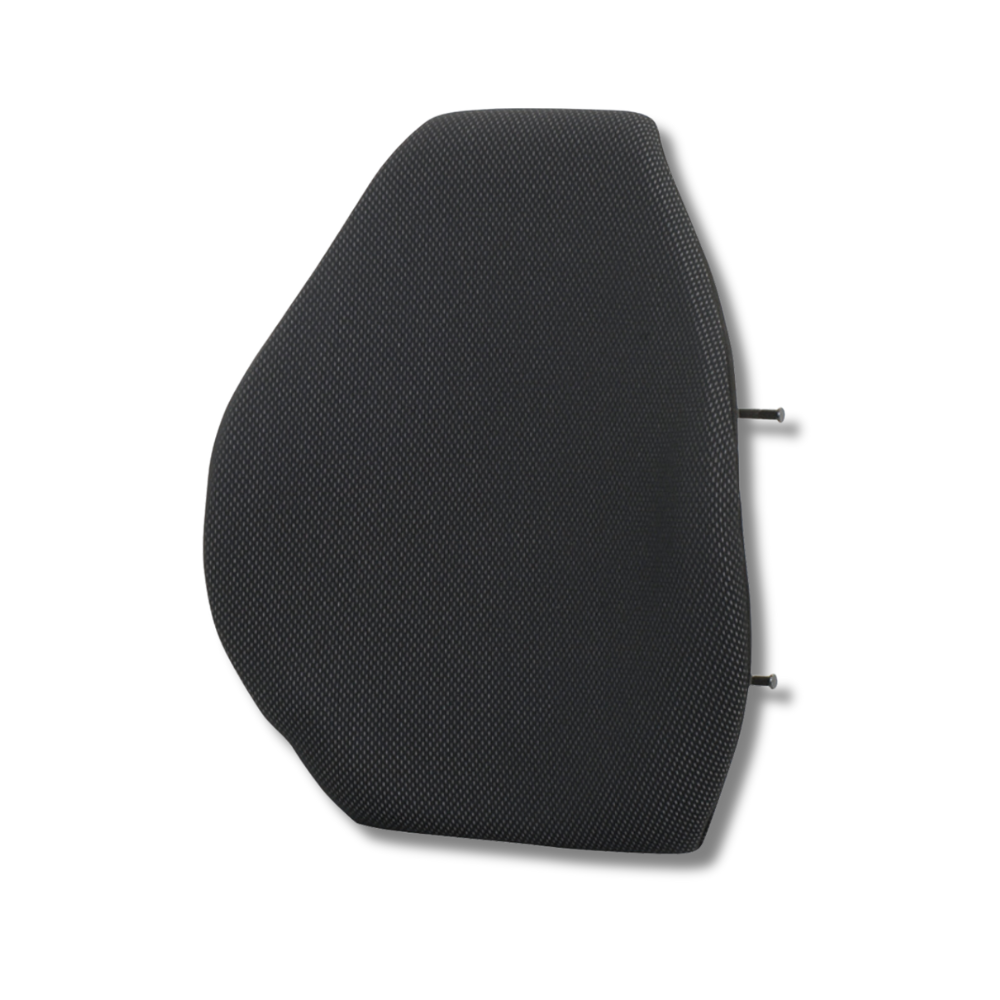
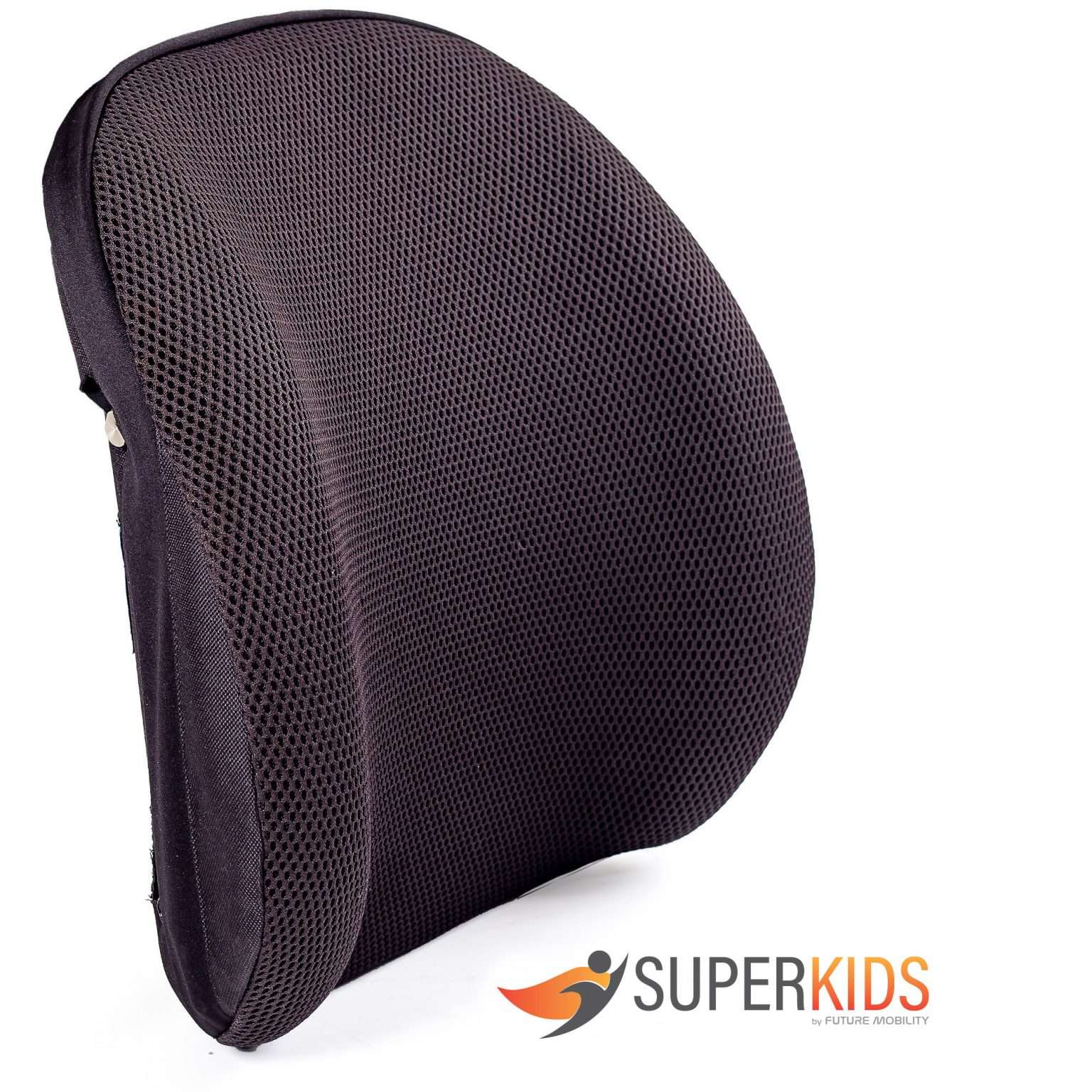
A shaped foam shell that replaces sling upholstery. The usual first step when the factory sling has stretched and the trunk still has some control.
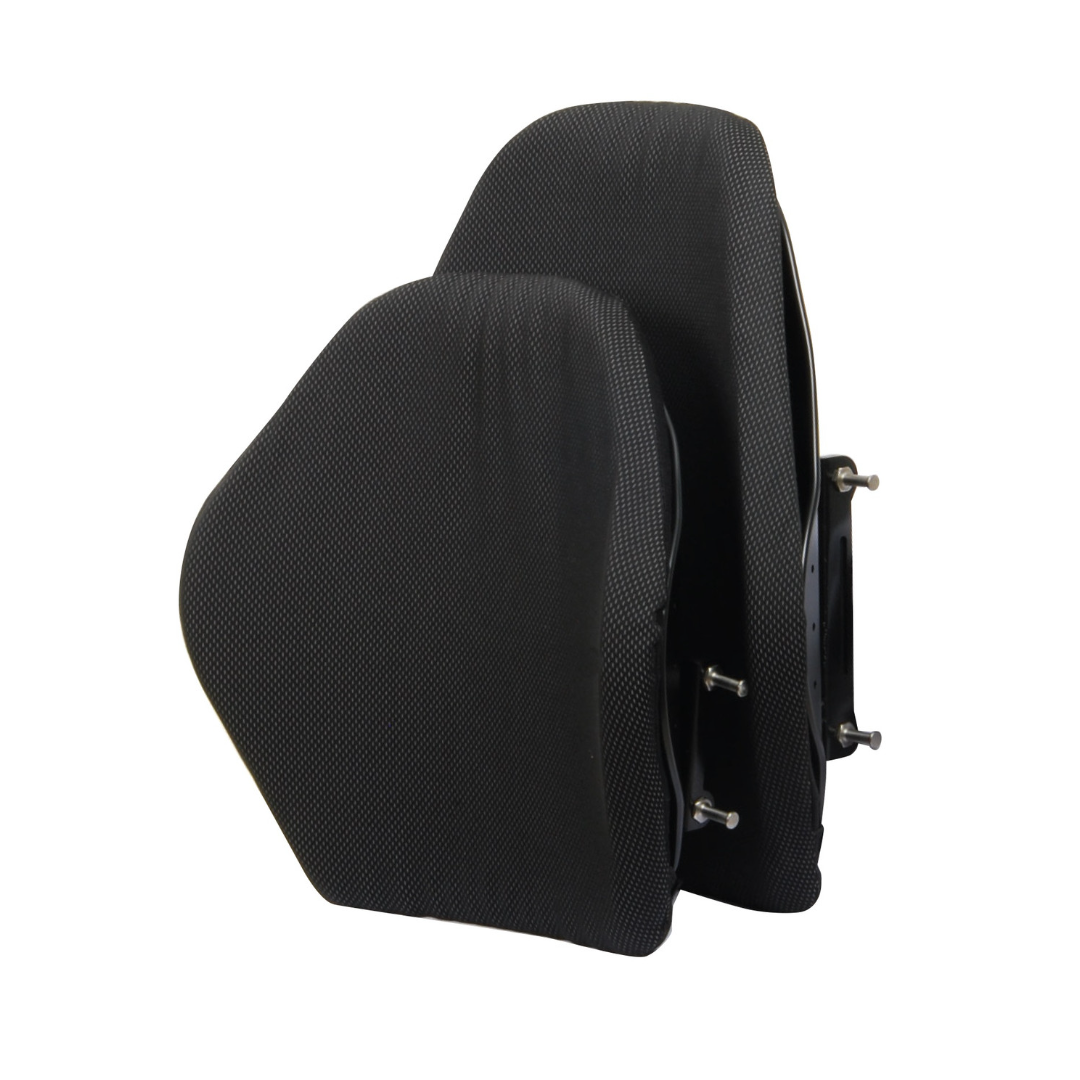
Standard contour in the 18 inch and 20 inch widths this listing covers. A common fit when the chair width is already known and the sling is finished.
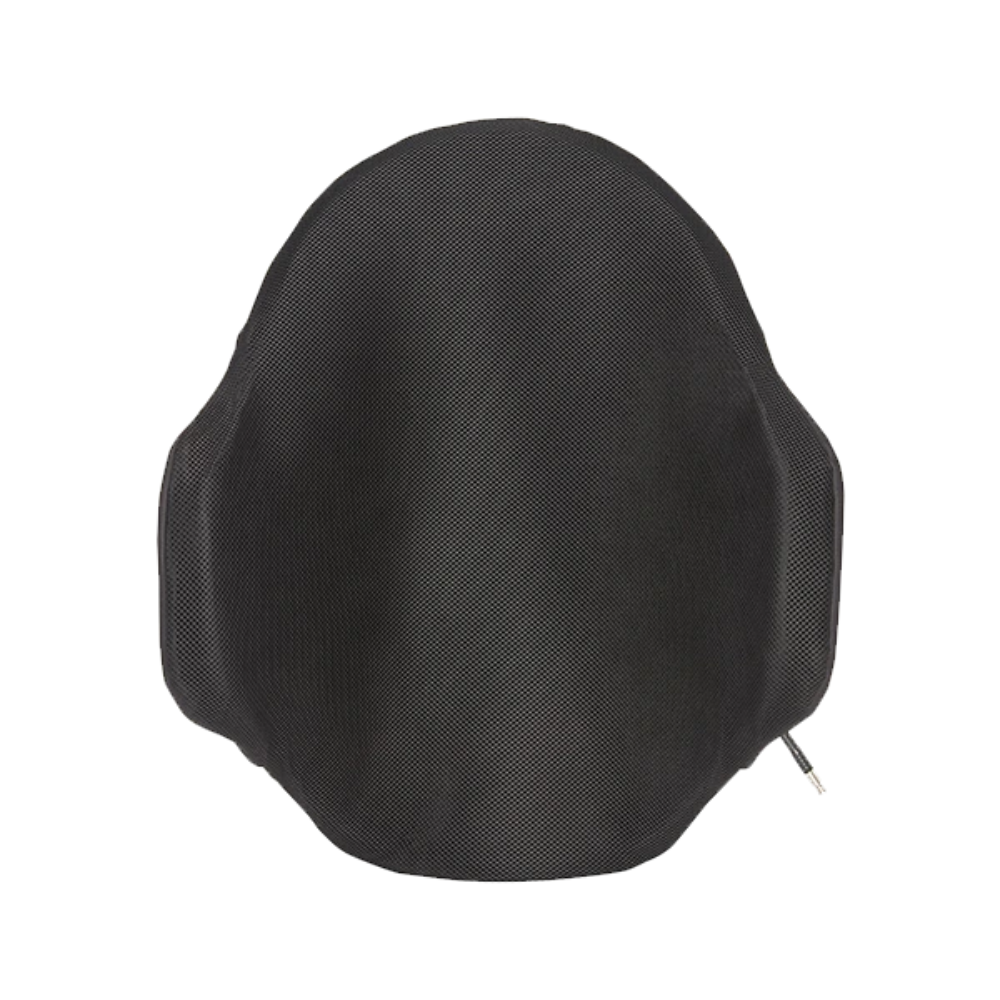
A ROHO contoured back with visible lateral wings. Specified when the trunk needs holding, not just a firmer surface behind it.
We do not hand you a box and wish you luck.
A wheelchair backrest that is two inches too wide bunches at the canes. Too narrow and the laterals miss the trunk. Height is set against shoulder motion, not against what looks tidy from behind.
Bring the chair to Brampton if you can. If you cannot, we come to you anywhere in the GTA. The person sits in it. Then we adjust.
Signs the back needs looking at
None of these are dramatic. All of them mean it is time for a reassessment, and it is free.
The sling is a hammock
If the fabric curves backwards in the middle rather than sitting flat, it has stretched. That is now rolling the pelvis and letting the trunk collapse.
Sliding forward in the chair
Usually the back angle or the cushion contour is pushing the pelvis out. It is a seating problem, not a behaviour problem.
Leaning to one side
A trunk that has started to fall sideways needs lateral support before the curve becomes fixed. Call that week, not next season.
Redness along the spine
A mark that is still there twenty minutes after getting up is stage one. The same rule as a cushion: do not wait for it to break.
Wheelchair backrests are ADP funded seating.
Positioning devices, including cushions, back supports and head supports, are funded under the Assistive Devices Program at up to 75 percent of the approved cost for an eligible applicant. They can be funded as part of a wheelchair prescription or on their own where the chair itself was funded previously.
ODSP, March of Dimes Canada, the MS Society and Muscular Dystrophy Canada also fund seating. We are an authorized vendor for all of them and complete the applications. Where there is documented skin breakdown or a changing posture, the clinical case is considerably stronger.
You are buying privately
Bring the chair to Brampton and we will fit and adjust the wheelchair backrest with the person sitting in it. Same-day is often realistic when the size is in stock.
Book a fitting →You want ADP to fund it
Back supports are ADP positioning devices at up to 75 percent, fundable even where the chair itself was funded previously. An authorizer assessment is needed and we arrange it.
See how funding works →It is more than you have
Say so, especially if there is redness or a lean that is getting worse. We will find the best support your budget reaches and start a funding application alongside.
Talk to us honestly →Questions about wheelchair backrests
If yours is not here, call us on 905 451-7743. A person answers during business hours.
What does a wheelchair backrest actually do?
It holds the trunk and keeps the pelvis from rolling back once factory sling upholstery has stretched. Comfort follows from that. A hammock does not align anything, and it quietly becomes the posture the person lives in.
How do I know which wheelchair backrest I need?
Three questions decide the category: whether the trunk holds itself, what the current back is doing, and whether skin on the spine or sitting bones has been marked. We assess at the free visit rather than matching a size on a box.
Does ADP cover wheelchair backrests?
Yes. Positioning devices, including cushions, back supports and head supports, are an Assistive Devices Program category at up to 75 percent of the approved cost for an eligible applicant. They can be funded as part of a wheelchair prescription or on their own where the chair was funded previously. An ADP-registered authorizer assessment is required.
Why replace the sling back with a contoured backrest?
Sling upholstery stretches with use into a backwards curve, which rolls the pelvis back and lets the trunk collapse sideways. It happens slowly enough that nobody notices until posture has changed. A contoured backrest supports the trunk properly and can be angled and adjusted.
Can I use any backrest with any wheelchair?
No. Width has to match the canes, the hardware has to clamp to that frame, and height is set to the person. We measure rather than assuming a 18 inch chair takes any 18 inch back.
Are wheelchair backrests adjustable?
The ones we fit have adjustable mounting, so angle and height can be tuned after the person sits in the chair. Laterals, where specified, are set to the trunk and then locked. A back that cannot be adjusted after fitting is the wrong back.
Which backrest is best for pressure relief?
The one that stops the pelvis sliding and stops the spine pressing into a hammock. Contour and a correct angle do more than a softer cover. If skin has already broken down, tell us that week. The cushion underneath is half of the same answer.
Do you fit seating, or just sell it?
We fit it. Measurements taken from the person, the backrest installed on the chair, and the position adjusted with the person sitting in it. Seating supplied in a box and left for someone to fit themselves rarely ends up in the right position.
Can you supply a backrest for a chair you did not sell?
Yes, and we do it constantly. Bring the chair or tell us the make and model. Because we carry more than one seating manufacturer we can usually match hardware to an existing frame rather than requiring a new chair.
Are there backs for scoliosis or kyphosis?
A lean or a rounded spine changes the specification: deeper contour, laterals, sometimes a head support. That is an assessment, not a product name. We will not invent a model on this page. Come in and we will look at the trunk.
How do I clean a wheelchair backrest?
Most covers zip off and can be washed on a gentle cycle. Wipe the shell with a damp cloth. Do not put the foam or the hardware in the machine. We will show you the cover on the one we fit.
Where can I get a wheelchair backrest fitted in the GTA?
At Westin Healthcare in Brampton, or we come to you. We regularly fit wheelchair backrests for people in Toronto, Mississauga, Etobicoke, Vaughan, Markham, Oakville and the rest of the GTA. Call 905 451-7743.
You might also be looking at
Book a free wheelchair backrest assessment
We look at the person, the current sling or back, and the chair. If what you have is still doing its job, we will say so.