


March of Dimes Funding
MODC’s Home & Vehicle Modification® Program
Funded by the Ontario Government Ministry for Seniors and Accessibility, March of Dimes Canada’s Home and Vehicle Modification Program helps Ontarians of all ages, living with disabilities that restrict their mobility, to remain in their homes and age in place successfully through.
People with disabilities are part of a diverse group that experiences a wide range of financial situations. Many people have homes and vehicles that are not well designed to meet their mobility needs. Because each person with a disability is unique, there isn’t a one-size-fits-all accessibility solution.
Goals of the program include:
- Remove or minimize a life safety risk
- Prevent hospitalization/institutionalization
- Allow discharge from the hospital/institution
- Avoid loss of employment and income
- Allow a caregiver to meet the responsibilities of caring for a dependant with a disability
- To support both children and adults to participate in developmental/community activities
FUNDING CRITERIA
HVMP – How to Apply
Submit your completed and signed application with supporting documents to the Home and Vehicle Modification Program. Incomplete applications packages will not be processed for funding. One attempt will be made to secure missing information.
Modification Proposal
Please download, print and fill out the following Modification Proposal Form, available in regular and large print, as well as in French (PAHV – Programme d’adaptation des habitations et des véhicules).
Verification of Disability
Please download, print and fill out the following Verification of Disability Form, available in regular and large print, as well as in French (PAHV – Programme d’adaptation des habitations et des véhicules).
Mailing Address:
March of Dimes Canada
920 Commissioners Rd East
London, ON N5Z 3J1
Email Address:
Fax:
519-432-4923
What if I still have questions?
You can call us toll free at 1-877-369-4867 and we’ll do our best to help.
HVMP – Eligibility Criteria
To qualify, you must:
- Be a permanent Ontario Resident
- Be in financial need (combined household income of under $60,000)
- Have a permanent ongoing or recurring disability that impedes mobility and results in substantial restrictions in activities of daily living (eating, bathing, toileting, transferring, and mobility) and/or getting in and out of your home to access essential medical care or community services
If eligible, you may apply for:
- Up to $15,000 lifetime maximum for home modifications, adaptions and devices
- Up to $15,000 for vehicle modifications every 10 years
Applicants (and their spouses, life partners, or guardians, if applicable) with an annual income of more than $35,000 are required to contribute toward the cost of the modifications, adaptions, and devices.
We understand each person’s situation is unique if you have question about your eligibility,
please call us at 1-877-369-4867 before you apply.
Eligible home modifications, adaptions and devices include:
- Ramps;
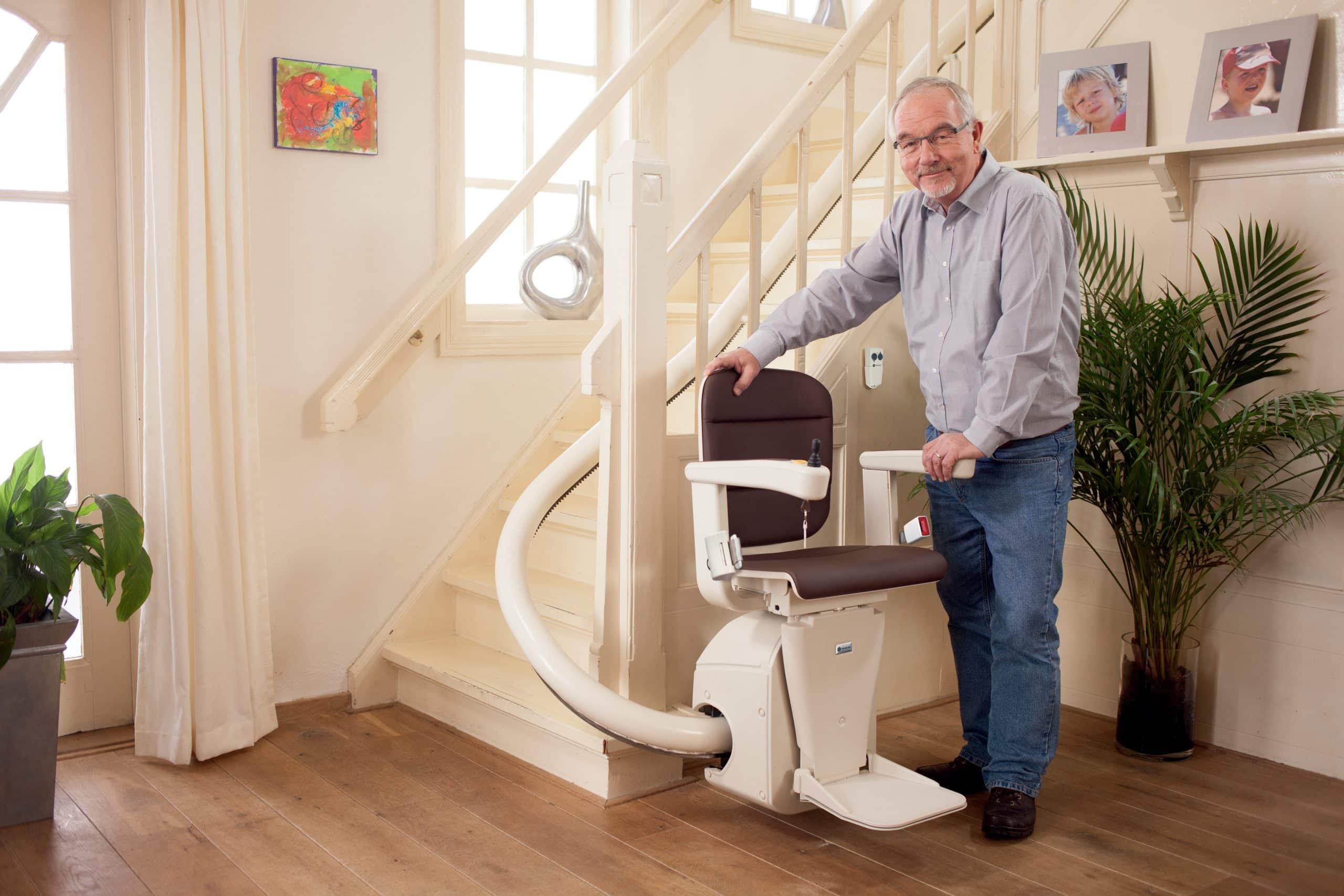
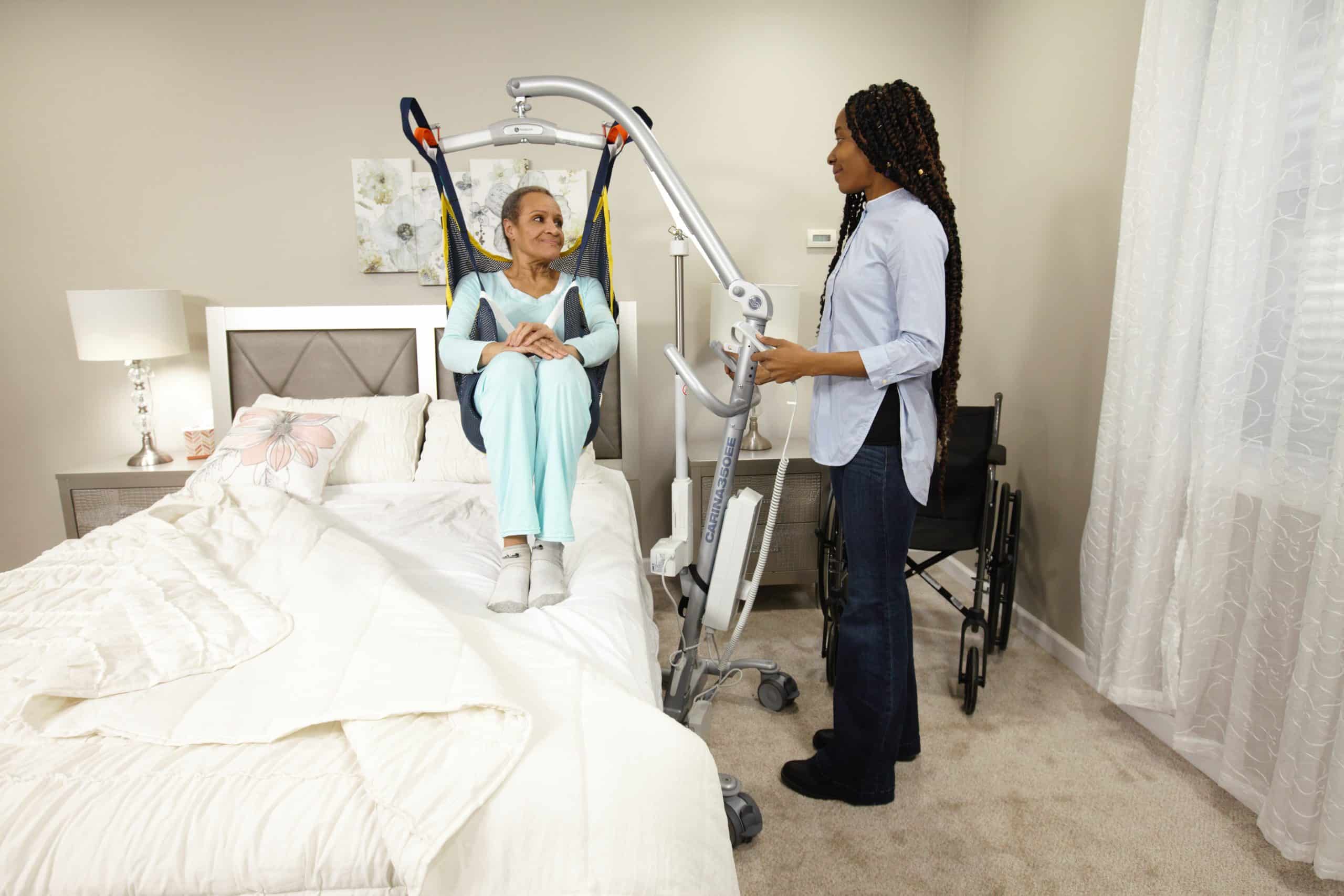
- Inside and outside platform lifts, stairway lifts and lifting/ transferring devices, including necessary structural changes;
- The paving of an access path between the client’s home and mode of transportation, if needed to facilitate the movement of a wheelchair;
- Elevating devices;
- Widening of doors and/or replacement of conventional doors by sliding or folding doors;
- Rearrangement of bathrooms to permit safe use;
- Installation of wheel-in showers, wall grab bars, and bathtub safety rails;
- Rearrangement and lowering or raising of kitchen equipment and cupboards;
- A deck if it is an integral part of an access ramp or lift;
- Disability features for major appliances where the modification allows a person to use the appliance safely
- Environmental controls, including remote control or mechanical devices to operate appliances; switch lights and computers on or off; facilitate the use of a telephone, or to open, close and lock doors;
- Modifications to a child’s play area;
Ineligible home modifications, adaptions and devices include:
- the purchase of a home;
- therapeutic or supportive care-related items such as whirlpool baths, swimming pools, exercise bikes, wheelchairs, walkers, respiratory equipment and dialysis equipment will not be provided by this program;
- upgrades or repairs to the home;
- the construction of additional rooms;
- a deck that is not an integral part of an access ramp or lift;
- household appliances (refrigerators, stoves, microwaves, etc.);
- a second accessible exit (not required by the Ontario Building Code);
- cosmetic improvements to modifications that are not in need of repairs.
Eligible vehicle modifications, adaptions and devices include:
- transferable equipment such as hand controls, foot controls, lifts, safety devices etc;
- specialized seating and related accessories required for transportation purposes;
- remote control devices to open garage doors for persons who use wheelchairs, scooters, or who walk with difficulty;
- raising the roof of a vehicle;
- lowering of the floor of a vehicle;
- barrier-free modifications to garages or carports;
- further vehicle modifications required to meet the child’s changing needs;
Ineligible Vehicle Modifications include:
- the purchase of a vehicle;
- vehicle upgrades;
- vehicle repairs;
Please note our offices are closed to the public due to COVID-19 and staff are not onsite to accept application packages. If you need assistance submitting documents, please call 1-877-369-4867 and speak to our Intake Team.
HVMP – Resource Documents
Documents for Applicants
Appointing a Designate
Some people may need support when they apply to the program. This document will help you decide whether you’re one of them, and who might be a good Designate.
Getting a quote for your modification
You need to submit a minimum of two comparable and competitive quotes when you apply to the program. This document explains how to get a quote and find a qualified contractor.
 How to Obtain a Vehicle Quotation
Documents for Contractors
Sample Quotation
This is an example of how quotes need to be submitted. A clear scope of work helps to make sure everyone has the same goal and is satisfied with the finished product.
Sample Invoice
All contractors will need to provide detailed invoices that match what was approved in the Grant Letter Agreement Funding Schedule. This helps us make sure that you’re paid accurately and efficiently.
Sample Invoice Description
A clear and accurate invoice helps to make sure that the payment process is smooth and accurate. Contractors will need to provide an invoice that matches the total amount in in the Grant Funding Schedule.
If you have questions, please email us at [email protected] or call 1-866-765-7237.
Low-Cost or No-Cost Home Modifications

Low-Cost and No-Cost Home Modifications for Seniors and People with a Disability
Our needs and abilities can change as we age, making our homes less accessible. If you are getting older or have a disability, you may want to make some modifications to your home.
The Canada Mortage and Housing Corporation, with contributions from March of Dimes Canada, has identified over 50 low-cost or no-cost modifications to make your home more accessible. These simple modifications can improve safety and accessibility for everyone, including seniors and people with disabilities.
Explore the range of low-cost or no-cost home modifications for seniors and people with a disabilityHow to Make Your Home Safe, Comfortable and Accessible For People Of All Ages And Abilities
Our needs and abilities can change as we age. If you or anyone who lives in or visits your house is getting older or has a disability, there are a whole range of low- and no-cost modifications you can make to your home to make it safer, more comfortable and more accessible for everyone. View modification ideas for the following areas of your home:
| Doorways and entrances | Kitchens | Lighting |
| Bathrooms | Outdoor areas | |
| Laundry room | Other modifications |
Doorways and entrances
- Paint the threshold to your house in a contrasting colour as a visual signal to anyone with impaired vision.
- Remove the storm or screen doors to make it easier for someone with arthritis or limited upper body-strength to enter your home.
- Add a doorknob gripper or install a levered handle that can be opened without having to grip or twist the knob too tightly.
- Use swing-away hinges to gain an extra few inches of clearance for a wheelchair or walker.
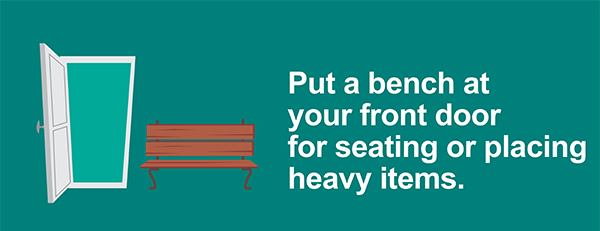
- Place a bench at the entrance where people can set heavy items or sit down while putting on their shoes.
- Remove any unnecessary doors from around the inside your home, so someone using a walker or wheelchair can move around more freely.
- Install a peephole in your front door for extra safety and peace of mind.
Furniture and home layouts
- Remove any clutter or obstacles from the hallways and main rooms.
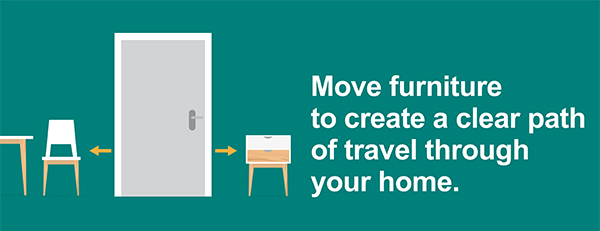
- Place your furniture to create a clear path of travel throughout your home, with extra manoeuvring space at doorways and the ends of halls.
- Secure or remove any area rugs that someone could trip over.
- Paint floors or doorways between rooms in different colours, to help people with a visual impairment or dementia find their way around.
- Install low-level transition strips between any changes in height or level, or use different floor textures between rooms and at the edges of hallways.
- Get a power bar and cable organizer to keep your television, telephone and other cords safely stored where they can’t trip anyone walking by.
- Place the television where it will have the least amount of glare.
- Put corner guards on the sharp edges of tables, chairs and other furniture.
- Place elevated risers under beds or chairs to help anyone who has trouble sitting or rising from a seated position.
Stairs and staircases
- Place a gate at the top of the stairs to protect seniors and small children.
- Install a safety nosing or coloured strips between the treads and risers to make the edges of each step clearly visible.
- Add a small bench or chair on the landing where people can rest or catch their breath.
- Install a decorative post or finial at the beginnings and ends of railings to signal that the stairs are about to end.
- Use strip lighting to make the stairs easier to see and help prevent falls.
Kitchens

- Choose slip-resistant flooring or put a slip-resistant coating over any tiles—available at most hardware stores.
- Install easy-grip D-handles on cabinets and drawers.
- Reverse the swing on the refrigerator door if the access would be easier.
- Get a pot stabilizer to keep pots from spinning while they are being stirred and a kettle tipper to fill or pour water from a kettle with minimal strain.
- Place an anti-fatigue mat on the floor in the prep and cooking areas to make it more comfortable to stand for long periods of time.
- Add a shelf between the counter and upper cabinets for accessible storage.
- Install a shallow sink basin that can be used while standing or seated.
- Use a folding, wall-mounted or Murphy bed-style table or counter to create more space for someone using a walker or wheelchair.
Bathrooms

- Label your taps “hot” and “cold” if you have small children or if anyone in your home gets easily confused.
- Add a safety mat and grab bars in the tub.
- Get a raised toilet seat and add a bath seat in the shower to help people who have trouble getting into or out of a seated position.
- Install D-handles on the cabinets and drawers to make them easier to open.
- Get an accordion-style mirror for anyone with a visual impairment.
- Use slip-resistant flooring or coating on the tiles.
- Install a shallow sink that can be used in both standing and seated positions.
- Use a medication organizer to make sure the proper doses are taken.
- Purchase a water alarm to alert you if the tub or sink is overflowing.
Laundry room
- Add stickers or marks on the washer and dryer settings to make them easier to see, or as a reminder for someone with memory issues or dementia.
- Use detergent dispensers that don’t have to be lifted off the shelf.
- Use a wheeled laundry cart to eliminate any heavy lifting.
Lighting

- Add extra lamps throughout your home, and use task lighting to help seniors or someone with a visual impairment see what they’re doing.
- Choose light switches in a contrasting colour to make them easier to find.
- Use a night light to help prevent falls or confusion.
- Install a motion detector to make it easier for anyone who has trouble using a light switch to turn the lights on.
- Use a timer to turn lights on or off automatically for added comfort and safety.
- Install motion-detecting lights at the entrance to your house to light your way home after dark and discourage would-be intruders.
Outdoor areas

- Lower the mailbox for easy access without stretching or straining.
- Add large, well-lit house numbers to make it easier to find your home.
- Use paint, LED strip lights or solar lamps to mark outdoor pathways and stairs and make them more visible at night.
Other modifications
- Use low-glare paint to identify important areas in your home or to make the transitions between different rooms and levels more visible.
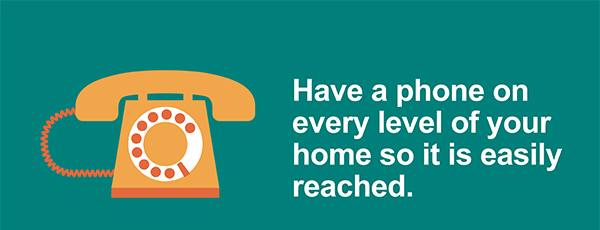
- Make sure there’s a phone on every level of your home that can be reached without having to go up or down any stairs.
- Install a bed rail to help seniors or someone with a disability sit up, stand, change their position in bed or transfer to a chair or wheelchair.
- Reduce or eliminate the number of toxic chemicals you use in your home.
- Install smoke and carbon monoxide detectors on every level of your house, and test them regularly to be sure they’re
Other Home and Vehicle Modification Programs
The following is a list of alternative National and Provincial home and/or vehicle modification programs offered across Canada. We are not affiliated with or have any connection with these disability management and return to work programs, but provide these links for information on alternative resources.
List of Government, Volunteer and Charitable Organizations
** Please note that this document has not been updated recently, so some links may no longer be active, but it still provides a long list of organizations and foundations that you may find helpful.
Additional Resources by Province:
British Columbia
-
Vancouver Foundation
Prince Edward Island
-
Disability Support Program (Modifications to Home/Vehicle)
Quebec